Best City Builder Games You Can Play in 2026
A curated list of the best city builders, with quick picks based on complexity, pace, and player goals.
City builders in 2026 cover everything from chill zoning to brutal survival logistics. The best choice depends on how much friction you want: creative flow, hard constraints, or deep economic simulation. Use this list to pick fast, then commit to one style for a better first 10 hours.
Quick take
- Want the most modern “classic city builder” feel: Cities: Skylines 2.
- Want survival + meaningful logistics: Frostpunk 2.
- Want a gentler survival-city with a living map: The Wandering Village.
- Want deep production chains with city-building at the center: Anno 1800 or Anno 117: Pax Romana.
- Want builder-first, low stress, high beauty: Foundation or Whiskerwood.
- Want a long-term hobby game with complexity and stories: Dwarf Fortress.
Pick by goal: modern city planning and traffic
Cities: Skylines 2
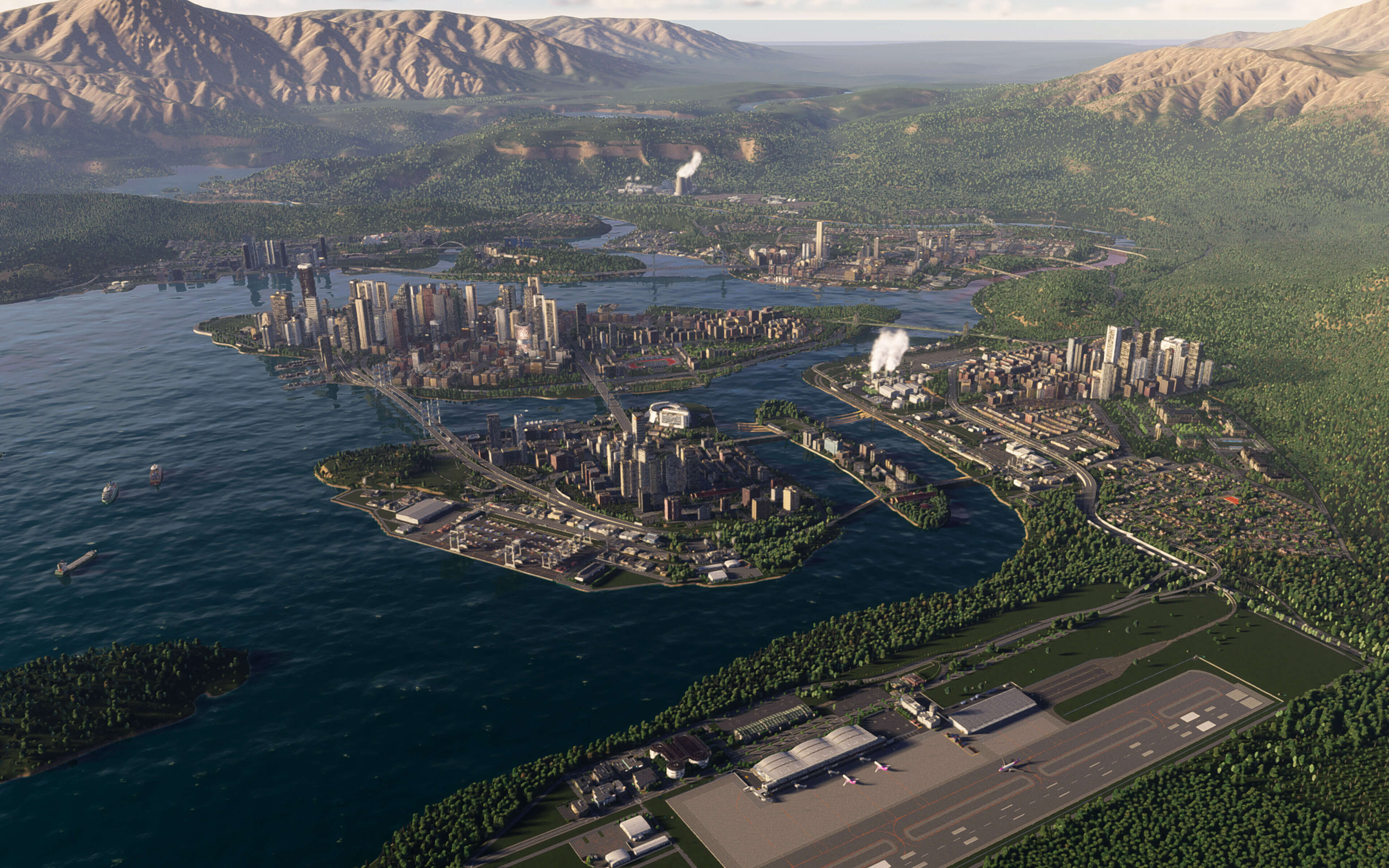
Best for players who want a contemporary sandbox with real urban planning tradeoffs. You’ll spend time on zoning, road hierarchy, public transit, and demand management. It’s the go-to when you want to iterate on a city for weeks.
Play it if you want:
- A big, persistent city you can keep improving.
- Traffic, transit, and services to be the main “game.”
- A strong mod-friendly ecosystem (platform-dependent).
Skip it if:
- You want a guided campaign or survival pressure.
- You hate micromanaging roads and interchanges.
First-session focus: build a simple road hierarchy (arterials → collectors → locals) before you chase density.
SimCity 4
Old, but still a top-tier “systems puzzle” if you can handle the dated edges. Zoning and demand feel tight, and region play is still uniquely satisfying. Great if you want depth without modern sprawl or massive maps.
Play it if you want:
- Strong simulation feel and meaningful zoning decisions.
- Region-based growth and inter-city dependencies.
Skip it if:
- You need modern visuals and quality-of-life features.
First-session focus: keep early taxes stable, grow slowly, and don’t overbuild roads before demand exists.
Pick by goal: survival cities and hard decisions
Frostpunk 2
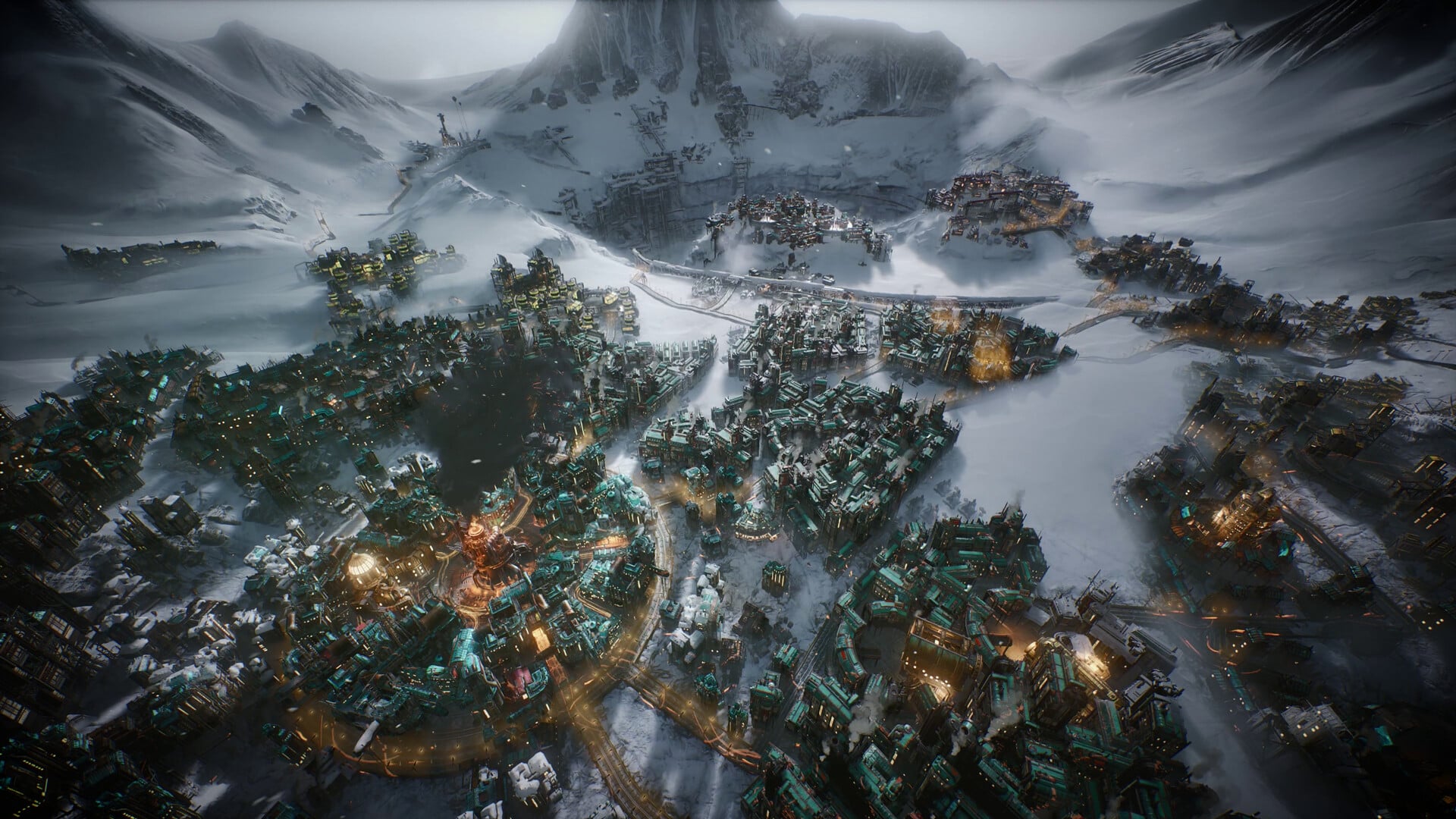
A city builder where politics, scarcity, and heat economics drive every choice. It’s less about “pretty layout” and more about triage, policy, and social stability. Great for players who want tension and consequences.
Play it if you want:
- A pressure cooker city builder with narrative-scale decisions.
- Tradeoffs that force you to commit to a direction.
Skip it if:
- You want a relaxed sandbox with unlimited retries.
First-session focus: lock in a stable resource loop early, then manage factions before they manage you.
Against the Storm
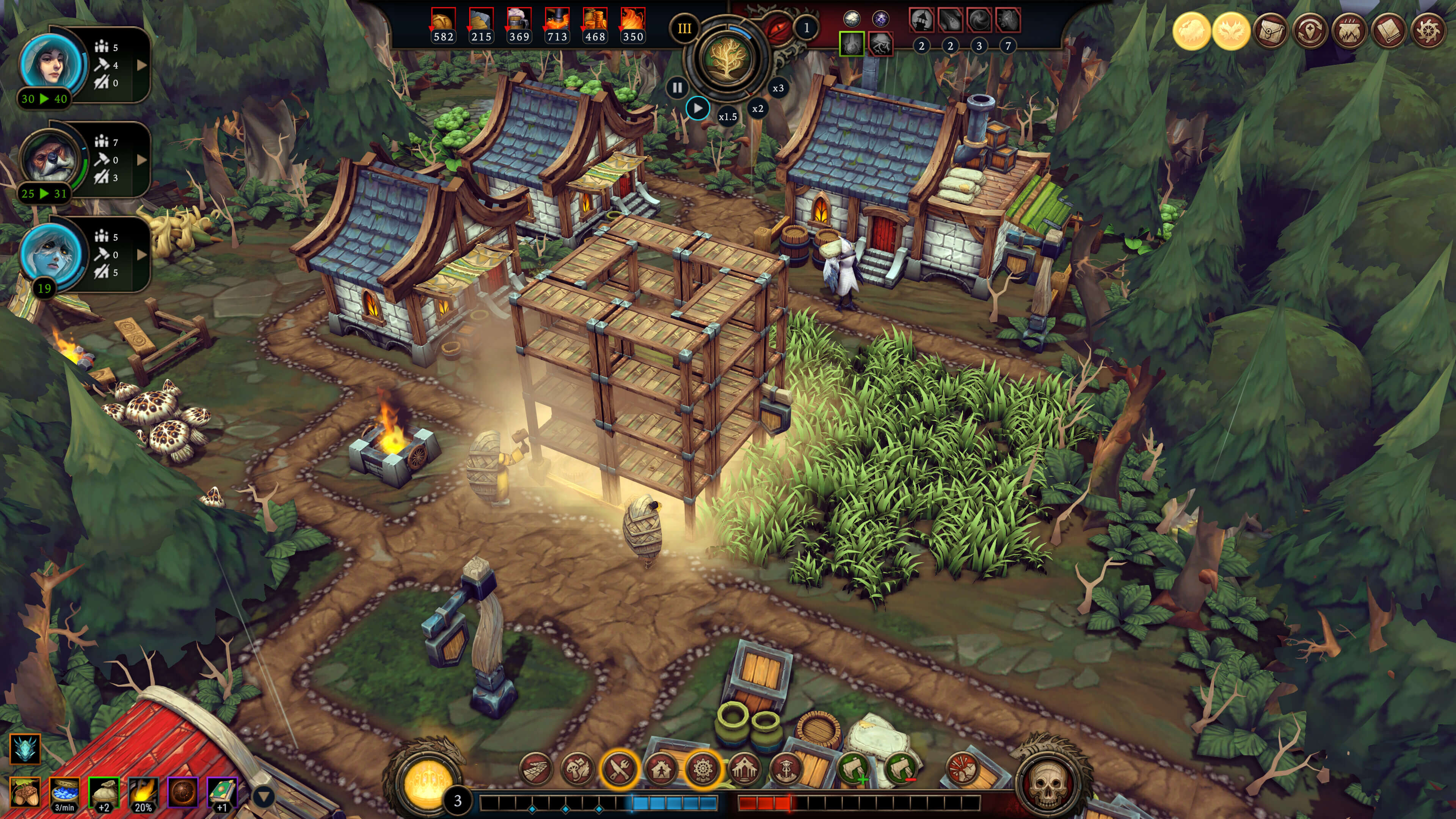
Roguelite city building with short runs and constant adaptation. You’re building multiple settlements, not one forever city. It’s the best option when you want variety, tight objectives, and quick payoff.
Play it if you want:
- Runs that finish in hours, not weeks.
- High replayability and rapid decision-making.
Skip it if:
- You want one city you can perfect over time.
First-session focus: prioritize early food stability, then unlock a scalable building material chain.
The Wandering Village
A survival city builder bounded by a living platform: you build on the back of Onbu, a giant wandering creature whose health is as important as your colonists’ needs. It is smaller-scope and more melancholic than Frostpunk, with settlement management and survival overlapping in every decision.
Play it if you want:
- A distinctive, story-flavored survival city instead of an endless sandbox.
- Symbiotic planning where creature care and colony logistics share the same map.
- A gentler pressure curve than Frostpunk 2 or Against the Storm.
Skip it if:
- You want sprawling, ever-expanding urban sandboxes.
- Managing a living creature as a core resource system sounds tedious.
First-session focus: stabilize food and basic goods while learning Onbu’s needs before you chase decorative sprawl.
Pick by goal: production chains and economic depth
Anno 1800
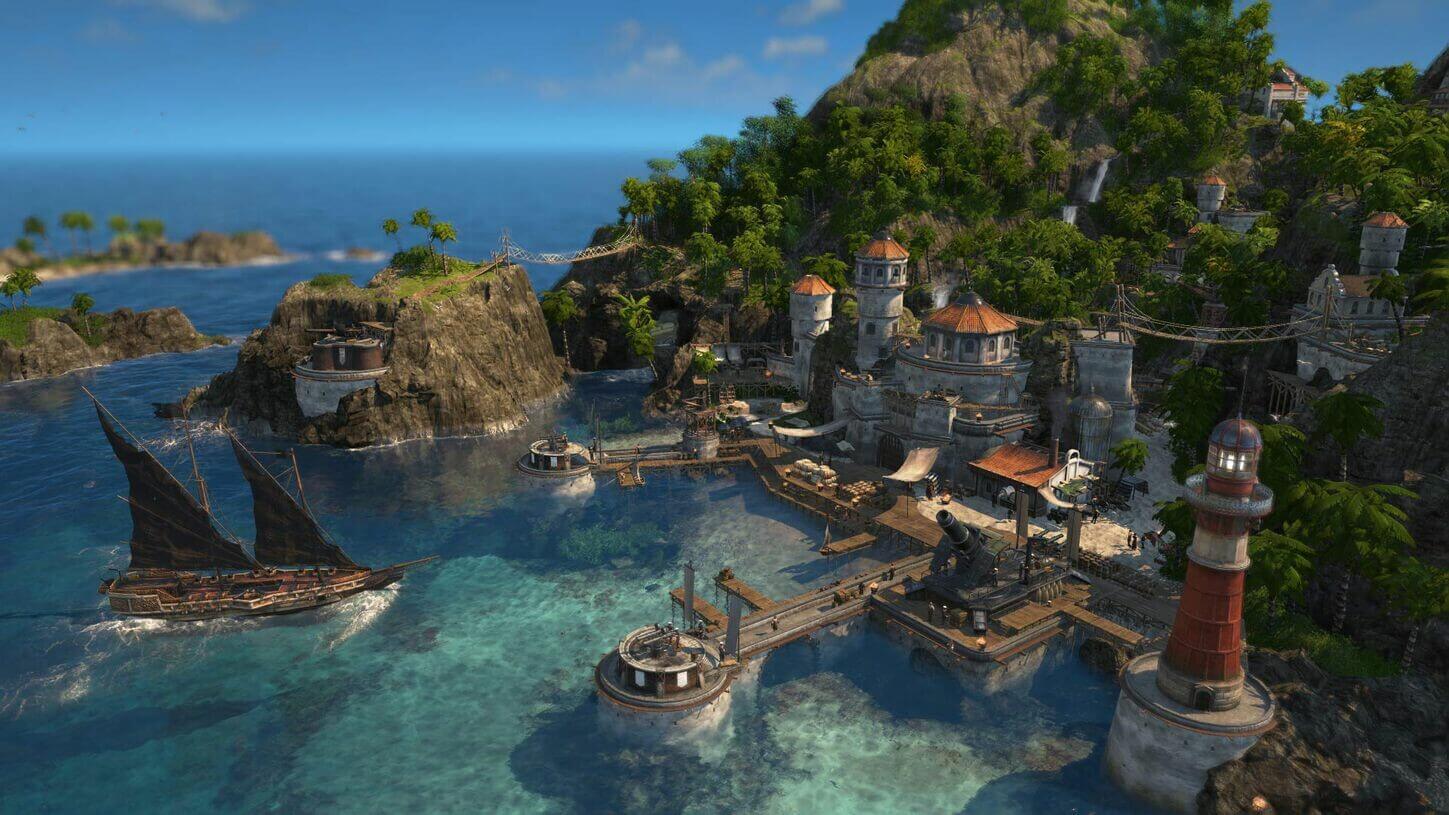
A production-chain masterpiece where city building exists to support industry, trade, and expansion. It rewards clean layouts, efficient shipping routes, and careful workforce balancing. It’s ideal if you like optimizing loops more than designing roads.
Play it if you want:
- Deep logistics, trade routes, and multi-island planning.
- A long, satisfying progression curve.
Skip it if:
- You hate managing supply chains and shipping bottlenecks.
First-session focus: keep your first island stable and profitable before you sprawl into multiple islands.
Anno 117: Pax Romana
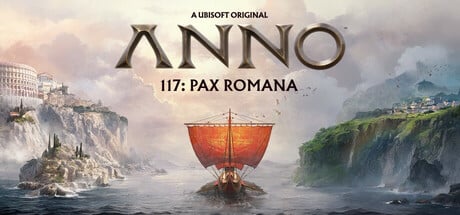
Anno 117 reframes the series’ trade-and-production formula as Roman provincial governance across Latium and Albion. Optional population needs and a gentler onboarding path make it easier to start than Anno 1800, while multi-region juggling still rewards players who want layered economies.
Play it if you want:
- Anno-style production chains with a fresh historical setting.
- Trade networks and provincial logistics without jumping straight into Anno 1800’s densest late game.
- A newer entry you can grow with as post-launch content settles.
Skip it if:
- You specifically want the industrial-era Anno fantasy or a fully battle-tested economy.
- Roman theming does nothing for you compared with Anno 1800’s factories and shipping.
First-session focus: lock one province’s basic needs before opening a second region’s supply web.
Pick by goal: cozy building and organic towns
Foundation

Low-stress medieval town building with an organic look and flexible growth. You’ll place key buildings and let neighborhoods form naturally. Great when you want beauty and flow without fighting harsh constraints.
Play it if you want:
- A builder-first game that still has meaningful economy.
- A town that grows naturally and looks lived-in.
Skip it if:
- You want heavy challenge or strict grid planning.
First-session focus: secure food + basic goods, then expand housing near workplaces to reduce inefficiency.
Whiskerwood
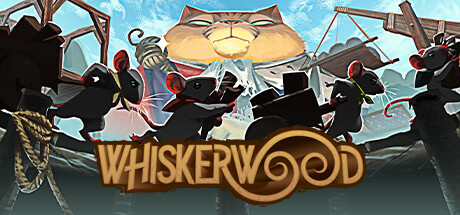
Whiskerwood is the cozy production-chain palate cleanser: a whimsical cat-and-mouse city builder from the Railgrade team, aimed at players who want industry satisfaction without survival stress or combat. Early access, single-player-focused, with only light asynchronous social features.
Play it if you want:
- Production chains and town growth without droughts, raids, or moral crises.
- Short, relaxed sessions with gentle systems depth.
- A whimsical tone after harsher city builders.
Skip it if:
- You want real-time co-op or a fully content-complete release.
- You need systems-heavy friction closer to Workers & Resources or Frostpunk.
First-session focus: learn one readable goods chain end-to-end before unlocking every building.
Pick by goal: maximum depth and emergent stories
Dwarf Fortress
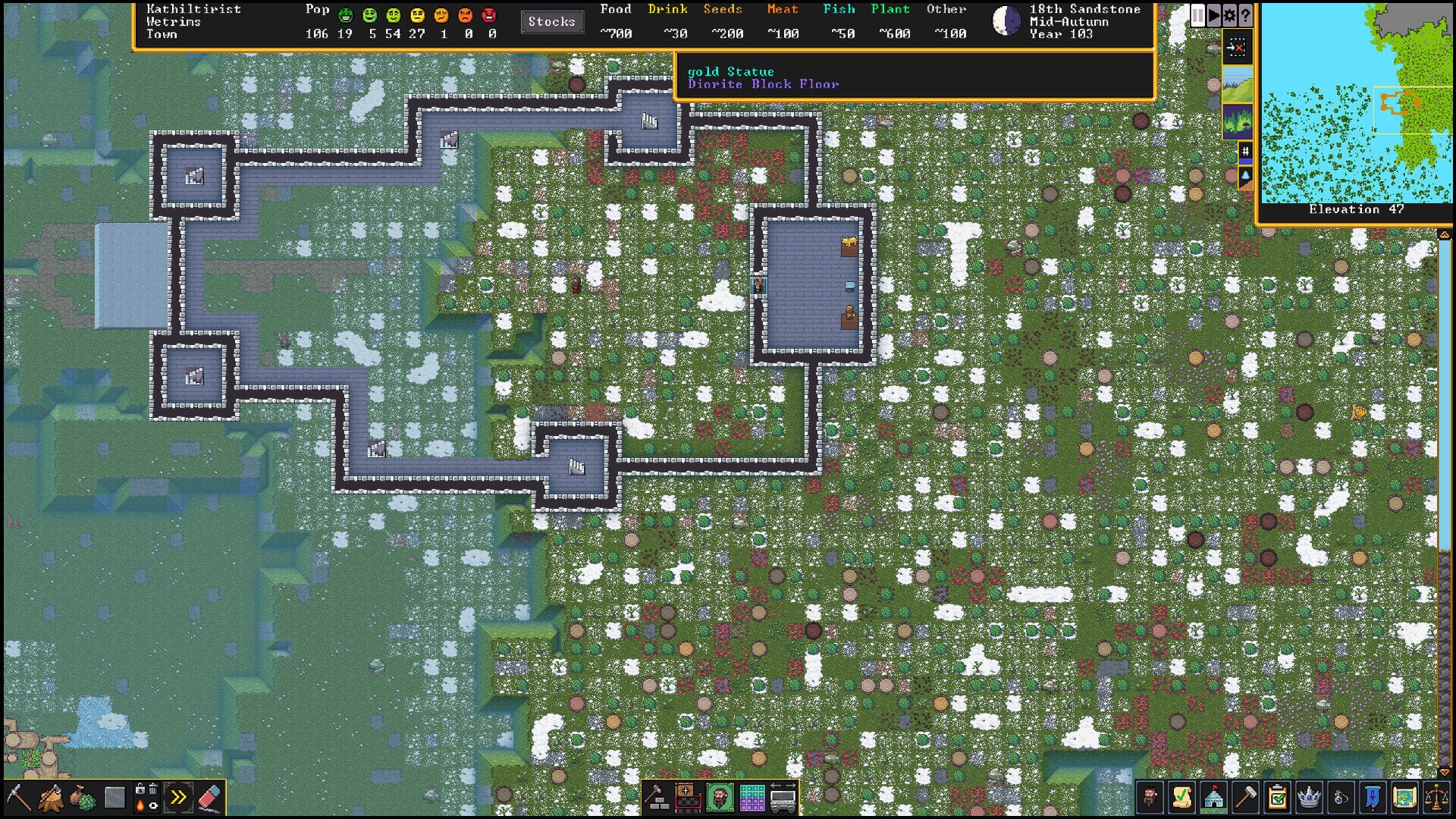
The deepest simulation here, with unmatched emergent storytelling. It’s more settlement management than pure city planning, but it scratches the same itch at a higher complexity ceiling. Perfect if you want to learn a system over months.
Play it if you want:
- Complexity, weird disasters, and unforgettable outcomes.
- A simulation that keeps surprising you.
Skip it if:
- You want clean onboarding and immediate comfort.
First-session focus: nail food, booze, and basic defenses; everything else can wait.
Who should play this
- Players choosing one city builder to stick with for 20–100 hours.
- Fans of management games who want clearer “what should I buy next?” picks.
- Sandbox players who still want real constraints and tradeoffs.
- Strategy players who prefer systems over story-heavy RPG progression.
Common mistakes
- Overbuilding roads and services early → Build only what demand supports; scale gradually.
- Ignoring one bottleneck resource (power, heat, food, workers) → Track your limiting factor and expand that first.
- Sprawling too fast → Consolidate and stabilize one district/island/settlement before expanding.
- Chasing aesthetics before fundamentals → Lock in economy and logistics, then beautify.
- Not learning the game’s “core loop” → In each game, identify the main constraint (traffic, heat, supply chains, politics) and optimize for it.
FAQ
What's the best beginner-friendly city builder in 2026?
Foundation and Whiskerwood are the easiest on-ramps if you want relaxed pacing. If you want modern city planning specifically, Cities: Skylines 2 is approachable but more system-heavy.
Which game is best if I love logistics and production lines?
Anno 1800 is still the strongest battle-tested production-chain pick. Anno 117: Pax Romana is the fresher series entry with gentler onboarding. If you want shorter, more reactive loops, Against the Storm is excellent.
I want challenge, not a sandbox. What should I play?
Frostpunk 2 for sustained pressure and hard decisions. Against the Storm for fast, repeatable challenge runs. The Wandering Village if you want survival stakes with a smaller, more atmospheric scope.
Which one has the most replay value?
Against the Storm for constant variation per run. Dwarf Fortress for long-form emergent stories that never play out the same way.
Are older city builders still worth playing in 2026?
Yes. SimCity 4 still delivers a tight simulation and great regional play if you can live with older UI and visuals.
A small desk upgrade for city-building sessions
City builders reward steady mouse movement across large maps — zoning districts, drawing roads, placing services, and nudging camera angles until the layout finally clicks. A desk-size mouse pad gives you more room for those long planning stretches without running out of space mid-session.
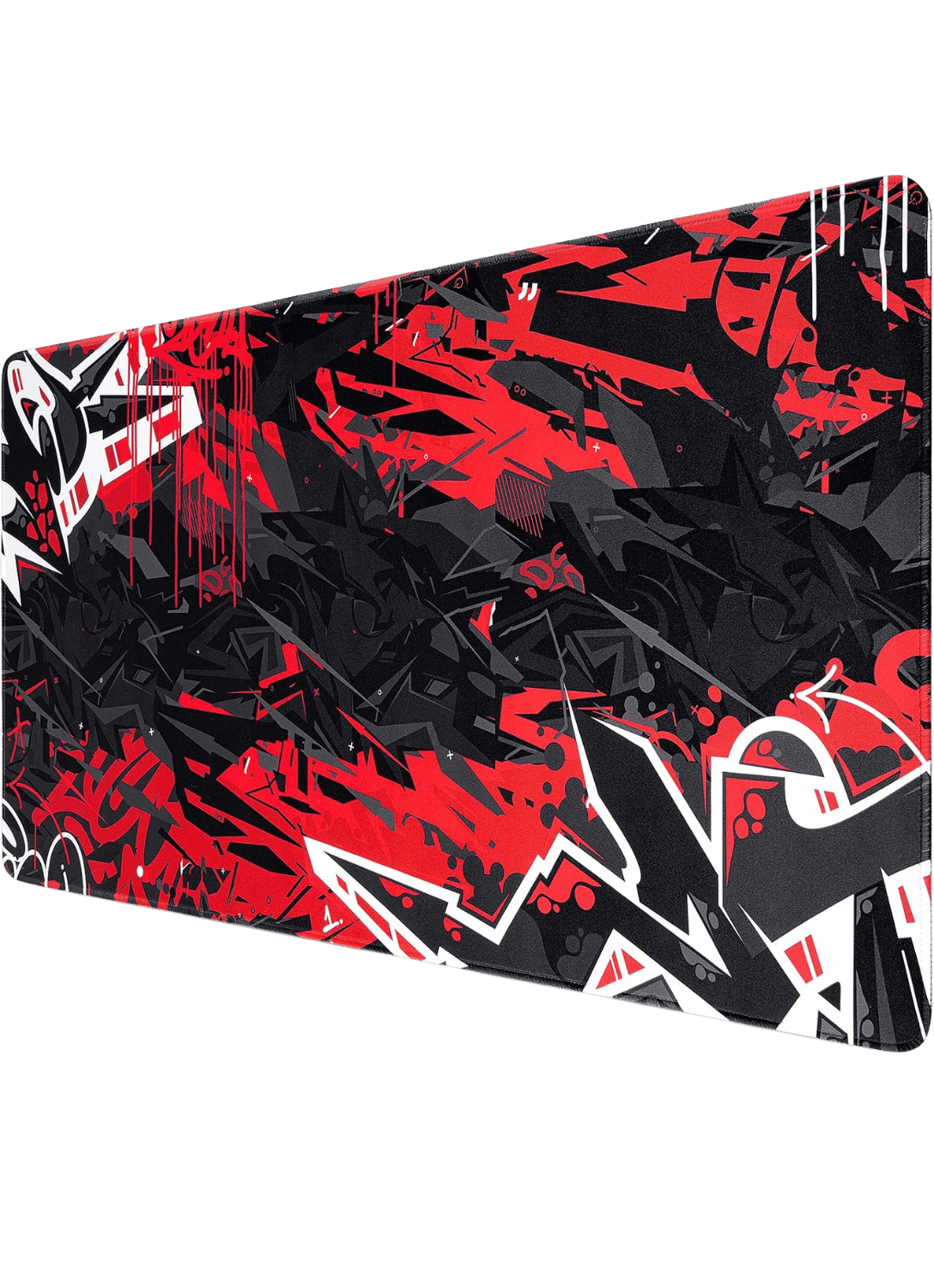
Canjoy Gaming Mouse Pad
Desk-size pad for more room and smoother mouse travel in long strategy sessions.
Takeaway
Pick a city builder based on the kind of friction you enjoy: traffic and services, survival pressure, production chains, cozy growth, or maximum simulation depth. Commit to one game’s core loop, avoid early overexpansion, and you’ll get a better city faster.