Colony Sim vs Survival Game: What's the Difference?
A practical breakdown of colony sims versus survival games so you can pick what fits your mood.
Colony Sim vs Survival Game: What's the Difference?
The colony sim vs survival game question usually comes down to one thing: do you want to manage a system, or do you want to survive the next few minutes? Both can include hunger, weather, combat, crafting, and resource pressure, but the core loop is not the same.
This breakdown is for players deciding where to spend their time next, especially if they bounce between both depending on mood. The focus here is choice clarity: colony sims, survival games, and a few crossover examples that show where management depth ends and moment-to-moment survival tension begins.
Quick take
- Colony sims are mainly about systems, priorities, and indirect control over a group.
- Survival games focus more on immediate danger, direct control, and short-term problem solving.
- The overlap is real, but the pacing feels very different even when both use similar resources.
- Pick a colony sim when you want long-term planning and chain reactions.
- Pick a survival game when you want pressure, improvisation, and hands-on action.
Colony sim vs survival game at a glance
The fastest way to separate them is by asking who you control and what the game keeps demanding from you.
In a colony sim, you usually manage multiple people, assign work, set priorities, and shape systems that keep running. You are not just solving hunger today. You are building food production, storage, labor balance, defenses, and recovery when those systems fail.
In a survival game, the pressure is usually more immediate. You control one character directly, gather what you need, and react to threats in real time or near-real time. The next storm, the next night, or the next enemy encounter matters more than long-term labor optimization.
That is the main difference colony sim survival comparisons often miss: the ingredients can look similar, but the player role is different. Colony sims ask, "Did you design a stable settlement?" Survival games ask, "Can you stay alive right now?"
The core loop feels different
Colony sims: system pressure over personal pressure
A colony sim gets its tension from interacting systems. Food runs low because harvest timing slipped, workers got sick, hauling priorities broke down, and winter hit before stockpiles were ready. The drama comes from chains of cause and effect.
That makes colony sims a better fit for players who enjoy stepping back, reading bottlenecks, and fixing processes. For many players, this is the appeal: losing is often interesting because you can see why the whole machine failed.
The tradeoff is distance. If you want to feel every threat directly, colony sims can seem slow or abstract. New players often expect survival urgency and instead get workload triage, labor friction, and planning mistakes.
Survival games: short-term tension and direct execution
Survival games usually care more about your next move than your next season. You are watching health, stamina, shelter, enemies, visibility, and supplies while making direct inputs the whole time.
This clicks most if you like making fast decisions under pressure. A rough fight, a bad route, or getting caught unprepared can create memorable moments in a way colony sims often do not.
The downside is that some players burn out on maintenance. If every session becomes food-water-shelter repair with limited automation, the loop can feel repetitive compared with a colony sim's wider system growth.
What usually overlaps between them
The overlap exists because both genres often use familiar tools: harvesting, crafting, resource scarcity, weather, disease, morale, and defense. That can make colony sim versus survival conversations messy, especially when a game borrows heavily from both sides.
Still, shared mechanics do not mean shared priorities.
A colony sim may include starvation, raids, and harsh climates, but those pressures usually serve settlement planning. A survival game may include farming and construction, but those systems often support keeping one character alive and mobile.
A useful rule: if the game gets better as you automate people, tasks, and supply flow, it leans colony sim. If the game gets better when you personally react, fight, scavenge, and adapt minute to minute, it leans survival.
Where the line gets blurry
Some games sit close to the border, and those are often the ones that confuse newer players most. Here are a few practical examples from the colony sim side so the genre line is easier to read.
RimWorld
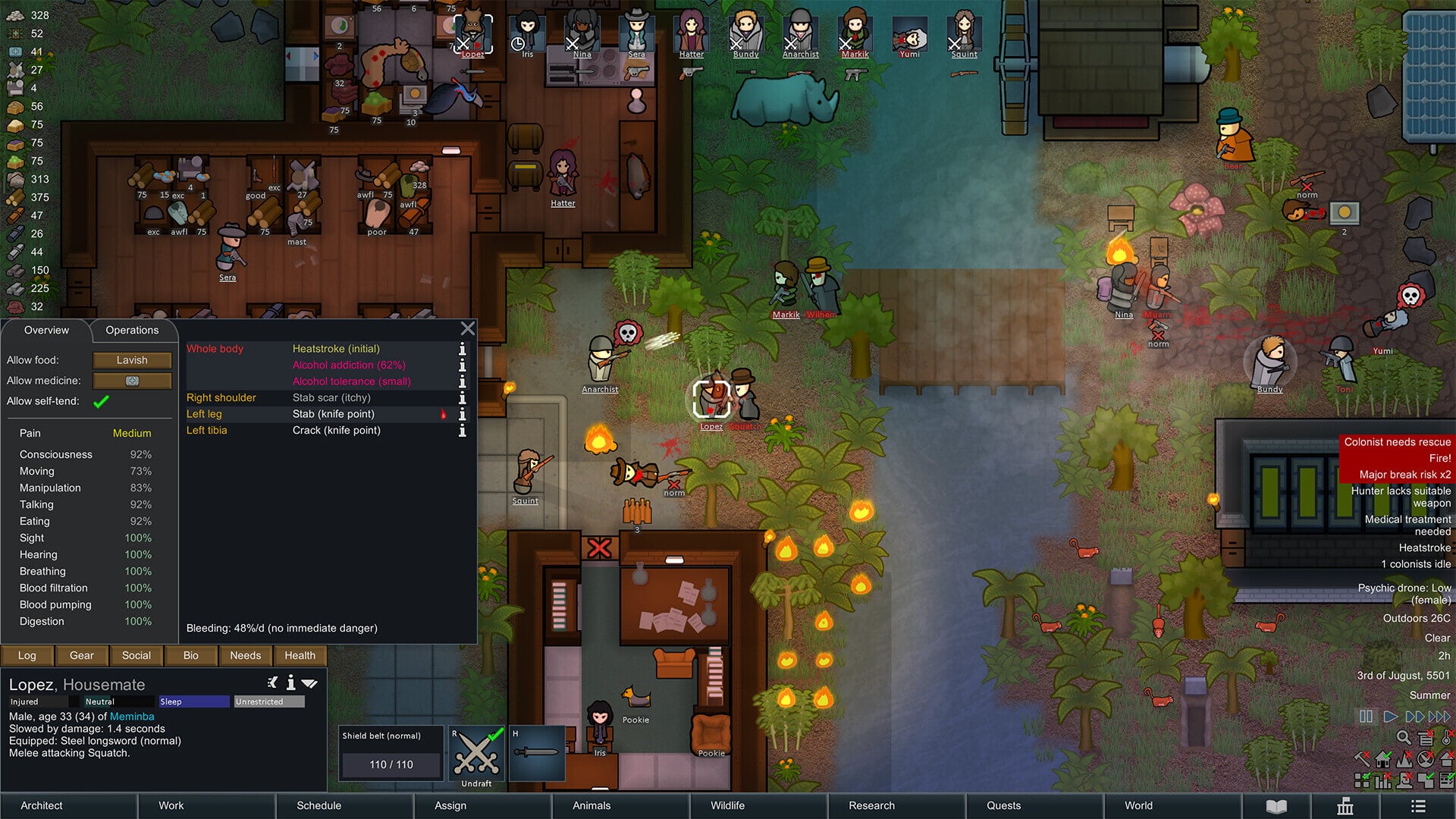
RimWorld belongs in this article because it is one of the clearest examples of a colony sim that can feel like survival, especially early on. Your colonists face hunger, weather, injuries, raids, and mental breaks, so the pressure can look survival-heavy at first glance. But the real game is in work priorities, layout, supply chains, medical recovery, and long-term colony stability.
It fits players who want stories created by systems rather than direct character control. This tends to work best when you enjoy adapting to setbacks and watching a settlement produce emergent problems on its own.
The main friction is indirect control. You are guiding people, not controlling every action yourself, and that alone will turn away players looking for a more hands-on survival loop.
Oxygen Not Included
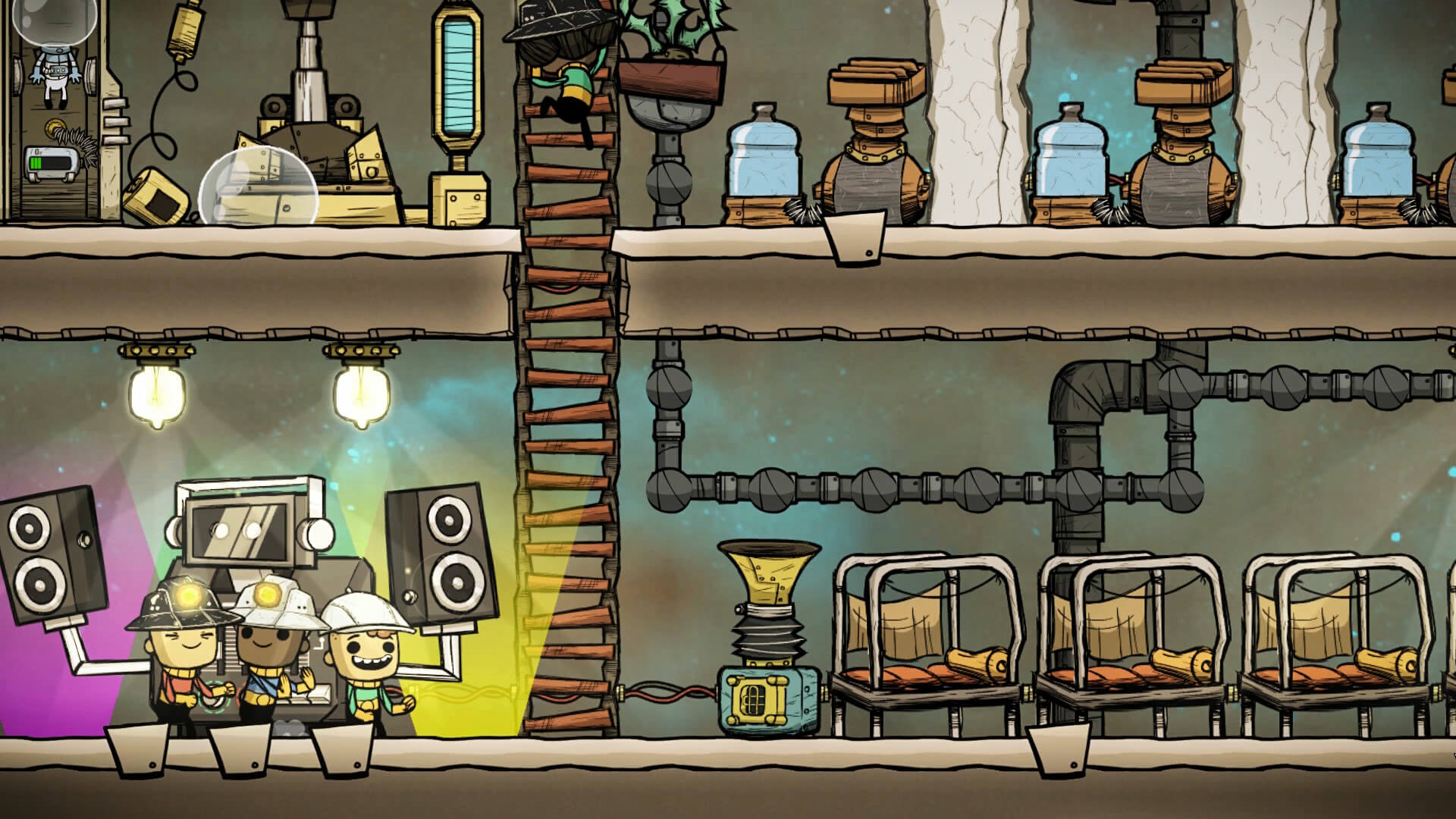
Pacing is the key difference here. Oxygen Not Included is a colony sim through and through, with survival pressure pushed into gases, heat, sanitation, and fragile production chains. You are not trying to keep one person alive through direct action. You are engineering a livable ecosystem.
It is best for players who want deep simulation and do not mind learning why one bad plumbing or oxygen decision can collapse an otherwise healthy colony. In terms of pure systems play, it leans even harder into management depth than many colony sims.
The tradeoff is obvious: it can be overwhelming. If you want clean readability and quick decisions, this is probably too technical to scratch a survival-game itch.
Banished
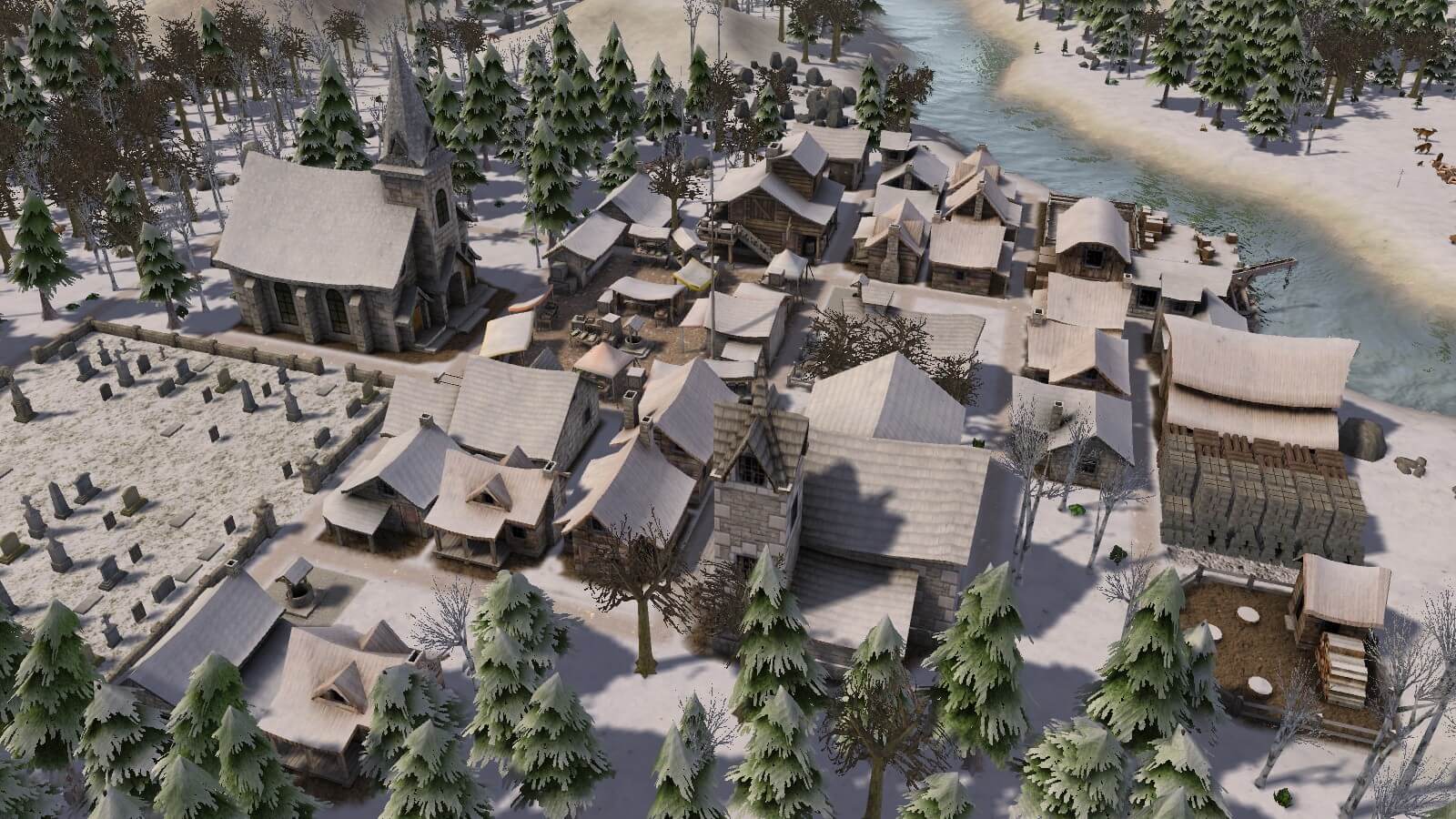
Banished shows the classic colony sim structure with almost no confusion about genre once you start playing. The tension comes from population balance, seasonal planning, labor allocation, and supply security. It is survival-themed, but not a survival game in the usual sense.
This is a strong fit for players who want a quieter, cleaner settlement loop without heavy character drama or dense simulation layers. It works especially well when you want consequences from planning mistakes without needing to micromanage personalities.
Its limitation is scope. Compared with more modern colony sims, it is narrower and less dramatic, so players chasing constant crisis or deeper social simulation may find it too restrained.
Going Medieval
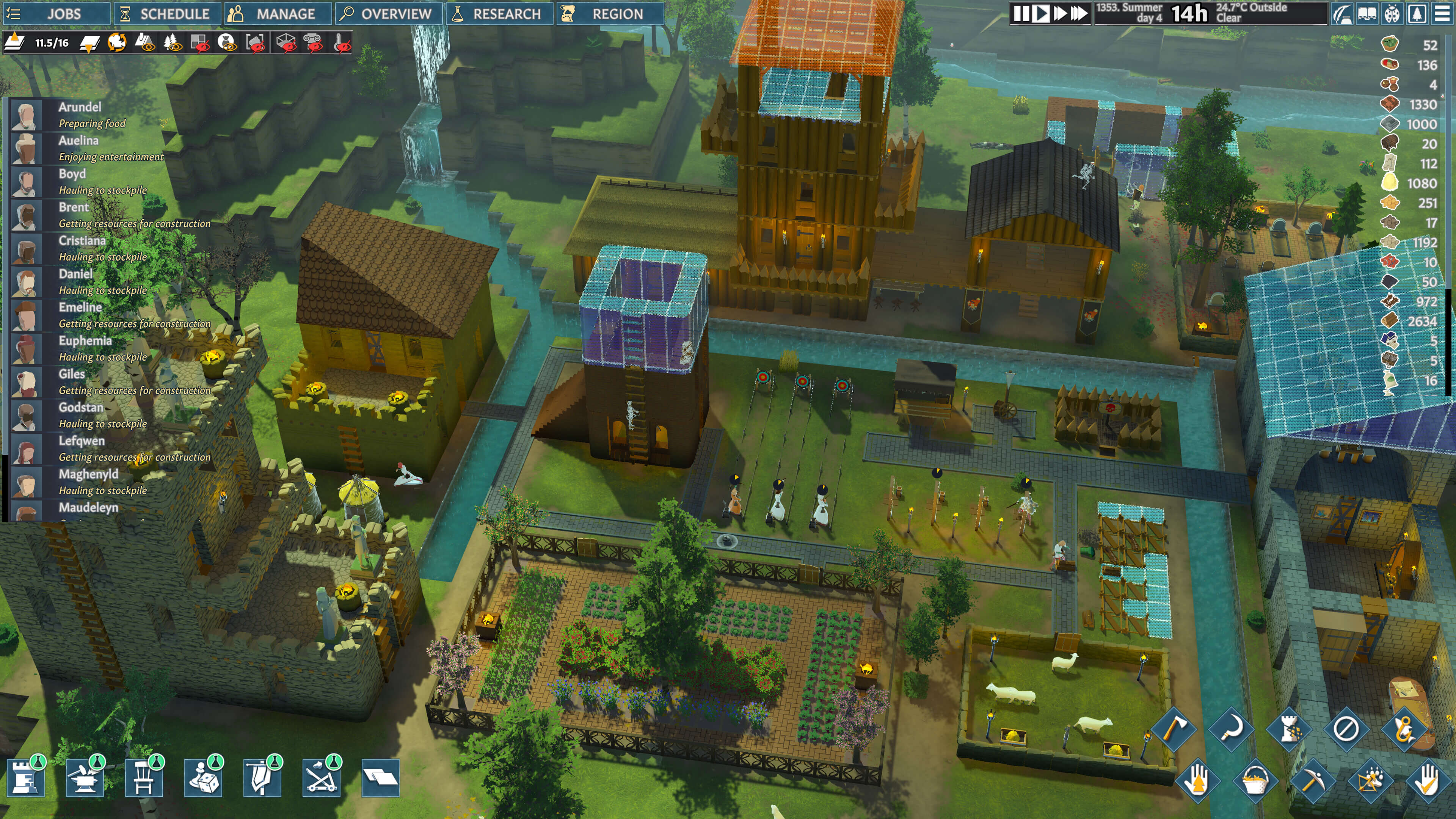
Going Medieval is a partial crossover case, which is exactly why it belongs here. It has a hands-on frontier feel, visible character needs, and defensive pressure that can remind players of survival games. But its real identity is still colony sim: build a functioning settlement, assign jobs, shape production, and survive through organization.
It fits best for players who want a more tactile, smaller-scale colony sim with an accessible 3D presentation. For many players, this is easier to read than denser colony sims, especially if they want survival flavor without giving up settlement management.
The tradeoff is that it may feel in-between. If you want the full intensity of direct survival, it is too indirect. If you want the extreme systems complexity of genre heavyweights, it may feel lighter.
The Wandering Village
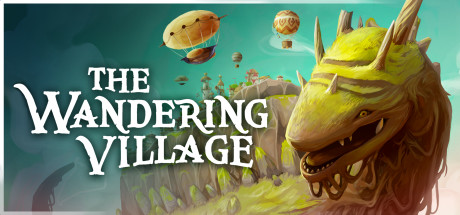
The Wandering Village is a clean example of how settlement management and survival overlap without becoming a first-person survival game. You manage a colony on Onbu’s back — housing, food, jobs, and layout — while the creature’s health and the poisoned world create survival pressure that never fully leaves.
It still plays as a colony/settlement management game: you set systems and priorities rather than controlling one survivor minute to minute. The survival flavor comes from the living map and scarce resources, not from twitch combat or personal scavenging loops.
That makes it useful for this comparison. If the game gets better as you stabilize production and creature care together, it leans colony sim. If you mainly wanted to be the survivor on foot, it will feel too managerial.
Which type of player will enjoy these most
Choose colony sims if you want to:
- manage multiple people instead of controlling one survivor
- solve bottlenecks, layouts, labor issues, and supply chains
- think in days, seasons, or long campaign arcs
- enjoy failure that comes from interacting systems
- trade direct action for planning depth
Choose survival games if you want to:
- control your character directly moment to moment
- feel danger through combat, movement, and immediate scarcity
- improvise often instead of setting long-term priorities
- focus on the next 10 minutes more than the next in-game year
- get tension from execution, not just planning
A real judgment call here: if your favorite part of a harsh game is recovering from bad logistics, colony sims will probably keep you engaged longer. If your favorite part is escaping danger with barely enough supplies, survival games are the cleaner fit.
What matters most when picking your next game
Do not choose based only on shared features like crafting, hunger, or weather. Those mechanics show up in both genres and can hide the real difference colony sim or survival players care about.
Instead, look at these four questions:
How much direct control do you want?
This is the biggest separator. If you want your own inputs to decide every close call, go survival. If you want to set systems in motion and react to outcomes, go colony sim.
Do you want crisis management or system design?
Both genres have crises. The difference is what solves them. Survival games usually reward immediate action. Colony sims reward infrastructure, policy, and good planning before the crisis appears.
How much complexity are you actually in the mood for?
Many players bounce between both because the mental load is different. Colony sims are often better when you want to sit with a system and optimize it. Survival games are better when you want urgency without tracking twenty interacting settlement variables.
Do you want a personal story or a settlement story?
That is a simple but useful filter. Survival games tend to create stories about you. Colony sims tend to create stories about what happened to the colony.
A good mouse for long colony sim sessions
For colony sims in particular, comfort and easy access to extra inputs matter more than flashy features. The Razer Basilisk V3 Pro makes sense here because these games often mean long sessions, lots of camera movement, and frequent command inputs.
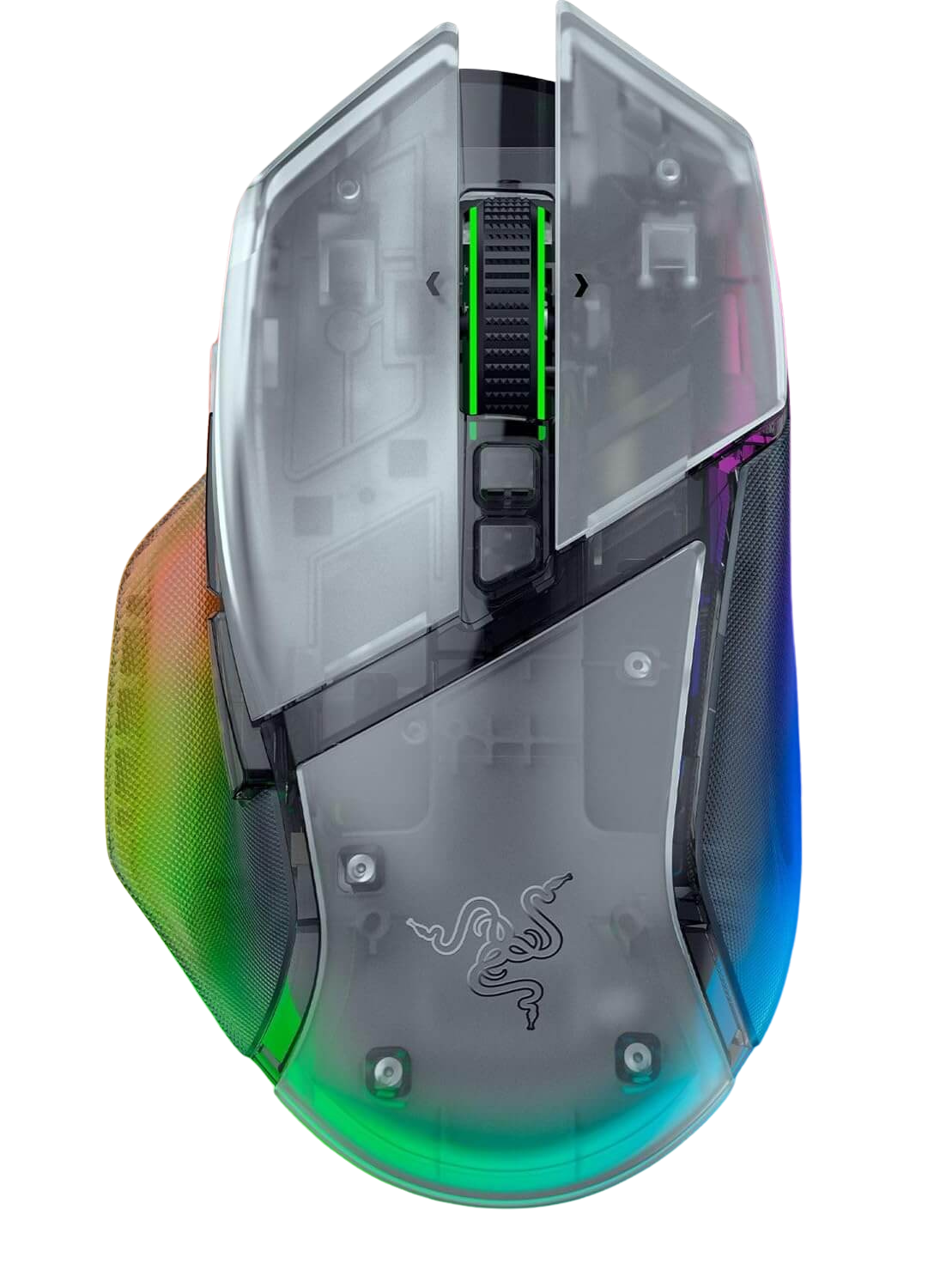
Razer Basilisk V3 Pro
Comfortable shape, extra buttons, and smooth scroll for long colony sim sessions.
FAQ
Is a colony sim basically just a survival game with more people?
No. That is part of the confusion, but the player role changes too much for that to hold up. A colony sim is mostly about directing systems and group priorities, while a survival game is usually about direct control and immediate personal risk.
Can a game be both a colony sim and a survival game?
Yes, partially. Some games borrow heavily from both sides, especially when settlements face harsh environmental pressure. But one loop usually dominates. The useful question is not "does it have survival elements?" but "what does the game mainly ask me to do?"
Are colony sims slower than survival games?
Usually, yes, but not always easier. Colony sims often move at a broader planning pace, yet they can be more mentally demanding because several systems fail at once. Survival games are often faster and more physical in their pressure.
Which is better for beginners?
That depends on what kind of friction you tolerate better. If you prefer direct learning through action, survival games can be easier to read. If you like pausing, planning, and understanding system cause-and-effect, a colony sim may actually be the smoother entry point.
Why do players switch between both genres?
Because they scratch different moods. One gives you management depth and long-term control. The other gives you immediate tension and hands-on problem solving. A lot of players want both, just not on the same night.
Takeaway
The colony sim vs survival game choice is really about where you want the pressure to live: in your settlement systems or in your next few actions. If you want planning, delegation, and long-term colony stability, pick a colony sim. If you want direct danger, improvisation, and short-term survival tension, pick a survival game.