Best Factory Puzzle Games for Optimization Over Sprawl
Factory games for players who want tight bottlenecks and elegant layouts instead of endless megabase sprawl. Eight picks ranked by puzzle purity.
The best factory puzzle games are for players who care less about building the biggest base and more about making one ugly bottleneck disappear. A working layout is fine. A cleaner layout is the real reward.
This list is aimed at players who enjoy throughput, routing, and production-chain logic but want problems that stay legible on one screen. Expect automation puzzle games, compact factory sims, and a few partial fits that only qualify because their logistics pressure serves the puzzle.
Quick take
The useful question here is not "how big can this get?" It is "how quickly can I see the problem, rebuild the design, and make the system cleaner?"
Start here:
- Best pure machine puzzle: Opus Magnum
- Best clean modern automation puzzle: Shapez 2
- Best minimalist entry point: Shapez
- Best throughput management puzzle: Production Line
- Best factory logic under pressure: Mindustry
- Best programmable logistics pick: Desynced
- Best relaxed flow optimization: Factory Town
- Best boundary case for scale-heavy players: Factorio
The picks
Ordered by puzzle purity, iteration speed, bottleneck readability, and how satisfying it is to rebuild a design just because the old version felt wasteful.
Opus Magnum
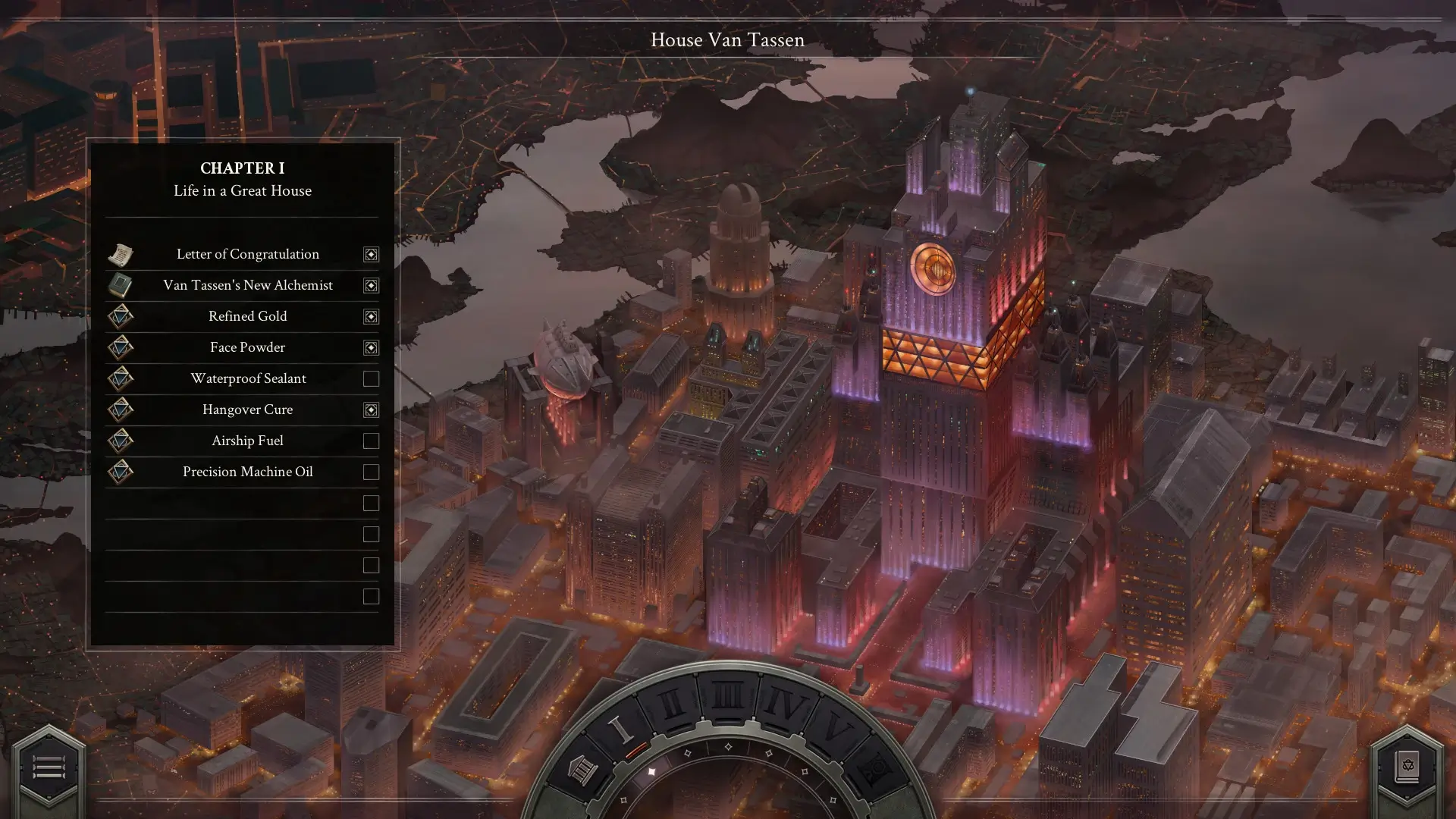
Opus Magnum is the purest fit here because every arm, track, rotation, and timing choice is deliberate. It is not a sprawling factory sim. It is a set of open-ended machine-design problems where the factory satisfaction has been compressed into a single elegant mechanism.
That suits players who want measurable optimization without resource mining, map expansion, or defensive interruptions. You can solve a puzzle, then solve it again for speed, cost, or area — or just because the first solution looks embarrassing once you understand the system properly.
Be aware that it is hard in a specific way. It asks you to enjoy staring at a machine and seeing waste in its timing. If what you actually want is belts, extraction, and long production chains, this can feel closer to engineering homework than to a factory game. For puzzle-first systems players, that is exactly the point.
Shapez 2
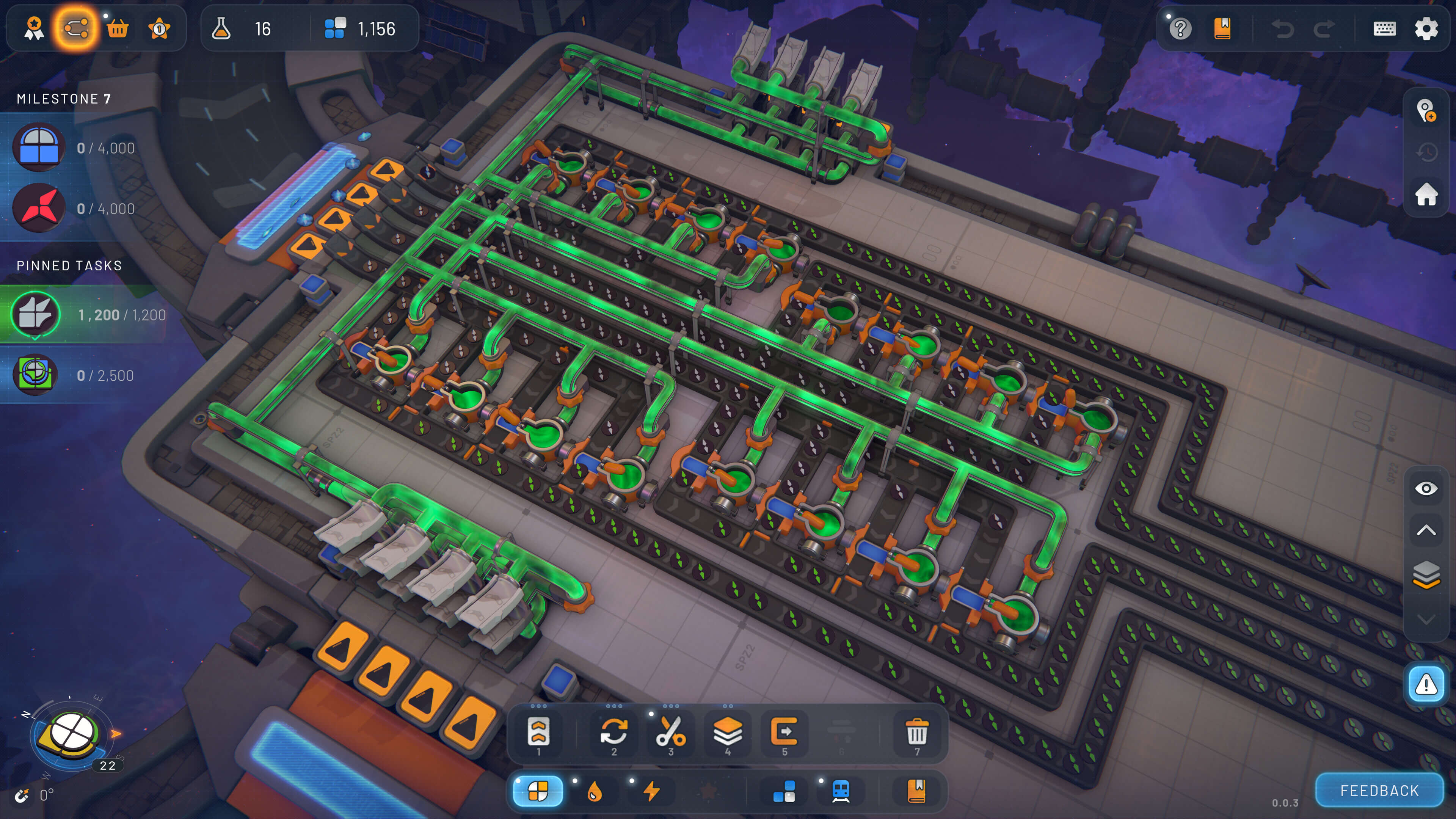
Shapez 2 scratches the blueprint-brain itch without asking you to manage combat pressure, mining outposts, or a giant main bus. The focus stays on processing shapes, routing outputs, and building modular layouts that are easy to inspect and improve.
It is one of the strongest optimization factory games for players who want scale but not mess. Vertical expansion gives the production logic room to breathe, while the minimalist presentation keeps bottlenecks readable. When a line fails, you can usually see why. That matters more than it sounds.
The catch is tone. The abstract style can feel sterile if you need survival pressure, an economy, or a stronger world around the machinery. This is production logic first, flavor second.
Shapez
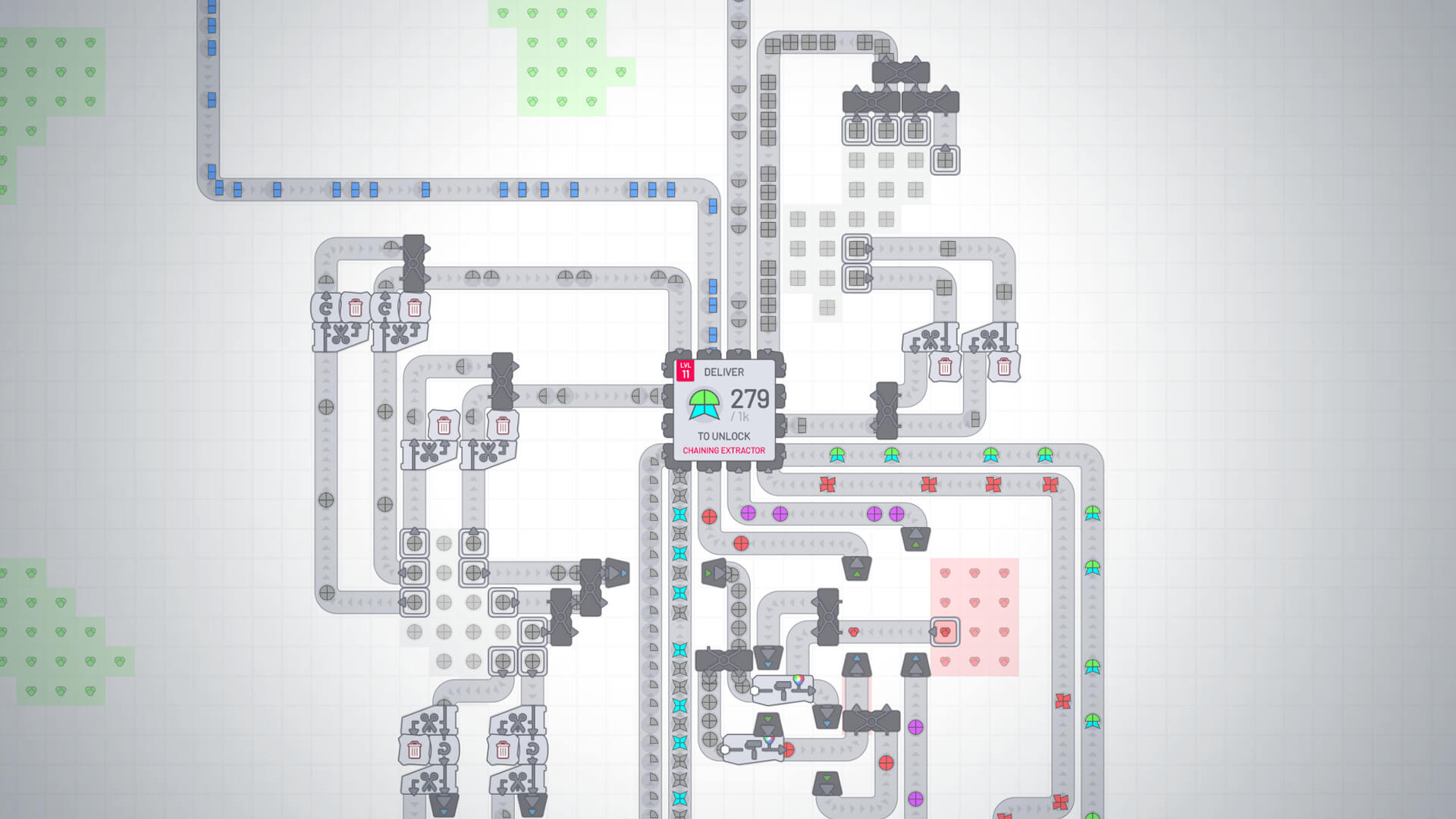
Shapez is the cleanest on-ramp into factory puzzle thinking. It strips automation down to slicing, coloring, stacking, routing, and scaling geometric shapes. No survival layer gets in the way. No colony asks for attention. The game is simply about whether your belts and processors are doing the job efficiently.
The early curve is forgiving, but the layout questions still bite. You can build a solution quickly, spot the waste, and rebuild without feeling like you are tearing down an empire to do it.
Depth is the limit. Shapez is elegant and also intentionally narrow, so if you want a heavier campaign, more spatial complexity, or a stronger sense of progression, it starts to repeat itself. As a pure belt-logic exercise, it still earns its place.
Production Line
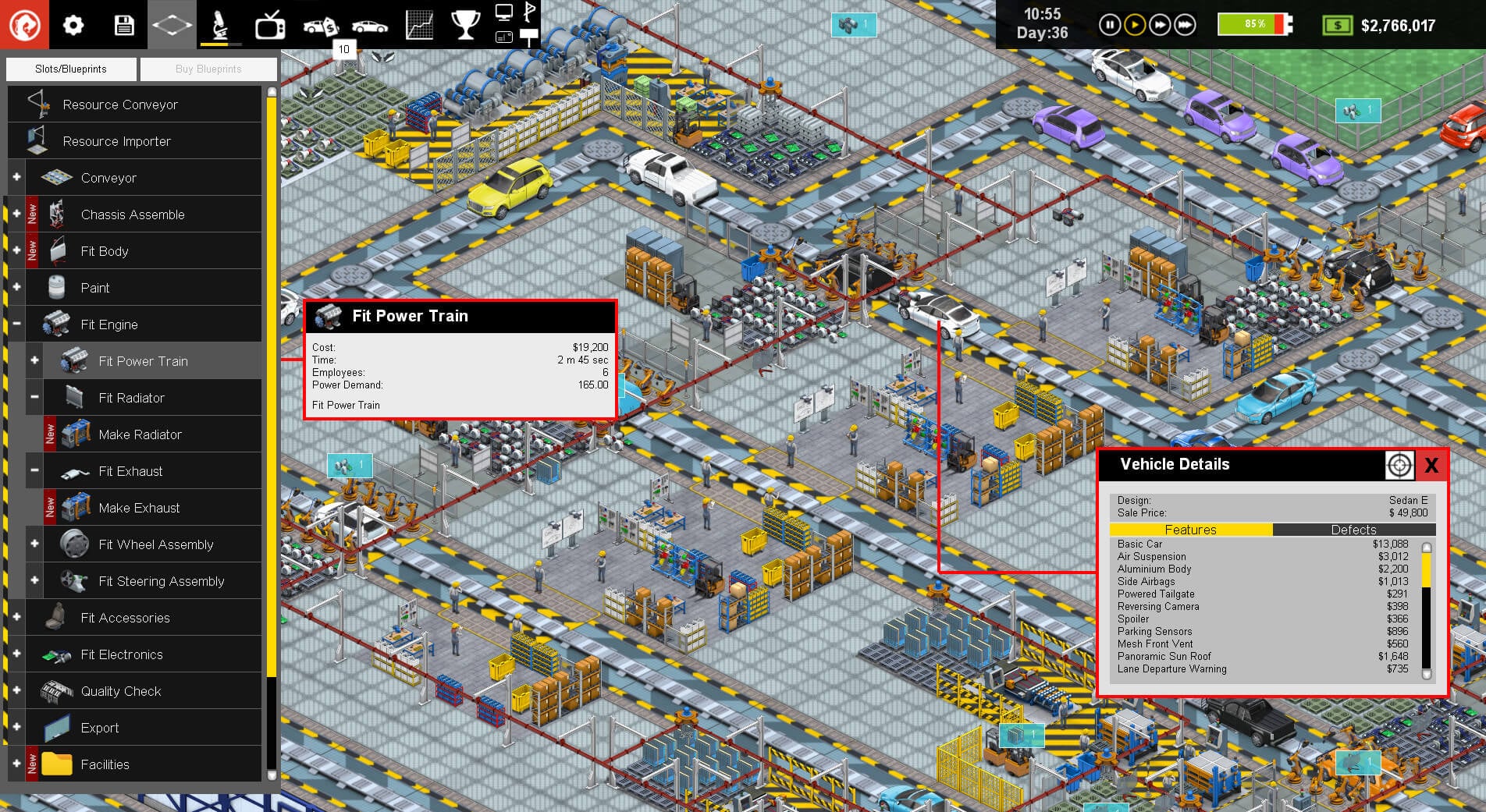
Production Line is a useful reminder that adding machines often creates more queues rather than more throughput. It is less about conveyor artistry and more about sequencing, capacity, staffing, and the ugly reality of an assembly floor where any station can become the next choke point.
Its puzzle is managerial rather than abstract. The question shifts from "can I route this item correctly?" to "where is the system actually losing time?" That makes it a strong fit for players who enjoy optimization but want something closer to industrial process design than minimalist belt logic.
Skip it if you need the tactile satisfaction of belts snapping into perfect patterns. This is a management-heavy sim, and its replayability depends entirely on how much you enjoy tuning production flow. For the right player, the queue is the puzzle.
Mindustry
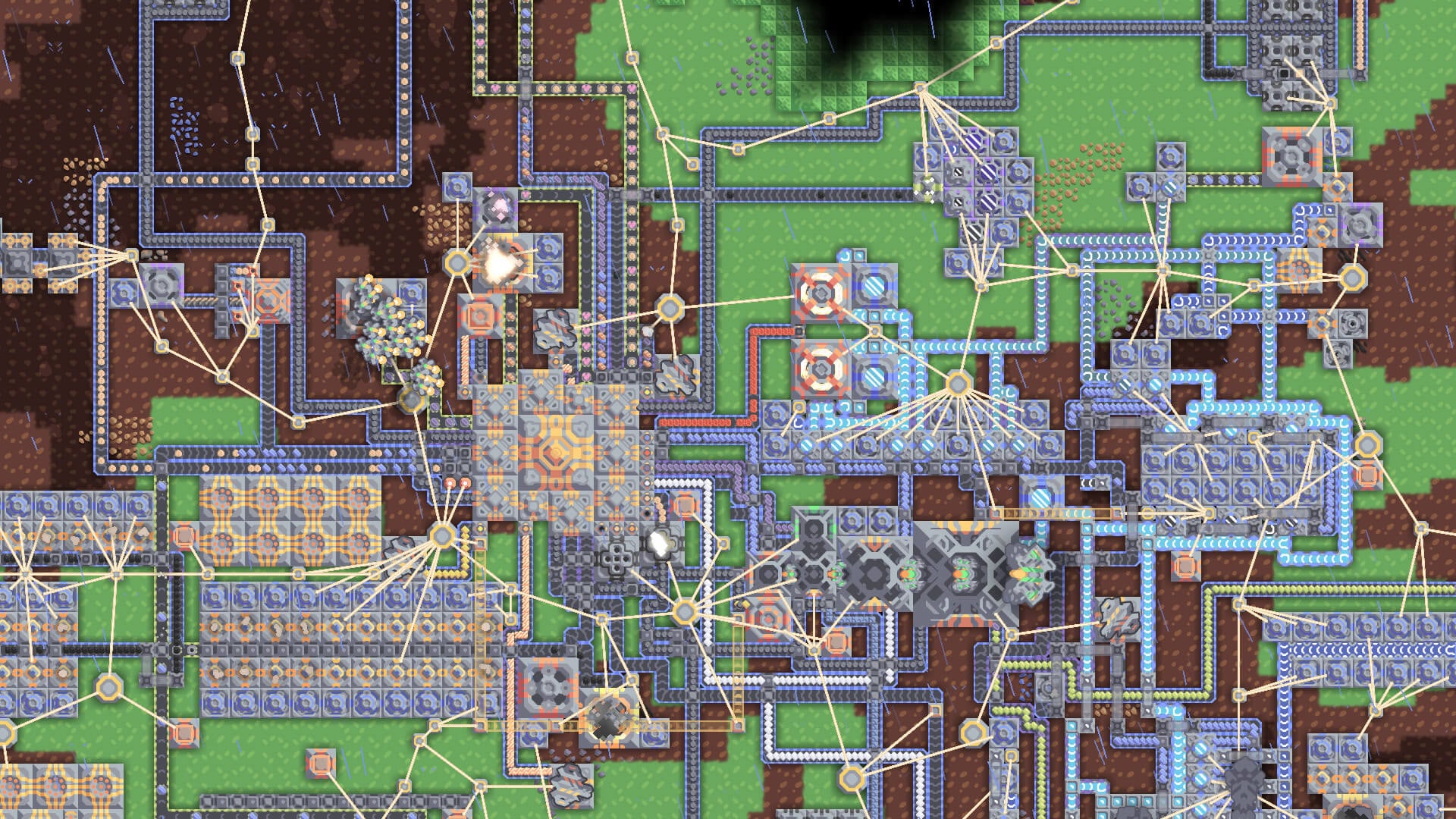
Mindustry only belongs in this conversation if you like watching elegant conveyor logic get stress-tested by incoming waves. It is a factory-defense hybrid, so the production network is not just chasing a target number. It has to feed the fight.
That pressure creates a different optimization loop. A clean supply line is not merely prettier; it keeps the defenses firing. Transport, placement, and throughput all matter because failure has immediate consequences. If pure puzzle sandboxes feel too calm to you, this adds the urgency they lack.
The cost is obvious: combat interrupts the tidy rebuild loop. If your favorite part of factory games is pausing to refine a layout until it looks inevitable, Mindustry will feel too reactive. It fits when you want logistics puzzles with teeth, not quiet perfectionism.
Desynced
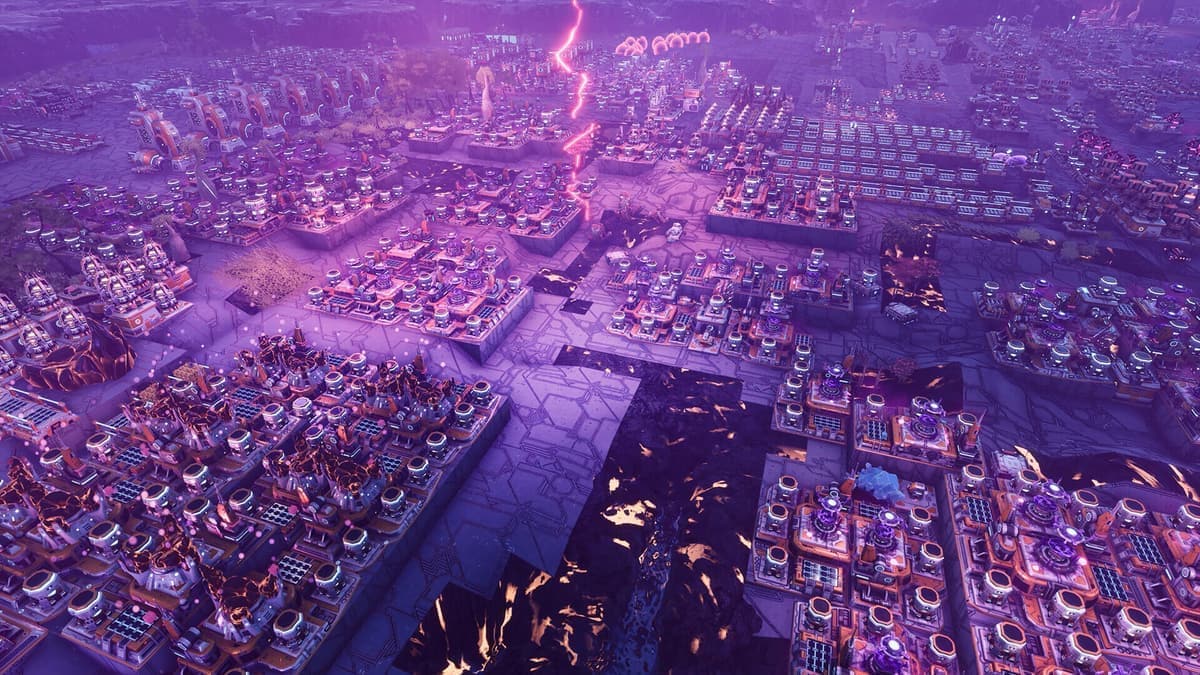
Desynced is a partial fit, but an interesting one. Its puzzle is built around programmable bots, networks, and adaptable logistics rather than fixed belts as the main event, which gives it more colony sim overlap than most picks here.
It clicks hardest if you enjoy behavior logic. Rather than only asking how items move through a static layout, Desynced asks how automated units should respond, route, produce, and adapt. For players who like solving systems through rules instead of geometry, that is a genuine alternative to traditional belt puzzles.
Readability is the friction. Programmable logistics are powerful but rarely as instantly legible as a belt backing up in Shapez or a wasted arm cycle in Opus Magnum. If you want compact visual bottlenecks, this will feel indirect. If you want automation that behaves like a programmable colony, it earns the slot.
Factory Town
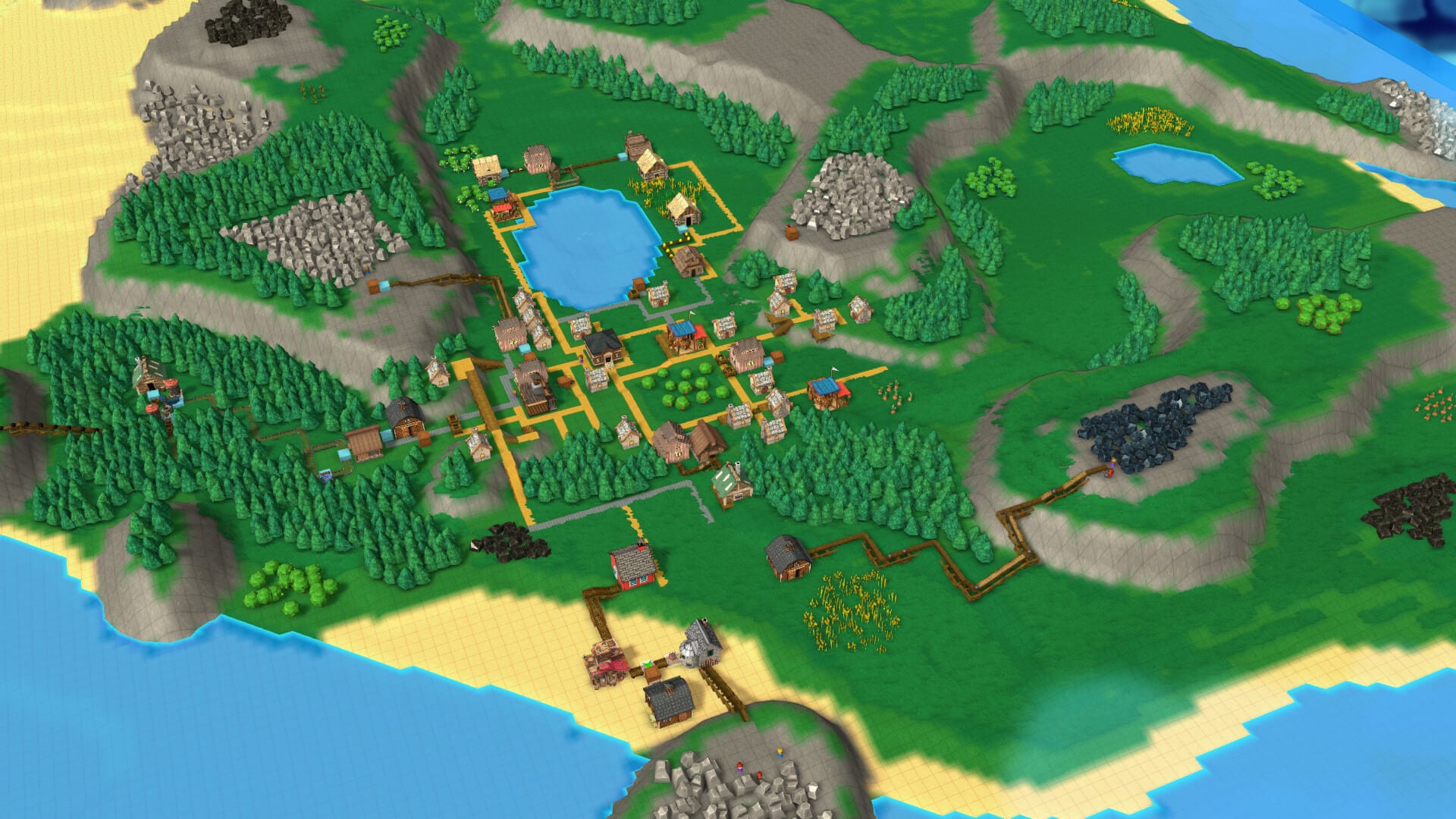
Factory Town is the relaxed pick. There are villagers, conveyors, magic logistics, and a cozy tone, but the real appeal is flow optimization. You are still thinking about supply chains, routing, and production growth. The pressure is just softer.
That makes it a good choice when you like the logic of factory games but do not want every session to feel like a stress test. It is approachable, readable, and more forgiving than the harder picks, and there is still real satisfaction in getting the town's production moving smoothly.
Purity is the tradeoff. If you want strict scoring, compact machine constraints, or brutal efficiency tests, this will feel too gentle. It works best as factory thinking in a cozy sandbox.
Factorio
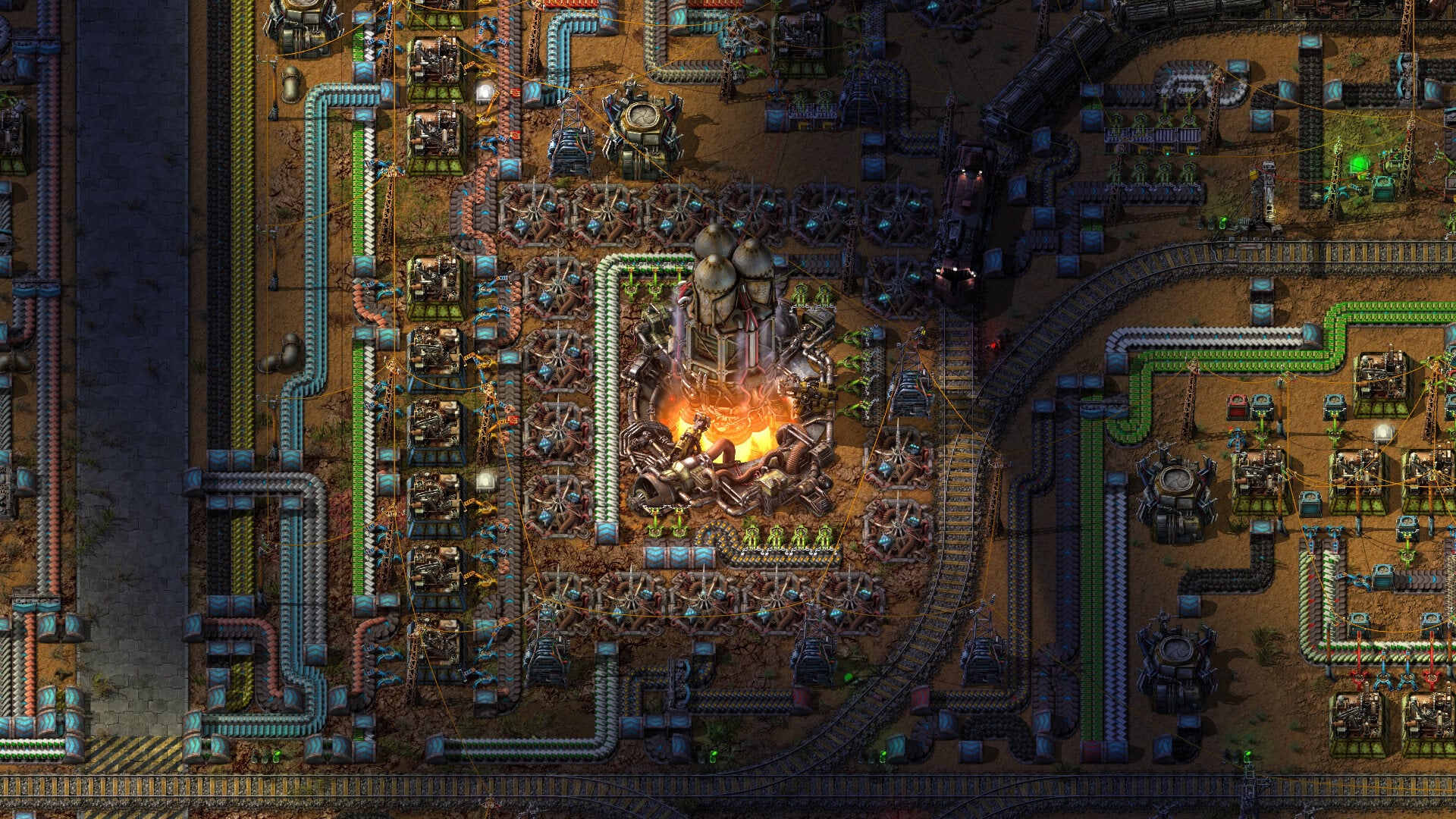
Factorio is the boundary case. It is the benchmark for belts, trains, blueprints, throughput, and expansion — and also exactly the kind of sprawl-heavy factory game some readers are trying to avoid.
It belongs here because its local problems remain excellent puzzles. A backed-up belt, an underfed production block, a train bottleneck, or a bad layout all produce the same "one more rebuild" impulse that drives the best automation games for puzzle fans. If you enjoy large-scale logistics and do not mind the factory growing past compact design, it stays deeply rewarding.
Take the warning seriously, though. Factorio is expansive and pulls hard toward megabase thinking, and combat pressure changes the rhythm on top of that. If you came here specifically to avoid scale creep, start with Opus Magnum, Shapez 2, or Shapez and come back to this one later.
Who these factory puzzle games are really for
The common mistake is picking the most complex game when what you actually want is the fastest cleanup loop. Complexity is not the same thing as a better puzzle.
Choose by the kind of optimization you enjoy:
- Pick Opus Magnum if you want compact machine design where every movement matters.
- Pick Shapez 2 if you want clean scalable automation without much genre noise.
- Pick Shapez if you want the most direct belt-logic entry point.
- Pick Production Line if queues, capacity, and process timing sound more interesting than abstract shapes.
- Pick Mindustry if logistics under attack sounds motivating rather than annoying.
- Pick Desynced if programmable bots and network behavior are the puzzle you want to solve.
- Pick Factory Town if you want flow optimization with low pressure.
- Pick Factorio if you still want the big factory game, but plan to focus on local bottlenecks instead of endless expansion.
How to choose without buying the wrong kind of factory game
Four practical questions.
First, do you want compact constraints or open-ended scale? Opus Magnum is the tightest answer, Factorio the largest, and Shapez 2 sits in the useful middle.
Second, do you want the bottleneck visible at a glance? Shapez and Shapez 2 are strongest here. Production Line is readable too, but in a managerial way. Desynced is the most abstract, because its logic lives in bot behavior rather than on the floor.
Third, how much pressure do you want? Mindustry and Factorio both include combat. Factory Town mostly avoids that edge. Opus Magnum applies pressure through optimization scoring instead of enemies or scarcity.
Finally, decide whether you enjoy rebuilding for beauty. If you are the kind of systems player who will spend an evening shaving one belt, arm, or production step off a working layout because the old solution felt ugly, Opus Magnum and Shapez 2 should sit near the top of your list.
One compact pick for optimization-first players
If you want the clearest version of a factory puzzle game, start with Opus Magnum. It keeps the focus on intentional machine design and rewards rebuilding until the solution feels clean.
A practical desk upgrade for layout-heavy sessions
Compact factory puzzles reward precise belt, arm, and routing work. A large mouse pad keeps that rebuild loop consistent across long optimization sessions.
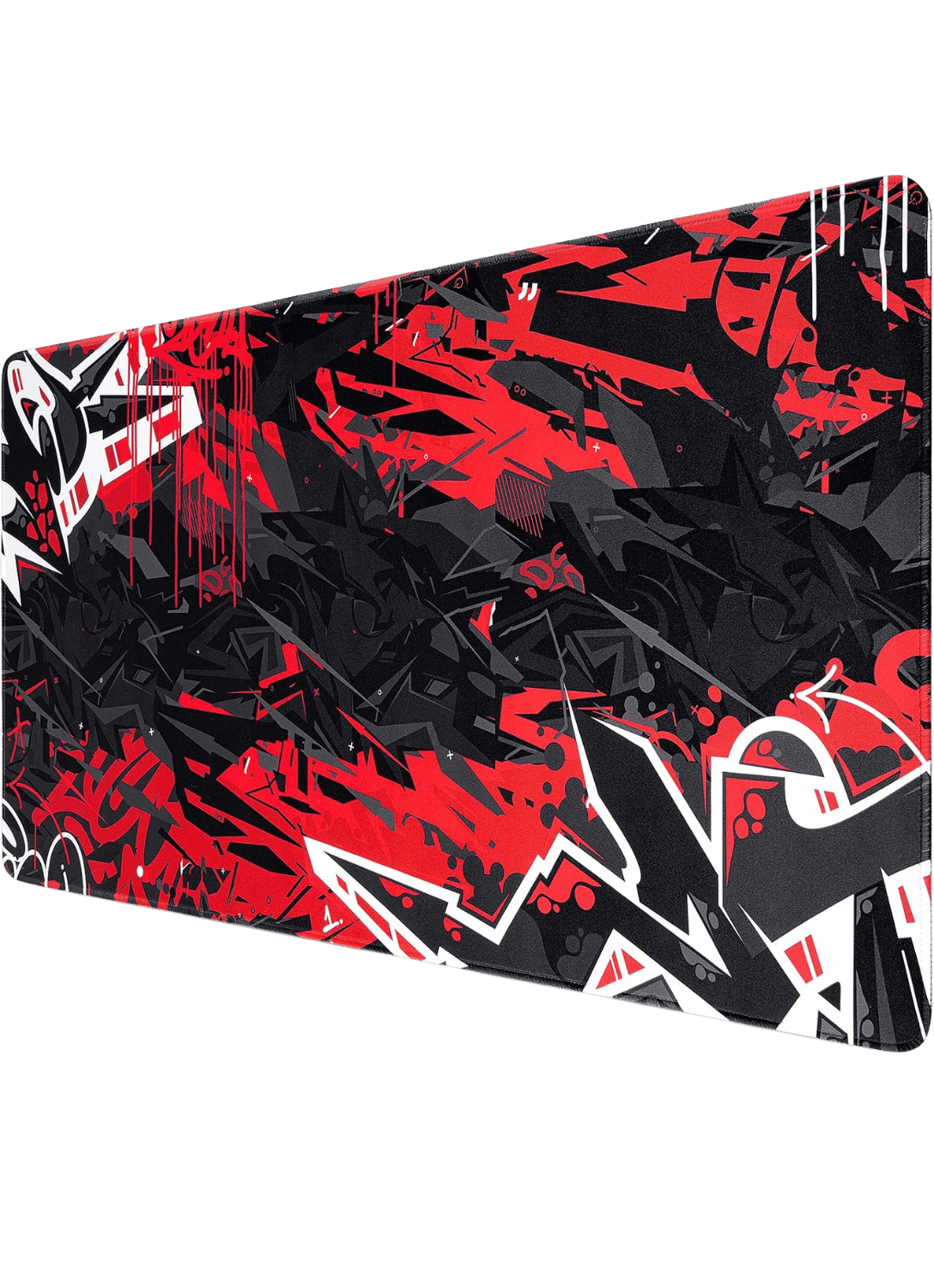
Canjoy Gaming Mouse Pad
Desk-size pad for more room and smoother mouse travel in long strategy sessions.
FAQ
What makes a factory puzzle game different from a larger factory sim?
A factory puzzle game usually emphasizes compact optimization, readable bottlenecks, and fast iteration. A larger factory sim tends to add expansion, extraction, combat pressure, economy, or long-form logistics on top.
What is the best starting point for games like Shapez?
Shapez itself is the simplest entry. Shapez 2 is the better pick if you already know you want more scale and modular layout planning.
Which game is closest to Opus Magnum?
Opus Magnum is the sharpest version of that style in this list. If you want similar satisfaction with more belt-based automation, Shapez 2 is the closest practical follow-up.
Should Factorio count as a factory puzzle game?
Partly. Its local optimization puzzles are excellent, but the game is also built around expansion and scale. It belongs as a boundary case, not as the cleanest answer for puzzle-first players.
Which pick is best if I do not want combat pressure?
Opus Magnum, Shapez 2, Shapez, Production Line, and Factory Town all keep the focus on optimization without defensive interruptions.
Takeaway
The best factory puzzle games are not always the biggest automation games. For compact, intentional optimization, start with Opus Magnum, Shapez 2, or Shapez. Move to Production Line if throughput management is the appeal, Mindustry if you want pressure, and Factorio only if you are comfortable with scale pulling the puzzle outward.