Best Automation Games With Programmable Robots and Machines
A hands-on roundup of automation games where the puzzle is teaching bots, scripting behavior, or designing machines — not just placing more belts.
Most automation games reward you for laying down more infrastructure. These four reward you for teaching a system how to work: recorded routines, behavior scripts, machine choreography, or factory logic that has to keep running while something tries to knock it over.
They fit players who have already seen a belt bus and want more control over worker behavior, reusable scripts, routing rules, or programmable machines. The tone ranges from cozy colony work to factory defense, but the shared test is the same: can you replace your own hands with a system that does not need you standing there?
Quick take
- Best for teaching worker routines: Autonauts
- Best for flexible bot networks: Desynced
- Best for compact machine design: Opus Magnum
- Best for automation under pressure: Mindustry
Control sits in a different place in each one. Autonauts puts it in instruction lists. Desynced puts it in bot behavior and networks. Opus Magnum puts it in a single machine. Mindustry puts it in supply lines — and, if you want it, in actual logic processors.
The picks
Autonauts
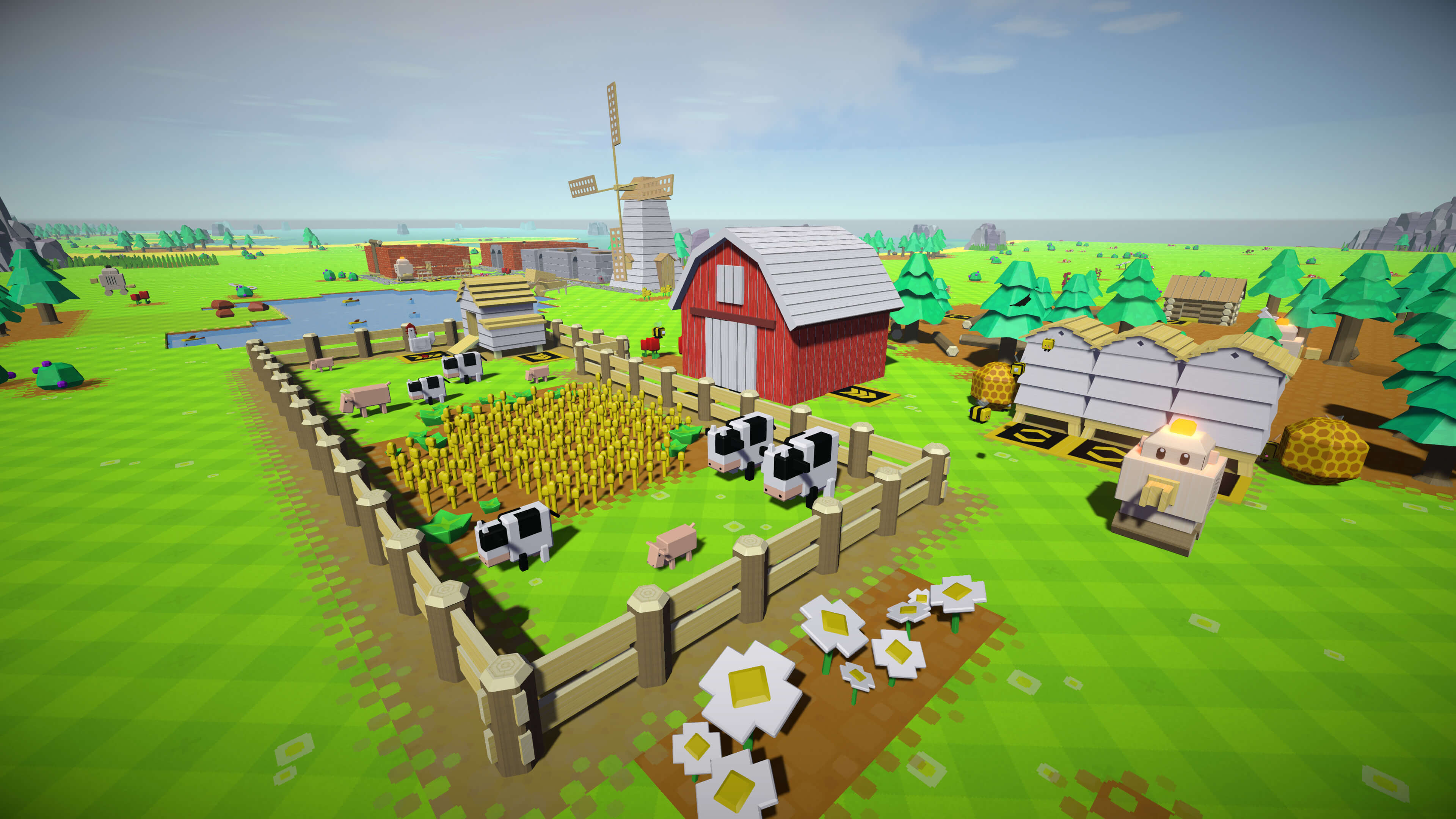
Autonauts is the clearest choice if you want robot programming to feel like managing a workforce. You record little bots doing farming, crafting, hauling, and colony work, then edit those recordings into routines the settlement can run on.
That loop fits players who enjoy breaking a job into simple steps and watching the colony take over. The tone is cozy, the onboarding is gentle, and the connection between an instruction and a result stays readable.
The friction is literalness. Bots do not forget, and they do not infer. Skip a step because it was obvious to you, and the chain stalls. The game feels less like laying out a factory and more like training workers who will only ever do exactly what you wrote down.
Choose Autonauts when the programming process itself is the activity you want. Skip it if you want dense production math, hostile pressure, or highly abstract machine optimization.
Desynced
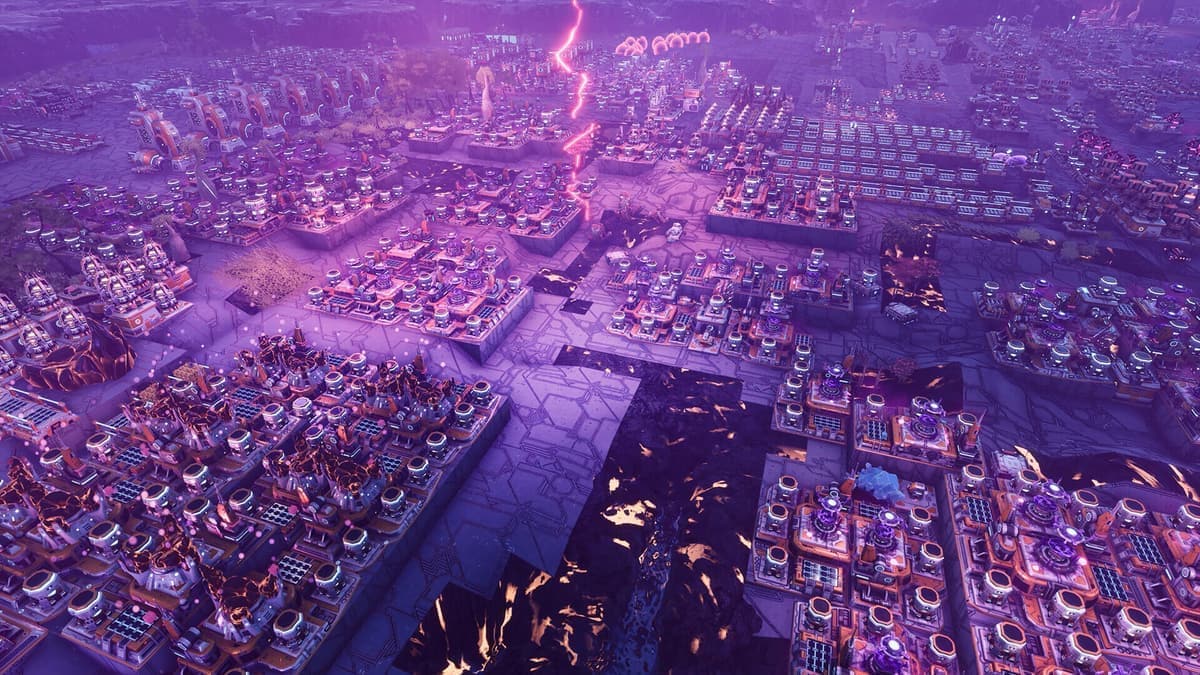
Desynced treats programmable bots as logistics tools, not a side puzzle. Behavior logic, component loadouts, and networks decide how the colony actually runs, which lets a good script do work that would otherwise mean a much larger fixed route.
This is the best fit if you already understand factory layouts and want units that can adapt instead of belts that only go one way. Co-op is real here, so it is also the pick for players who want to debug automation together.
The tradeoff is diagnosis. Desynced sits between a colony sim and a factory game, so there is more to track than bot behavior alone. When a system is poorly structured, the failure is harder to see than a backed-up conveyor.
Pick Desynced if you want programmable machines to shape the whole production network. It is a weaker fit if you want a tightly guided campaign or a small set of clearly bounded puzzles.
Opus Magnum
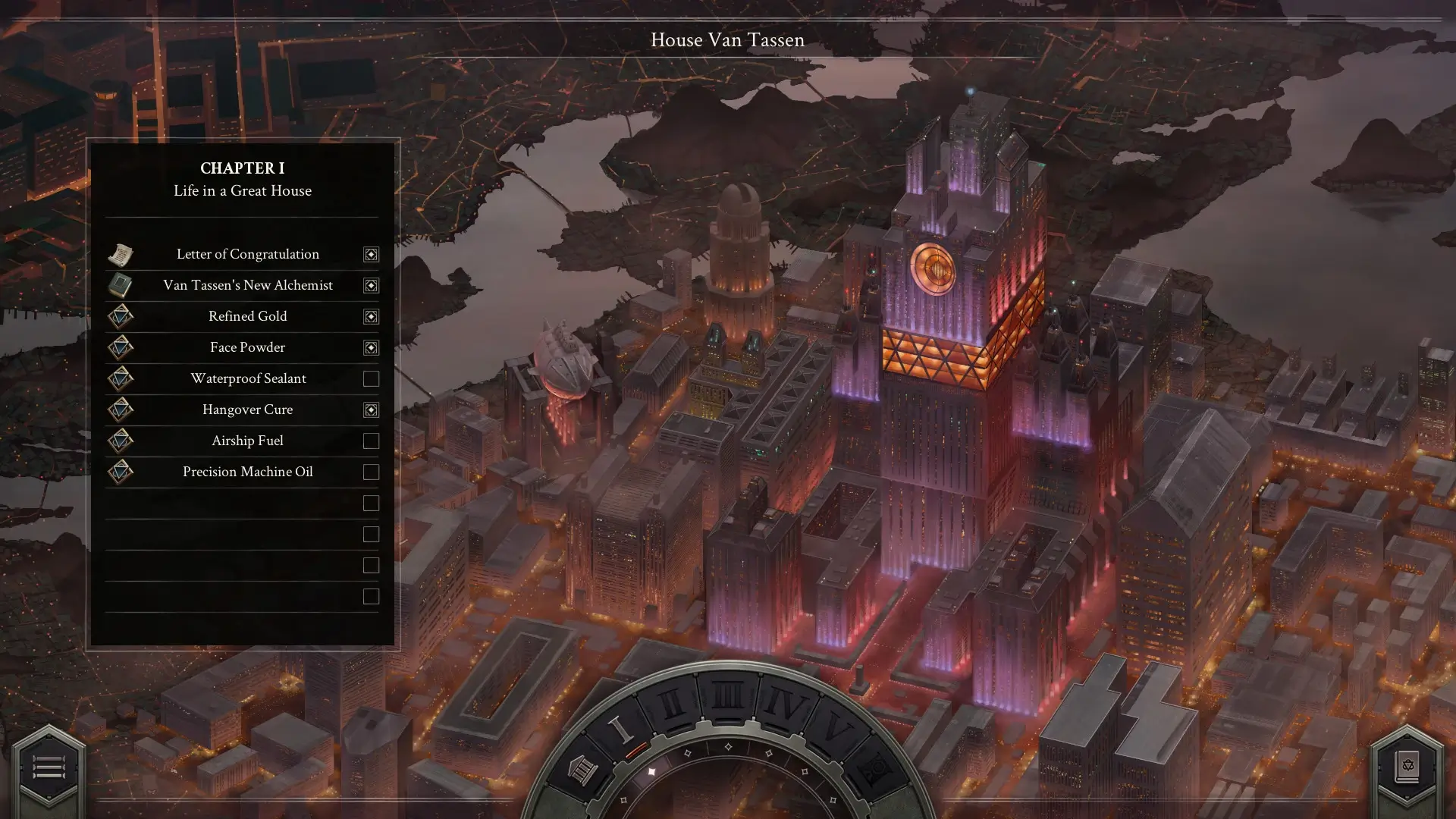
Opus Magnum does not need a persistent colony to create the same “one more optimization” trap. Each puzzle asks you to assemble a transmutation machine from arms, tracks, and specialized parts, then beat it on cost, speed, and cycles.
It suits players who care more about elegant machine design than long-term resource management. A working mechanism is only the first answer. Leaderboards and Workshop puzzles give you a reason to keep shaving movement off a solution that already functions.
The limitation is scope. There is no colony to grow, no logistics layer, and no workforce to manage. Difficulty is also high: a machine that technically works can still feel ugly if the motion is wasteful.
Choose it when you want compact, measurable machine design. Avoid it if your ideal automation game needs a persistent world or growing production chains.
Mindustry
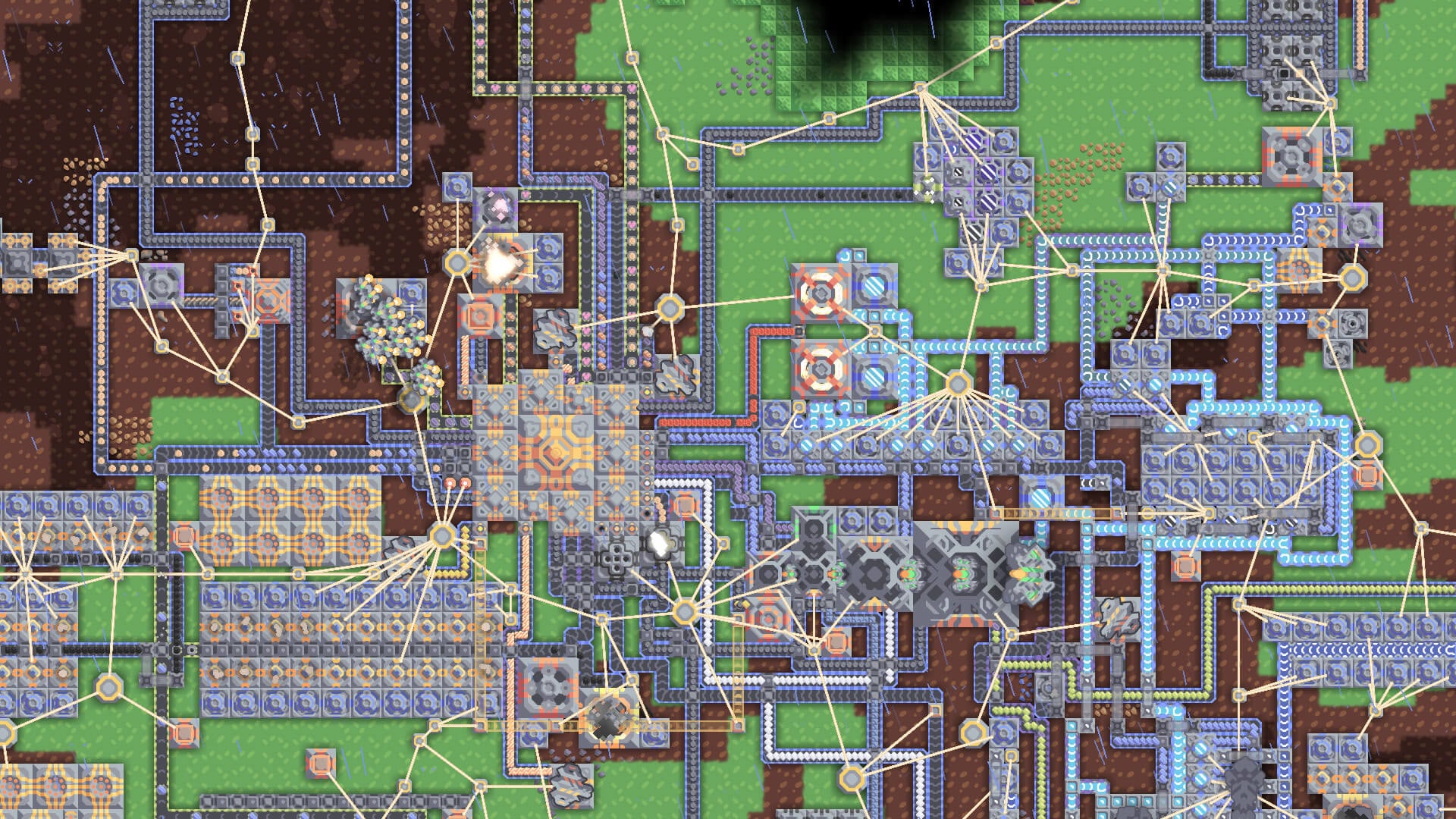
Mindustry belongs here for two reasons, and only one of them is obvious. The obvious one is factory defense: conveyors, ammo, power, and turrets share the same loop, so a pretty production line is worthless if it cannot feed the next wave.
The less advertised one is programming. Logic processors can control buildings and units with real instruction scripts. That is the honest reason this list is not just Autonauts, Desynced, and a puzzle game. Most players will still spend more time on belts and defense than on code. Treat the processors as optional depth, not the main pitch.
The cost is interruption. You often do not have time to rebuild a line cleanly, and the strongest solution is the one that works before the next attack. Players who want a calm programming sandbox will find the tower-defense layer distracting.
Mindustry is the right pick when automation needs an immediate reason to matter.
How to choose
Do not pick based on whether a game uses the word “automation.” Ask where you want the control to live.
- Readable instruction lists, gentle onboarding: Autonauts
- Behavior scripts across a whole production network: Desynced
- One machine, scored and rebuilt until it looks inevitable: Opus Magnum
- Supply lines that have to survive contact with the enemy: Mindustry
- Co-op: Desynced or Mindustry
- No persistent world, no colony chores: Opus Magnum
If you are new to robot programming games, start with Autonauts. If you already think in factory layouts and want bots to replace infrastructure, start with Desynced.
A comfort pick for long scripting sessions
Teaching bots and revising machines means long stretches of precise clicking, menu work, and rebuilds. A wrist rest is a small upgrade for that kind of session, especially on a full-size keyboard.
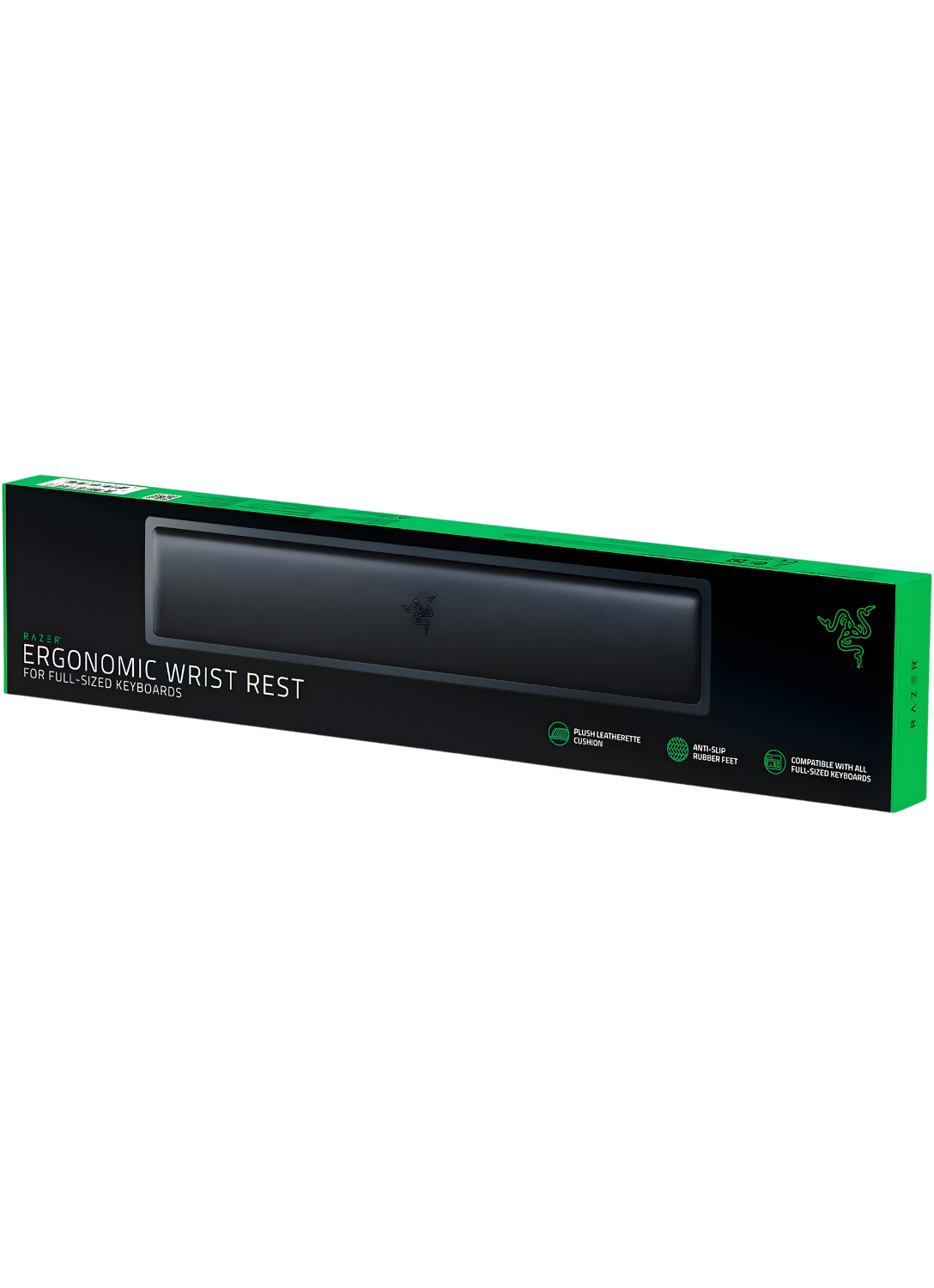
Razer Ergonomic Wrist Rest
An easy comfort upgrade for long keyboard-heavy factory sessions.
FAQ
Which game is best for beginners who want programmable robots?
Autonauts. The routines are visible, the tone is forgiving, and you can see an instruction fail in front of you. It is tedious more than it is hard, which is a better first lesson than a dense behavior graph.
Which game has the deepest programmable logistics?
Desynced. Scripts and networks can take over routing work that most factory games would solve with belts. It is also the least instantly readable, so the depth is real and so is the debugging cost.
Do all of these games actually involve programming?
Not in the same way. Autonauts and Desynced are built around teaching units what to do. Opus Magnum is spatial machine design with timing, not a scripting language. Mindustry is a factory-defense game first, with optional logic processors if you want actual code.
Which game is closest to a traditional factory game?
Desynced is the closest overall: production networks, logistics, and automation in one colony. Mindustry also has a strong factory loop, but tower defense sets the pace.
Takeaway
Pick the game that matches the kind of logic you want to debug. Autonauts is workforce routines. Desynced is adaptable bot logistics. Opus Magnum is a single machine under a score. Mindustry is production that has to survive the next wave.
Map size and factory scale matter less than that.