Best Logistics Games for Players Who Love Trains, Trucks, Belts, and Bottlenecks
Nine logistics games for players who would rather fix rail jams, supply chains, and factory throughput than build pretty skylines or rush into combat.
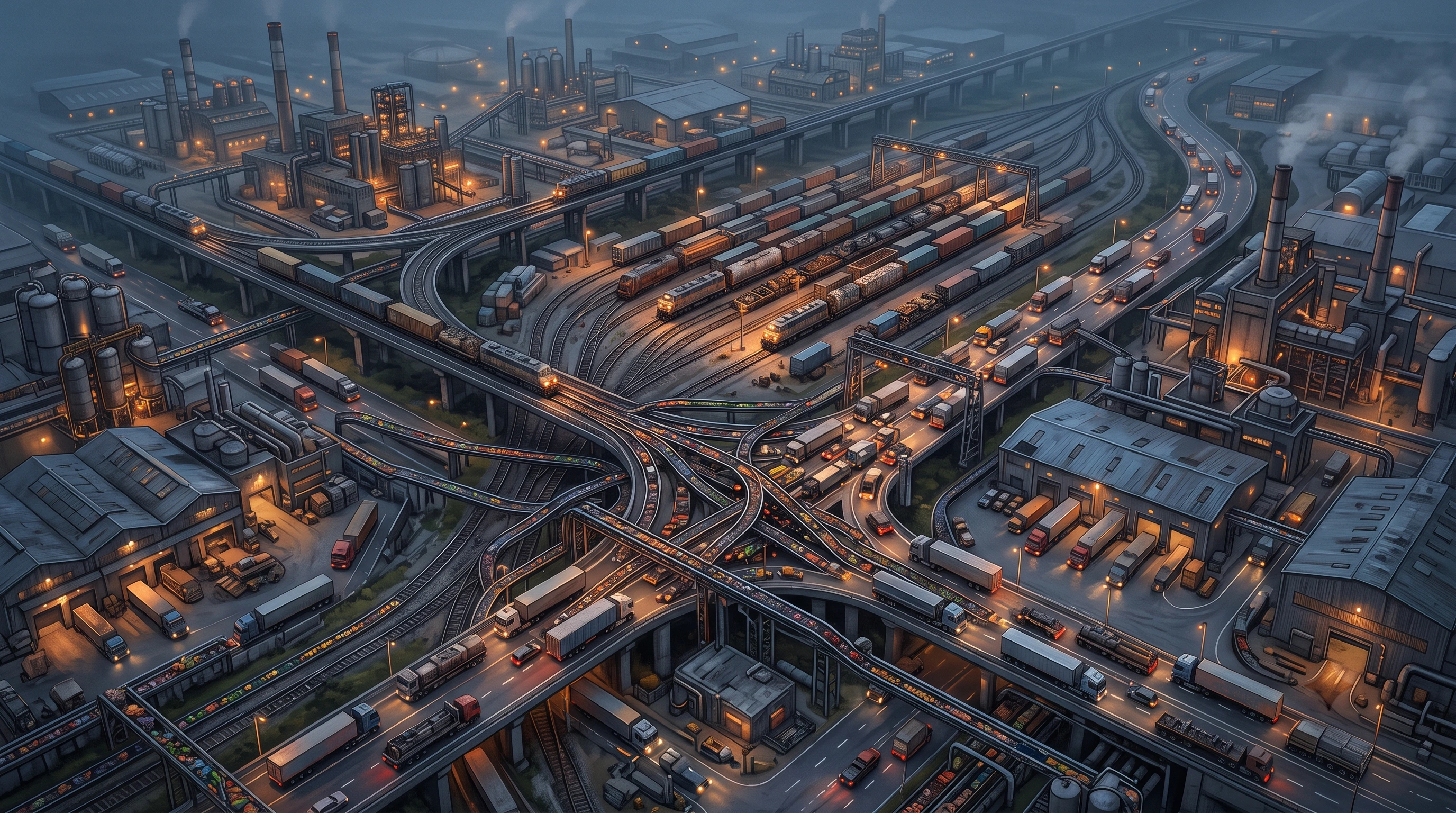
The best logistics games are for players who see a bottleneck and feel a project forming. Not a problem. A project. One missing input belt, one overloaded station, or one truck route quietly starving half the map can be more compelling than combat or decoration.
This list focuses on factory games, city builders, and colony sims where transport networks, production chains, and throughput are the main event. The picks are organized around the kind of logistics problem they make you obsess over: belts, trains, trucks, trade routes, traffic, planetary shipping, or full planned-economy infrastructure.
The best logistics games at a glance
| Game | Best for | Main logistics problem | Biggest friction |
|---|---|---|---|
| Factorio | Pure belt-and-train obsession | Ratios, rail flow, and factory scaling | Combat and a steep learning curve |
| Captain of Industry | Physical heavy industry | Trucks, terrain, storage, and bulk materials | Early mistakes can snowball |
| Workers & Resources: Soviet Republic | Hardcore infrastructure simulation | Labor, utilities, construction, roads, and rail | Extremely demanding |
| Anno 1800 | Trade-route production chains | Regional supply, demand, and shipping capacity | Less granular transport design |
| Anno 117: Pax Romana | Provincial trade networks | Multi-region needs, specialization, and shipping | Newer; less battle-tested than Anno 1800 |
| Dyson Sphere Program | Interplanetary scale | Planetary specialization and long-distance supply | Logistics can feel abstract |
| Satisfactory | 3D factory design | Vertical conveyor layouts and spatial planning | Large rebuilds take time |
| Oddsparks | Creature-powered logistics | Directing Sparks to carry, craft, and keep flow moving | Softer depth than belt megabases |
| InfraSpace | Traffic plus production | Delivering industrial goods through city traffic | Lighter simulation depth |
These games are not interchangeable. Some are about routing individual items. Others ask whether workers, fuel, heat, gravel, and rail access will arrive in the right order. Some are management games where the challenge is less about pathfinding and more about demand, timing, and capacity.
Factorio
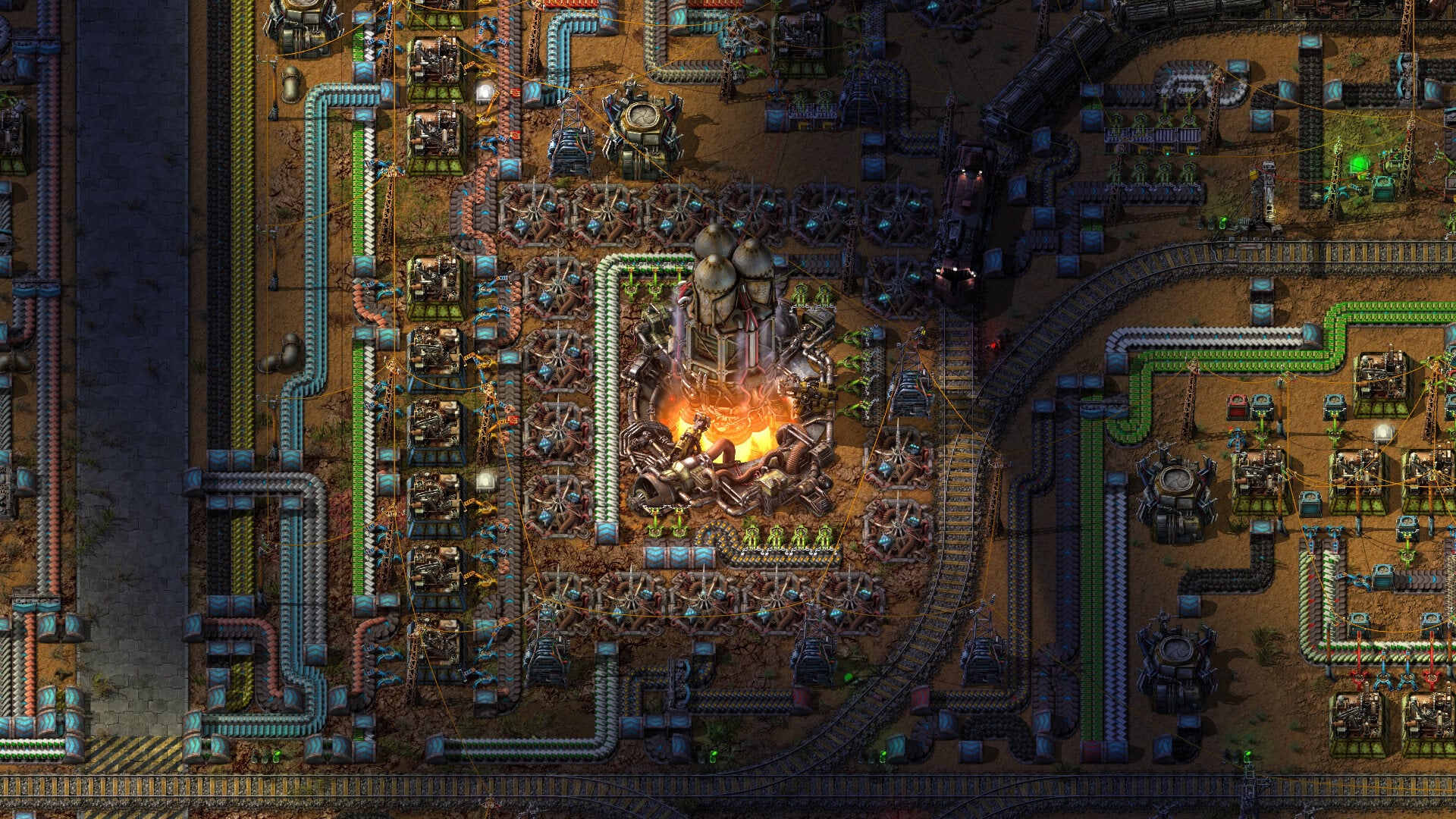
Factorio is the reference point for a reason: it makes logistics visible, readable, and cruel. Belts show where production is starving. Trains promise relief, then punish lazy signaling. The first time a four-way junction deadlocks, it becomes clear that the real boss fight is not the hostile planet. It is your own rail design.
Everything feeds the same pressure: can the factory keep scaling without collapsing into congestion? Extraction, refining, belts, trains, blueprints, and expansion are not separate systems. They are parts of one machine that constantly exposes its weakest link.
Factorio fits players who enjoy diagnosis. You can look at a stalled production line and ask whether the problem is input rate, output buffering, train scheduling, or bad layout discipline—and each answer leads to a different redesign. Rail is not just a convenience here. It becomes a logistics layer of its own.
Do not pick it if: you want a calm building game with minimal pressure. Combat can interrupt the optimization, and the industrial presentation values clarity over scenery. If you want to walk through a more expressive 3D factory, start with Satisfactory instead.
Captain of Industry
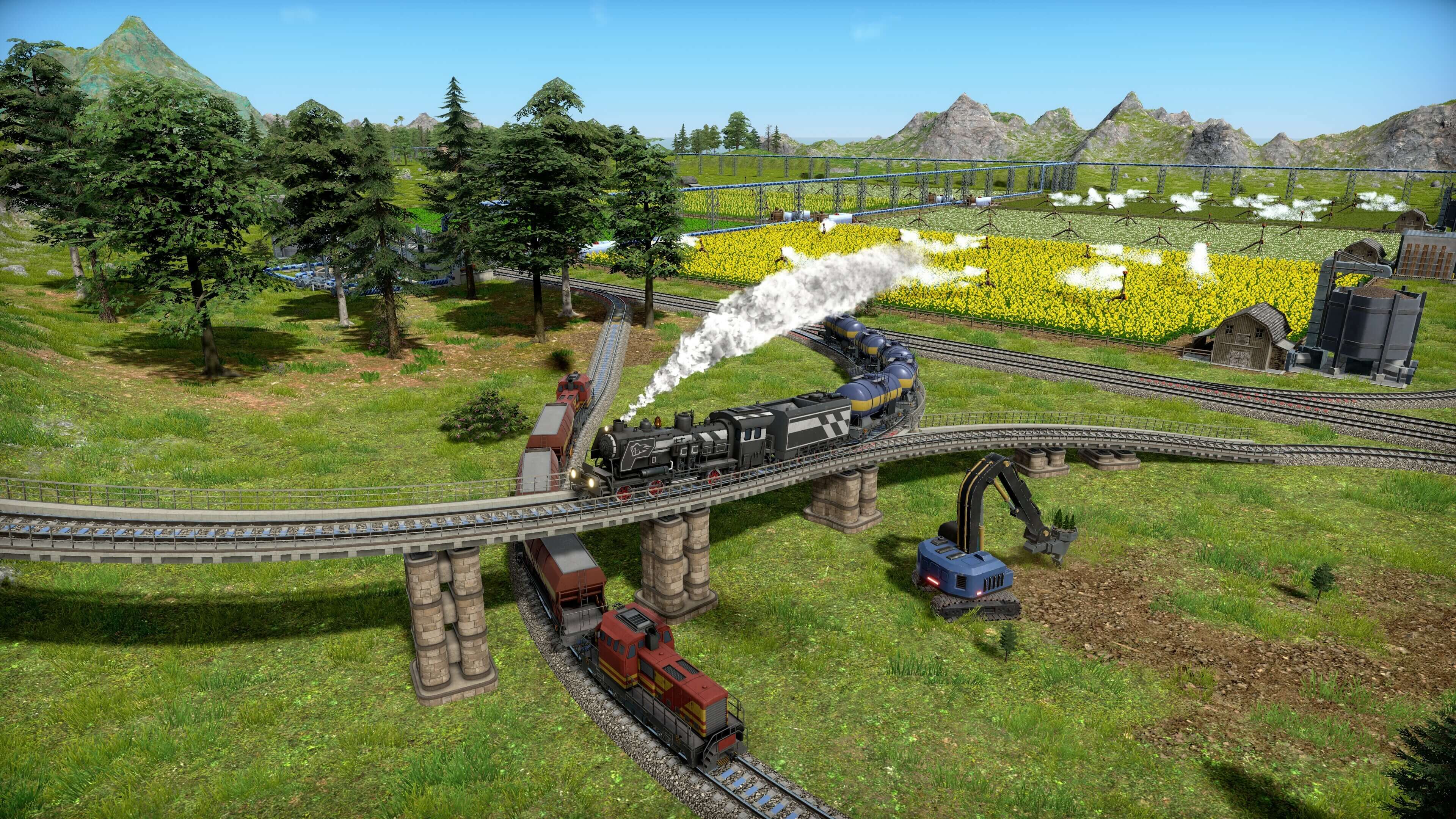
Captain of Industry makes logistics feel physical before it feels elegant. Ore piles occupy space. Excavators reshape terrain. Trucks waste time on bad routes. Loose storage matters. Ramps matter. The factory is not just a recipe graph waiting for belts; it is an industrial island where the ground itself becomes part of the supply chain.
The challenge is not only producing enough iron, fuel, food, or construction parts. It is moving bulk material through a living industrial colony without letting one hidden shortage trigger a wider collapse. Your mining site, dump area, truck fleet, storage buffers, refinery placement, and settlement needs all compete for the same space and resources.
This is the strongest fit if you want logistics with weight. Factorio turns many problems into belt throughput and rail flow. Captain of Industry asks whether the mine can be reached, whether the trucks can keep up, and where the waste should physically go.
Do not pick it if: you want clean conveyor puzzles from the first hour. Its truck-heavy, terrain-heavy opening is messy, and early mistakes may only become obvious once the economy is already strained. For the right player, that delayed consequence is the appeal.
Workers & Resources: Soviet Republic
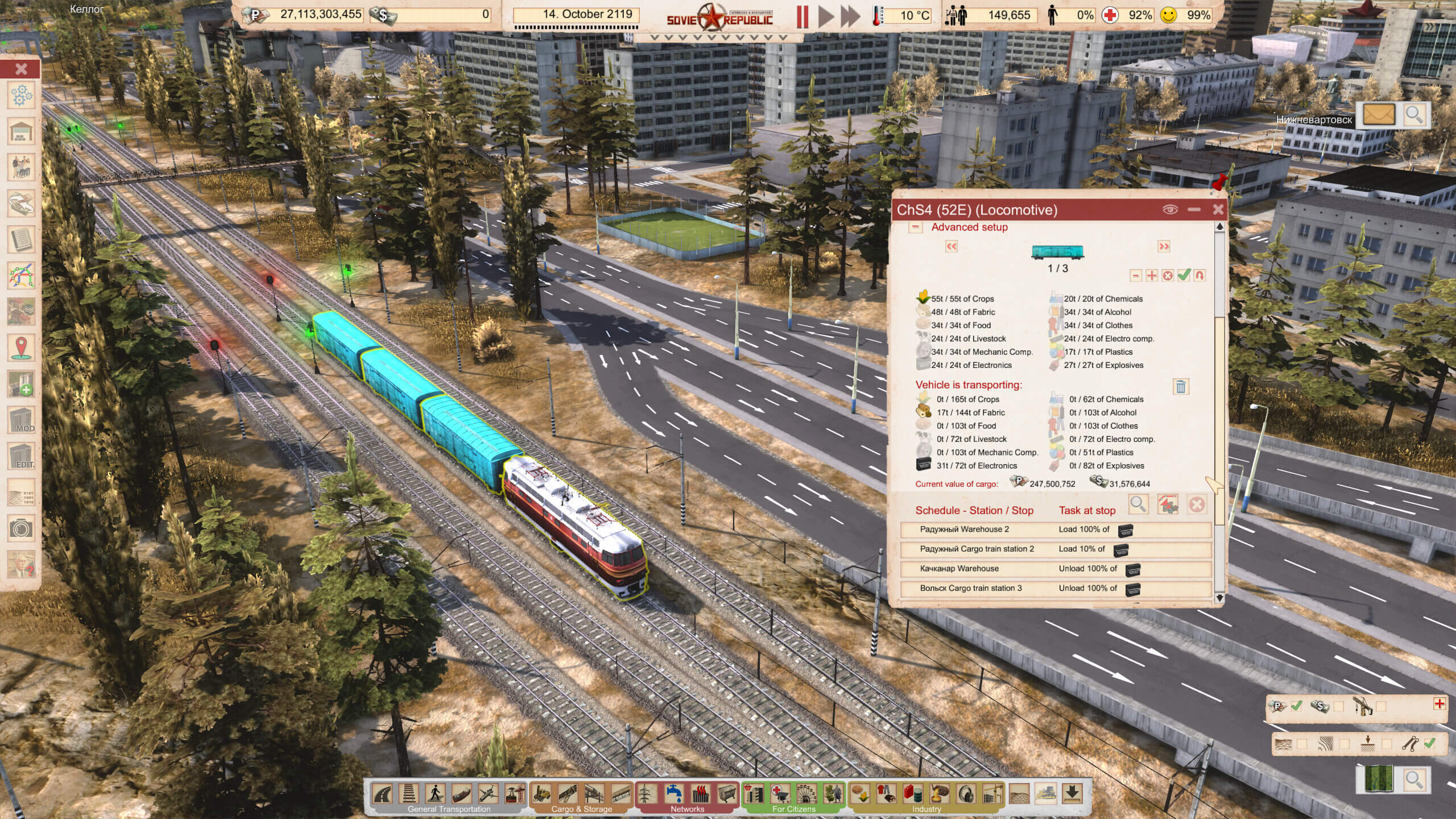
Workers & Resources: Soviet Republic is a city builder where beauty does not count for much if the logistics are wrong. A district can look tidy and still fail because gravel did not arrive, workers cannot reach the construction site, heating came online too late, or rail access was treated as an afterthought.
This is logistics at civic scale. Roads, rail, utilities, labor, industry, and construction all matter. Instead of placing a building and assuming it works, you have to plan how the economy will supply, staff, power, heat, and connect it.
If Factorio is about making an expanding factory behave, Workers & Resources is about making an entire industrial state function without magical convenience. The key challenge is not only item flow. It is infrastructure sequencing: building the systems required to build the next systems without starving the ones you already depend on.
Do not pick it if: you mainly want production chains without deep transport, utility, and labor overhead. It demands patience and does not forgive sloppy assumptions. Anno 1800 is the more approachable choice if you want city building with meaningful supply chains.
Anno 1800
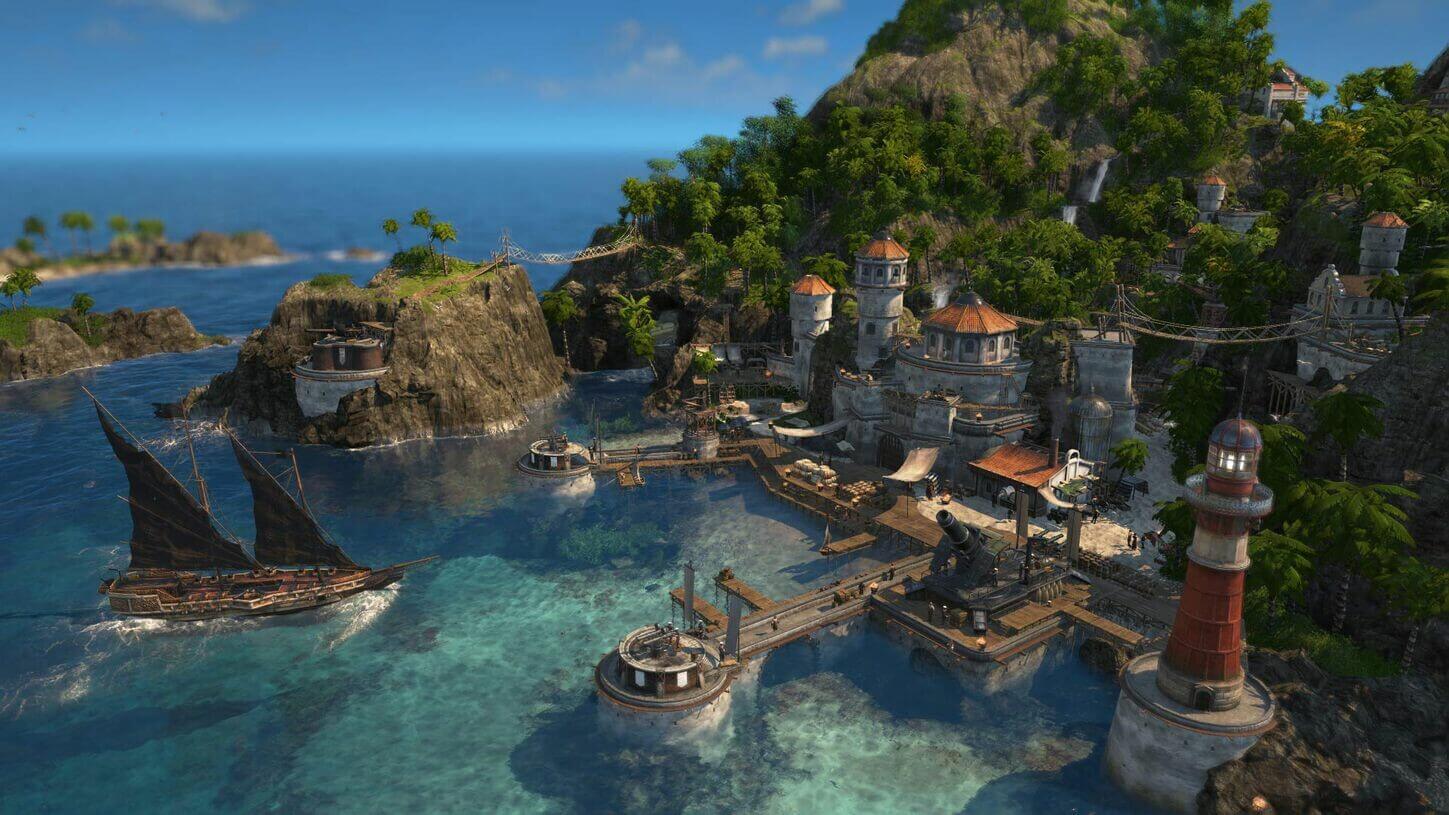
Anno 1800 is logistics at empire scale. Its cities may look calm, but the real tension sits in production chains and trade routes. One weak shipping link can disrupt canned food, rum, worker supply, and investor happiness in a chain reaction that feels unfair—until you realize the warnings were there.
Population tiers create demand. Regions specialize. Ships connect production webs. Every expansion adds dependencies and more ways for one missing input to undermine what looked like a stable economy.
Anno 1800 fits players who enjoy supply-chain management but do not want belt-by-belt engineering. You are balancing output, demand, route capacity, travel time, and regional dependence rather than solving rail signals every five minutes.
Do not pick it if: your idea of logistics is granular transport design. It has routes and production chains, but it is not about conveyor buses, junctions, or truck depots. Choose it for supply-chain management inside a polished industrial-era city builder.
Anno 117: Pax Romana
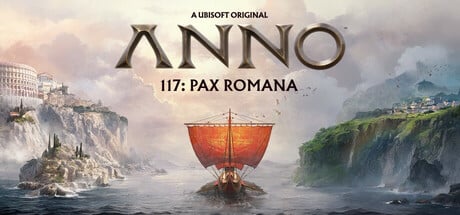
Anno 117 is logistics as Roman provincial trade. Latium and Albion specialize, ships and routes connect production webs, and population needs create cascading demand — with optional lighter needs that make onboarding gentler than Anno 1800’s densest stretches.
The tension is still network health: one weak shipping link or undersupplied province can ripple through cultural influence, workforce, and finished goods. You are balancing capacity and interdependence more than belt ratios.
Anno 117 fits players who want Anno-style trade networks in a fresh historical frame, or who bounced off Anno 1800’s industrial complexity but still want multi-region supply chains.
Do not pick it if: you need the most mature, fully proven Anno economy today. Anno 1800 remains the safer long-term depth pick; Anno 117 is the fresher trade-network recommendation.
Dyson Sphere Program
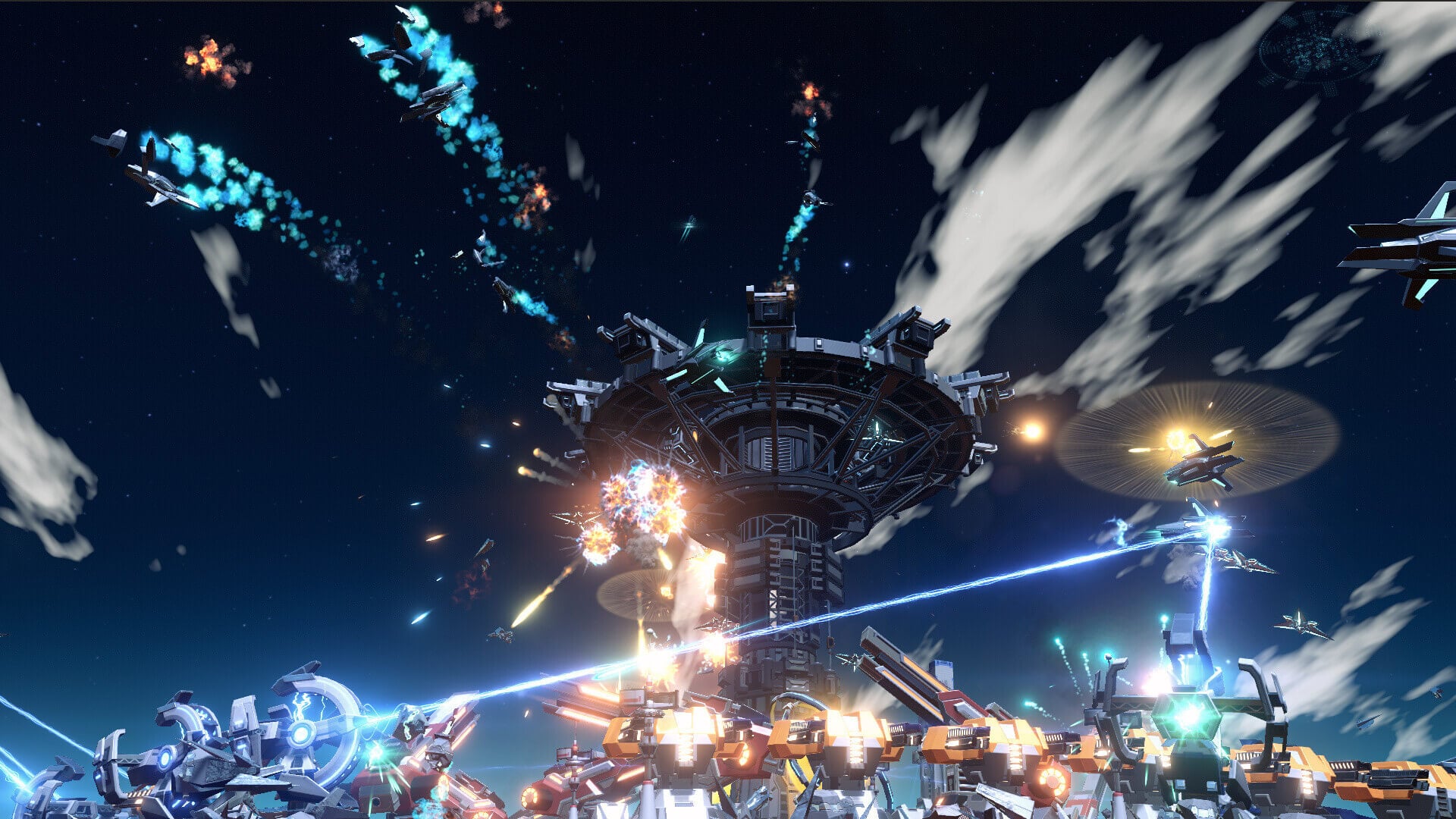
Dyson Sphere Program stretches the factory problem across planets. Early logistics still revolve around belts and production layouts, but its real identity appears when the network becomes interplanetary. The bottleneck is no longer one messy factory corner. It is whether entire worlds are feeding the correct materials into a growing megastructure project.
Planetary specialization and long-distance shipping give it a different rhythm from Factorio. The satisfaction comes from watching a network grow from local production into solar-system infrastructure, with each planet becoming one part of a much larger machine.
This is the right pick if you want automation with an enormous endgame fantasy. It cares more about scale than grit: planetary supply, automated production, and the moment a huge plan finally comes online.
Do not pick it if: you specifically want trains, road congestion, or heavy machinery with physical friction. Its logistics are grand, but cleaner and more abstract than Captain of Industry or Workers & Resources.
Satisfactory
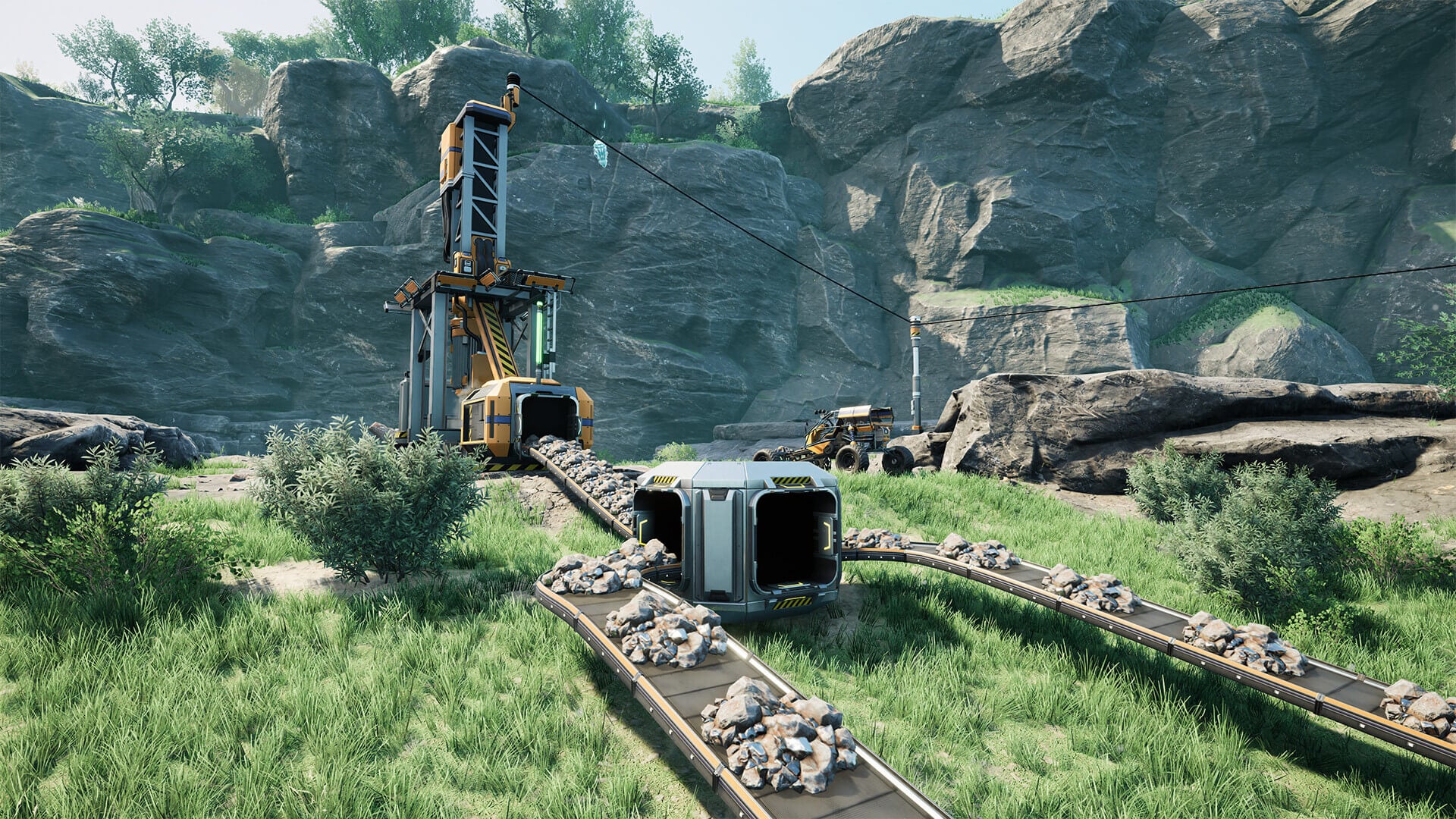
Satisfactory is for players who want logistics they can walk through. The first-person view changes the problem. Conveyor lines are not abstract lanes on a grid; they become architecture—vertical stacks, bridges, towers, and sprawling industrial routes built around the terrain.
You are still solving input rates and production flow, but construction is slower, more physical, and more expressive. Verticality matters in a way it rarely does in top-down factory games, and an efficient system can also become a place you enjoy moving through.
It fits players who like clean layouts, exploration, co-op factory planning, and large builds that feel tangible. If your favorite part of automation is making a system both readable and elegant, Satisfactory gives that impulse room.
Do not pick it if: you mainly want rapid iteration or dense throughput puzzles. First-person construction makes large-scale rework heavier than it is in a top-down, blueprint-driven game. Factorio is the better fit when optimization speed matters more than inhabiting the factory.
Oddsparks
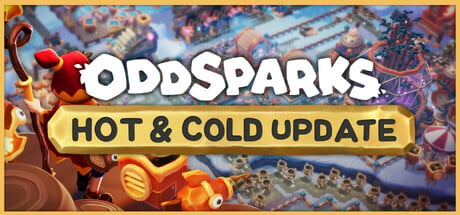
Oddsparks turns logistics into creature direction. Sparks haul, craft, and keep production moving while you design the network and tame terrain. The problem is less “perfect belt bus” and more “are the right helpers doing the right jobs in the right order?”
That creature-powered loop is friendlier than Factorio and more adventure-flavored than abstract belt puzzles. Co-op support makes it easy to split layout planning from Spark management.
It fits players who want readable flow and soft logistics friction without megabase math. Light combat and exploration keep sessions from feeling like a pure spreadsheet.
Do not pick it if: you want the deepest belt-and-train engineering. Oddsparks is the cozy logistics on-ramp, not the endgame bottleneck simulator.
InfraSpace
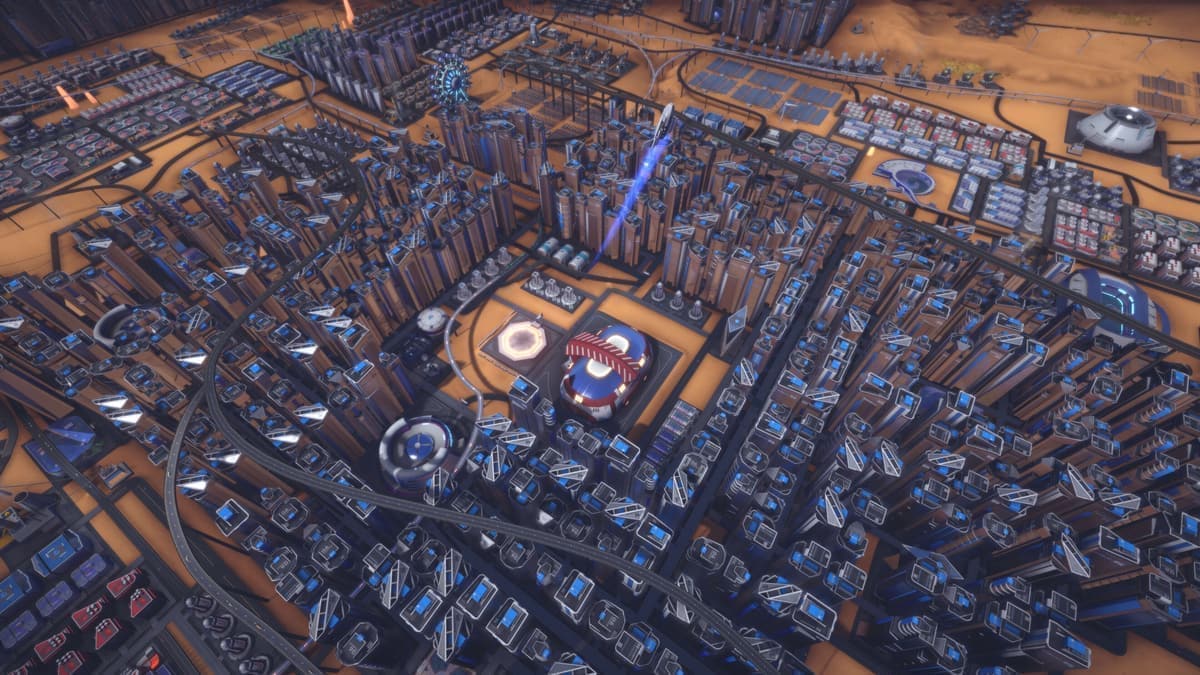
InfraSpace sits between city builder and factory sim. It cares about production chains, but it also cares about the roads carrying those goods. The question is not only, “Do I produce enough?” It is, “Can the traffic network deliver it before the city chokes?”
Residential growth depends on resource flow, pushing traffic planning into the center of the game instead of leaving it as background decoration. That makes it one of the cleaner picks for players who want industry and transport to shape city growth together.
InfraSpace works well if you want logistics pressure without the simulation density of Workers & Resources. Its sci-fi setting is readable, the problem set is focused, and production gives the city a stronger industrial backbone than a pure zoning game.
Do not pick it if: you want maximum depth or a huge long-term simulation. It is lighter than Captain of Industry and less punishing than the hardest city builders. Its sweet spot is the connection between traffic and production.
Pick the bottleneck you actually enjoy
Not every logistics fan wants the same kind of pain. That is where people often choose wrong.
- Choose Factorio for belts, ratios, blueprints, and rail headaches.
- Choose Satisfactory for spatial factory design, vertical construction, and exploration.
- Choose Dyson Sphere Program when scale and interplanetary supply are the fantasy.
- Choose Captain of Industry for trucks, terrain, bulk materials, and industrial colony pressure.
- Choose Workers & Resources: Soviet Republic for labor, utilities, construction logistics, and uncompromising infrastructure simulation.
- Choose Anno 1800 for industrial-era trade routes and population-driven demand.
- Choose Anno 117: Pax Romana for Roman provincial trade networks with gentler onboarding.
- Choose Oddsparks for creature-based logistics and a cozy co-op on-ramp.
- Choose InfraSpace when traffic and industrial delivery should shape the city together.
The single best starting point
If you want one game that anchors the genre, pick Factorio. It is the clearest match for belts, trains, throughput, and bottleneck hunting. It is not the gentlest option, but it defines many of the logistics problems the other games reinterpret.
A desk setup note for logistics-heavy sessions
Logistics games reward screen space. You are constantly cross-checking maps, throughput, train routes, and production chains at the same time. A dual monitor arm frees desk room and makes it easier to keep a reference view open while you rebuild the bottleneck that just broke.
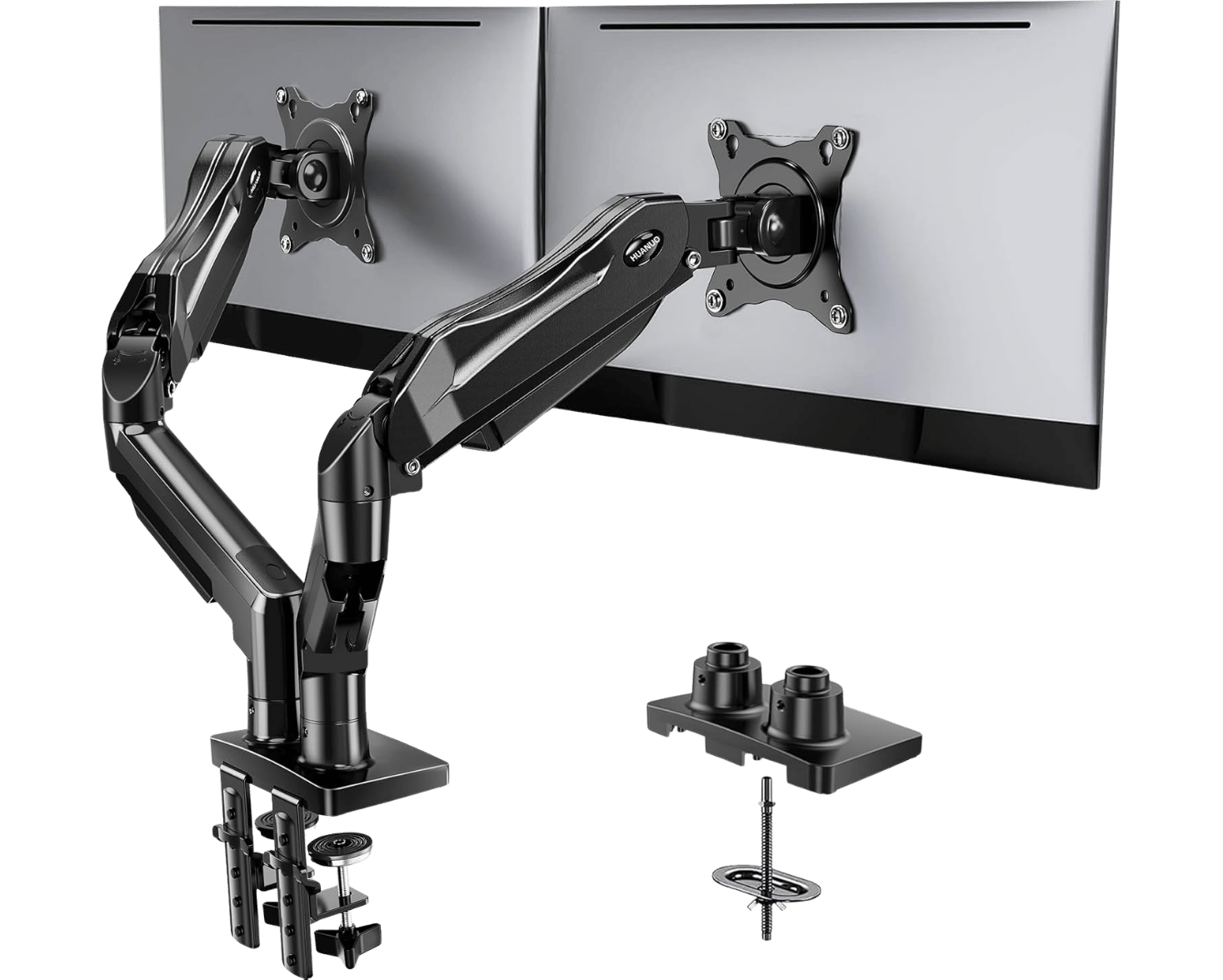
HUANUO FlowLift Dual Monitor Stand
Frees desk space and improves viewing angle for long factory and strategy sessions.
FAQ
What is the best logistics game overall?
Factorio is the safest overall answer if you want automation, belts, trains, and throughput to be the main event. It is demanding, but it is also the clearest expression of the genre.
Which logistics game is best for city-builder fans?
Workers & Resources: Soviet Republic is the deepest city-scale logistics pick, but it is extremely demanding. Anno 1800 is a better starting point if you want production chains and trade routes inside a more approachable city builder. Anno 117: Pax Romana is the fresher trade-network alternative with gentler onboarding.
Which game is best if I like trucks and heavy industry?
Captain of Industry is the strongest fit. Trucks, terrain excavation, storage, mining, and industrial layout all matter long before the factory becomes efficient.
Which pick is best for relaxed factory planning?
Satisfactory is the better choice if you want a more spatial and exploratory factory game. Oddsparks is the cozier creature-logistics option. Both still have serious logistics, but their pressure is easier to control than Factorio's combat or Captain of Industry's colony economy.
Are these all factory games?
No. The list includes factory games, city builders, and industrial colony sims. The common thread is that moving supplies, managing dependencies, and fixing bottlenecks are central to play.
Takeaway
The best logistics games are not chasing the same kind of complexity. Factorio is about belts and trains. Captain of Industry is about physical industry. Workers & Resources: Soviet Republic is about infrastructure discipline. Anno 1800 and Anno 117 are about trade routes and production chains. Oddsparks is about creature-powered flow.
Pick the game based on the bottleneck you actually want to solve. That matters more than whether the store page calls it a factory game, city builder, or colony sim.