Best Relaxing City Builder Games
City builders with a slower pace, low stress, and satisfying growth—for when you want to build without pressure.

Best Relaxing City Builder Games
The best relaxing city builder games give you room to think, place, and expand without turning every mistake into a crisis. For this list, relaxing does not just mean pretty art. It means low pressure, limited punishment, and a pace that lets you settle in.
That also means we are separating truly calm city builders from games that only look cozy until traffic jams, disasters, starvation, or hard timers take over. Some players want cozy and simple. Others want deep systems without stress. These picks cover both, with clear tradeoffs so you can find the right fit.
Quick take
- Foundation is the easiest recommendation for players who want organic growth and low friction.
- Whiskerwood is the major cozy pick if you want production chains without survival pressure.
- Cities: Skylines stays one of the best relaxing city builder games if you disable disasters and just enjoy planning.
- Timberborn is a partial fit, but great for players who want deeper logistics without constant failure pressure.
- The Wandering Village can feel meditative, but Onbu care and survival needs keep real pressure in the loop.
- Anno 1800 is excellent for methodical players, though its supply chains can feel busier than truly chill city building games.
The picks
Foundation

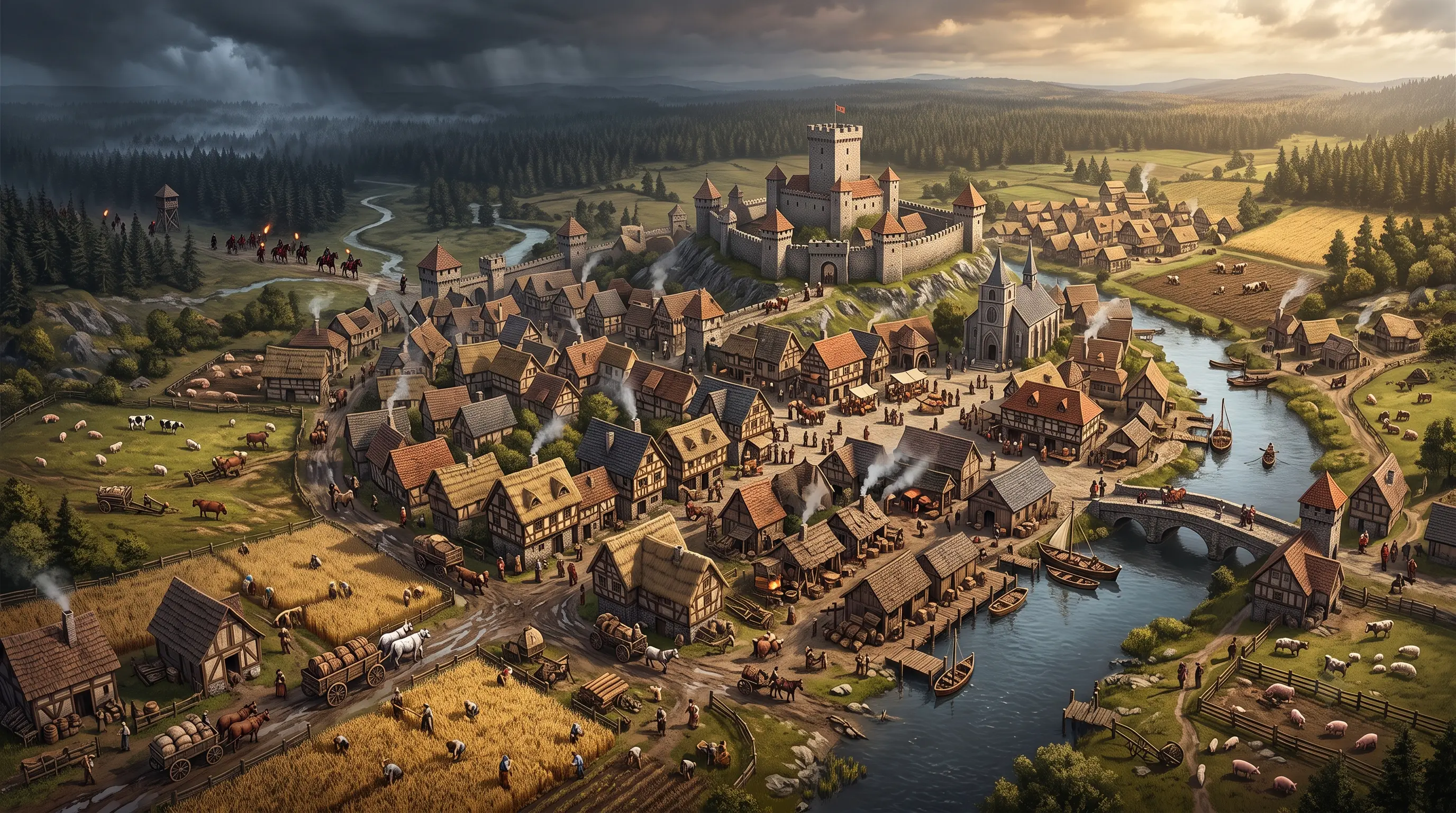
This is the cleanest fit for the article. Foundation is one of the few city builders that feels calm by default rather than calm only after you tweak a bunch of settings.
It fits players who want to zone districts loosely, watch a settlement grow organically, and avoid rigid grid pressure. The freeform road creation and monument building make it easy to enjoy the process instead of chasing efficiency every minute. New players often click with it because the game lets towns develop in a natural, readable way.
The tradeoff is that it is lighter than some of the heavier city builders here. If you want dense infrastructure problems, detailed traffic systems, or punishing economic balancing, Foundation may feel too soft. But for many players, that lighter touch is exactly why it belongs near the top.
Whiskerwood

Whiskerwood is the major new recommendation on this list for cozy production-chain city building. From the Railgrade team, it wraps layered goods and town growth in a whimsical cat-and-mouse setting without droughts, raids, or combat.
It fits players who want industry satisfaction and settlement growth at a truly low-stress pace. Sessions stay readable, the tone stays gentle, and imperfect play is rarely punished. If Foundation is organic beauty first, Whiskerwood is cozy chains first.
The tradeoff is early-access scope and limited multiplayer — social features are asynchronous, not real-time co-op. If you need a fully finished release or deep civic simulation, wait or look elsewhere. For relaxed evenings, it is one of the clearest fits here.
Cities: Skylines
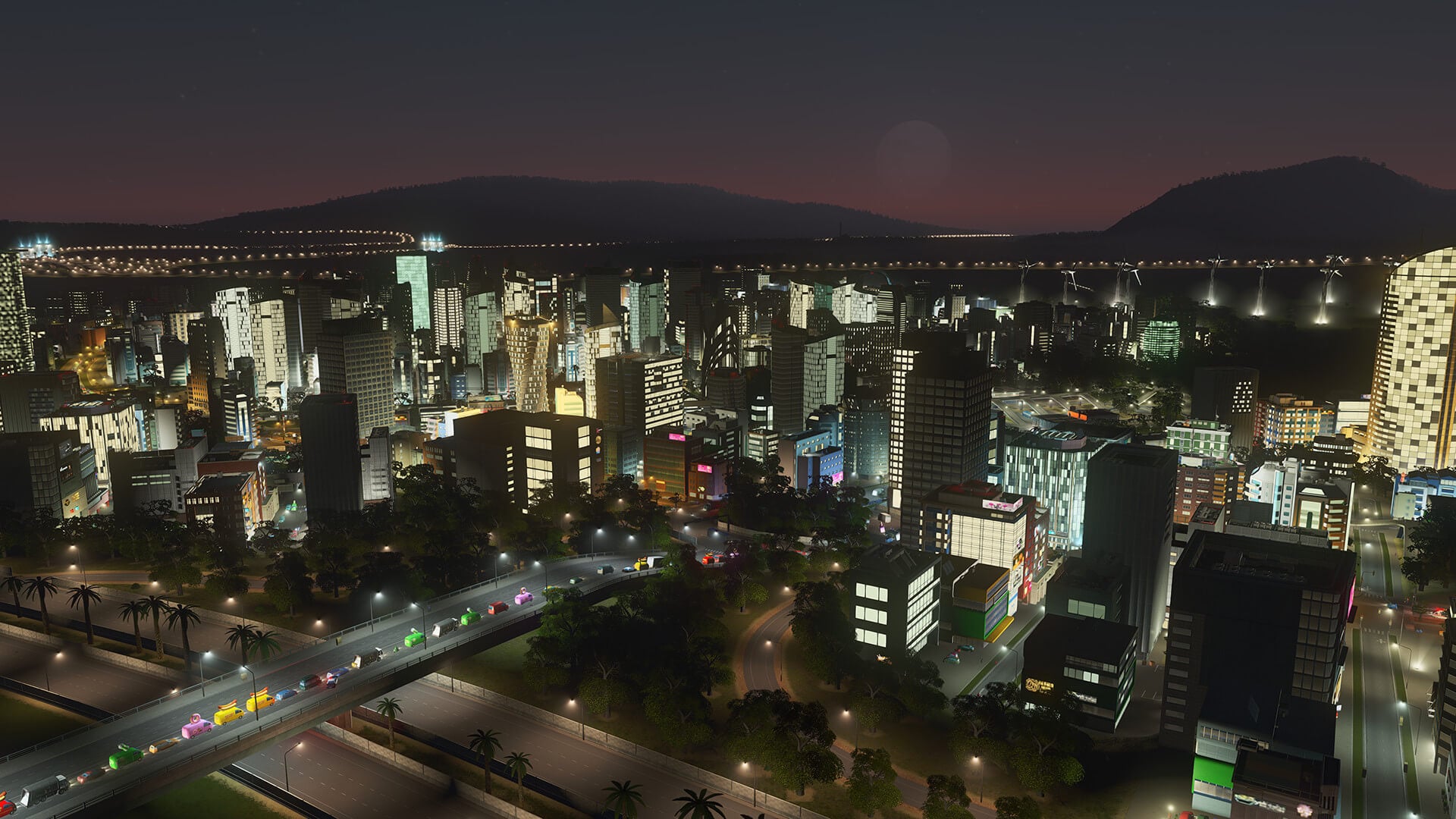
The biggest reason Cities: Skylines makes this list is flexibility. It can be a chill city building game or a stressful one depending on how you approach it.
It works best for players who enjoy road layouts, neighborhoods, transit planning, and watching a city take shape over long sessions. There is enough depth to stay interesting, but it also supports a very relaxed playstyle if you keep disasters off and do not obsess over perfect optimization. That matters, because traffic is one of the fastest ways a "relaxing" city builder stops being relaxing.
The main friction is that the game can quietly become demanding once your city scales up. Traffic fixes, service coverage, and zoning mistakes can snowball into cleanup work. If your idea of relaxing means almost no firefighting, Foundation is calmer. If your idea of relaxing means slow planning with lots of creative control, Cities: Skylines still fits very well.
Cities: Skylines 2
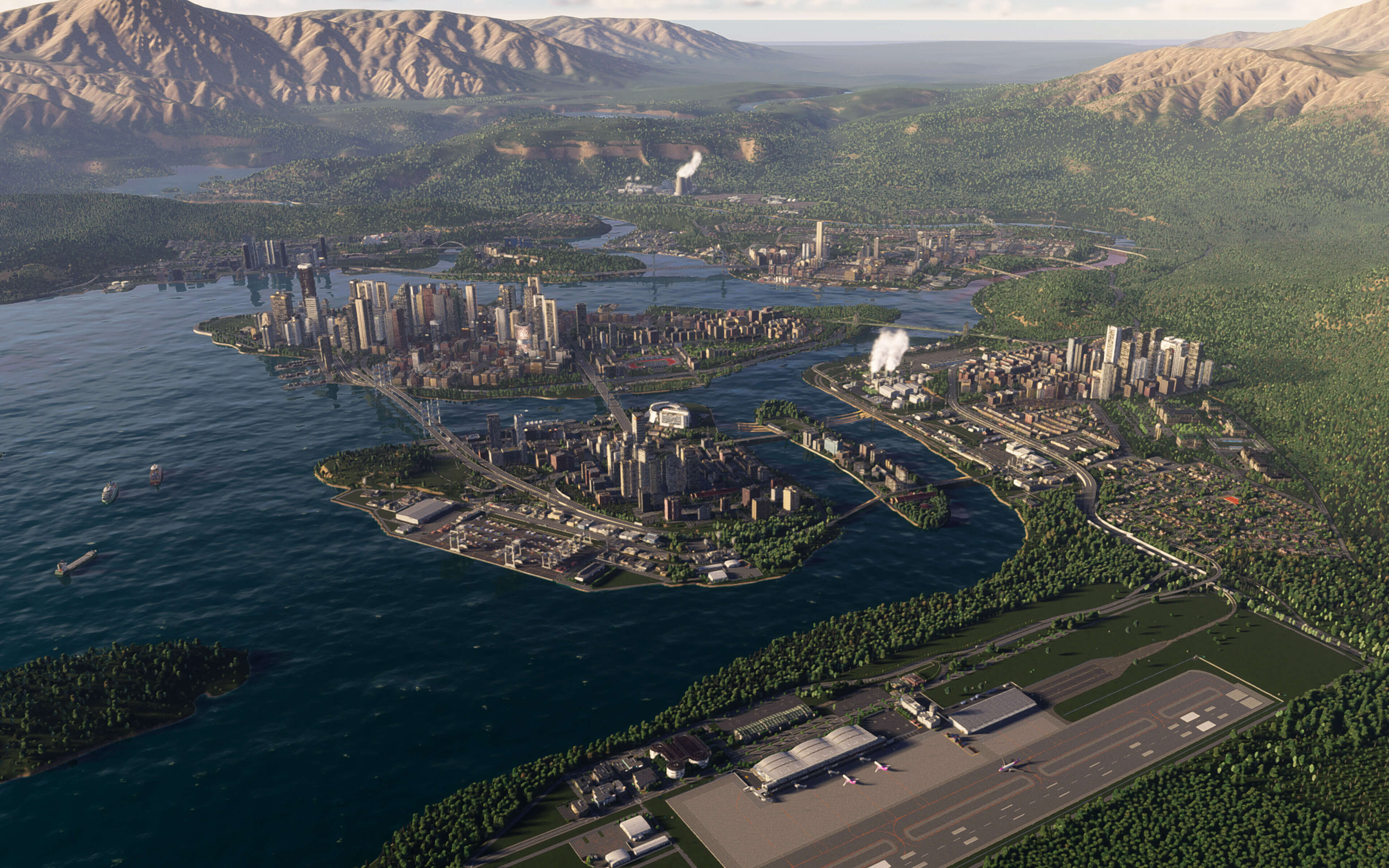
For players who want a modern city builder with more simulation detail, Cities: Skylines 2 is the deeper but less breezy sibling. It belongs here because the core loop can still be relaxing when you enjoy long-form planning more than fast problem solving.
This clicks most if you like shaping districts, transport networks, and city services with a little more system depth than the first game. Some players want deep but unstressed, and that is exactly where this one can land when you are in the mood for patient expansion rather than challenge runs.
The limitation is simple: more simulation detail also means more points of friction. Performance and system complexity can make the session feel heavier than truly low-stress city builders. It is relaxing for players who enjoy tinkering with urban systems, not for players who want the lightest possible experience.
Anno 1800
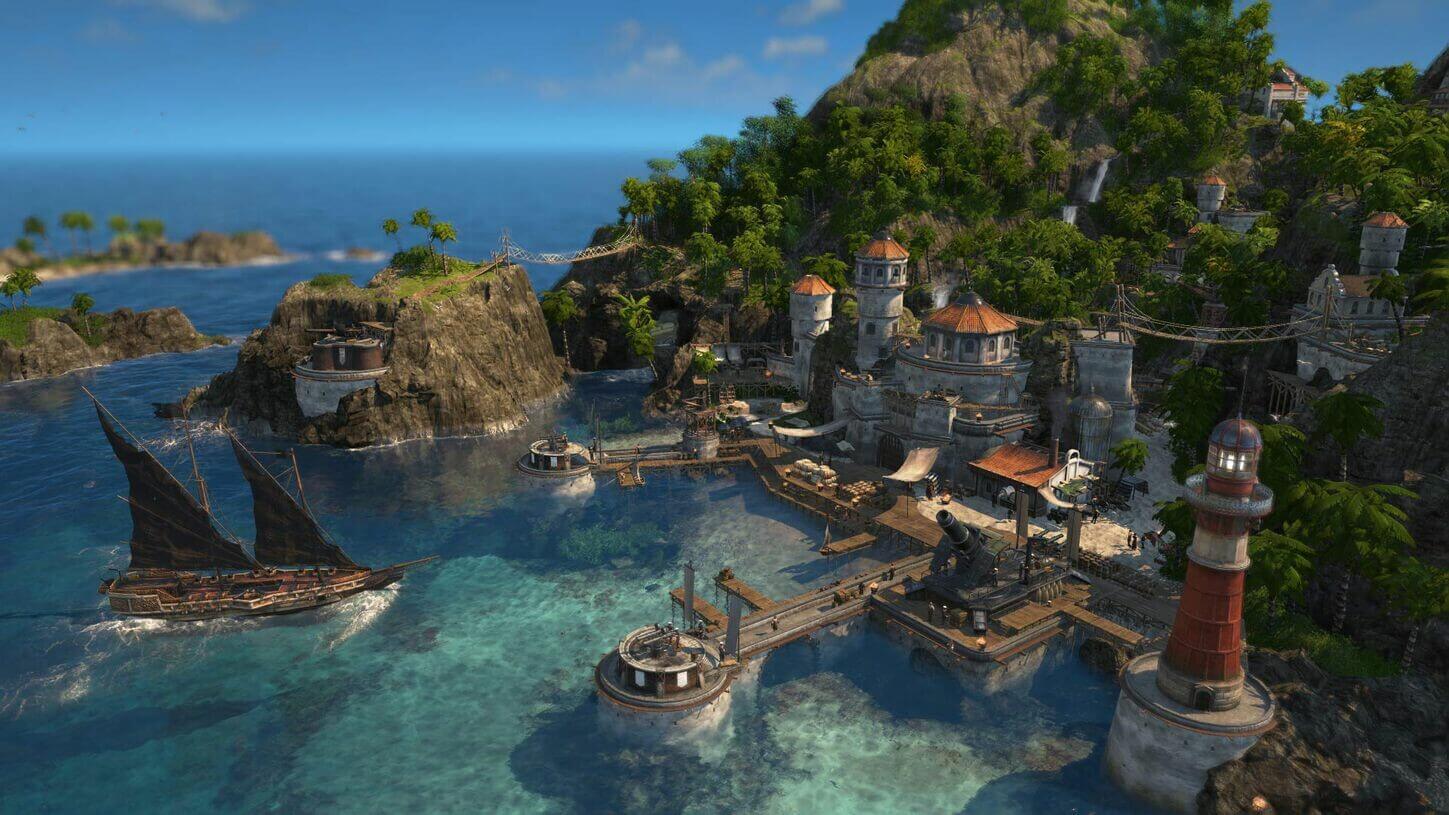
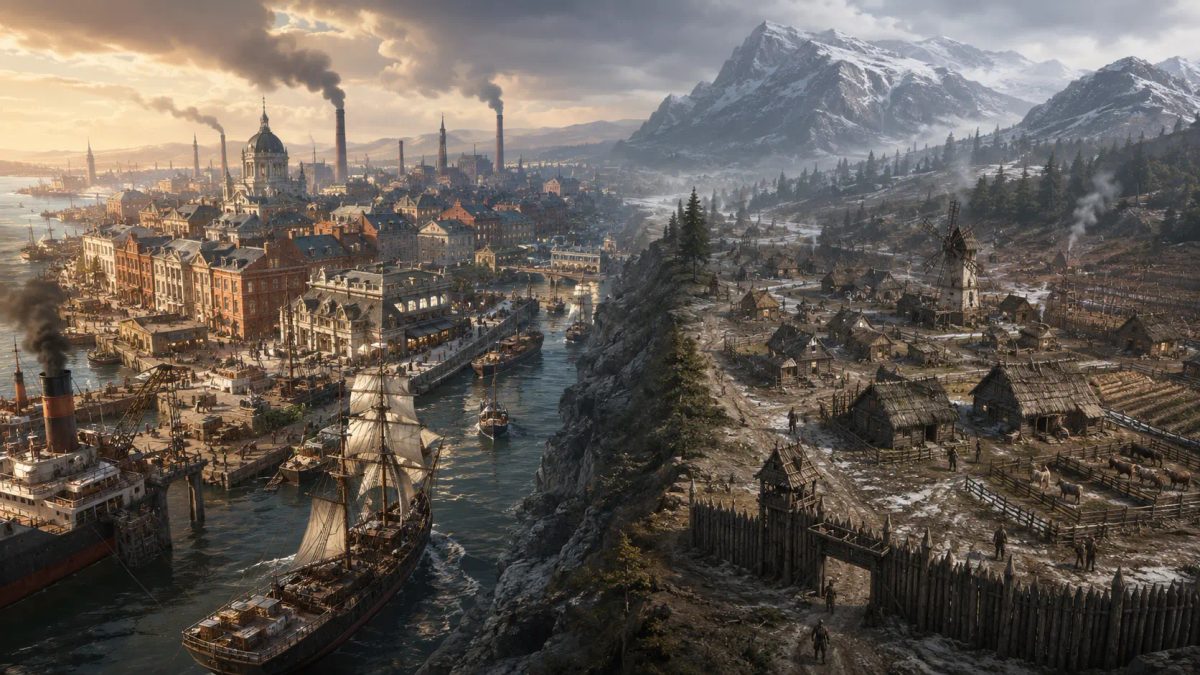
Anno 1800 earns its spot because it delivers satisfying growth without relying on disaster pressure or harsh survival punishment. The rhythm is all about production chains, population needs, and gradual scaling.
It is for methodical players who find calm in optimization. If balancing supply and demand feels soothing rather than exhausting, Anno 1800 can be incredibly absorbing. The city-building side is also stronger than many logistics-focused games, so your settlements feel shaped, not just functional.
The catch is that it is not low-complexity. You will juggle multiple islands, layered production webs, and rising demand tiers. That makes it a great fit for players who want structure and flow, but a weaker fit for anyone chasing the most effortless relaxing city builders.
Timberborn
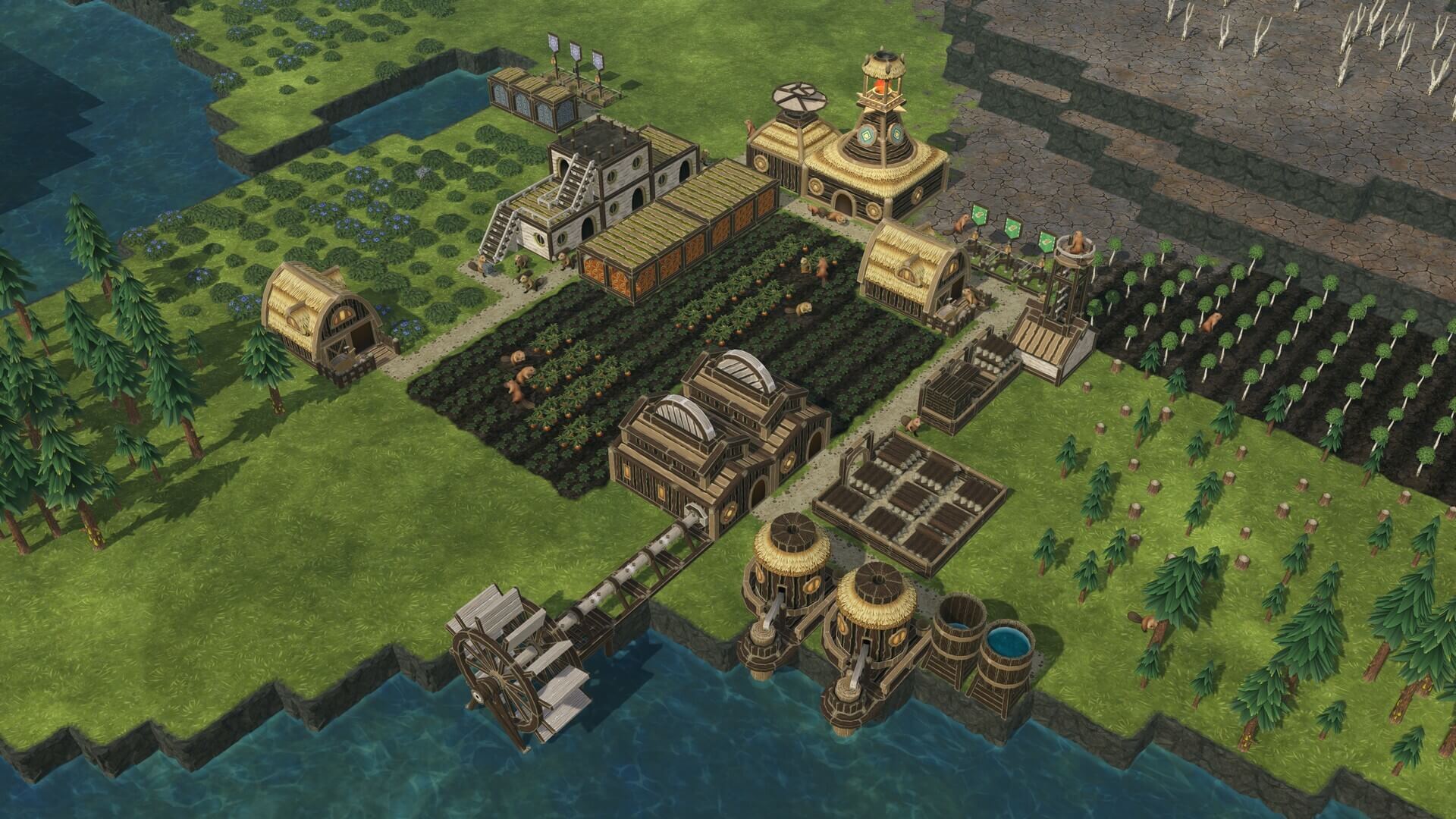
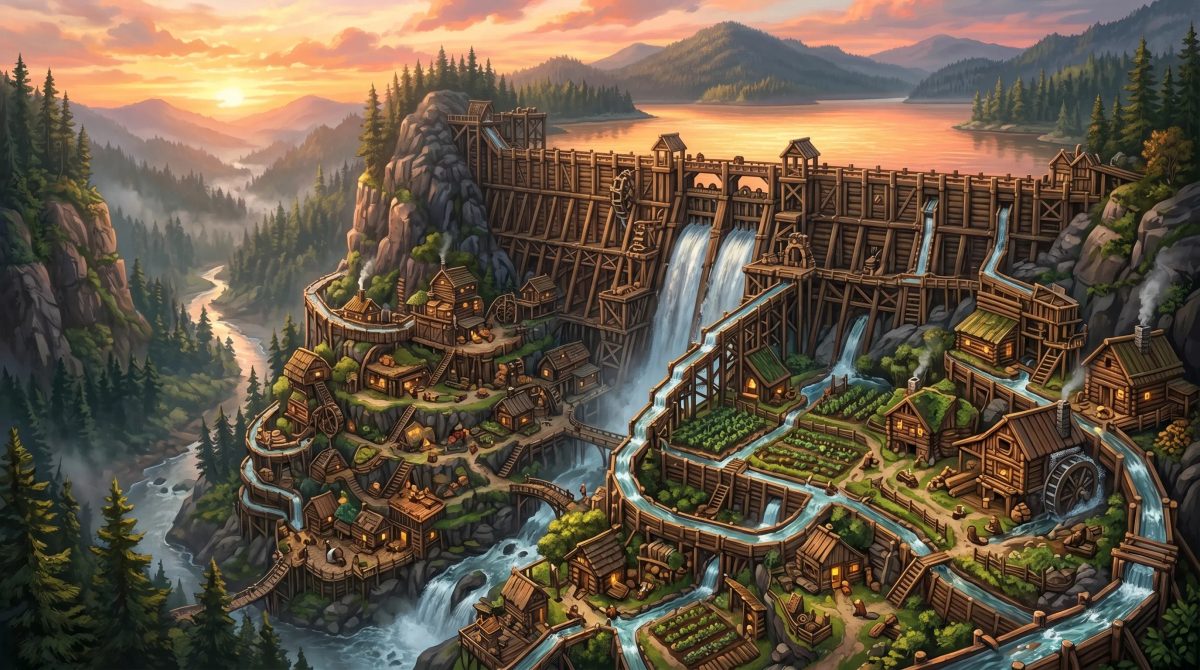
Timberborn is a smart pick for players who want a colony sim edge without the usual nonstop panic. Its water and terrain systems make city planning feel tactile and rewarding.
It fits best if you like solving infrastructure problems at your own pace. Dams, reservoirs, vertical construction, and seasonal prep give you meaningful goals, but the game usually leaves room to recover and improve. That recovery space matters. A lot of games look chill until failure arrives too fast; Timberborn tends to work better because you can usually see problems coming.
The tradeoff is that drought management is still pressure. This is not pure sandbox calm in the same way Foundation is. If any survival layer breaks the mood for you, this may only be a partial fit. If you want deeper systems without constant threat, it is one of the best options here.
The Wandering Village

The Wandering Village can feel relaxing in the same “slow planning” sense as Timberborn, but it is not pressure-free. Building on Onbu’s back is atmospheric and contained, yet creature health and colonist needs keep a survival edge in every session.
It fits players who want a melancholic, story-flavored survival city rather than disaster-free zoning. Treat it as relaxing-with-stakes: calmer than Frostpunk, tighter and more urgent than Foundation or Whiskerwood.
Skip it if your definition of cozy means zero survival meters. For those nights, Foundation or Whiskerwood are safer.
Settlement Survival
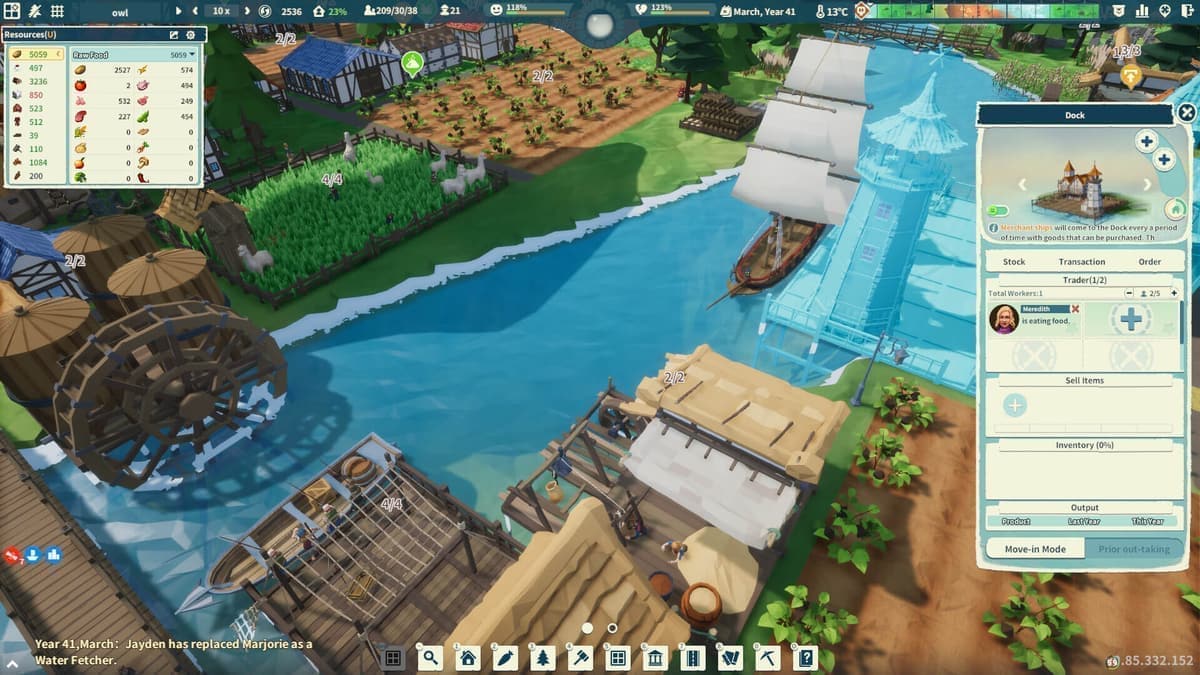
Settlement Survival targets a more traditional colony sim loop, but in a way that often feels approachable and steady rather than harsh. That makes it a good pick for players who want population needs, resource chains, and town growth without immediately jumping into punishing survival design.
It suits players who like clear goals and familiar settlement expansion. Food, labor, housing, and production all matter, but the presentation is easy to read and the pace is usually manageable. For many players, this lands in a nice middle ground between cozy and systems-driven.
Its weakness is that it can feel more functional than expressive. You may not get the same visual personality or urban creativity as in the stronger city builders on this list. Still, if your priority is a calmer colony sim structure with city-building appeal, it fits.
Kingdoms Reborn
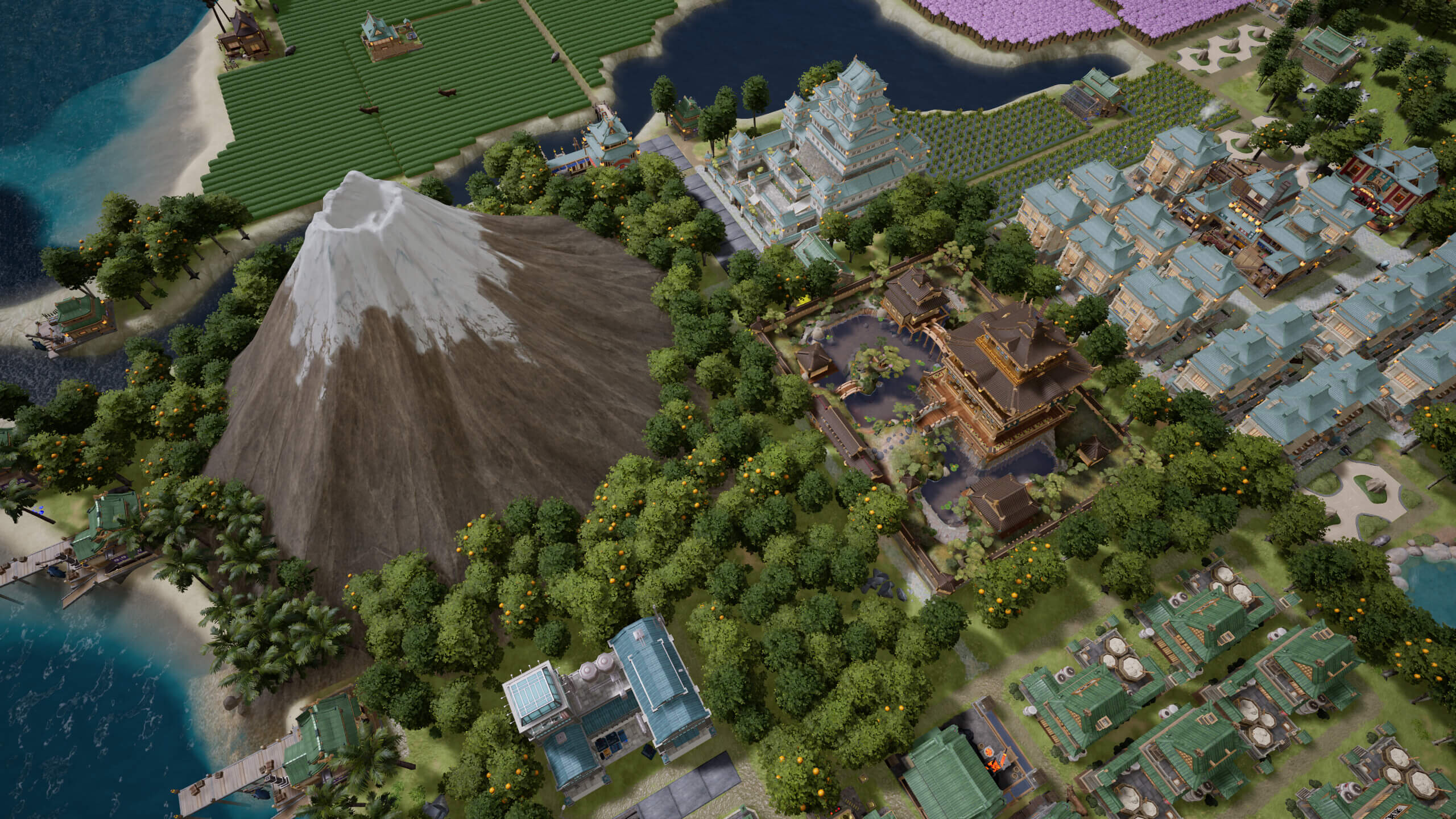
Kingdoms Reborn belongs here because it has a broad, pleasant expansion loop and a generally forgiving tone. It gives you enough economic planning to stay engaged without constantly leaning on punishment.
This is a good fit for players who enjoy gradual regional growth, unlocking new structures, and shaping a settlement with a little more game-y progression. The card-based building unlocks also help keep decisions manageable instead of dumping every system on you at once.
The main reason it may not click is that the structure can feel less freeform than other relaxing city builders. Some players will like the progression gates. Others will feel that they interrupt the calm sandbox flow. It is best when you want direction without heavy stress.
Tropico 6
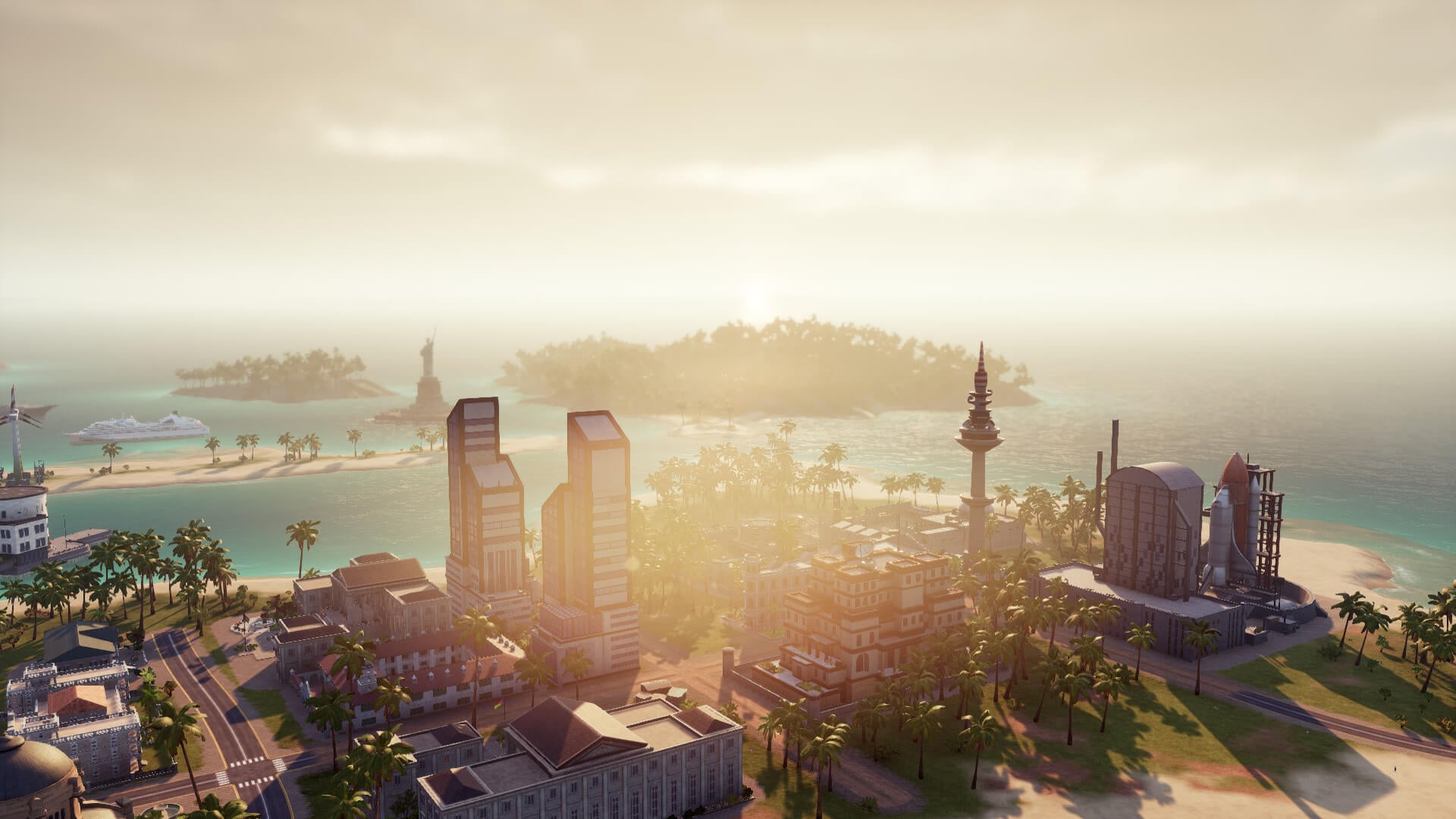
Tropico 6 works for a specific kind of relaxed player: someone who wants city building with personality, clear feedback, and lighter infrastructure demands. The island format keeps things readable, and the tone is less severe than many colony sims.
It fits players who like balancing housing, industry, tourism, and public approval without getting buried in urban complexity. The sessions often feel playful rather than punishing, which makes it easier to unwind with than denser simulation-heavy city builders.
The tradeoff is that politics and mission goals can undercut the relaxed mood depending on how you play. This is a good example of a game that can feel chill, but not always pressure-free. If you want sandbox energy with charm, it works. If you want no rush at all, other picks are safer.
InfraSpace
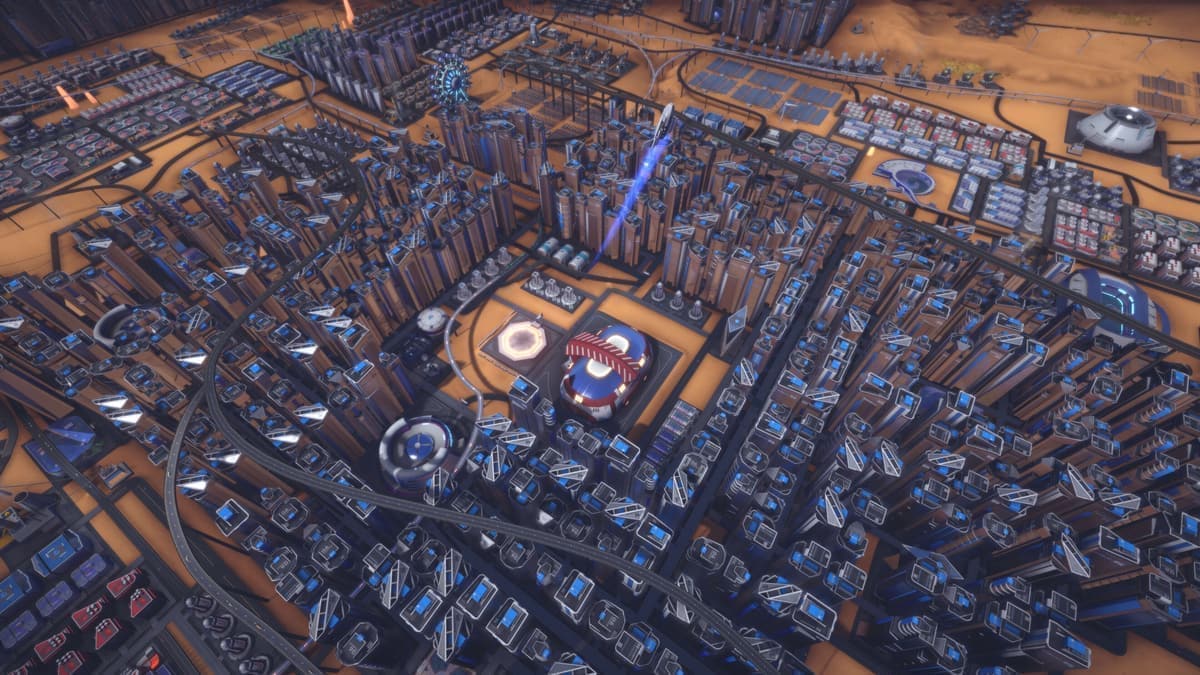
InfraSpace is here for players whose version of relaxing is clean logistics rather than cozy aesthetics. It is more focused than broad city simulators, and that narrower focus can actually make it less stressful.
This clicks if you enjoy laying out road networks, linking industrial chains, and watching a city function because your transport planning makes sense. There is satisfaction in solving one bottleneck at a time instead of dealing with ten civic systems at once. That clarity is a real advantage.
The downside is also the reason some people will bounce off it: the game is heavily about flow efficiency. If traffic problems sound irritating rather than calming, this will not be your best match. It is relaxing for system planners, not for pure decorators.
When these games click best
These games work best when your goal is process over performance. If you want to lay roads, tune production, shape districts, and watch steady growth, this list makes sense. If you want constant emergencies or hard survival pressure, it does not.
The easiest split is simple. Pick Foundation, Whiskerwood, Cities: Skylines, or Tropico 6 if you want lighter stress and quicker readability. Go with Anno 1800, Timberborn, or InfraSpace if your version of relaxing includes deeper systems and longer planning chains. Keep The Wandering Village in the middle: atmospheric and paced, but still survival-flavored. That distinction matters, because "relaxing" means very different things from one player to the next.
What matters most when picking your next game
First, check what actually breaks the mood for you. For many players, traffic and disasters ruin the calm faster than anything else. If that is true for you, avoid games where citywide failures become the main challenge unless you actively enjoy fixing them.
Second, separate low pressure from low complexity. A game can be dense and still feel relaxing if it gives you time to think. On the other hand, a cute presentation does not guarantee a calm experience if droughts, elections, shortages, or mission timers keep pushing you.
Finally, be honest about session feel. Some relaxing city builders are best for freeform evening play. Others are better when you want a focused planning puzzle. That judgment matters more than theme.
A small upgrade for long city-building sessions
Relaxing city builder games usually mean long sessions, lots of reading, and plenty of slow planning. A good monitor light helps keep glare down so those late-night layout tweaks stay comfortable.
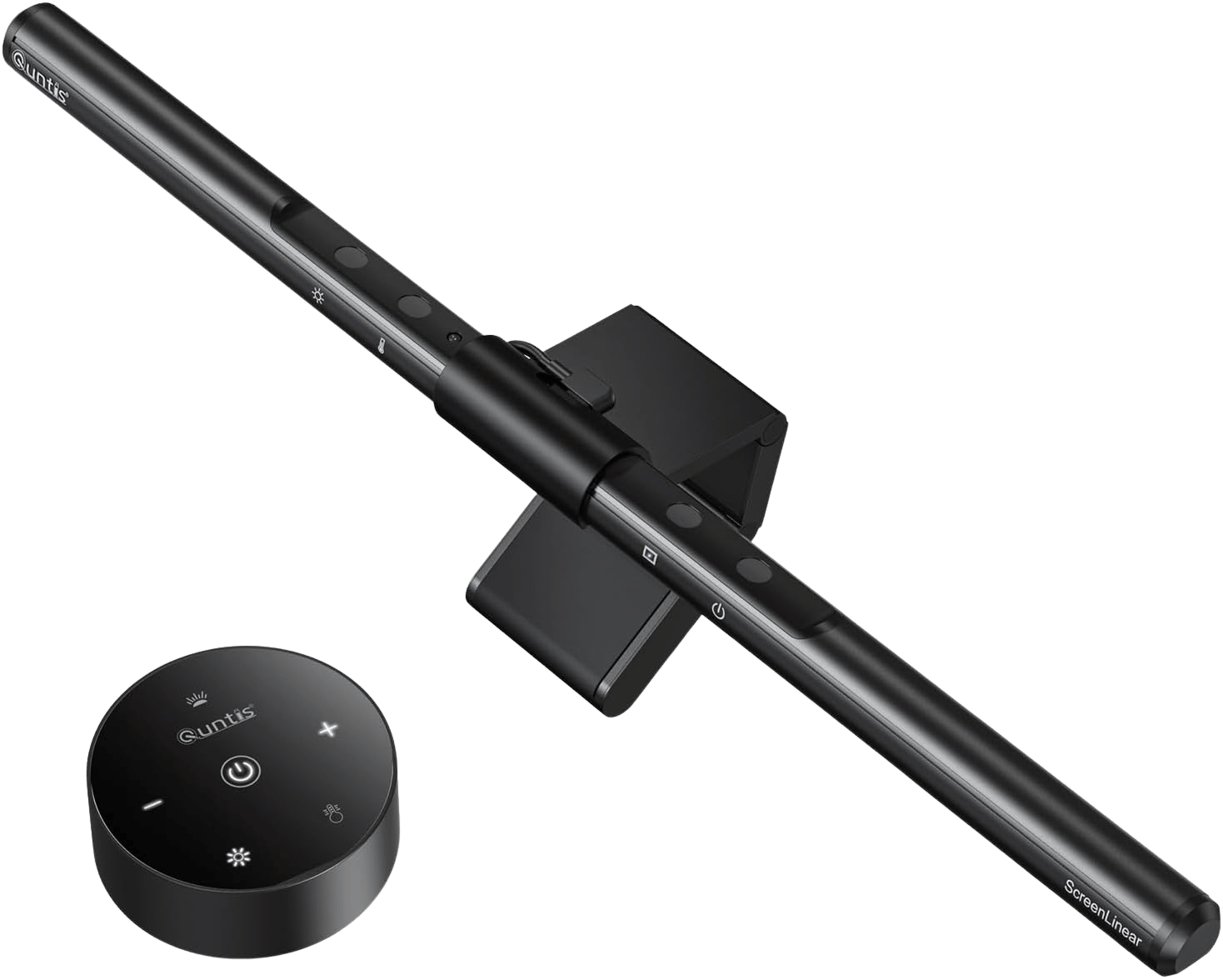
Quntis Computer Monitor Lamp
Reduces glare and eye strain during long sessions—auto-dimming, clip-on design.
FAQ
What is the most relaxing city builder on this list?
For most players, Foundation or Whiskerwood is the safest pick. Foundation emphasizes organic town growth; Whiskerwood emphasizes cozy production chains. Both keep friction low.
Are these all fully pressure-free?
No. That is the main distinction in this list. Some are truly low-pressure, while others are relaxing only if you enjoy deeper planning and do not mind occasional system friction. Timberborn, Anno 1800, and The Wandering Village are good examples of that middle ground.
Which one is best for creative city design?
Cities: Skylines is still the easiest recommendation if your idea of relaxing is shaping roads, districts, and neighborhoods over time. It gives you more room for visual planning than most colony sims.
What should I avoid if I want a calm experience?
Be careful with games where failure arrives through traffic collapse, strict survival pressure, or heavy mission scripting. A game can look cozy and still become stressful fast once shortages or timers start driving every decision.
Is Frostpunk on this list?
No, because it does not match the article's core goal. Frostpunk and Frostpunk 2 are excellent, but they are built around pressure, scarcity, and hard tradeoffs rather than relaxed city building.
Takeaway
The best relaxing city builder games are the ones that give you space to build without constant punishment. For pure low-stress comfort, start with Foundation, Whiskerwood, or Cities: Skylines. If you want deeper systems without full survival pressure, move toward Anno 1800 or Timberborn. Treat The Wandering Village as relaxing-with-survival-stakes rather than a pure cozy sandbox.