Best City Builders for Traffic and Transit Fans
Which city builders get traffic and transit right — and why it matters for your planning.
Best City Builders for Traffic and Transit Fans
The city builders best traffic systems conversation usually starts with roads, but it should not end there. The games below are the ones where movement shapes your city in a meaningful way, whether that means lane pressure, freight routing, commuter flow, or public transit that actually changes outcomes.
This list is for players who care about more than pretty skylines. I judge by how much traffic and transit shape your decisions, not just whether the feature exists, so these picks focus on city builders where flow matters, transit planning rewards different skills than zoning, and traffic can become the real endgame.
Quick take
- Cities: Skylines 2 is the clearest pick if you want road hierarchy, transit layering, and city-wide flow problems to solve.
- Workers & Resources: Soviet Republic is the strongest choice for players who want transit to be core infrastructure, not decoration.
- Anno 1800 fits best if you like logistics pressure and route planning more than realistic road congestion.
- InfraSpace is great for players who want city builder traffic to behave more like an industrial throughput puzzle.
- Cities: Skylines still works well if you want a proven traffic sandbox and can accept some age in the underlying systems.
The 10 picks
Cities: Skylines 2
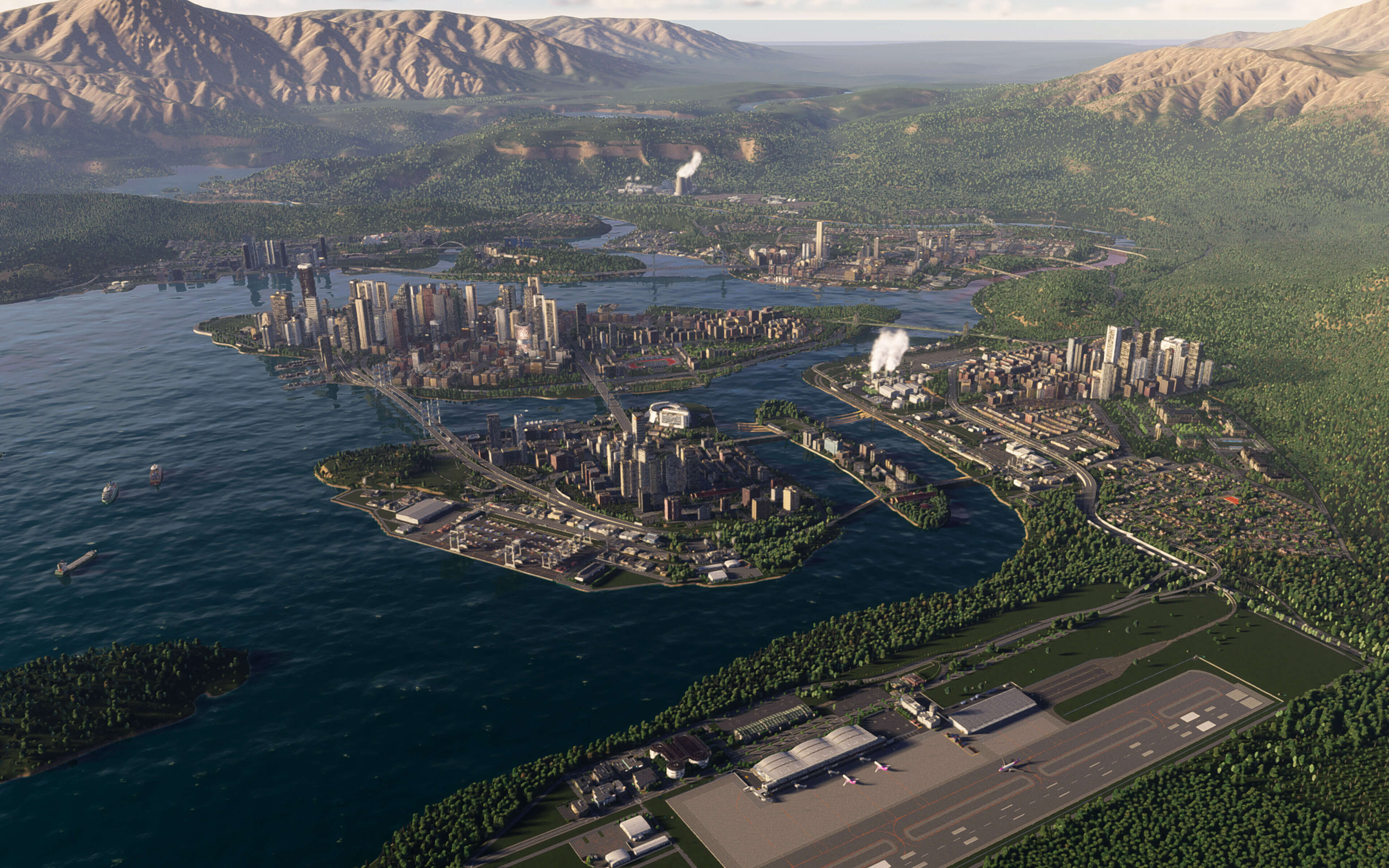
This is the obvious starting point because traffic and transit sit near the center of the experience, not at the edges. Road hierarchy, district growth, service placement, parking pressure, and mass transit all push against each other in a way that makes flow a constant planning problem.
It fits players who enjoy diagnosing why a network fails, then rebuilding it with better junctions, cleaner arterials, and more useful transit coverage. If you like watching patterns emerge across the whole map, this is one of the best city games with good transit because your rail, bus, tram, and road choices all affect each other.
The tradeoff is that it asks for patience. Some players want clean predictability from traffic simulation, and this game can feel messy when multiple systems collide at once. That complexity is the appeal, but it also means it is not the best fit if you mainly want a relaxed zoning sandbox.
Cities: Skylines
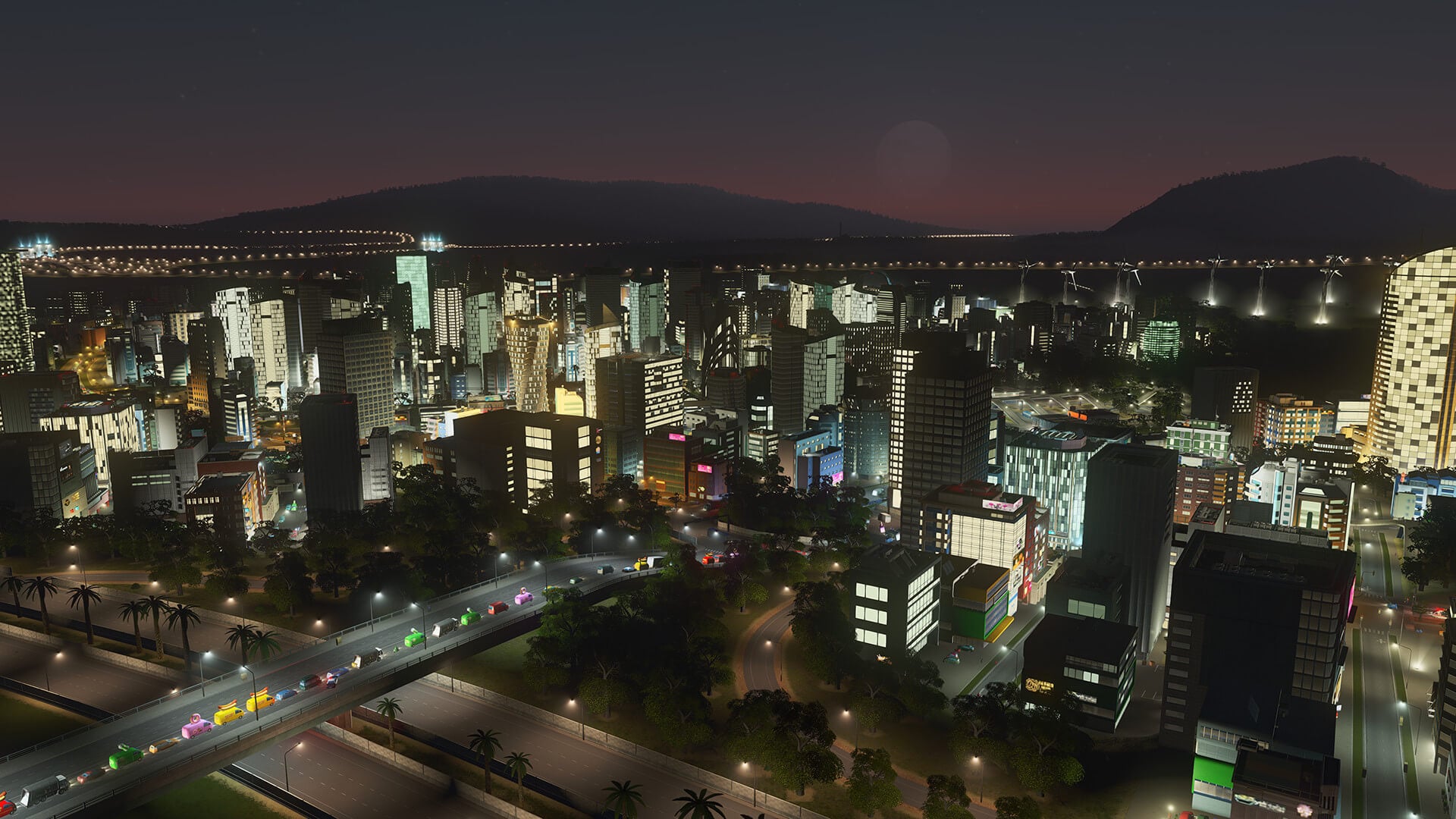
For many players, this is still the baseline recommendation for city builder traffic. It remains strong because road layout, lane behavior, cargo movement, and public transport routes all matter enough to force real planning decisions, especially once your city expands past the easy early game.
This clicks most for players who enjoy iterative problem solving. You build a district, traffic gets ugly, then you redesign access, separate freight, and improve transit until flow stabilizes. Some players optimize for flow, others for realism, and this game supports both better than most.
The limitation is age. A lot of what makes it powerful also makes it fiddly, and the simulation can encourage repeated traffic triage rather than broader urban planning. If you want newer presentation or more systemic ambition, the sequel is the stronger fit.
Workers & Resources: Soviet Republic
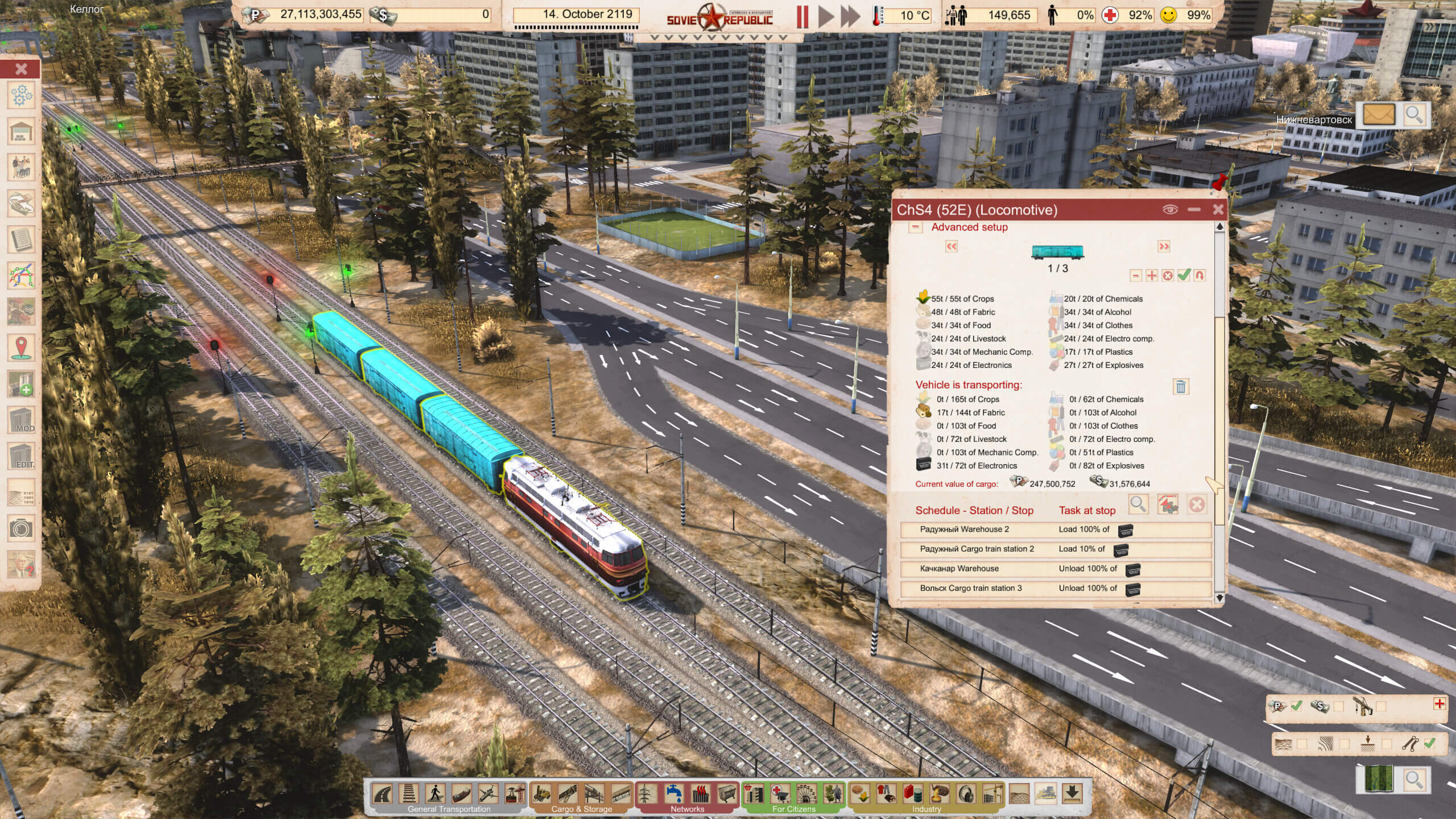
If transit planning is the feature you care about most, few city builders push it harder. Buses, trams, trains, walking distance, work shifts, and industrial commuting are not side systems here. They are the backbone of the entire city.
This is for players who want transit to solve labor and production problems, not just reduce road load. It rewards careful thinking about where people live, how they reach work, and whether your network can support expansion without wasting time or capacity. That makes it one of the smartest picks for traffic management city builders, especially if you enjoy infrastructure that feels consequential.
The main friction is complexity. This is not a casual transport layer you sprinkle on top of a city. It is demanding, dense, and often slow. If you want quick experimentation and fast visual payoff, this can feel more like running a planned system than shaping a lively urban sandbox.
Anno 1800
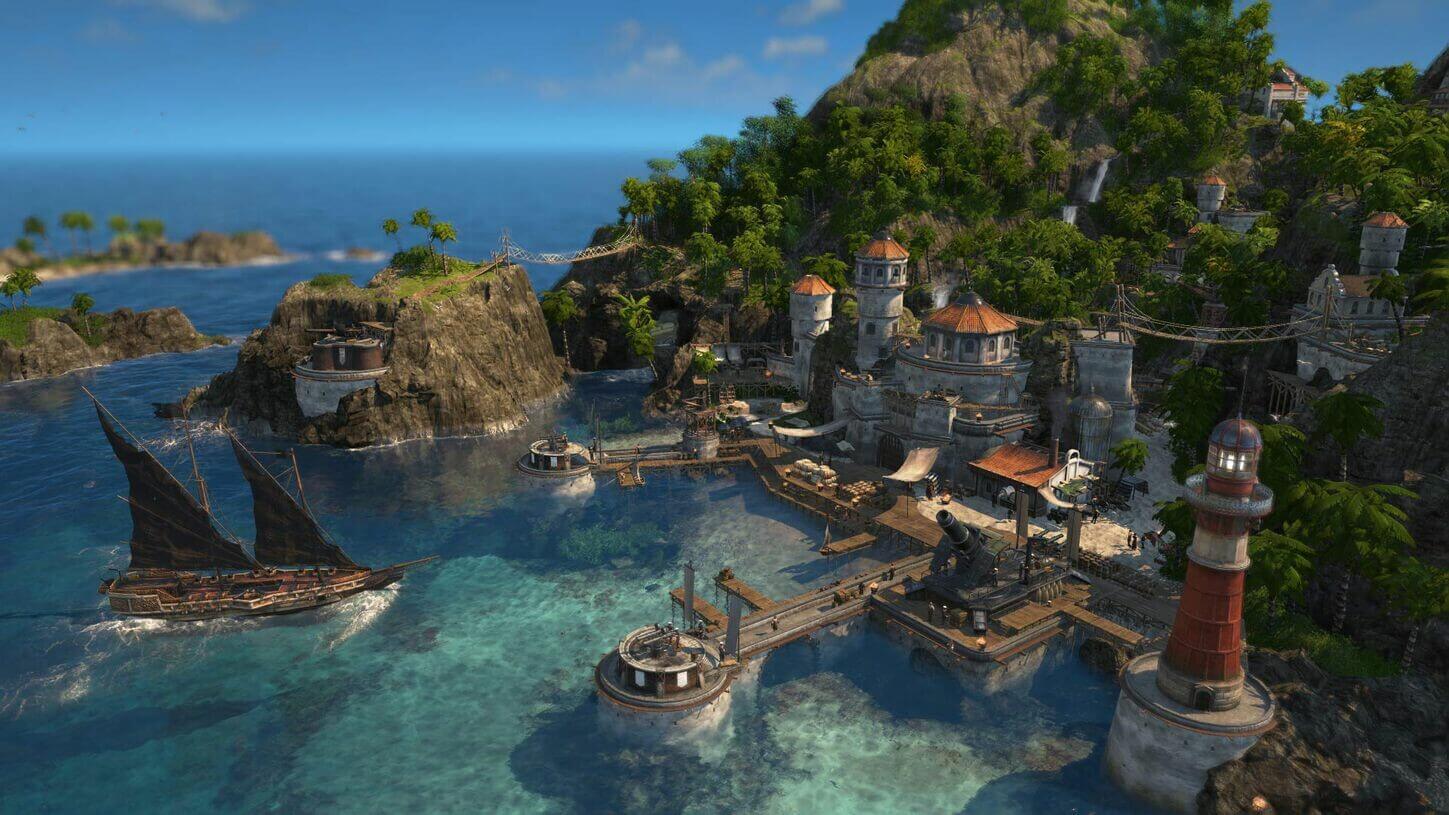
Anno 1800 belongs here as a partial fit, not because it simulates modern car traffic, but because transport flow drives nearly everything you do. Shipping routes, production chains, harbor access, island specialization, and goods distribution all create a strong sense that movement is the real constraint.
It fits players who care more about logistics and network efficiency than lane-level road behavior. If your favorite part of city builders best traffic systems is tracing bottlenecks and reorganizing supply paths, Anno 1800 scratches that itch in a different but very satisfying way.
The reason it may not click is simple: this is not a road congestion game. Transit exists more as economic movement than commuter simulation. So if you specifically want buses, subways, and urban rush-hour pressure, other picks here are more direct.
InfraSpace
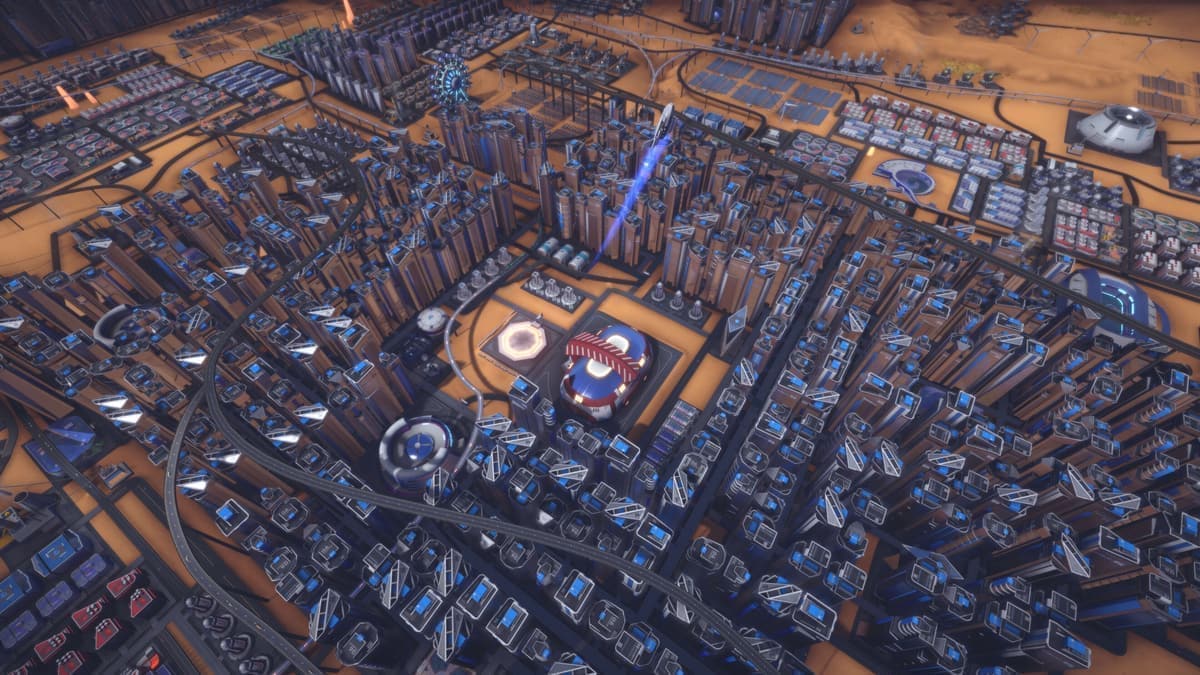
InfraSpace takes the traffic question and makes it brutally practical. Roads are not cosmetic links between buildings. They are throughput systems for resources, workers, and industrial demand, and when they fail, your city feels the consequences immediately.
This works best for players who like a cleaner, more systems-first take on traffic. The city building is there, but the real hook is designing road networks that keep production and residential needs synchronized. In that sense, it often feels closer to a factory game filtered through a city builder lens.
The tradeoff is tone and scope. If you want civic character, detailed neighborhoods, or a lot of expressive urban design, this can feel narrow. It is laser-focused on making traffic matter, which is exactly why it belongs on this list, but also why it will not suit everyone.
Tropico 6
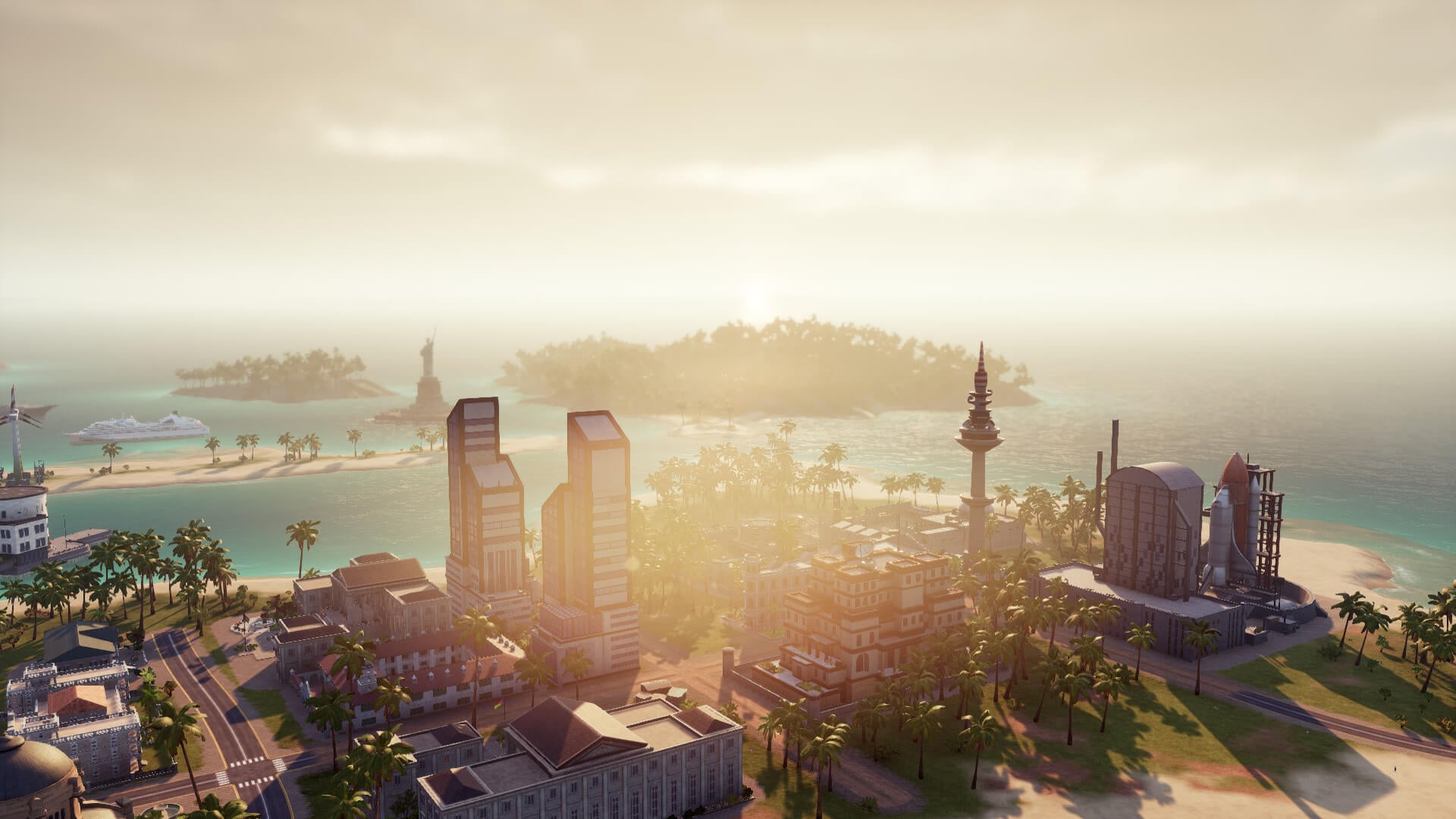
Tropico 6 is a lighter recommendation, but it earns its place because transport choices still affect how well your island functions. Bridges, road links, commute times, teamster routes, and service access all shape efficiency, even if the simulation is less granular than the heaviest traffic-focused city builders.
This is a good fit for players who want city planning decisions with personality and a little more flexibility. You still need to think about how goods and people move, but the game does not bury you under constant traffic engineering. That makes it easier to enjoy if you like transit and flow without wanting a full-on congestion simulator.
The limitation is depth. Traffic exists, but it is not the whole game, and transit planning is less specialized than in stronger picks like Cities: Skylines 2 or Workers & Resources. Good match for broad city-builder players, weaker match for hardcore traffic purists.
Foundation

Foundation takes a softer, more organic approach to movement. Its road network emerges from citizen paths rather than strict grid planning, which creates a different kind of traffic challenge: reading natural desire lines and supporting them instead of forcing everything into a rigid layout.
That makes it a smart pick for players who care about how settlement form changes circulation. Transit planning is not the star here, but movement patterns absolutely shape where markets, production, and housing make sense. New players often find this more intuitive than stricter road hierarchy systems.
The tradeoff is that it is not a transit-heavy city builder. You are not building layered metropolitan transport systems, and the traffic pressure is less technical. It fits best if you like flow as an urban design problem rather than as a deep transportation sim.
Timberborn
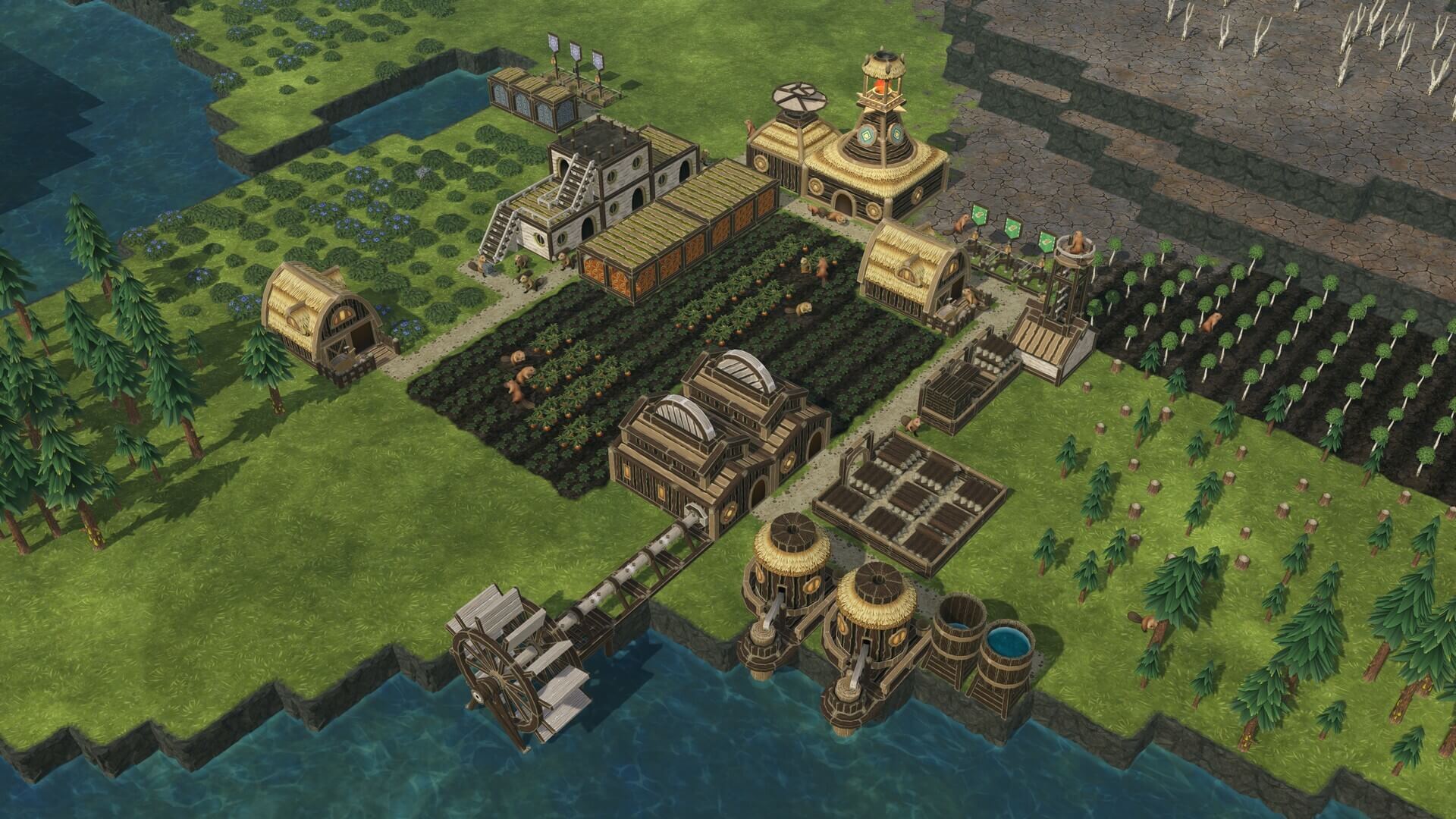
Verticality changes the traffic conversation in Timberborn. Movement, pathing, district connections, and production access matter a lot, especially once your settlement grows into stacked infrastructure with water systems and industrial chains competing for space.
It fits players who like spatial planning more than realistic transit networks. The interesting part is not cars or trains but how path efficiency, work travel, and settlement layout affect survival and productivity. That gives it a real connection to city builder traffic, just through colony sim structure instead of modern urban transport.
The reason it may not click is thematic and mechanical scope. If you want recognizable public transit systems or city-scale commuter design, this is the wrong tool for the job. It is here because flow matters, not because it models transit in a conventional way.
Kingdoms Reborn
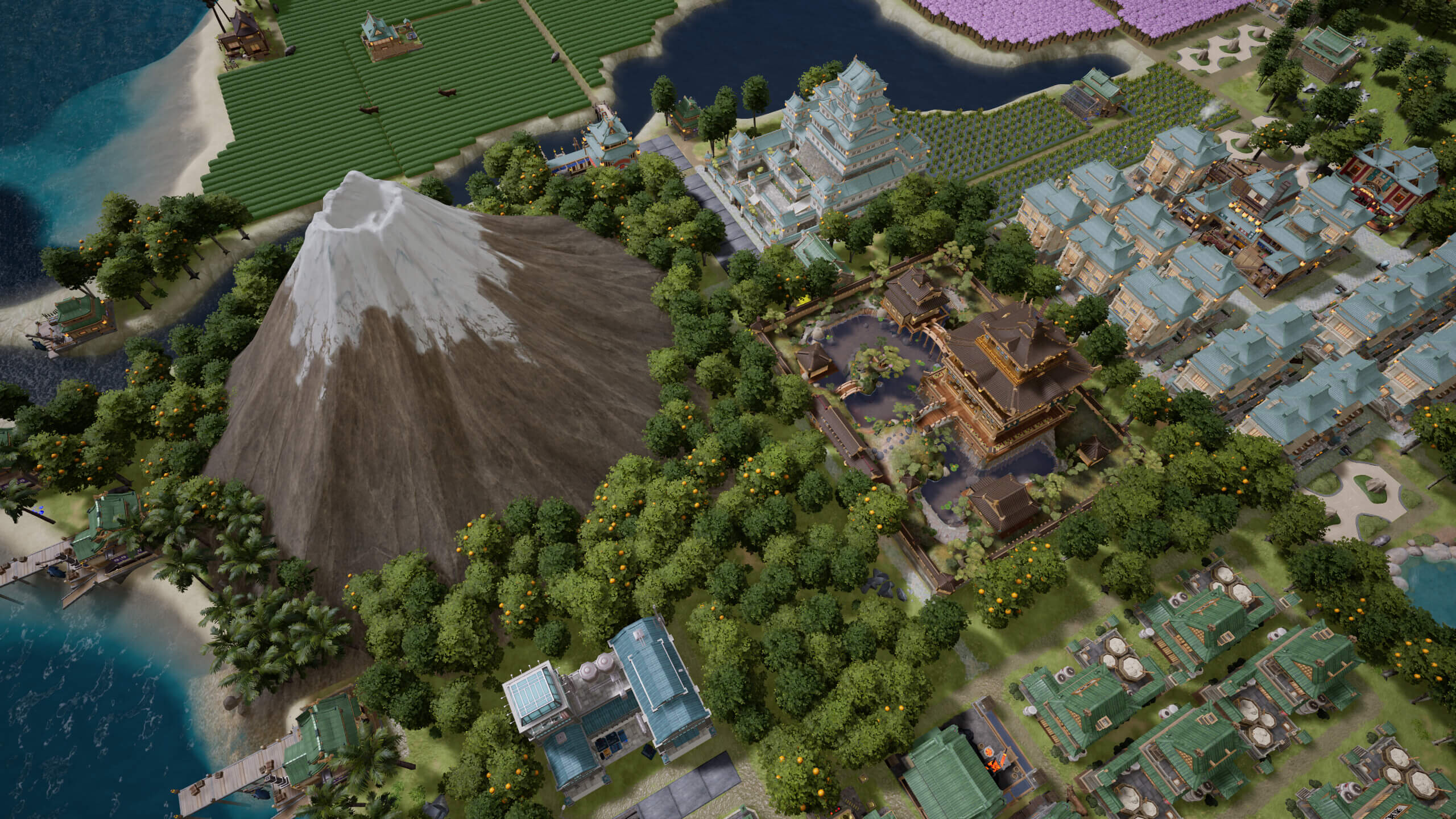
Kingdoms Reborn deserves a look if you want a broader economic city builder where network efficiency still matters. Trade routes, regional expansion, resource placement, and settlement links create steady pressure to think about movement across your territory rather than only inside a single dense city core.
This clicks for players who enjoy balancing growth and logistics without getting dragged into hyper-detailed road engineering. It tends to work best when you want a city builder that keeps transport relevant while staying more approachable than the hardest simulation-heavy entries.
The tradeoff is precision. It does not deliver the same rich urban traffic analysis as the top picks here, and transit is not the defining feature. Strong enough to matter, not strong enough to anchor the whole experience for players chasing detailed transport systems.
Frostpunk 2
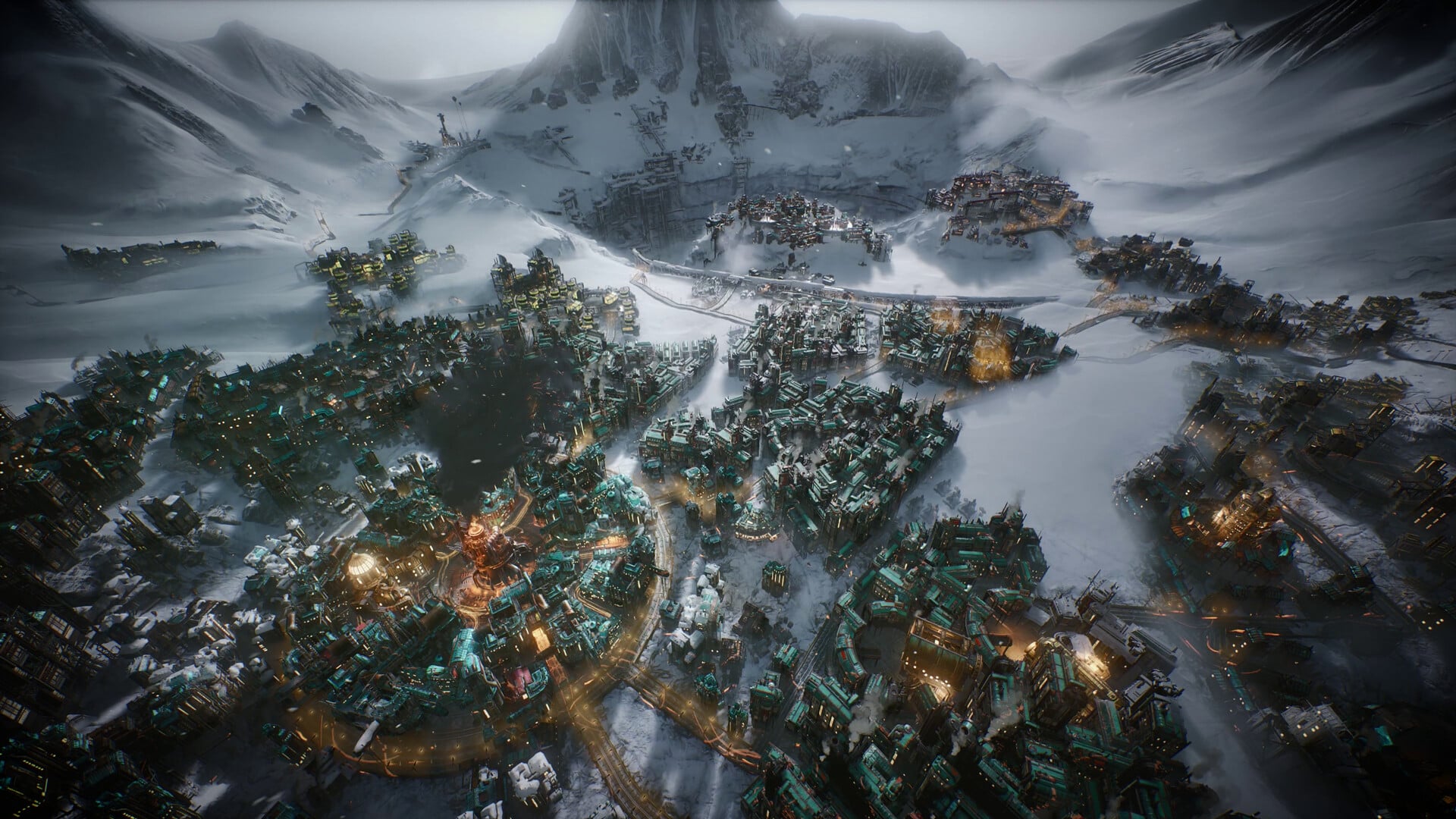
Frostpunk 2 is on this list because circulation and infrastructure pressure shape planning in a harsher, more abstract way. Movement is less about lane traffic and more about how districts, resources, labor, and civic priorities connect under severe constraints.
This is for players who want transport to matter strategically rather than microscopically. The city layout has real consequences, and the game is very good at making infrastructure feel political, scarce, and high-stakes. That matters if your interest in traffic systems comes from wanting cities where flow affects everything else.
The drawback is that it is only a partial fit for this topic. You are not getting detailed transit line design or classic city games with good transit. What you do get is a city builder where movement and access meaningfully shape survival, and that overlap is strong enough to justify its spot.
Settlement Survival
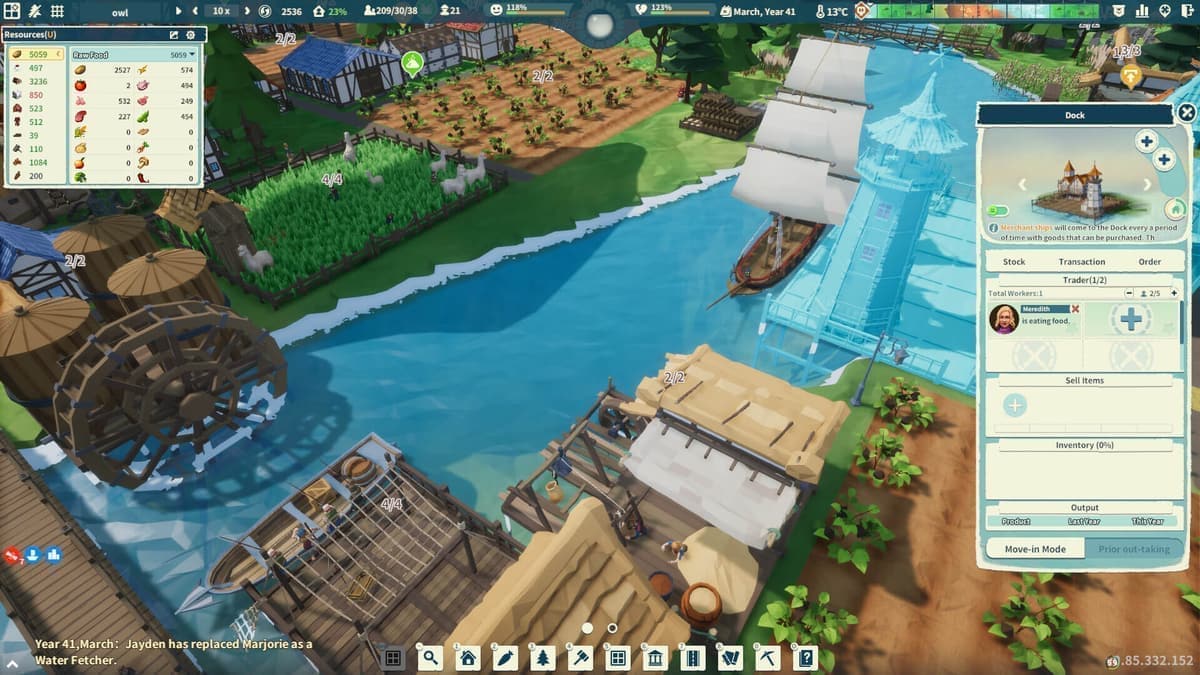
Settlement Survival rounds out the list as a lighter, more accessible option. Roads, service range, production access, and citizen travel all matter enough to influence city layout, but the game stays readable and direct.
It fits players who want some traffic logic without making network design the whole challenge. That makes it useful for people who enjoy seeing how movement affects efficiency but do not want to spend most sessions untangling intersections or redesigning freight corridors.
Its limitation is depth. Compared with the best traffic systems in city builders, this is a simpler model and a less specialized recommendation. It is best seen as an approachable middle ground, not as the final answer for transport obsessives.
Which type of player will enjoy these most
These games click best for players who already know that traffic is not just cosmetic friction. If you enjoy watching a city fail because one freight corridor is overloaded, or because a transit network no longer matches where people actually live and work, this list is aimed at you.
The strongest picks split into three camps. Cities: Skylines 2 and Cities: Skylines are best for players who want urban traffic to be the main long-term puzzle. Workers & Resources: Soviet Republic is for people who want transit to function as essential labor infrastructure. Anno 1800 and InfraSpace work better if your taste leans toward logistics flow more than realistic commuter behavior.
One judgment call matters here: transit planning rewards different skills than zoning. A lot of players enjoy land use and visual design, then bounce off games where route efficiency and hierarchy matter more than aesthetics. Another is that some players optimize for flow, others for realism, and not every game on this list supports both equally well.
What matters most when picking your next game
Do not just ask whether a game has traffic. Ask whether traffic changes your decisions often enough to matter. In weaker city builders, transport exists as light friction. In the better ones, it controls growth, district shape, freight reliability, and even whether whole neighborhoods function.
Also separate urban traffic simulation from logistics pressure. Those are related, but not identical. If you want lane hierarchy, congestion relief, and transit coverage, start with Cities: Skylines 2 or Cities: Skylines. If you care more about worker movement, industrial throughput, or network efficiency, Workers & Resources, Anno 1800, and InfraSpace are better fits.
The other common mistake is underestimating scale. Traffic can become the real endgame in some city builders, and the late-game feel varies a lot. Some games stay readable as the map grows. Others become deliberately demanding. Pick based on how much network troubleshooting you actually want to do, not just how attractive the city looks in screenshots.
A desk upgrade that suits long planning sessions
Traffic-heavy city builders reward long sessions spent reading overlays, tracing routes, and comparing network fixes side by side. A dual monitor arm helps more than it sounds, especially if you keep maps, notes, or reference windows open while planning.
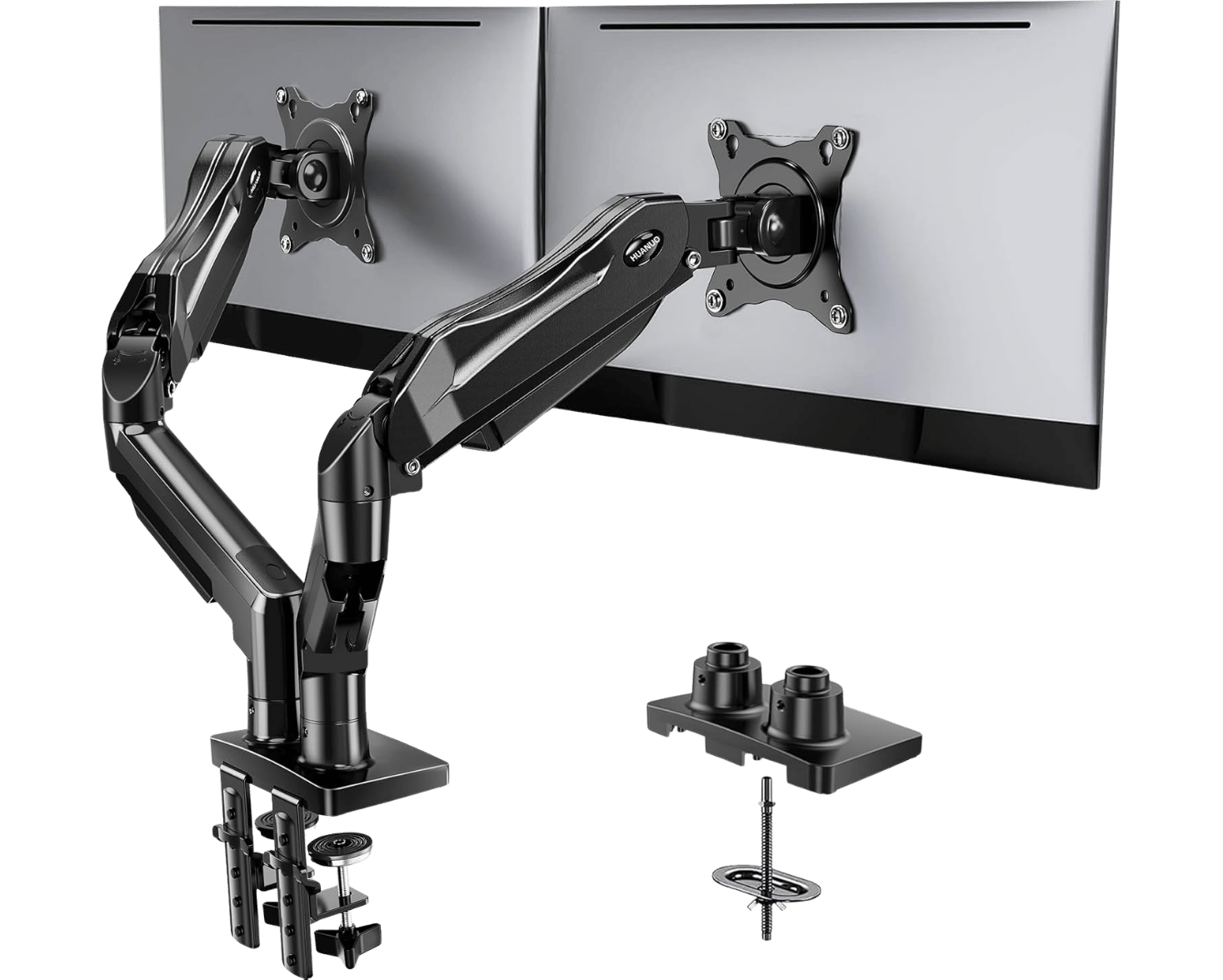
HUANUO FlowLift Dual Monitor Stand
Frees desk space and improves viewing angle for long factory and strategy sessions.
FAQ
Which city builder has the best traffic system overall?
For most players, Cities: Skylines 2 is the best overall pick because traffic and transit affect city planning at multiple levels. If you want the most demanding transit-first design instead, Workers & Resources: Soviet Republic is the stronger specialist recommendation.
What are the best city games with good transit?
Cities: Skylines 2, Cities: Skylines, and Workers & Resources: Soviet Republic are the clearest answers. They make buses, rail, or broader public transport planning matter enough to change how you build the city.
Are there good traffic management city builders that focus more on logistics?
Yes. InfraSpace and Anno 1800 are the best fits on this list if your interest is more about flow, routing, and throughput than commuter realism. They are less about classic urban traffic jams and more about keeping networks efficient.
Which game is best if I care about realism more than convenience?
Workers & Resources: Soviet Republic is the best fit if you want infrastructure, labor movement, and transit to feel strict and consequential. Cities: Skylines 2 is also strong, but it balances realism with a broader city-sim format.
What should I avoid if I only want deep transit planning?
Skip the partial fits first. Foundation, Timberborn, Kingdoms Reborn, and Settlement Survival all use movement meaningfully, but they are not transit specialists. Go straight to Cities: Skylines 2 or Workers & Resources: Soviet Republic instead.
Takeaway
For players searching city builders best traffic systems, the best choices are the games where movement shapes planning at every stage, not just the ones that technically include roads or transit. Start with Cities: Skylines 2 for the broadest urban traffic challenge, pick Workers & Resources: Soviet Republic if transit should be core infrastructure, and look at Anno 1800 or InfraSpace if your idea of flow is really a logistics problem.