Best City Builders for Production Chains and Logistics
City builders where supply chains, industry, and logistics matter as much as roads and housing.
Best City Builders for Production Chains and Logistics
The city builders best production chains players look for are not just about pretty skylines or efficient road layouts. They are about turning raw inputs into finished goods, keeping supply moving, and solving the extra layer of planning that starts after housing and services are stable.
This list is for players who want Anno-style depth in a city builder, where industry and supply chains are the core puzzle. Some of these games push logistics to the center, some tie production to survival pressure, and a few are only partial fits, but all of them make industry matter in a real way.
Quick take
- Anno 1800 is still the clearest pick if you want deep, readable production chains inside a traditional city builder structure.
- Anno 117: Pax Romana is the fresher Anno entry if you want trade-and-production juggling with gentler onboarding.
- Workers & Resources: Soviet Republic is the choice when you want logistics friction to be the whole game, not a side system.
- InfraSpace works best for players who care more about routing goods than decorating districts.
- Whiskerwood is the cozy production-chain pick when you want industry satisfaction without survival stress.
- Against the Storm is the best short-session option if you want supply chain decisions without committing to one giant city for weeks.
The picks
Anno 1800
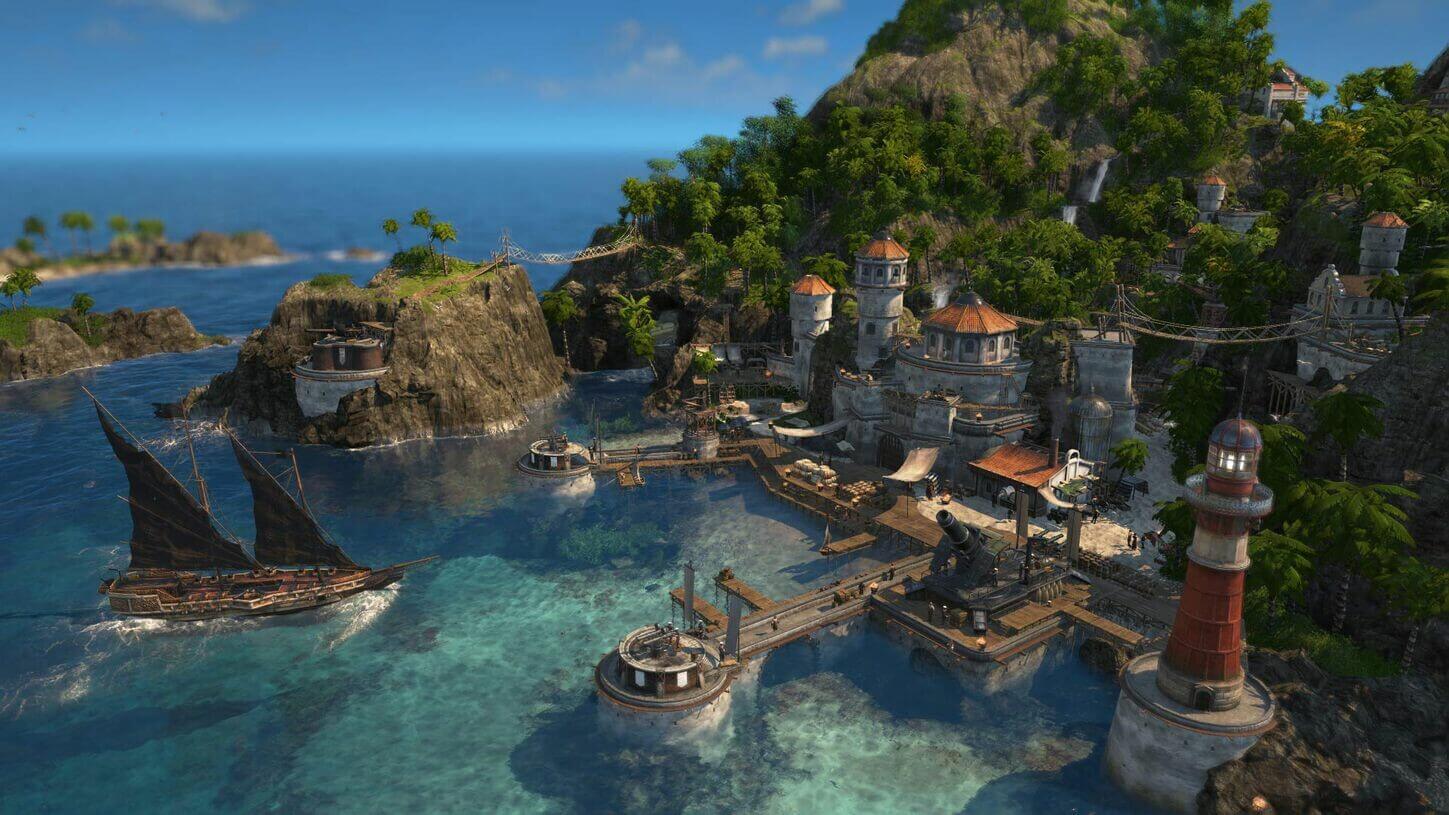
This is the benchmark for this topic. Anno 1800 belongs here because it makes production chains central from the first hours to the late game, and it does it in a way that stays legible even as your economy gets layered across multiple islands.
It fits players who want city builder structure first, but with industry and trade doing as much heavy lifting as housing and decoration. New players often find Anno easier to read than denser logistics city builders because the needs chains are clear and the feedback is immediate.
The tradeoff is scale and complexity creep. Once inter-island shipping, workforce tiers, and multiple regions kick in, the game can become a lot of list-checking. This clicks most if you enjoy keeping several linked economies in balance rather than focusing on one compact city.
Anno 117: Pax Romana

Anno 117 keeps the series’ production-chain DNA and reframes it as Roman provincial governance. You still juggle needs, industry, and trade between regions, but optional population needs and a gentler onboarding path make the early economy less punishing than Anno 1800’s densest stretches.
It fits players who want Anno-style logistics in a fresh historical setting, or veterans who want another multi-region supply web without starting from the industrial-era fantasy. Trade capacity, specialization, and cascading demand still drive the late game.
The tradeoff is maturity. As the newest Anno, it is less battle-tested than Anno 1800. Judge it as a strong modern production-chain city builder, not as a finished replacement for every late-game Anno habit yet.
Workers & Resources: Soviet Republic
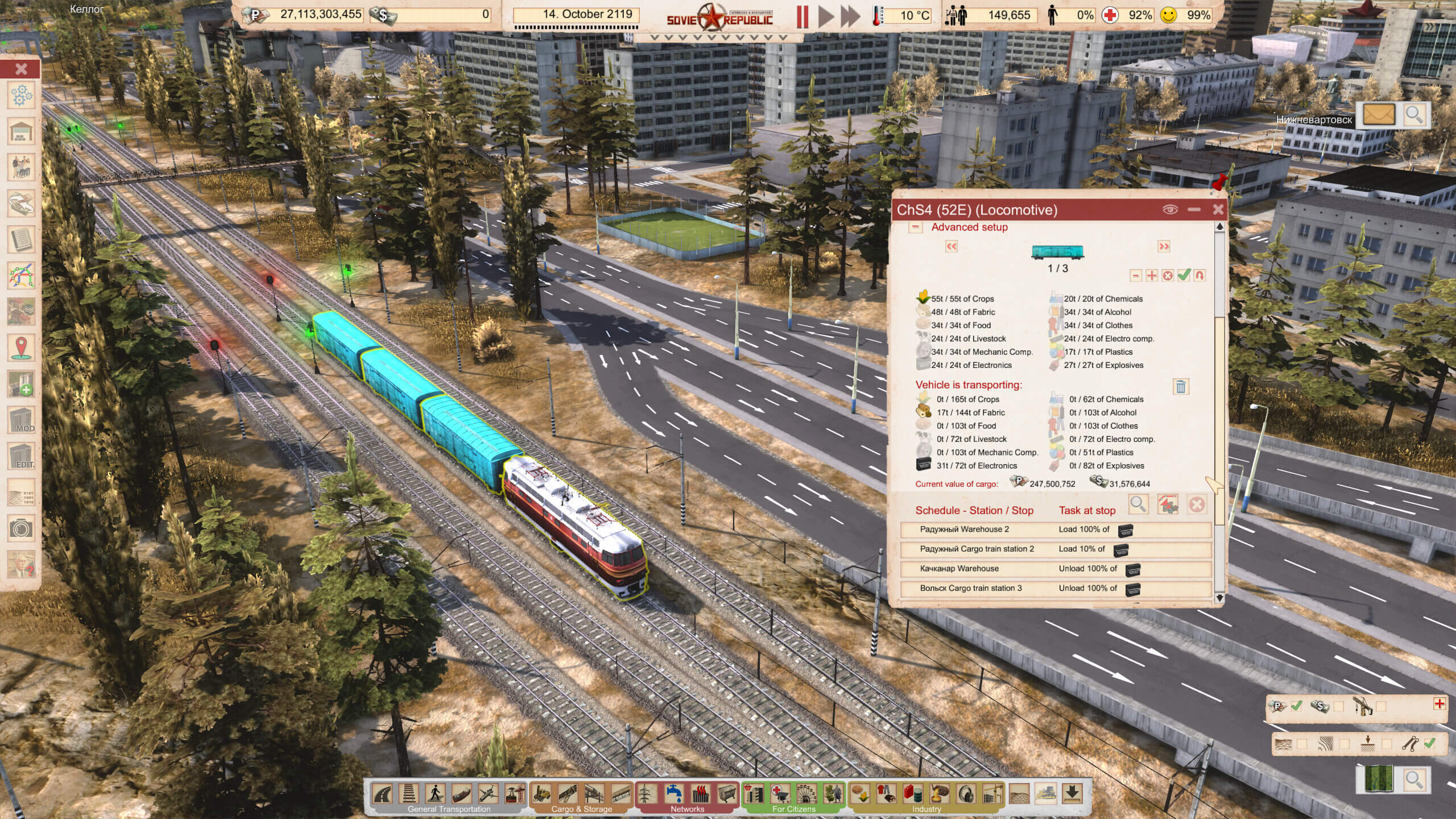
Some games make logistics the main challenge. This one absolutely does.
Workers & Resources belongs in any list of city builders best production chains because transport, labor, raw materials, warehousing, and industrial placement all matter at a far more granular level than in most city builders. You are not just zoning industry and waiting. You are building a functioning socialist economy where failure in one link can stall the whole chain.
It fits players who want deep control and do not mind friction. For many players, this is the closest thing to a factory game mindset inside a city builder frame.
The main friction is obvious: it is demanding. The learning curve is steep, mistakes can cascade, and the game asks for patience with systems that are less forgiving than Anno or Tropico. If you want smooth onboarding, this may feel like work before it feels good.
Cities: Skylines 2
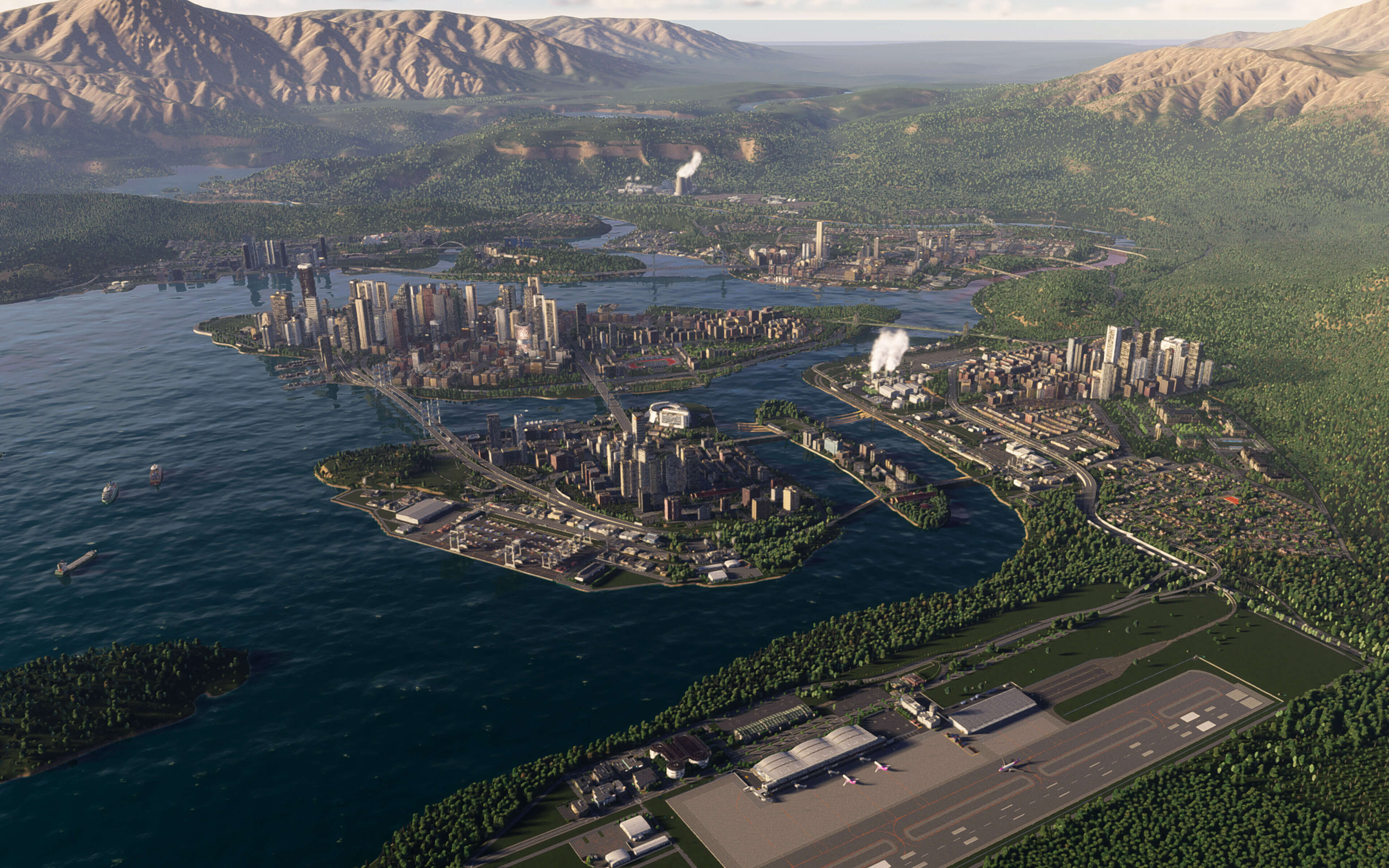
Cities: Skylines 2 is a partial fit, but still a real one. It belongs here because it leans harder into simulated economy, goods flow, and industrial specialization than many players expect from a mainstream city builder.
This is best for players who want logistics and production to matter without giving up modern road tools, district planning, and large-scale urban design. Production chains add a second layer of planning beyond zoning here, especially once you start caring about freight paths, industrial bottlenecks, and where goods are actually moving.
The limitation is that logistics depth is not the whole point of the game. If you want every truck route and production node to feel like the core puzzle, Workers & Resources or InfraSpace are stronger picks. Cities: Skylines 2 works better when you want industry depth inside a broader city simulation, not instead of it.
InfraSpace
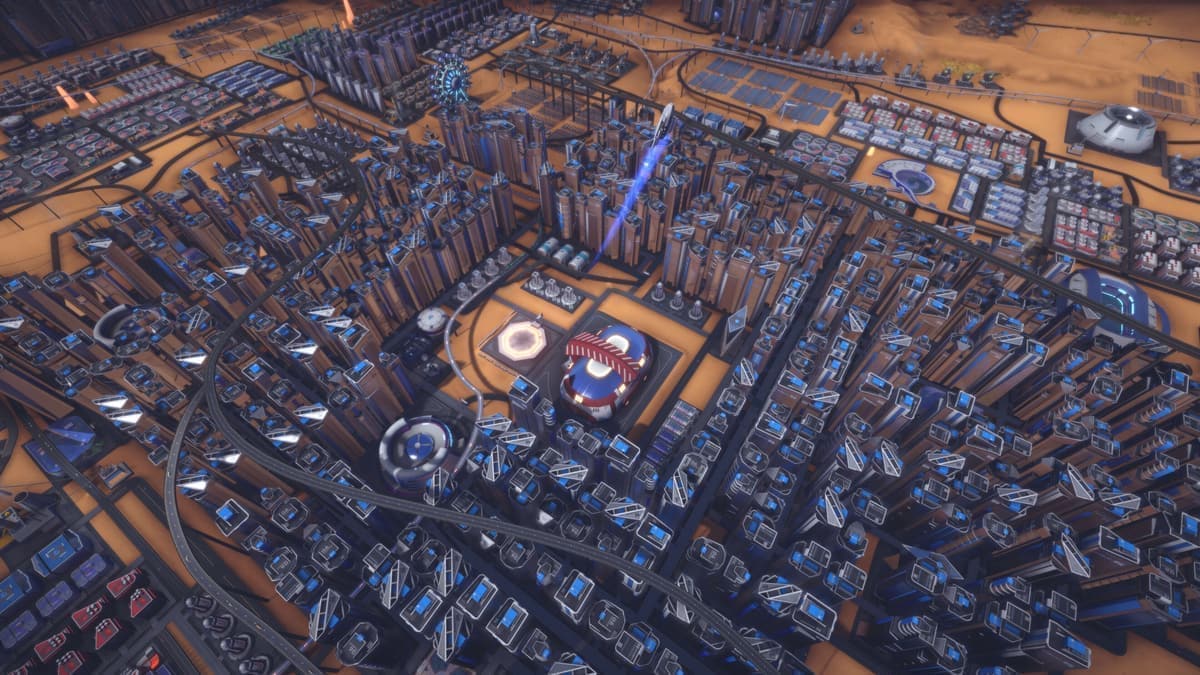
At its core, roads, freight, and throughput are the real hook. InfraSpace belongs here because it turns supply movement into the central city-building problem.
It fits players who want logistics city builders where the challenge is less about civic services and more about making industrial chains flow cleanly through a transport network. If traffic analysis and production dependencies are the fun part for you, this is one of the clearest recommendations on the list.
The downside is theme and scope. It is more system-first than characterful, and its city life is thinner than in broader city builders. This only clicks if you enjoy logistics friction and are happy for transport efficiency to overshadow the usual urban-planning fantasy.
Timberborn
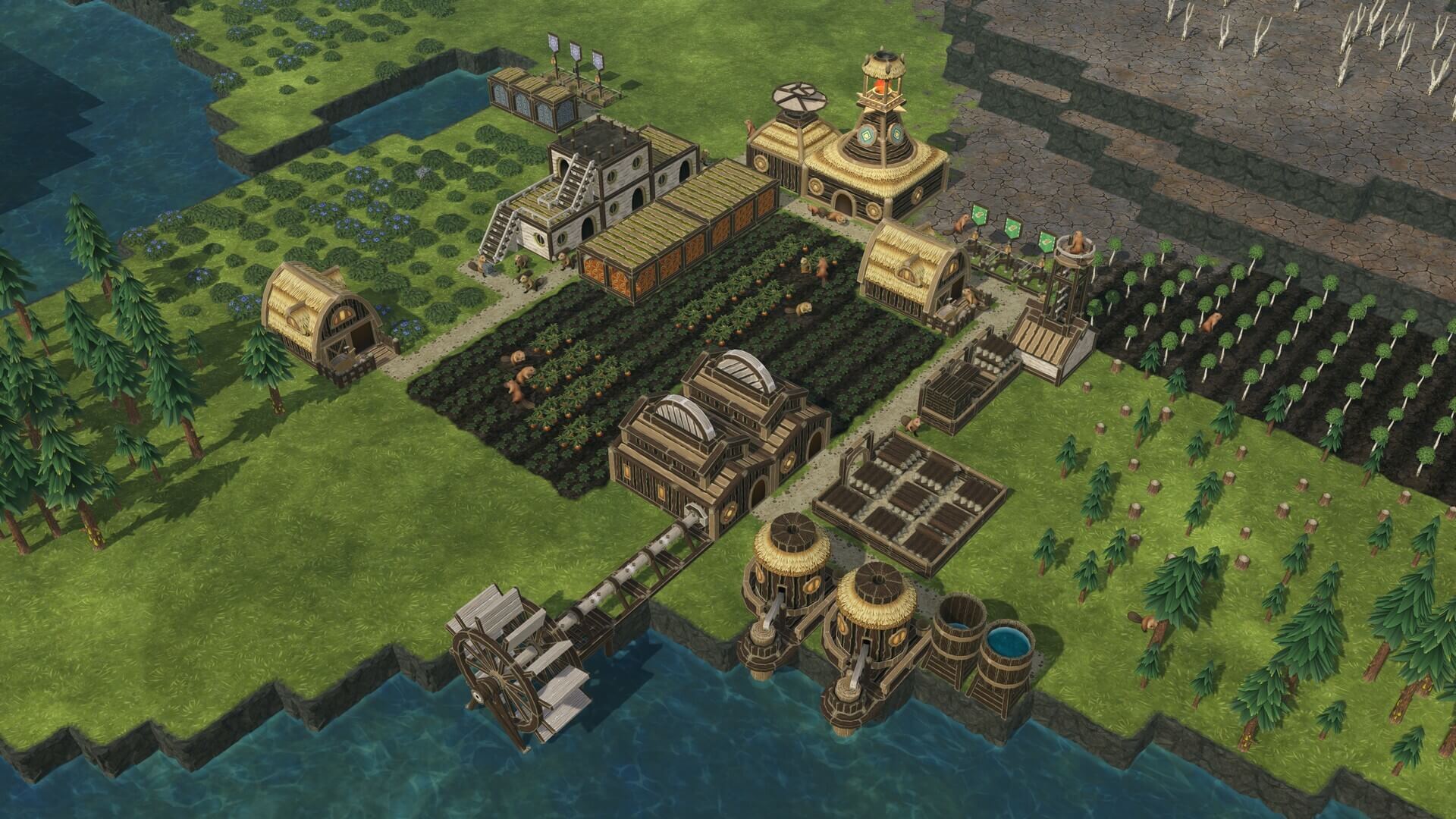
Timberborn earns its place because production is tied to terrain, water control, and vertical expansion in a way that changes how you think about city layout. Your industry is never just a flat chain on a map.
This fits players who want a colony sim feel layered into a city builder economy. It works especially well for people who like solving compact spatial problems, where storage, processing, and distribution all compete for room and elevation.
The tradeoff is tone and scale. Timberborn is less about large urban economies and more about resilient settlement design. If you want sprawling trade networks and heavy industrial complexity, it can feel smaller and more self-contained than the strongest city builder production chains picks.
Whiskerwood

Whiskerwood belongs here because production chains are the satisfaction, not the punishment. From the makers of Railgrade, it wraps layered goods and town growth in a whimsical cat-and-mouse setting with almost no survival or combat pressure.
It fits players who want readable industry loops for short, relaxed sessions. If Against the Storm or Timberborn feel too demanding some evenings, Whiskerwood keeps the “watch the chain work” pleasure without droughts or moral crises.
The limitation is intensity. It will not match Workers & Resources’ freight micromanagement or Anno’s multi-region juggling. Treat it as the cozy production-chain recommendation, not the deepest logistics sim.
Against the Storm
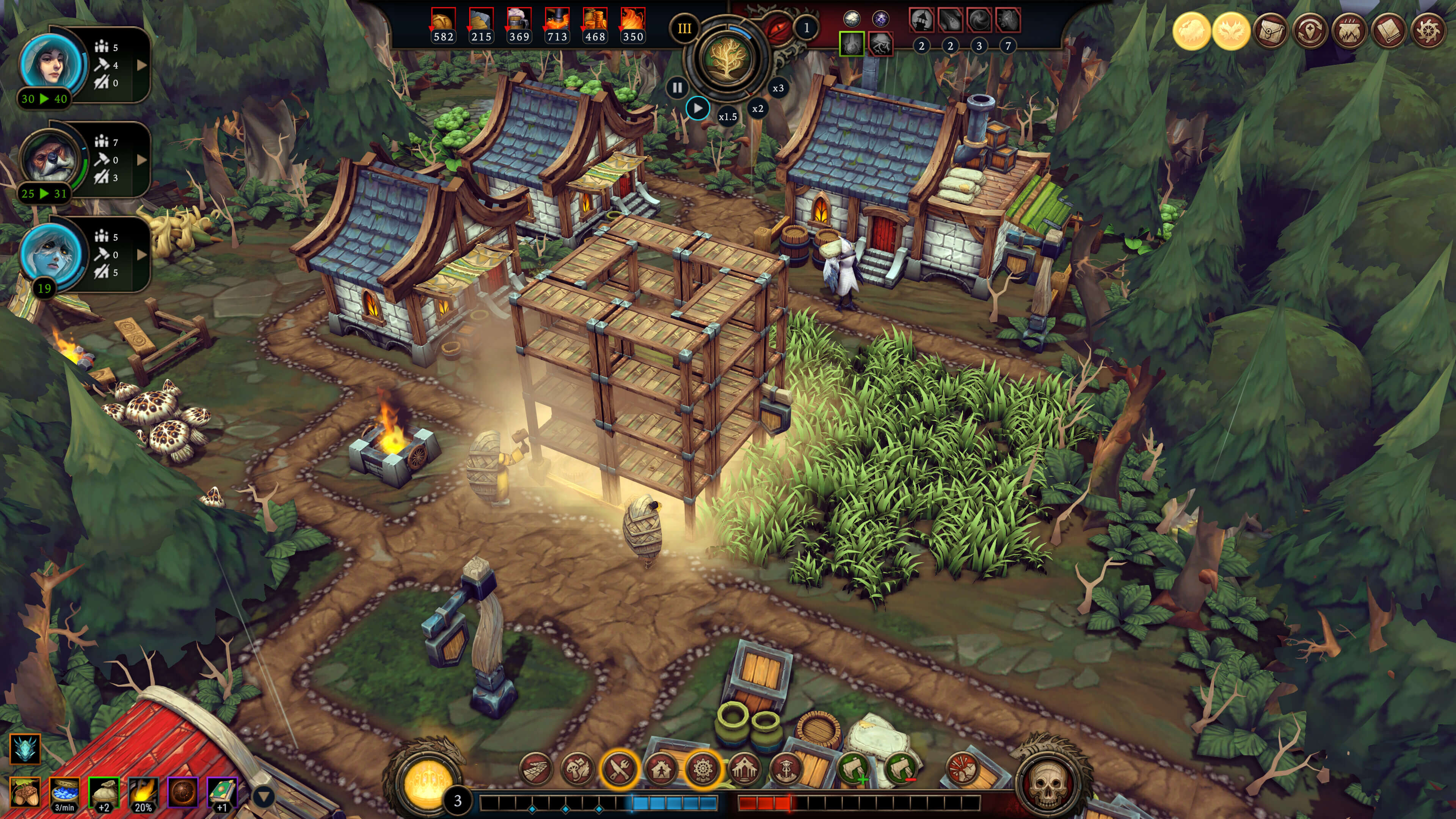
Against the Storm is the best answer for players who like production depth but do not always want a 30-hour city. It belongs here because supply chains, recipe choices, and resource conversion are the heart of every run, even though it is more colony sim than pure city builder.
This is ideal for players who enjoy making tough economic calls under pressure. The roguelite structure means you regularly adapt to new resources, map conditions, and population needs instead of optimizing one city forever.
The limitation is also the appeal: it is run-based. If your goal is one persistent metropolis with long-term logistics planning, this is only a partial fit. Still, for many players, the shorter sessions make the production puzzle feel sharper rather than smaller.
Frostpunk 2
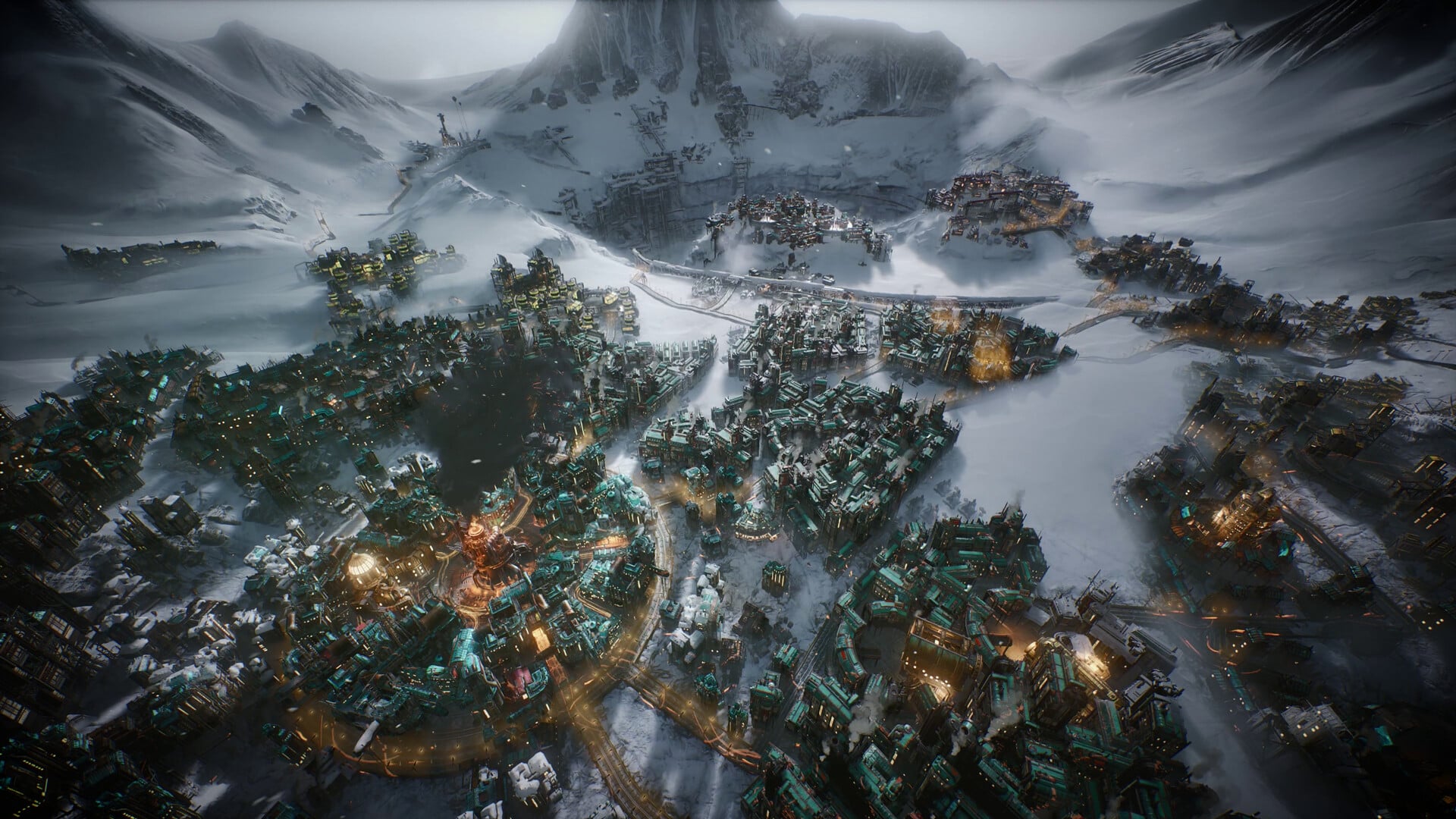
Frostpunk 2 belongs on this list because industry and resource planning carry more weight than simple survival triage. Compared with the first game, it pushes harder toward district planning, extraction, processing, and political choices around how your economy operates.
It fits players who want pressure. Every production decision matters more when heat, scarcity, and social stability are pushing back at the same time. This tends to work best when you like city builders that force priorities instead of letting you optimize at your own pace.
The obvious drawback is that survival stress never really leaves. If you want relaxing logistics optimization, Frostpunk 2 is the wrong mood. The production chains are meaningful, but they exist inside a tense, constrained framework.
Kingdoms Reborn
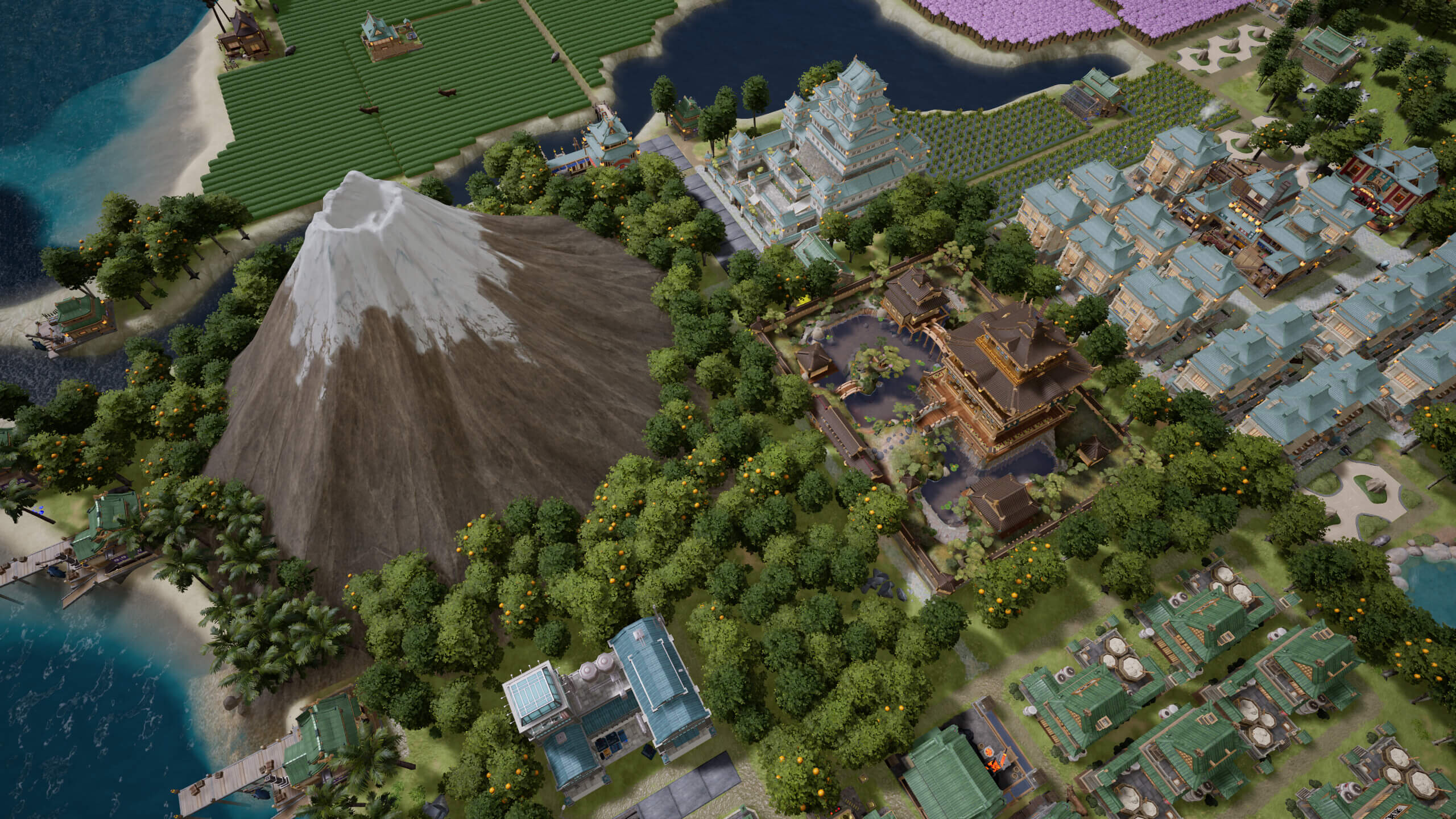
Kingdoms Reborn is here for players who want production chains in a lighter, more accessible format. It gives industry, trade, and supply planning enough weight to matter, while keeping the overall structure easier to parse than the heaviest games in this space.
This fits players who like city builders with industry but do not want the friction level of Workers & Resources. There is still plenty to think through in your economy, especially around expansion and keeping settlements supplied, but the game does not bury the player under simulation detail.
The tradeoff is depth ceiling. Once you have spent time with the genre’s more demanding systems, Kingdoms Reborn can feel less exacting. It is a good fit if you want steady economic planning, not if you want logistics to become brutally granular.
IXION
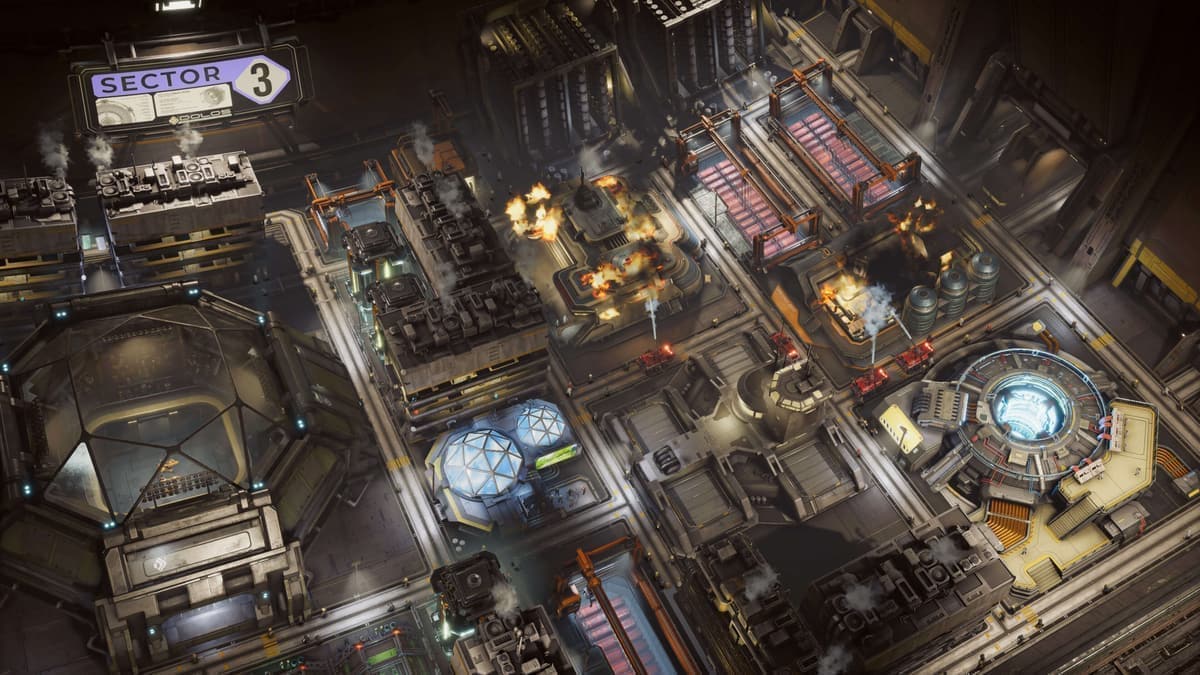
IXION is another partial fit, but a strong one. It belongs here because station expansion, resource processing, storage, and internal distribution all matter in ways that will feel familiar to players who care about supply chains first.
It fits players who want a tighter, more survival-heavy colony sim wrapped around industrial planning. Space constraints and constant pressure make every production decision feel expensive, which gives the logistics layer real weight.
The reason it may not click is rigidity. Compared with more open-ended city builders, IXION is narrower and more scripted in its progression. That focus helps the tension, but it also means less freedom to experiment with giant economic sandboxes.
Which type of player will enjoy these most
These games work best for players who think zoning alone is not enough. The common thread is that production chains add a second layer of planning beyond roads, housing, and service coverage.
If you want the cleanest Anno-style fit, start with Anno 1800 or Anno 117: Pax Romana. If you want logistics to become the whole challenge, go straight to Workers & Resources: Soviet Republic or InfraSpace. If you prefer pressure and shorter decision loops, Against the Storm and Frostpunk 2 make more sense. If you want industry without stress, Whiskerwood is the clearest cozy pick.
A useful judgment call: not every player who likes city builders with industry actually wants detailed logistics. Many players really want readable economic interdependence, not freight micromanagement. If that sounds like you, Kingdoms Reborn, Whiskerwood, or Timberborn are safer choices than the heavier simulations.
What matters most when picking your next game
The first question is simple: do you want production chains to support the city, or do you want them to drive the entire game?
If you mainly want industry to enrich a broader city builder, pick Anno 1800, Anno 117: Pax Romana, or Cities: Skylines 2. If your real goal is to debug bottlenecks, route goods, and feel the pain of inefficient layouts, Workers & Resources, InfraSpace, and to a lesser extent IXION are better fits.
The second thing to watch is session feel. Against the Storm and Frostpunk 2 are intense and directive. Timberborn is more spatial and experimental. Whiskerwood and Kingdoms Reborn are easier to settle into. Players often choose based on features when they should really choose based on pressure tolerance and how much logistics friction they actually enjoy.
A useful desk upgrade for long logistics sessions
City builders with deep production chains tend to turn into long, map-heavy sessions, especially once you are tracking bottlenecks across multiple panels. A cleaner monitor setup helps more than most players expect.
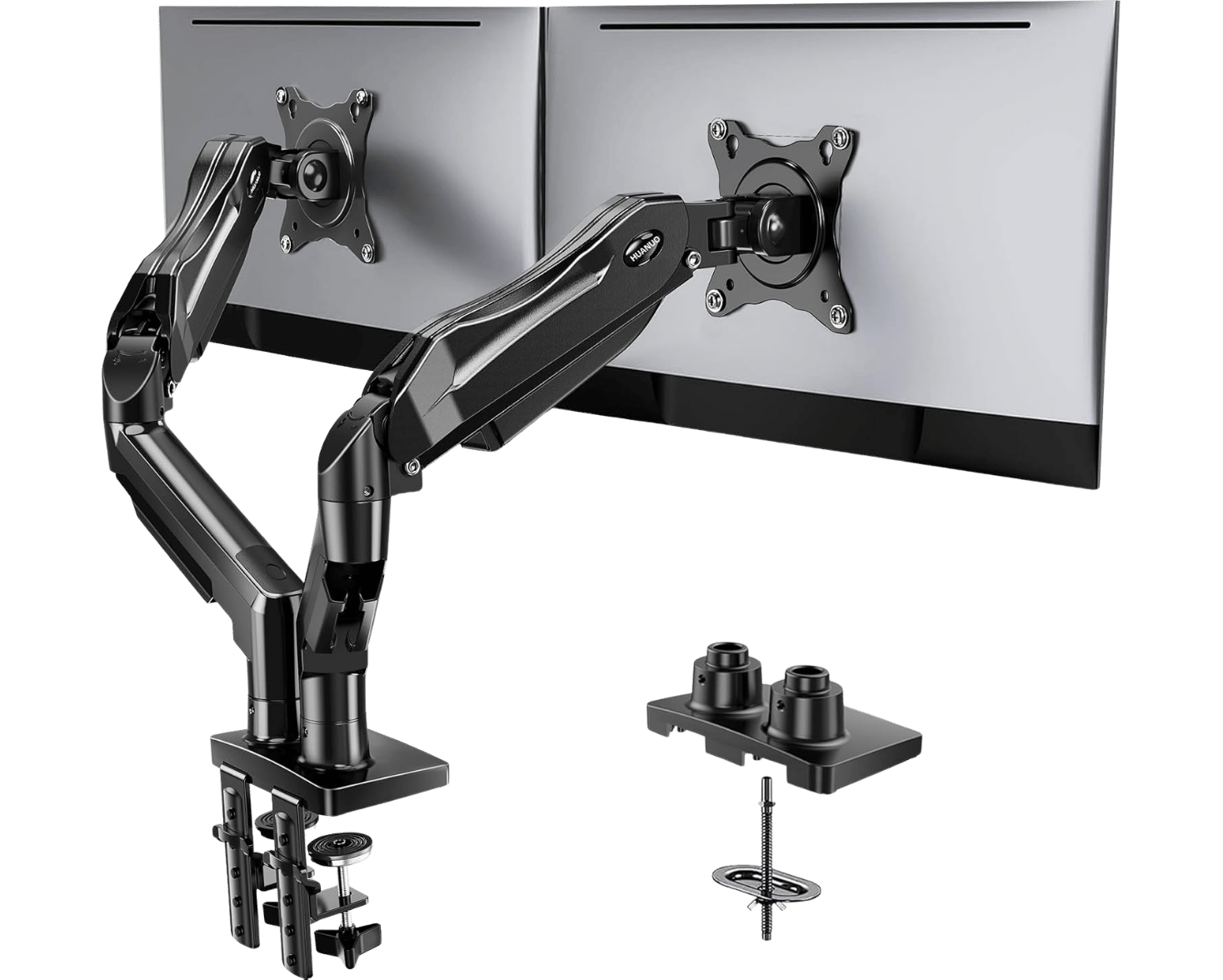
HUANUO FlowLift Dual Monitor Stand
Frees desk space and improves viewing angle for long factory and strategy sessions.
FAQ
What is the best city builder for production chains?
For most players, Anno 1800 is the best overall pick. It balances deep production chains with readable city building better than almost anything else on this list. Anno 117: Pax Romana is the stronger “new Anno” recommendation if you want gentler onboarding in a Roman setting.
Which game has the deepest logistics systems?
Workers & Resources: Soviet Republic is the deepest pure logistics recommendation here. InfraSpace is also a strong pick if traffic flow and goods routing are the part you care about most.
Are these all pure city builders?
No. A few are partial fits that lean into colony sims, especially Against the Storm, Timberborn, and IXION. They still belong because supply chains and industrial planning are core to how they play.
What should I start with if I am new to city builder production chains?
Start with Anno 1800 or Anno 117: Pax Romana if you want the strongest all-around recommendation. Whiskerwood and Kingdoms Reborn are also easier entry points than the more demanding logistics-heavy games.
Which of these is best for shorter sessions?
Against the Storm is the easiest recommendation for shorter sessions. Its run-based structure keeps the production puzzle focused without asking for one huge long-term city.
Takeaway
The city builders best production chains players should start with depend on how much logistics they want to feel. Anno 1800 is the best all-around choice, Anno 117 is the freshest series follow-up, Workers & Resources is the deepest, InfraSpace is the clearest traffic-and-goods fit, and Whiskerwood is the cozy production-chain option.