Games Like Foundry: 8 Factory Builders to Play Next
Looking for games like Foundry? These factory builders cover first-person construction, automation, logistics, voxel-style building, co-op, and large-scale sandbox production.
Most Foundry alternatives miss the point.
Foundry is not just another factory game with belts. The appeal is building automation in first person, inside a world you can dig through, reshape, rebuild, and slowly turn into an industrial mess that somehow works.
So this list is not just a pile of random logistics games.
The closest matches are games that preserve the physical factory feel: walking through production lines, building in 3D, cleaning up conveyor spaghetti, and expanding inside a real space. Other picks are here because they overlap with Foundry in a specific way: deeper logistics, bigger scale, programmable automation, voxel construction, or cleaner belt puzzles.
Quick take
For games like Foundry, start by deciding what you actually want to replace.
- Closest overall fit: Satisfactory
- Closest first-person alternative with combat/co-op: StarRupture
- Closest underground first-person alternative: Techtonica
- Best pure logistics upgrade: Factorio
- Best for huge sci-fi scale: Dyson Sphere Program
- Best for programmable automation: Desynced
- Best construction sandbox partial fit: Space Engineers
- Best heavy industrial management fit: Captain of Industry
- Best clean belt-logic option: Shapez 2
Comparison table
| Game | Closest Foundry overlap | Biggest tradeoff |
|---|---|---|
| Satisfactory | First-person 3D factory building | No voxel terrain |
| StarRupture | First-person automation + open-world co-op | Early access; heavier survival/combat |
| Techtonica | Underground first-person automation | More directed progression |
| Factorio | Deep logistics and scaling | Not first-person |
| Dyson Sphere Program | Massive sci-fi automation | Less hands-on factory presence |
| Desynced | Programmable automation | Less tactile construction |
| Space Engineers | Voxel sandbox building | Not a true factory sim |
| Captain of Industry | Industrial systems depth | Heavier management layer |
| Shapez 2 | Clean belt logic | Abstract and minimal |
Closest first-person Foundry alternatives
Satisfactory
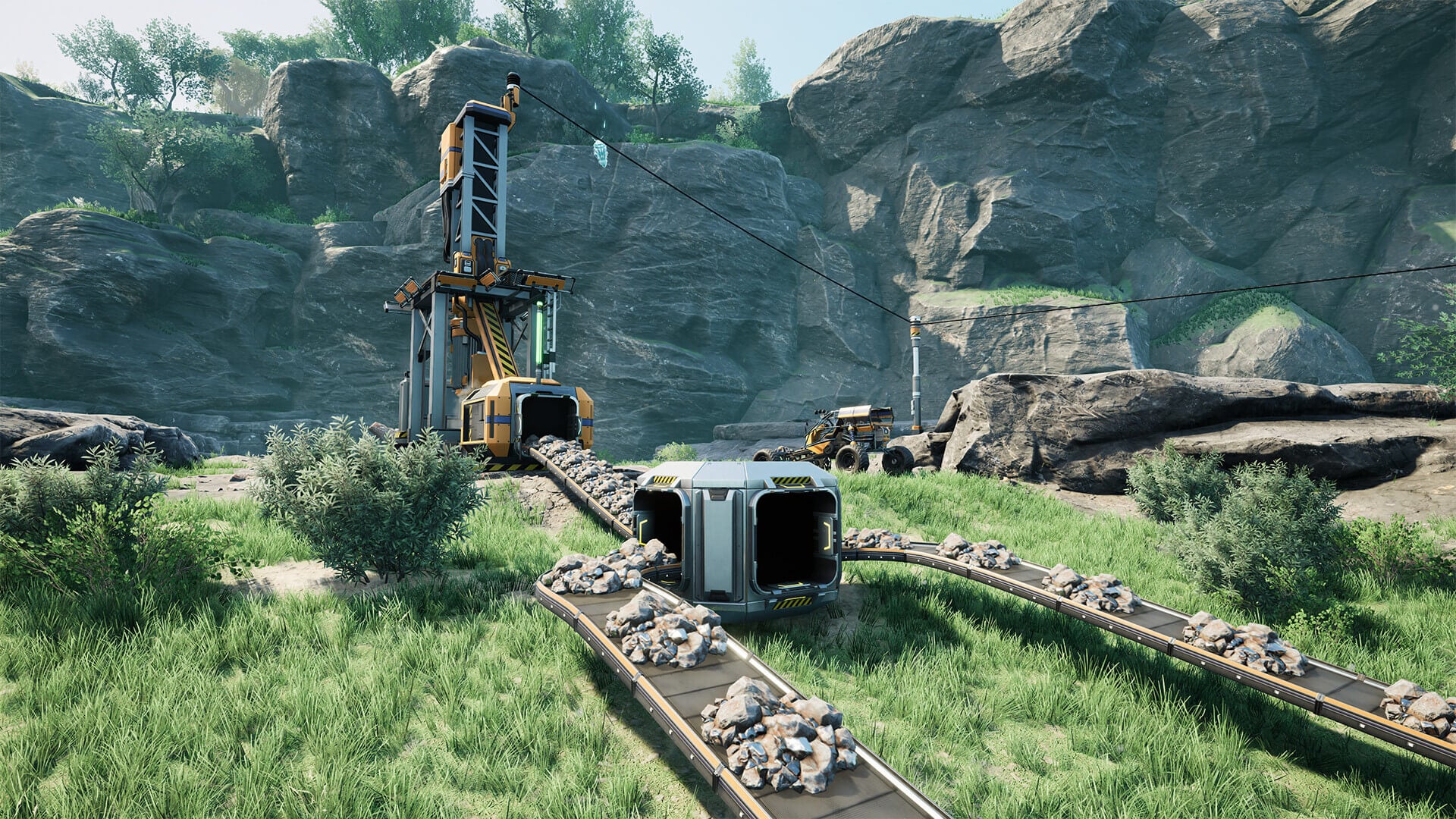
Satisfactory is the easiest recommendation for Foundry players who want first-person factory building without giving up scale. It has 3D factories, exploration, co-op, and vertical building, so the factory feels like a place you inhabit rather than a diagram you supervise.
This is the best fit if Foundry's appeal is walking through your production lines, building upward, cleaning up spaghetti, and turning an ugly starter base into something readable. It keeps the pace relatively relaxed compared with harsher factory sims, which makes it strong for long sandbox sessions.
The main tradeoff is the construction language. Foundry's voxel-based world gives it a more modular, block-by-block feel. Satisfactory is still highly flexible, but it is not a one-to-one replacement if voxel terrain and grid-based world shaping are the specific hook.
If you want the safest answer, start here. Satisfactory is not identical to Foundry, but it understands the same basic fantasy: standing inside a growing industrial machine and making it better piece by piece.
StarRupture
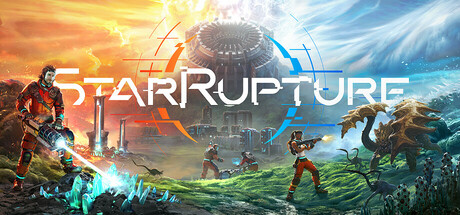
StarRupture is one of the closest first-person alternatives when Foundry’s appeal is inhabiting an industrial base in a hostile world with friends. You gather, automate production lines, expand outward, and fight alien fauna — solo or in up to four-player online co-op.
This clicks if you want the hands-on factory feel with more survival and combat pressure than Foundry usually delivers. Role-splitting in co-op is clearer here: production, scouting, and defense all stay busy at once.
The limitation is polish and identity. StarRupture is early access and still balancing “automation game” against “survival shooter.” If you want voxel terrain shaping and a calmer factory sandbox, Foundry or Satisfactory remain safer. If you want first-person automation that expects co-op and combat, start here after Satisfactory.
Techtonica
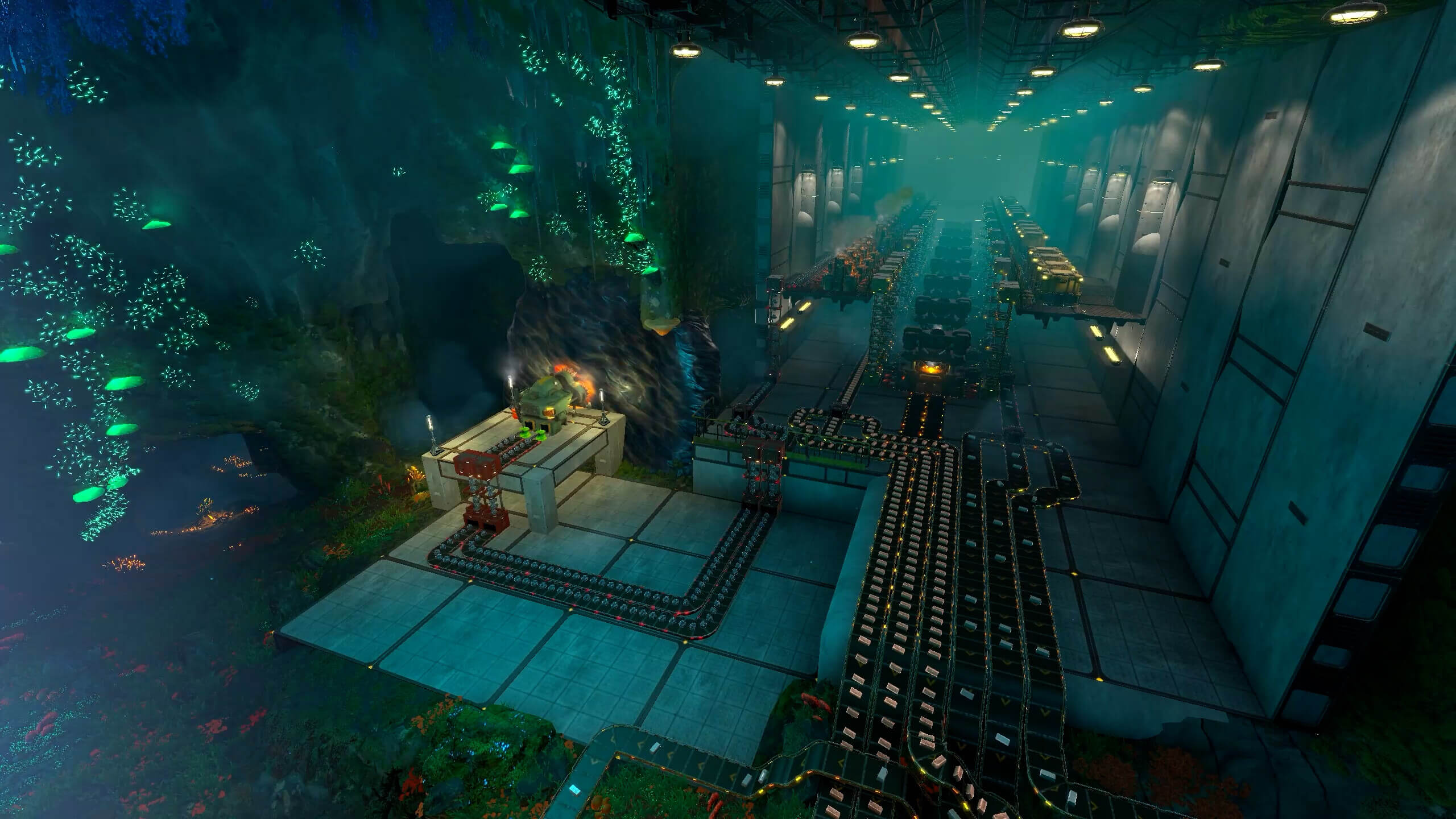
Techtonica is the other obvious first-person factory pick. It keeps the camera close to the machines and pushes automation into an underground sci-fi setting, with exploration, excavation, conveyors, machines, and co-op all tied into cavern-scale growth.
This clicks most if you like Foundry's sense of digging into a world and gradually industrializing it. The underground setting gives factory expansion a different rhythm than open-air sandbox planning. Space is something you uncover, not just occupy.
The limitation is replay shape. Techtonica is a strong fit for players who want a directed underground automation arc, but it may feel less like a forever sandbox than Foundry if your favorite part is endlessly reshaping a wide-open factory world.
If you only care about first-person factory building, start with Satisfactory, StarRupture, and Techtonica. Everything after that is a compromise: deeper logistics, bigger scale, cleaner puzzles, or broader sandbox systems, but less of the Foundry feeling.
Best logistics-heavy alternatives
Factorio
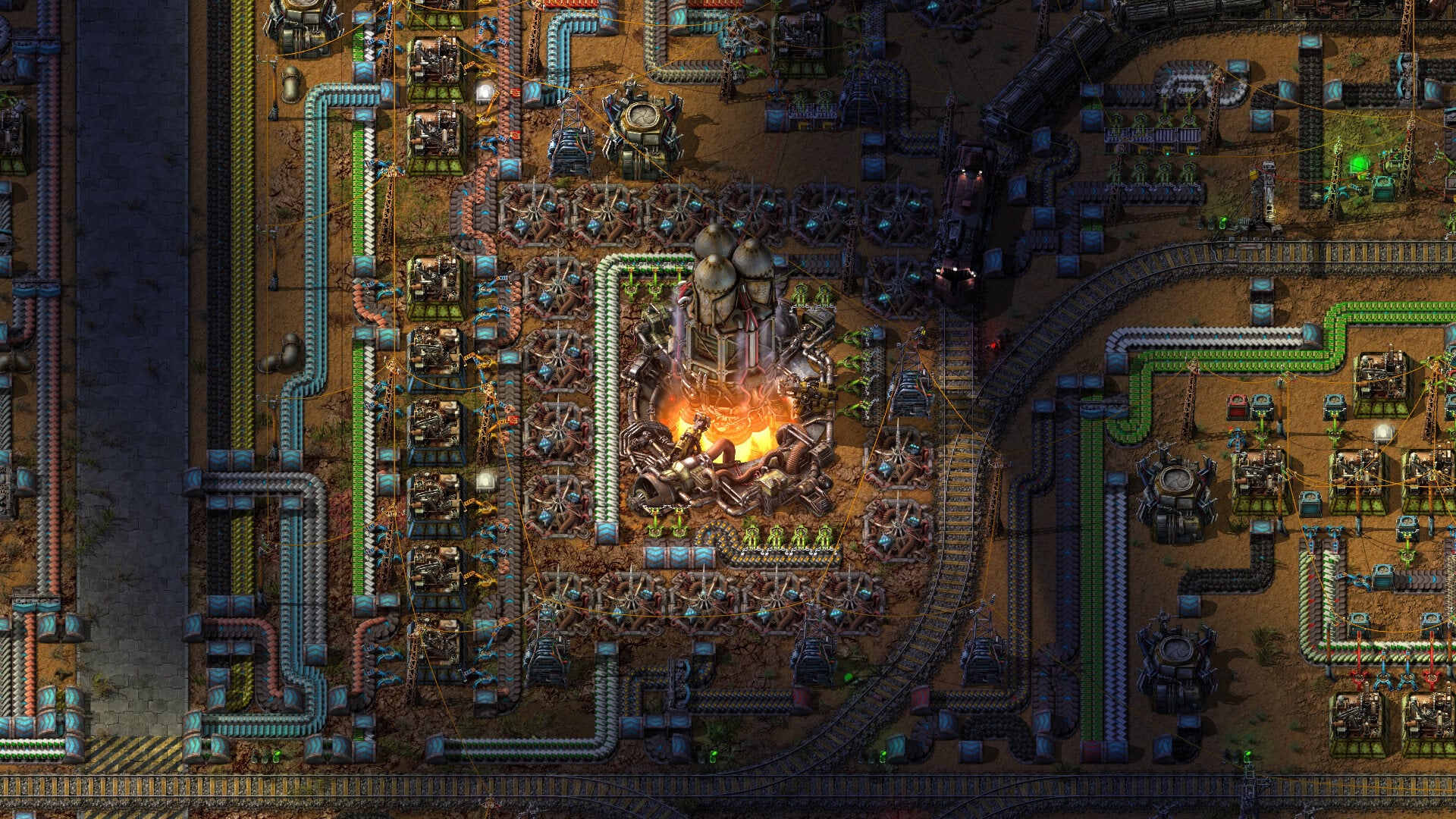
Factorio is not a Foundry replacement. It is what you play when you decide the first-person sandbox can die, but the factory brain needs to get sharper.
If what you love in Foundry is the escalation from mining to belts to increasingly demanding production chains, Factorio takes that pressure seriously. Belts, trains, blueprints, throughput, expansion, and combat pressure all matter.
The common mistake is assuming it scratches the same construction itch. It does not. Factorio is the pick for players who care more about ratios, routing, bottlenecks, scalable design, and the beautiful pain of watching one weak supply line poison the whole system.
That tradeoff is real. Factorio is harder, more demanding, and less interested in the tactile 3D construction feel that defines Foundry. If first-person factory games are what you want specifically, start with Satisfactory or Techtonica before jumping here.
Dyson Sphere Program
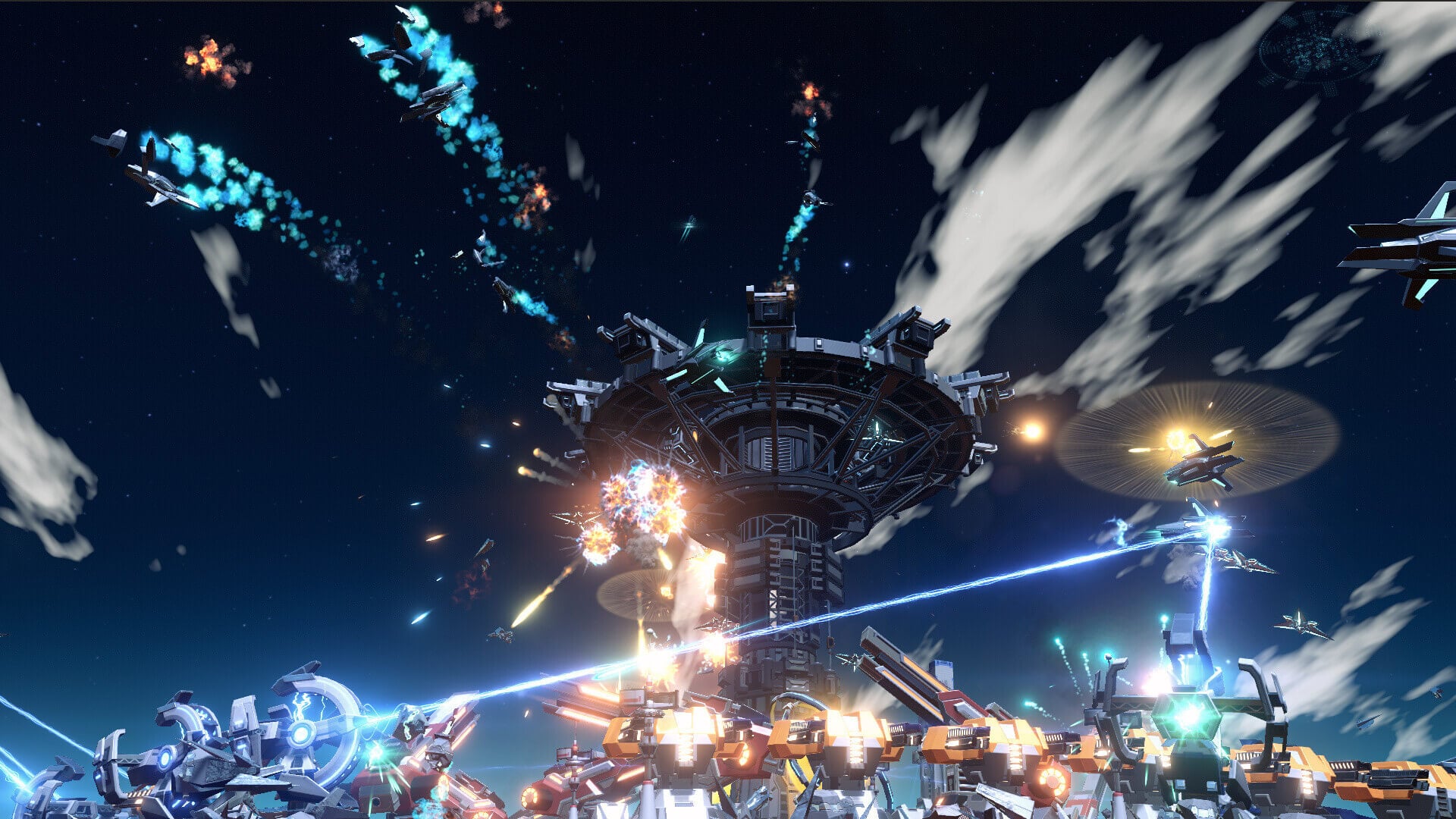
Dyson Sphere Program is for Foundry players who want the factory to outgrow the planet. Its strength is automation scaling: planetary production, interplanetary logistics, and megastructure construction all push the genre toward a much larger sci-fi frame.
It fits best if Foundry's appeal is progression from small machines to a massive industrial network. Instead of obsessing over the feel of a single factory floor, Dyson Sphere Program turns the question into: how do you connect entire worlds efficiently?
The tradeoff is intimacy. It is grander and more systemic, but less about physically standing inside the factory you built. If the first-person sandbox presence is non-negotiable, this is a strong secondary pick rather than the closest substitute.
Play this when Foundry makes you want more scale, not more hands-on building.
Captain of Industry
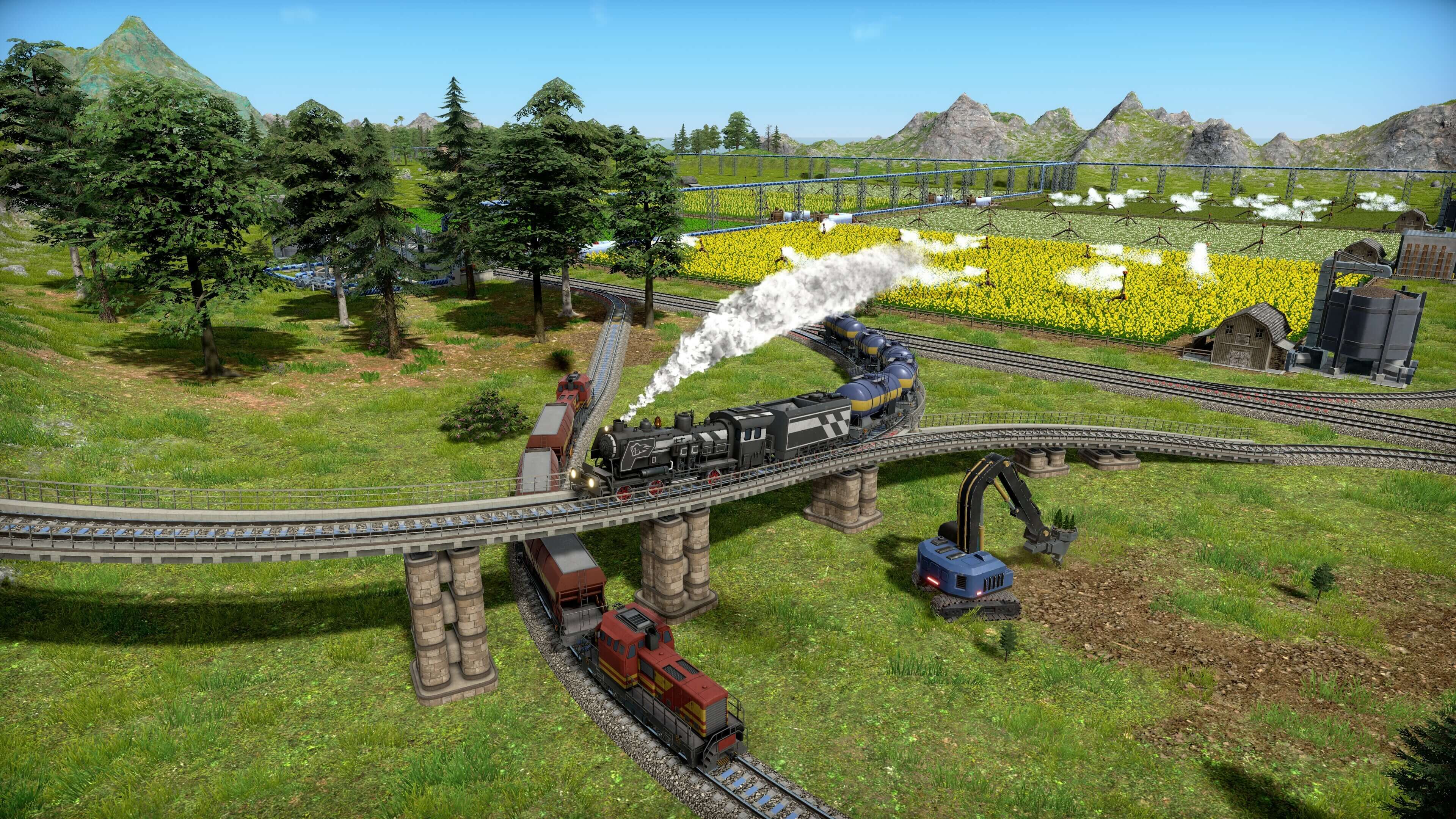
Captain of Industry trades first-person construction for industrial depth. Mining, refining, terrain excavation, shipping, farming, logistics, and colony management all interlock, making it one of the better picks for players who want Foundry's resource chain thinking pushed into a heavier simulation.
This is for the player who looks at a factory and wants to know where every material came from, how it was refined, where it is stored, and what happens when the supply chain breaks. It is more planner than playground.
That is also the warning. Captain of Industry is hard and dense. It does not have Foundry's hands-on 3D building vibe, and it asks for more patience with management layers. Choose it for industrial systems, not for first-person sandbox freedom.
Best partial fits
Desynced
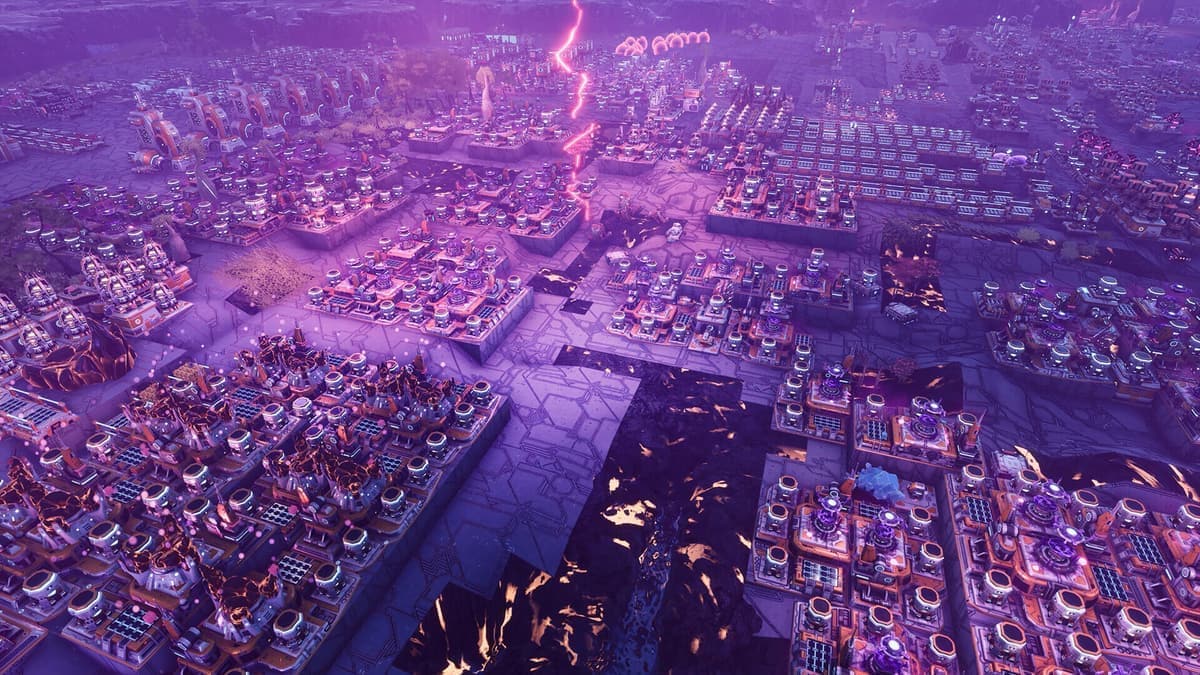
Desynced is less about belts as the star and more about programmable automation. Bots, behavior logic, automation networks, and co-op make it a good match for Foundry players who enjoy solving production problems through systems rather than just placing more machines.
This fits the player who wants factory automation to feel adaptable. Instead of locking everything into one belt layout, Desynced leans into instructions, networks, and flexible logistics. It sits close to colony sim territory, which gives it a different flavor from Foundry's more physical construction loop.
The main friction is that it is more cerebral and less tactile. If you want to walk through machines in first person, Desynced is not that. If you want a cleaner logic layer with robots doing the work, it has a much clearer reason to be on your list.
Space Engineers
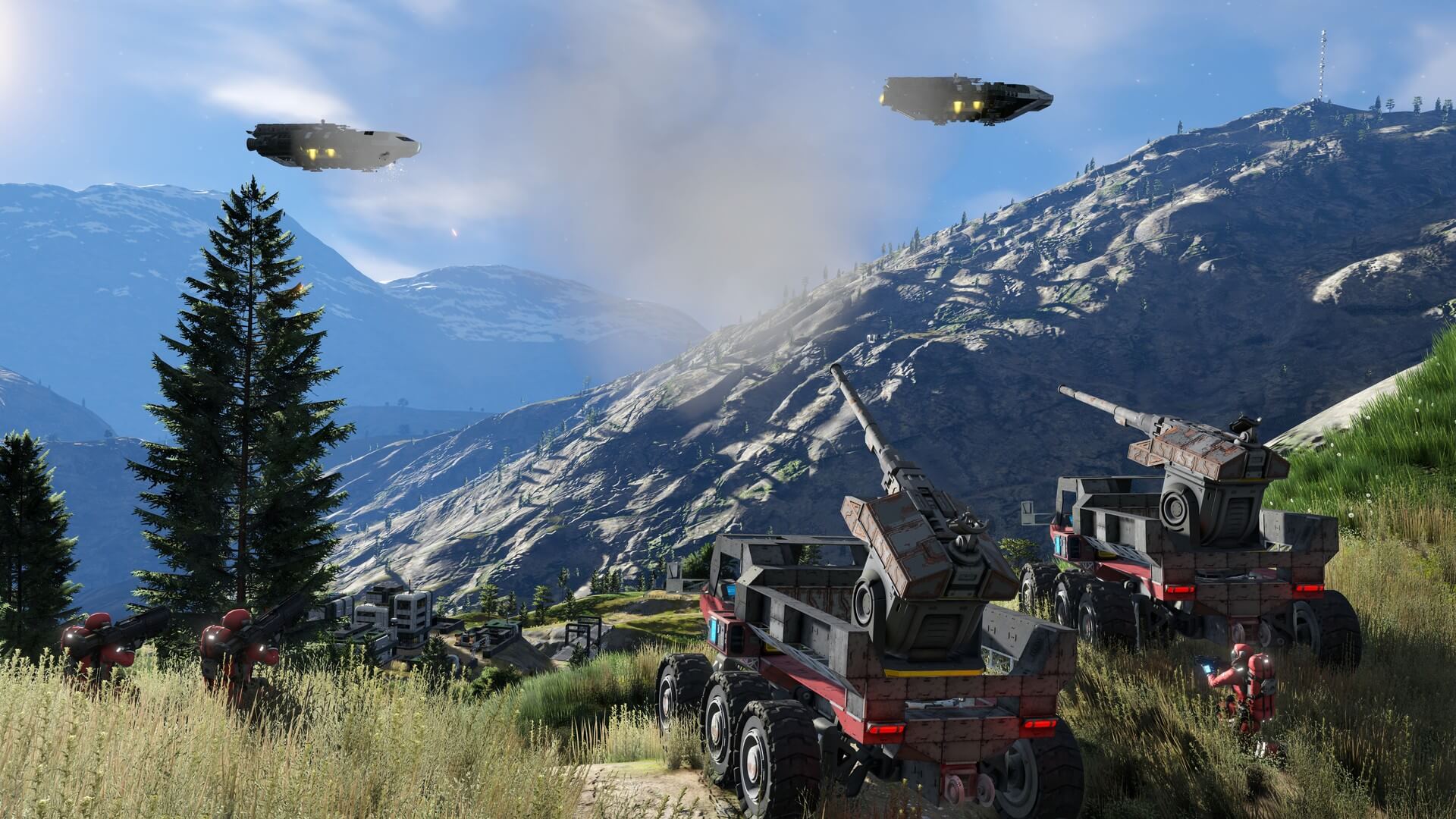
Space Engineers is not here because it is a great factory sim. It is here because Foundry players who love building inside a physical sandbox may care more about construction freedom than perfect production chains.
Its overlap comes from voxel construction, ships, stations, physics systems, survival sandbox play, and player-made infrastructure. Pick this if Foundry's real draw is creative construction more than production efficiency.
Space Engineers is about building things that function in a physical sandbox: vehicles, bases, stations, and systems that can fail in interesting ways.
The caveat is simple: it will not replace Foundry's automation chains. If you want miners, belts, and factory progression as the center of the game, Space Engineers may wander too far into engineering sandbox territory. If you want construction freedom, it makes much more sense.
Shapez 2
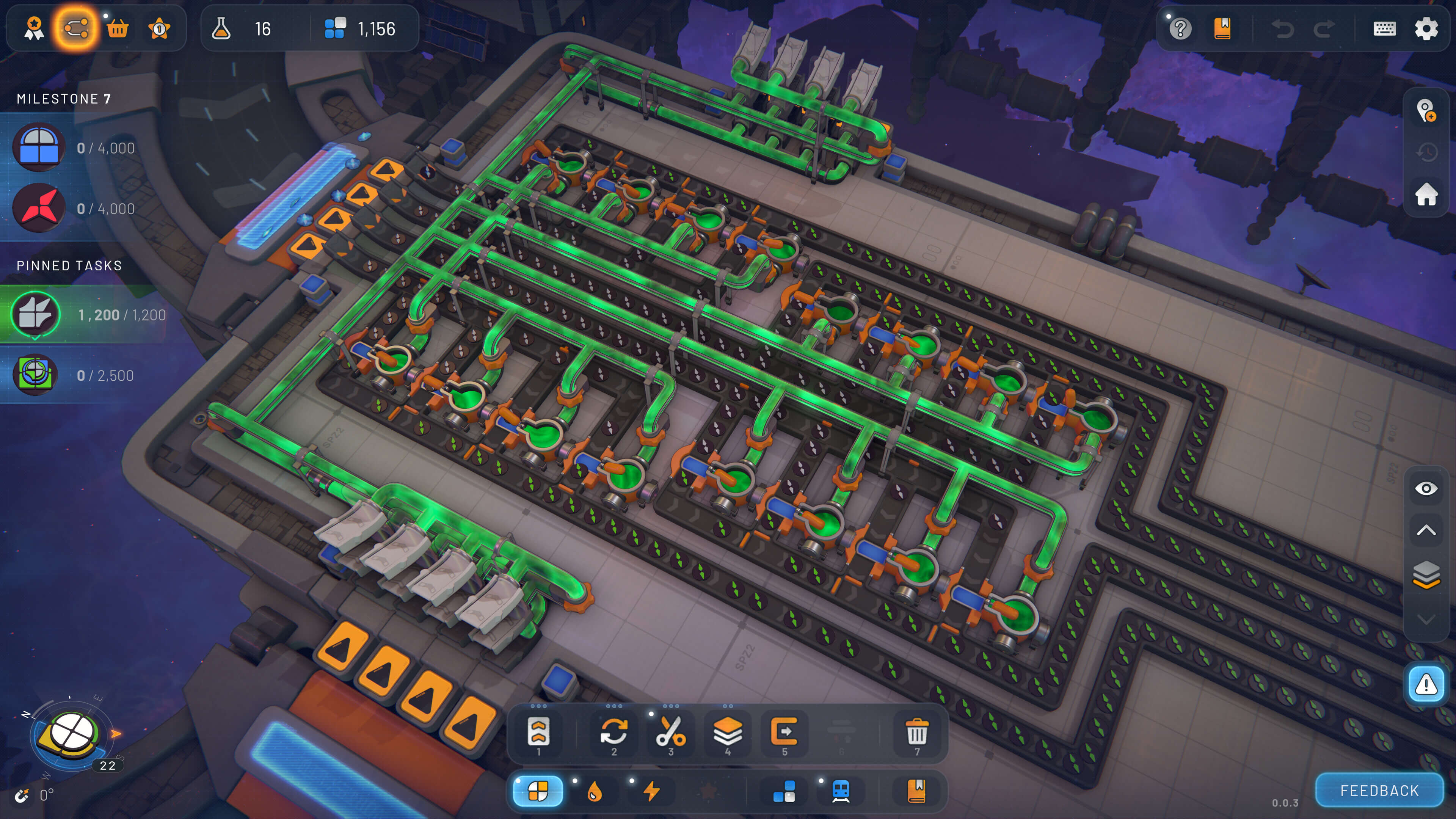
Shapez 2 strips factory design down to clean automation logic. Modular layouts, scaled-up production, and readable optimization make it useful for players who like the belt puzzle side of Foundry without needing survival pressure or exploration.
It is best treated as a focused factory brain game. If your favorite Foundry moments are untangling routing problems, scaling production cleanly, and rebuilding a mess into something elegant, Shapez 2 gives you that with very little noise.
The tradeoff is obvious but important. Shapez 2 is abstract and minimalist. It does not replace Foundry's sci-fi world, first-person construction, or sandbox terrain. It belongs here because the logic overlaps, not because the feel is the same.
Which Foundry fan should play what?
If you want the closest overall match, choose Satisfactory first. It keeps the first-person factory feel, supports large 3D layouts, and gives you enough build freedom to satisfy the same broad itch.
If you want that same first-person automation with harder co-op survival and combat, go with StarRupture. If you want a darker, more enclosed version of that idea, go with Techtonica. The underground setting changes the rhythm, but the first-person automation overlap is clear.
If you care more about logistics than perspective, Factorio, Dyson Sphere Program, and Captain of Industry are stronger long-term choices. They move away from Foundry's hands-on construction feel, but they go much deeper into factory scaling, resource flow, and system pressure.
If creative sandbox construction is the main draw, Space Engineers is the odd but defensible pick. Just do not expect it to behave like a production-chain factory sim.
If you want the cleanest possible automation puzzle, Shapez 2 is the low-friction option. If you want programmable networks and bots, Desynced is the more technical one.
How to choose without chasing the wrong overlap
The key question is not "which factory game is best?" It is "which part of Foundry are you trying to replace?"
First-person perspective changes everything. In Foundry, a messy layout is not just inefficient. It is something you walk through, route around, and physically rebuild. That is why Satisfactory and Techtonica should be the first stops for most players searching for Foundry-like feel.
Sandbox freedom also means different things. Foundry gives you modular factory construction. Space Engineers gives you engineering freedom. Dyson Sphere Program gives you scale. Captain of Industry gives you industrial interdependence. Those are not interchangeable strengths.
Complexity matters too. Factorio and Captain of Industry ask for more tolerance for pressure and planning. Satisfactory and Techtonica are easier to recommend as direct substitutes. Shapez 2 is cleaner and more abstract, while Desynced rewards players who enjoy logic systems.
FAQ
What are the closest games like Foundry?
Satisfactory, StarRupture, and Techtonica are the closest fits because they keep the first-person factory construction angle. Satisfactory is the broader sandbox pick, StarRupture leans co-op survival and combat, and Techtonica leans into underground exploration and automation.
Is Foundry like Satisfactory?
Yes, but with a stronger voxel and terrain-shaping angle. Satisfactory is the closest broad alternative because it keeps the first-person 3D factory feel, but Foundry has a more block-based construction style.
What is the best first-person factory game like Foundry?
Satisfactory is the safest first pick. StarRupture is the closest option if you want open-world automation with combat and co-op. Techtonica is the closest option if you want another underground or enclosed first-person automation game.
Is Foundry more like Factorio or Satisfactory?
Foundry is closer to Satisfactory in feel because both are first-person 3D factory builders. It shares some logistics DNA with Factorio, but Factorio is more about top-down optimization, pressure, and scale.
Is Factorio a good Foundry alternative?
Yes, but only if logistics depth matters more than first-person construction. Factorio is excellent for belts, trains, blueprints, throughput, and scaling, but it does not replace Foundry's hands-on 3D building feel.
Are there many true first-person factory games?
Not many. That is why Satisfactory, Techtonica, Foundry, and StarRupture are grouped together so often. Plenty of factory games have deeper logistics, but fewer preserve the feeling of building while standing inside the world.
Which pick is best for co-op?
For this list, Satisfactory, StarRupture, Techtonica, and Desynced are the strongest co-op-relevant picks based on their listed features. Choose Satisfactory for polished 3D factory building, StarRupture for co-op-first survival automation, Techtonica for underground automation, and Desynced for programmable bot networks.
Are these all factory building sandbox games?
Mostly, but the sandbox part varies. Satisfactory and Techtonica are closer to Foundry's physical factory sandbox feel. Dyson Sphere Program is about scale, Space Engineers is about construction freedom, and Shapez 2 is about pure layout logic.
Optional gear note
Factory games involve a stupid amount of repeated placement, camera movement, hotbar use, and layout cleanup. A configurable mouse will not make you better at automation, but it can make long building sessions less annoying.
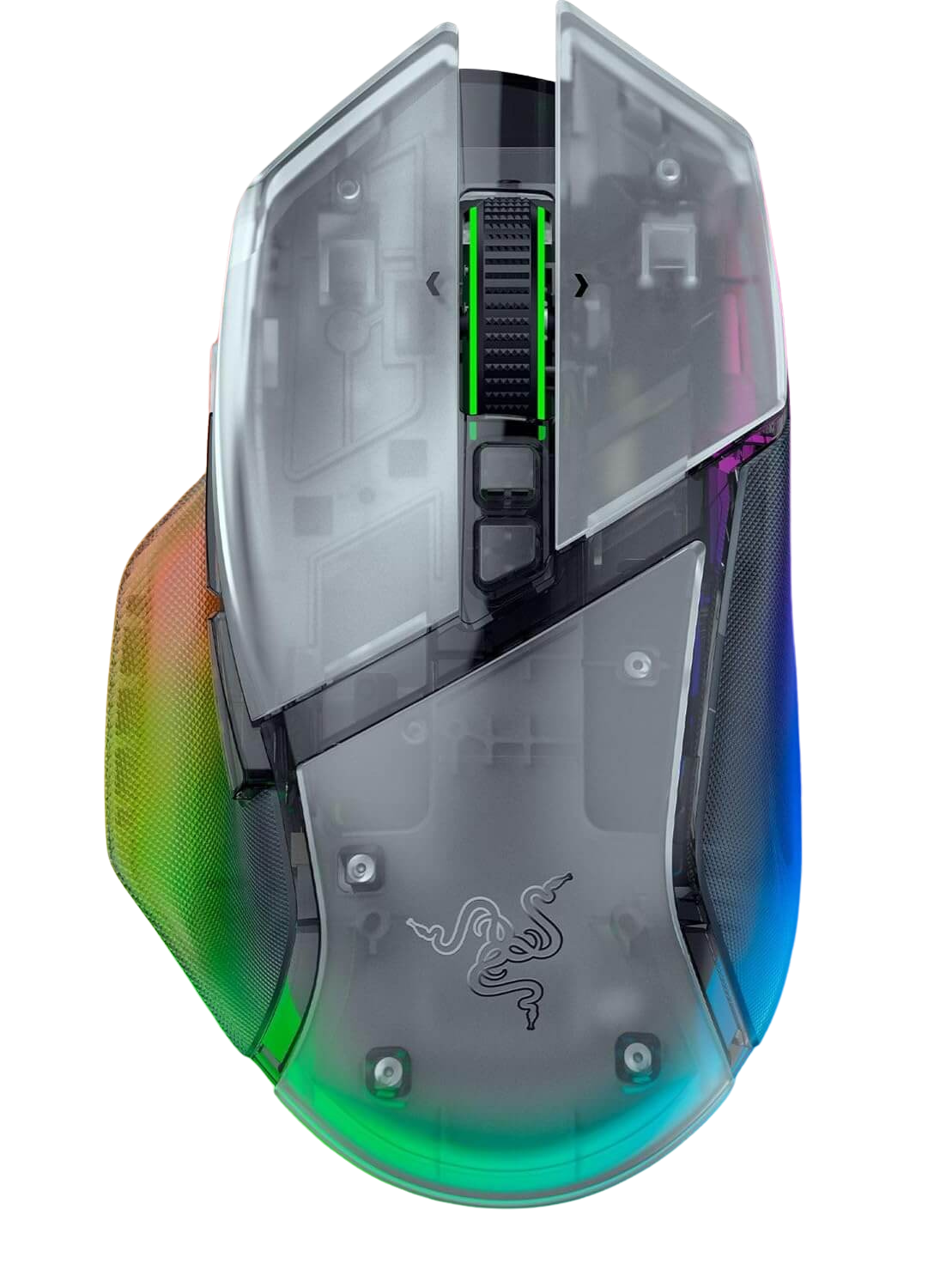
Razer Basilisk V3 Pro
Comfortable shape, extra buttons, and smooth scroll for long colony sim sessions.
Takeaway
The best games like Foundry are not just the deepest factory sims. They are the ones that preserve the right kind of agency: building in 3D, shaping production lines, and deciding how much you care about first-person presence versus logistics depth.
Start with Satisfactory for the closest overall match, StarRupture for first-person automation with co-op combat, Techtonica for another enclosed first-person automation world, and Factorio if you are ready to trade Foundry's physical sandbox feel for sharper factory systems.