Best Factory Games With Combat That Actually Works
Automation games that add pressure through defense, hostile worlds, or combat without losing the systems depth.
Best Factory Games With Combat That Actually Works
The best factory games with combat do more than bolt enemies onto an automation sandbox. They make defense, ammo, power, terrain, and expansion part of the same decision-making loop as belts, production ratios, and throughput.
That is the filter here. These picks are for players who want automation pressure that actually changes how they build, not a separate combat mode glued onto a factory game. In some of them, defense pressure makes expansion decisions matter. In others, tower defense plus belts is the whole point. And where enemy settings matter, that is part of the recommendation.
Quick take
- Factorio is still the clearest example of combat feeding directly back into factory growth.
- Mindustry is the best pure tower defense factory game if you want pressure from minute one.
- StarRupture is the major first-person pick if you want open-world automation with co-op combat baked in.
- Captain of Industry is a partial fit, but a strong one if you want hostile logistics without turning the game into a shooter.
- Oddsparks is the light/cozy combat option when you want Sparks defending a base without siege-level stress.
- Satisfactory works best for players who want light combat around exploration, not constant base defense.
The picks
Factorio
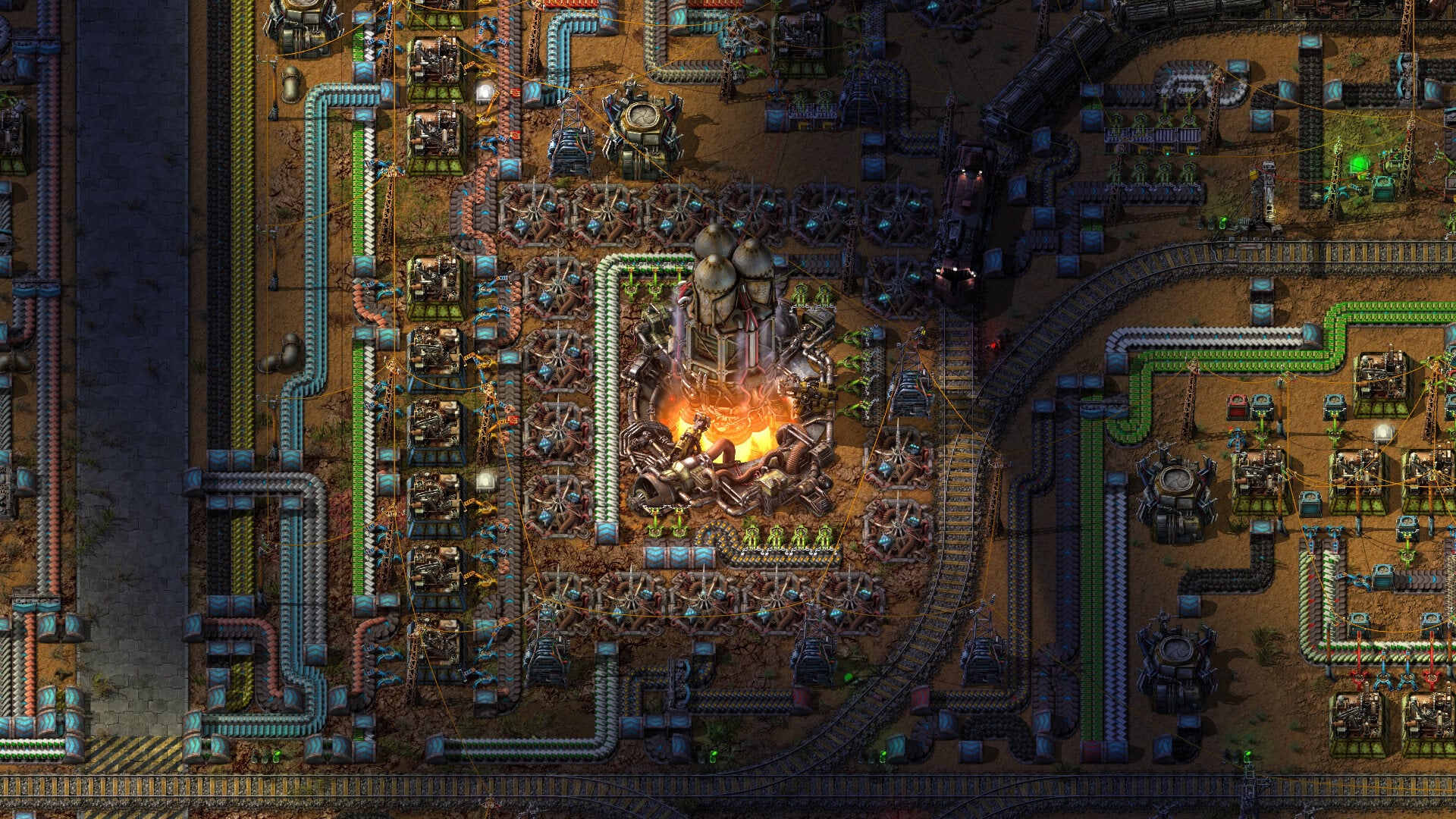
This is the benchmark for factory games with combat because the combat pressure exists to test your production. Turrets need ammo, walls need planning, pollution drives attacks, and expansion forces you to secure new territory. Nothing feels separate. You are not pausing the factory to go do combat; you are solving combat by improving the factory.
It fits players who want the strongest link between logistics and defense. If you like watching one bottleneck ripple outward into military weakness, this is the right pick. New players often click with it once they realize that biter attacks are really production problems in disguise.
The main tradeoff is obvious: it can become demanding fast, especially if you leave enemy settings at defaults and expand messily. The good news is that some games let you tune enemy strength or turn it off, and Factorio gives you that control too. For many players, that flexibility is why it remains the safest recommendation in this space.
Mindustry
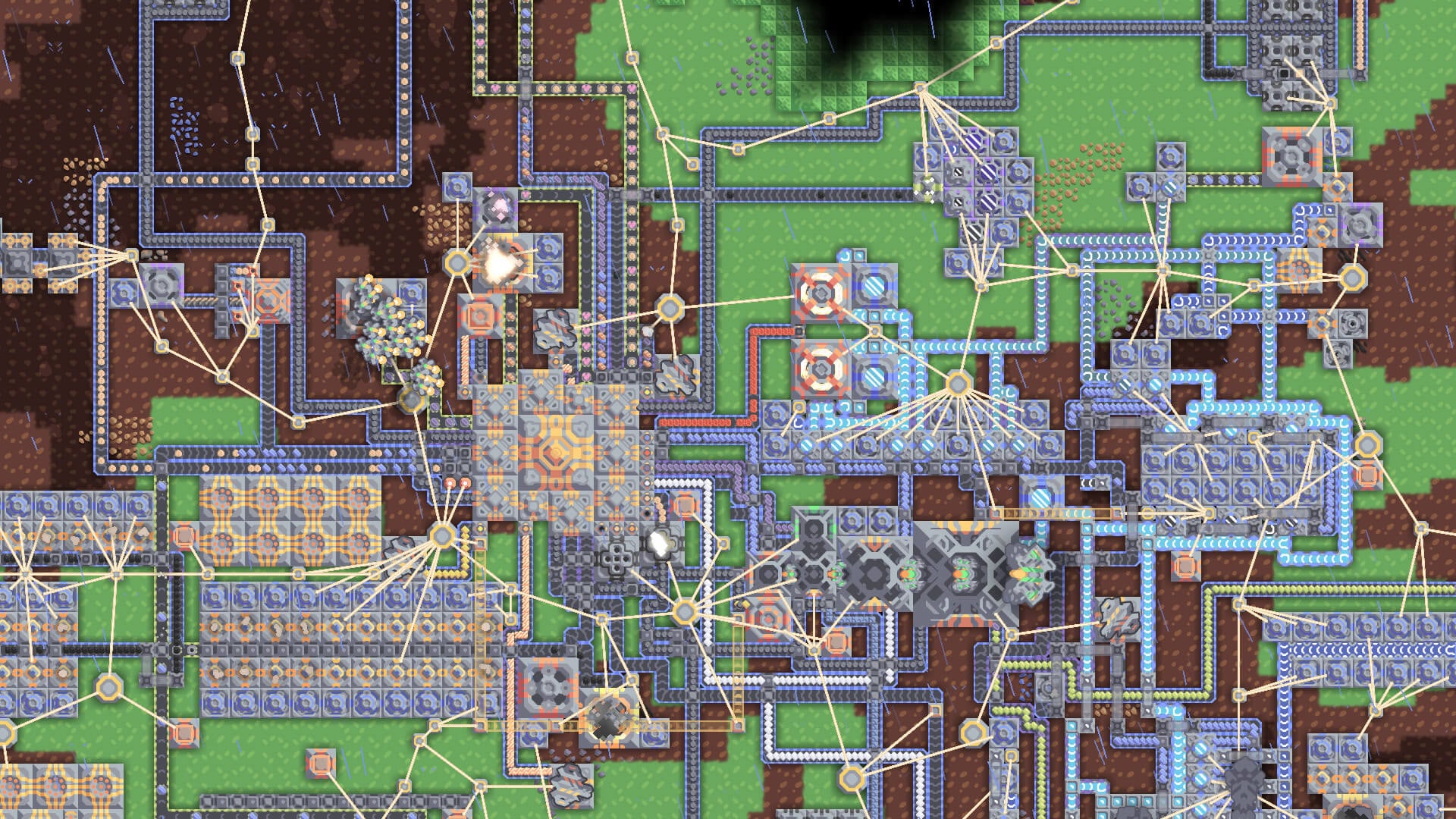
Tower defense plus belts is a specific itch, and Mindustry hits it better than almost anything else on this list. Resource lines, ammo supply, power routing, and front-line defense are tightly connected, so every new extractor or conveyor can create a new vulnerability.
This clicks most if you want shorter, more tactical sessions and more constant combat pressure. Players who enjoy defending active lanes and adapting under pressure tend to get more out of Mindustry than players who want calm megabase planning. It is one of the few games here where combat is not just integrated with automation, but often sets the pace for the whole match.
The limitation is pacing. Mindustry is less about relaxed optimization and more about holding the line while your systems ramp. If you want long-form factory sprawl with leisurely iteration, it may feel too mission-driven and too aggressive.
StarRupture
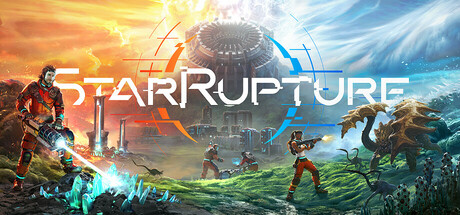
StarRupture is the major modern pick for first-person factory games with combat that actually changes the session. You automate industrial lines in an open alien world while local fauna force scouting, defense, and expansion decisions — solo or in up to four-player co-op.
It fits players who want Satisfactory’s physical factory fantasy with survival-shooter pressure that is not optional flavor. Combat and automation share the same loop: ammo, power, layout, and map control all matter together. Co-op makes the mix clearer because one player can hold the line while another rebuilds production.
The tradeoff is early-access polish and identity. It is still finding the balance between deep factory systems and open-world combat. If you want the tightest defensive logistics math, Factorio remains sharper. If you want first-person co-op combat around a growing base, start here.
Dyson Sphere Program
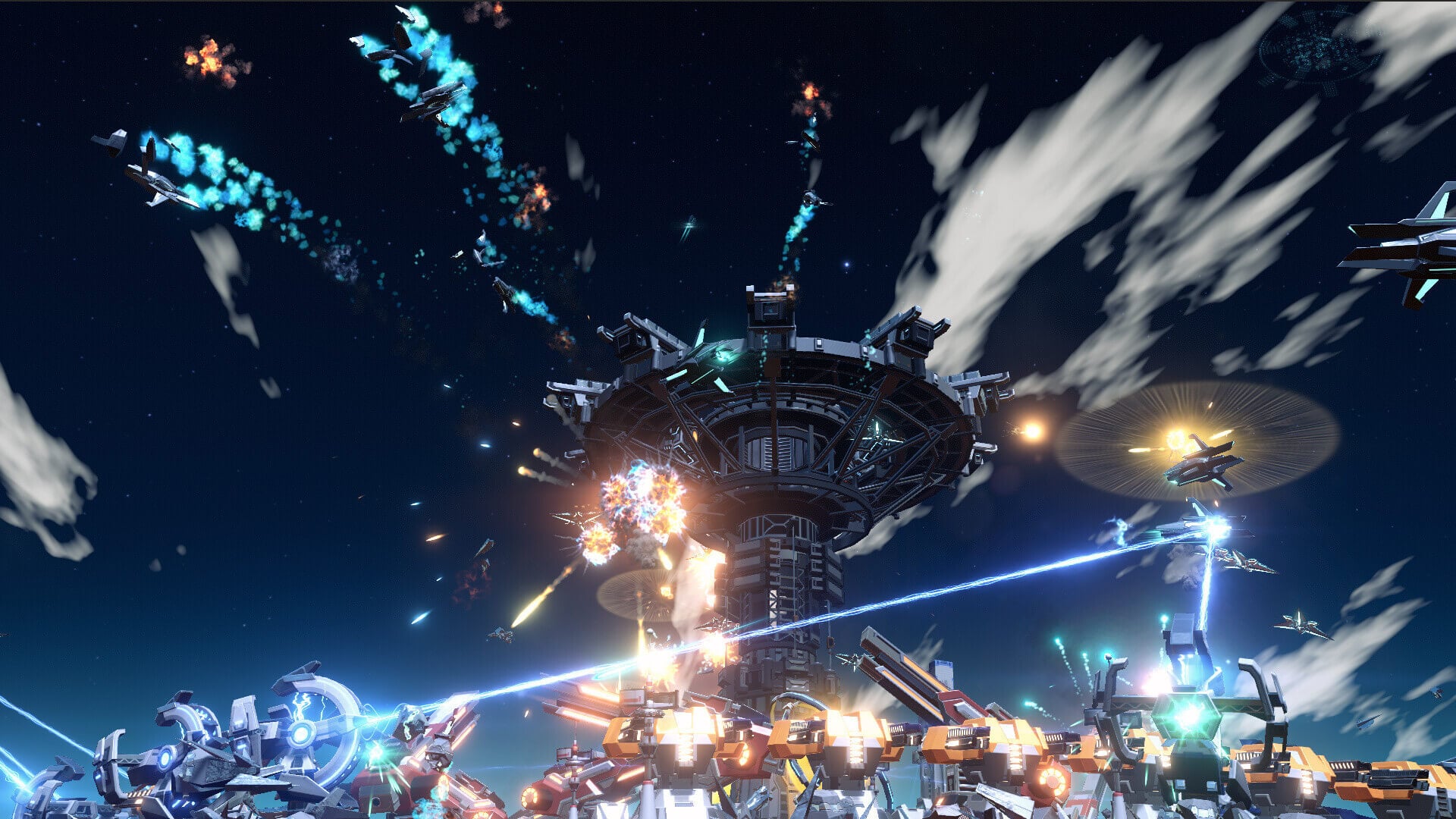
The biggest reason this belongs here is scale. Once combat is part of the equation, interplanetary automation has to support defense across multiple worlds, and that changes how you think about expansion, logistics, and redundancy.
It fits players who like clean production chains and big long-term goals, but want more pressure than a purely peaceful automation game provides. This tends to work best when you enjoy planning several steps ahead rather than reacting to nonstop attacks. The combat layer adds stakes without turning the game into a frantic survival sim.
The tradeoff is that combat is not as central or as relentless as in Factorio or Mindustry. If your ideal version of factory games with enemies means constant frontline tension, this can feel too spacious by comparison. It is better for players who want combat to complicate the factory loop, not dominate it.
Satisfactory
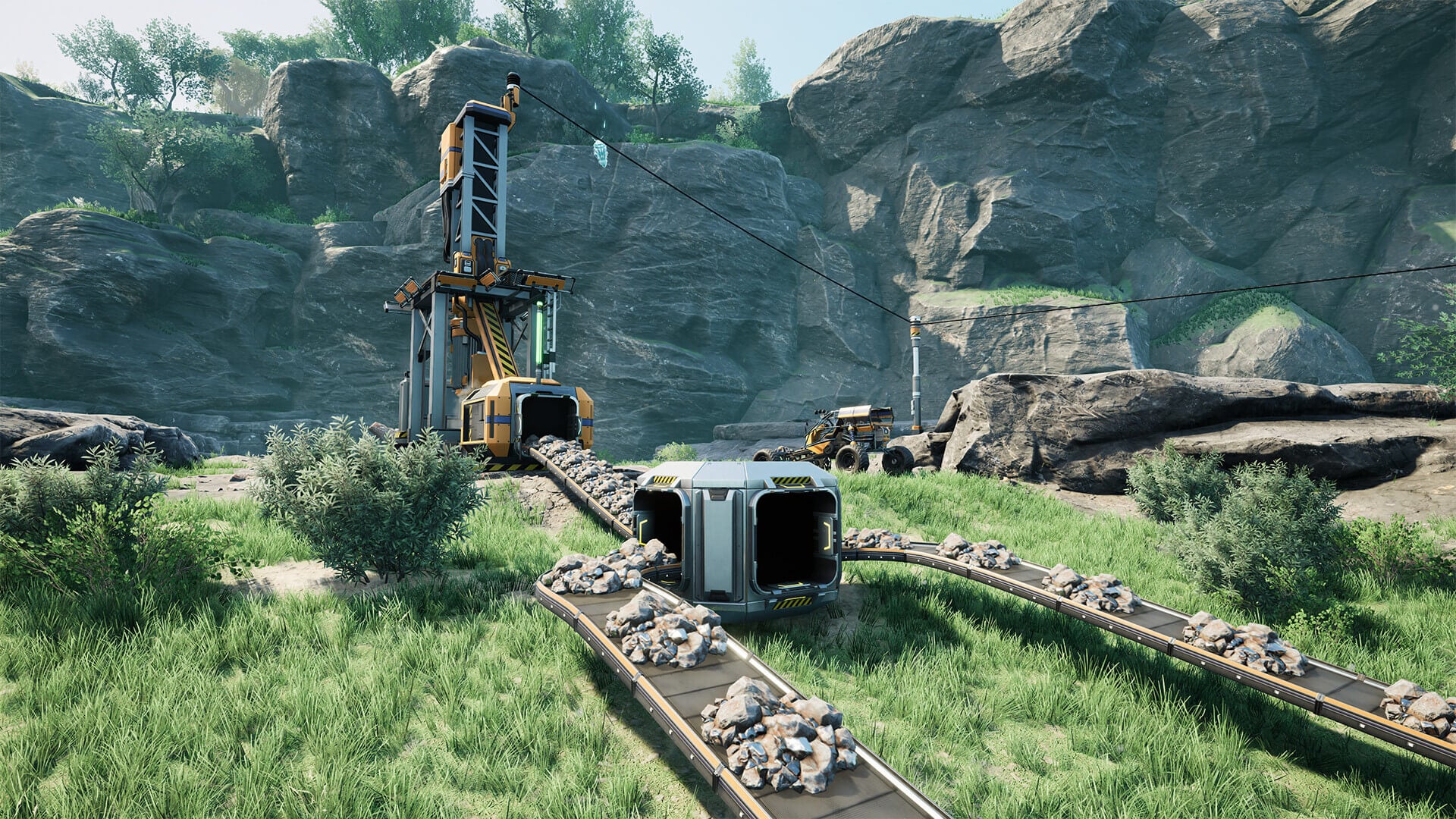
Satisfactory is the partial fit that earns its place because combat mainly shapes exploration and map control rather than base defense. Hostile creatures gate routes, resource nodes, and expansion paths, so danger still feeds back into your factory decisions, just in a different way.
This is best for players who care as much about physical layout and first-person building flow as they do about optimization. If you want to walk your production lines, build vertically, and treat the world itself as part of the logistics puzzle, Satisfactory makes sense. It also suits players who want automation games with combat, but not endless siege pressure.
The main friction is that combat is lighter and less factory-driven than the top picks here. Enemies do not create the same constant systemic strain that pollution-based attacks or ammo-fed defenses do. So if your priority is defensive logistics, this is not the strongest match.
Captain of Industry
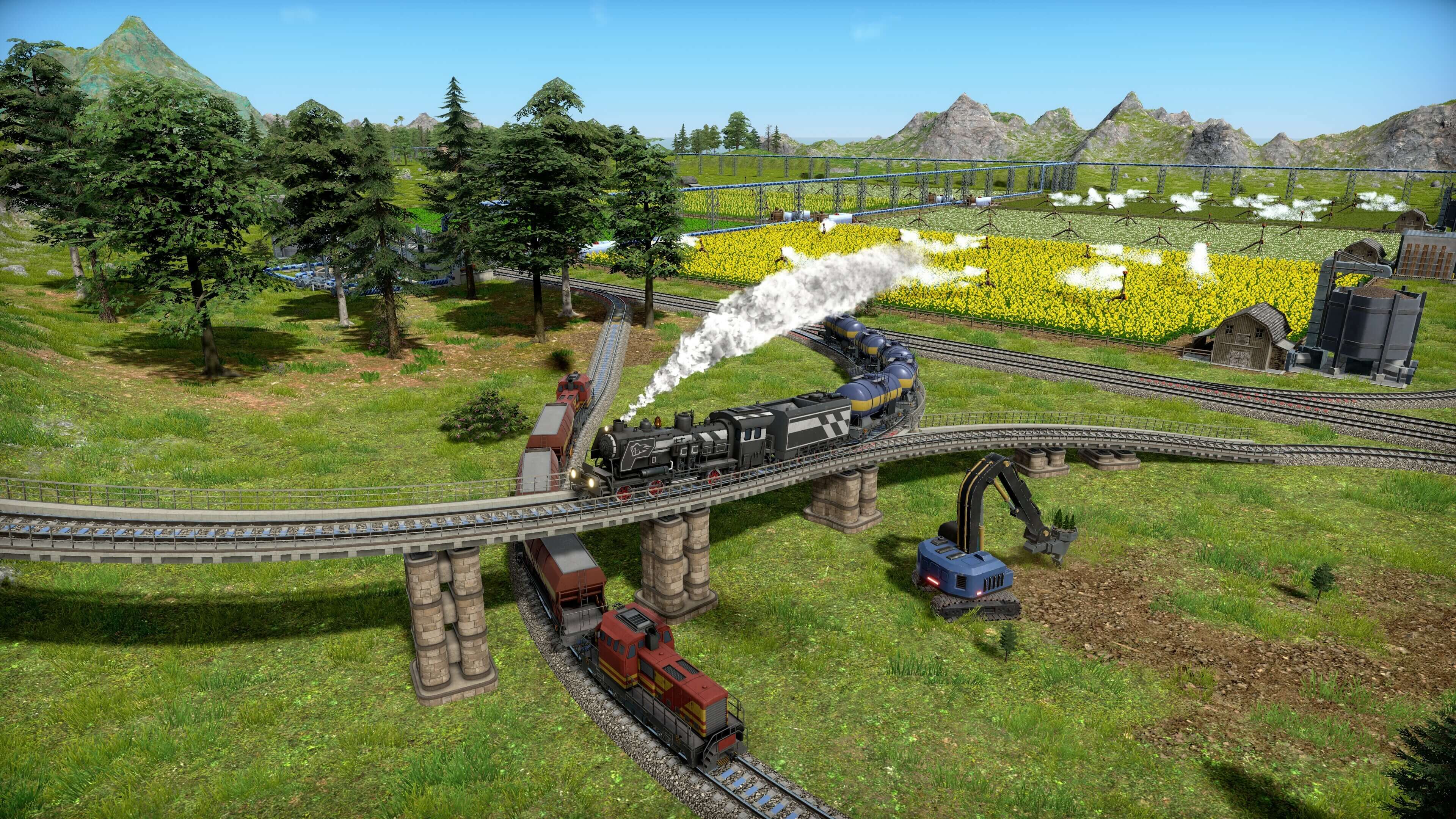
Captain of Industry is here for players who care more about hostile pressure on logistics than direct combat spectacle. The game makes land use, vehicle routing, fuel, maintenance, and supply chains matter so much that any external threat lands harder because your whole industrial system is already under strain.
It fits best for methodical players who like heavy planning and meaningful consequences. If you enjoy solving infrastructure problems under pressure, this is one of the smartest recommendations in the list. Defense pressure makes expansion decisions matter more when terrain reshaping, mining, and transport networks are already expensive commitments.
The tradeoff is that this is not a combat-first game. It is a colony-scale industrial sim with threat pressure, not a relentless tower defense factory game. Players chasing frequent firefights or dense combat mechanics may find it too indirect.
Oddsparks
Oddsparks is the light/cozy combat option on this list. Sparks carry, craft, and defend while you shape logistics and terrain in a colorful fantasy world. Combat is present and meaningful enough to justify placement and protection, but it rarely turns the session into a siege simulator.
It fits players who want automation with stakes without Factorio’s pollution wars or Mindustry’s constant front lines. Co-op support makes it easy to hand to a friend who likes adventure texture more than megabase math.
The limitation is intensity. If you came here for factory games with combat where every expansion pushes back hard, Oddsparks will feel gentle. It replaces softer “defense exists somewhere” entries that never really change how you build.
Techtonica
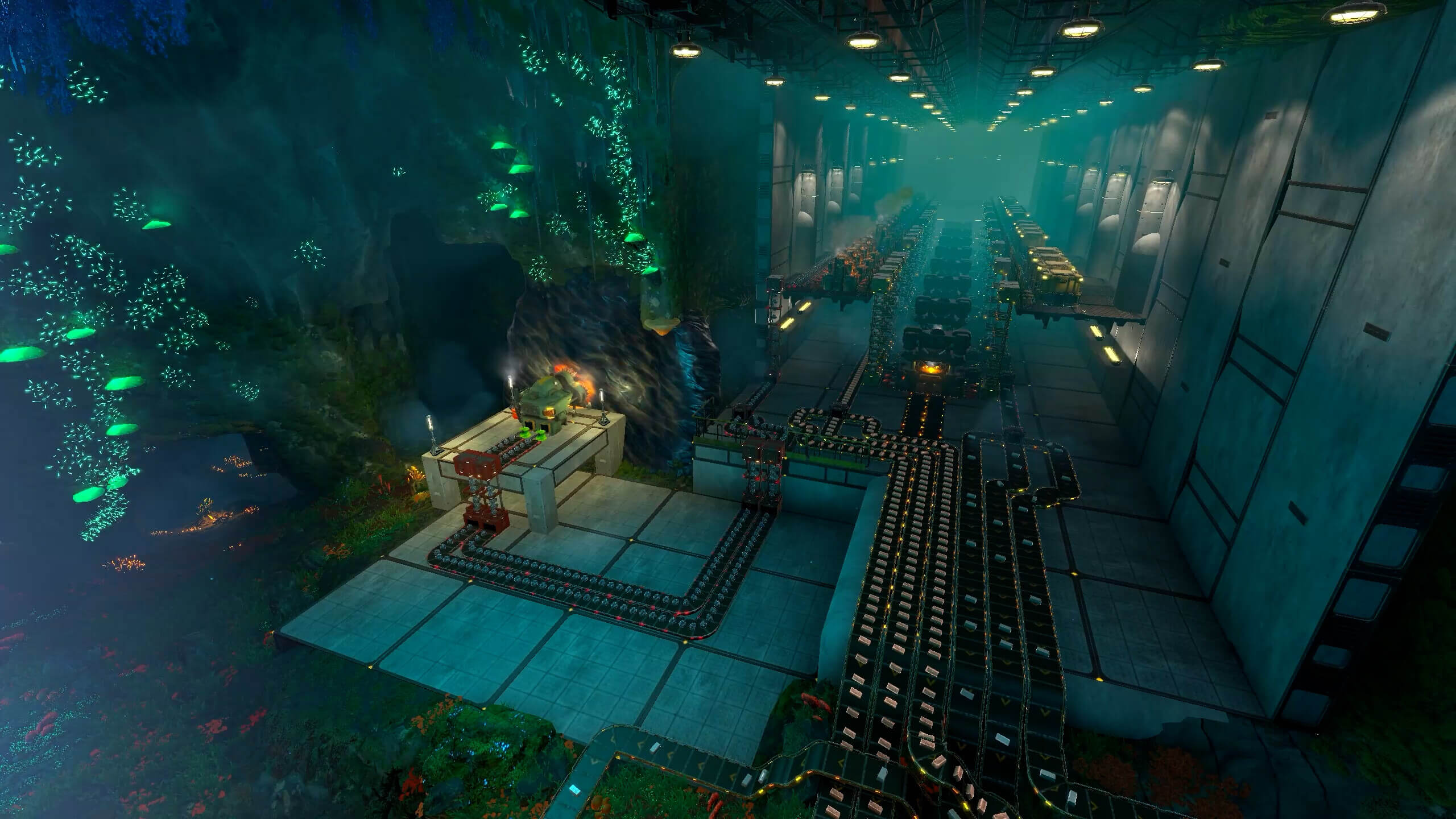
Techtonica works because the underground setting makes space, routing, and safety feel connected. You are not just automating in a wide-open sandbox. You are carving industry into constrained spaces where progression, exploration, and danger affect one another more directly.
This fits players who want a more guided sense of discovery than the usual factory sandbox. There is a stronger feeling of uncovering your next production problem rather than simply scaling forever into open terrain. For many players, that makes the pressure easier to read and more motivating.
Its limitation is breadth. Compared with genre leaders, the systems can feel narrower and the combat side is not the main attraction at all times. It is a good fit for players who want atmosphere and structured progression, but a weaker fit for those chasing the deepest military logistics loop.
Foundry
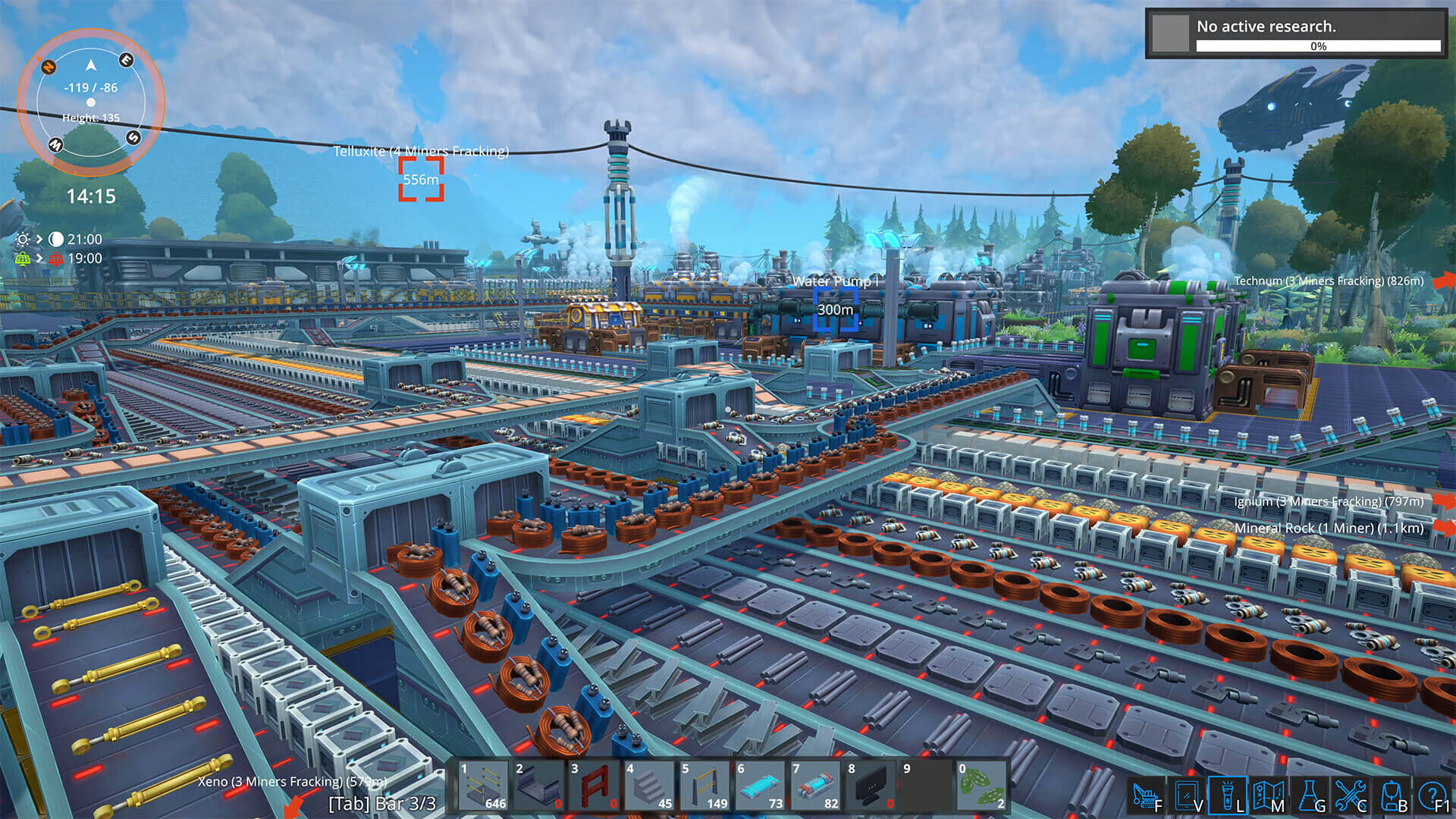
Foundry takes the blocky, diggable-world approach and gives combat enough relevance to justify your layout choices. The key fit here is not raw combat intensity. It is the way a destructible, reshapeable space changes how you approach defenses, routes, and expansion.
This clicks most for players who like the tactile side of construction and want a more playful factory flow without dropping combat entirely. There is a strong appeal in building industrial spaces inside a world you can rework from the ground up, especially if you enjoy solving logistics in three dimensions.
The tradeoff is maturity and depth compared with the category's heaviest hitters. It can scratch the automation-plus-threat itch, but it may not hold players who want the most elaborate endgame logistics or the tightest combat balance. Think of it as a fit-driven recommendation, not the default first choice.
Desynced
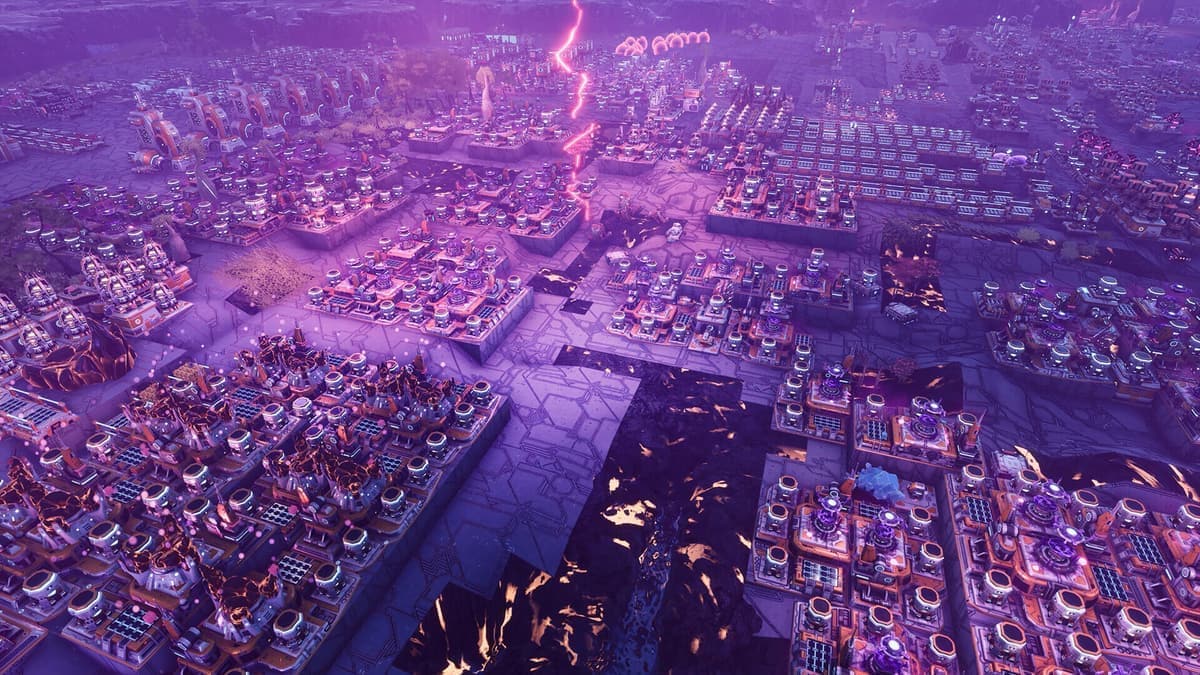
If you like programmable behavior and autonomous units, Desynced earns attention fast. Its combat matters because your logistics, expansion, and defense are handled through systems that can be customized and automated in unusual ways, which keeps the military side tied to how you structure your operations.
This is best for players who enjoy setting rules and watching a network execute them. The appeal is less about direct action and more about orchestration. When it clicks, it feels like you are designing a responsive industrial machine rather than babysitting individual fights.
The catch is that its approach is more abstract and systems-heavy than some players expect. People looking for the immediate readability of belts, turrets, and visible front lines may bounce off it. It rewards players who want to tinker with logic and workflows.
Which type of player will enjoy these most
These games click best if you want enemies to change how you build, not just interrupt you between building sessions. The strongest fits are Factorio and Mindustry if you want combat fully embedded in the automation loop. StarRupture is the major first-person co-op answer. Dyson Sphere Program is better for players who want room to breathe, while Satisfactory fits those who prefer exploration pressure over constant defense. Oddsparks covers the cozy end of the spectrum.
A practical split helps here. If you want factory games with enemies that punish weak logistics, start with Factorio, Mindustry, StarRupture, or Desynced. If you want pressure but still value a calmer long-session rhythm, look first at Dyson Sphere Program, Captain of Industry, Oddsparks, or Techtonica.
What matters most when picking your next game
The first question is simple: do you want combat to test your factory, or just coexist with it? That single distinction eliminates a lot of bad picks. I skip games where it feels like two separate games.
The next thing to check is pressure style. Some players want raids and perimeter defense. Others want dangerous expansion, hostile exploration, or production stress caused by military upkeep. That is why Mindustry and Factorio feel very different from Satisfactory, even though all three qualify.
Also pay attention to tuning. Some games let you reduce enemy strength or disable it, and that matters more than many players expect. If you mostly want automation with occasional danger, flexible settings are a real advantage. If you want a tower defense factory game that pushes back constantly, lighter or optional combat can feel flat fast.
A headset pick for long factory defense sessions
Factory games with combat often mean long sessions, lots of audio cues, and frequent voice chat if you are coordinating with friends. A comfortable wireless headset is a practical upgrade here.
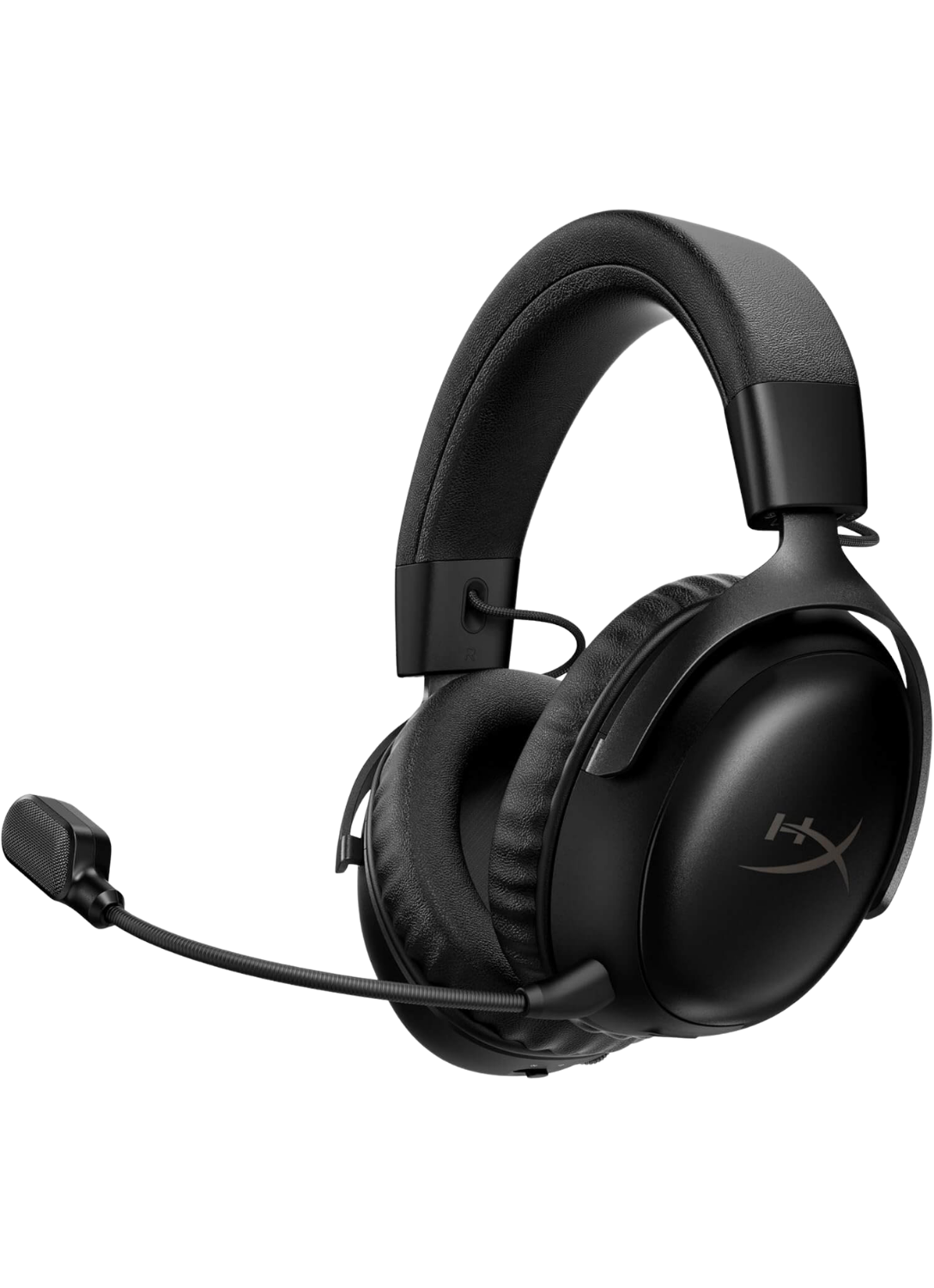
HyperX Cloud III S Wireless
Comfortable wireless headset for long sessions—clear audio, detachable mic.
FAQ
What are the best factory games with combat right now?
For most players, the safest top picks are Factorio, Mindustry, StarRupture, and Satisfactory. They cover the main styles: heavy defensive logistics, tower defense pressure, first-person co-op survival combat, and exploration-driven combat.
Which factory game has the best combat integration?
Factorio is still the clearest answer. Combat, pollution, territory control, ammo production, and factory growth all push on the same systems, so the defense layer rarely feels separate from the automation. StarRupture is the strongest first-person co-op alternative when you want that integration in open-world form.
Are there good tower defense factory games?
Yes. Mindustry is the strongest recommendation if you specifically want tower defense plus belts. That loop is central to the game, not a side mode.
Which of these are better if I do not want nonstop attacks?
Dyson Sphere Program, Satisfactory, Captain of Industry, and Oddsparks are usually better fits if you want pressure without constant siege-style combat. They still make threat and expansion matter, but the pace is less relentless.
Can beginners enjoy factory games with enemies?
Yes, but starting with the wrong kind of pressure is where many players bounce off. If you want a gentler ramp, start with Oddsparks or games with flexible threat tuning before jumping straight into the most aggressive options.
Takeaway
The best factory games with combat make enemies part of the production problem. Factorio and Mindustry are the strongest pure answers, StarRupture is the major first-person co-op pick, Oddsparks covers cozy light combat, and Dyson Sphere Program, Satisfactory, and Captain of Industry cover players who want different levels of pressure. Pick based on how tightly you want combat tied to the factory loop, and these games will make every expansion decision matter.