Against the Storm vs Frostpunk: Which Should You Play?
Against the Storm vs Frostpunk compares adaptation, heat pressure, failure, and onboarding so you can choose the right survival city builder.
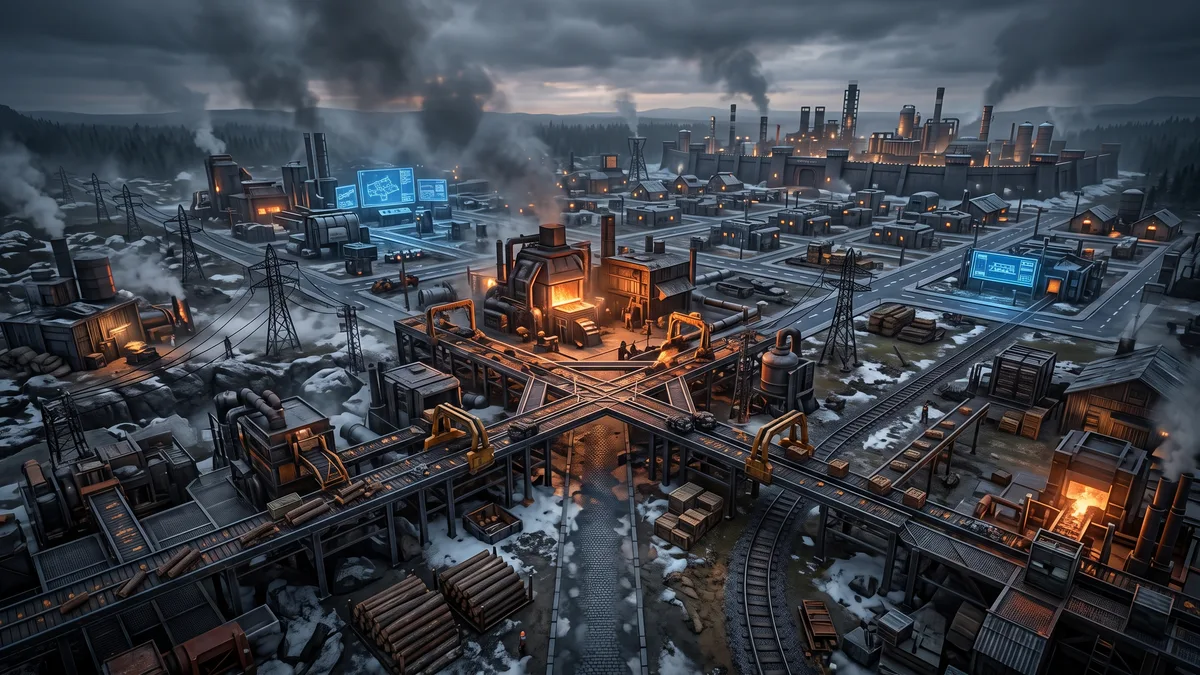
The real choice in Against the Storm vs Frostpunk is not which game is harsher. It is whether you want pressure to reset into another run or accumulate inside one desperate city.
Choose Against the Storm if you want repeatable systems adaptation, smaller settlements, and new biome and species problems forcing you to revise your production plan. Choose Frostpunk if you want sustained survival pressure, morally weighted laws, and a city whose hardships matter because you stay responsible for its fate.
| Category | Against the Storm | Frostpunk |
|---|---|---|
| Pressure structure | Run-based adaptation across changing conditions | Escalating survival pressure within one city |
| Settlement scope | Many smaller settlements | A concentrated city survival arc |
| Primary challenge | Adjusting production around biomes and species | Managing heat, scarcity, labor, and moral choices |
| Meaning of failure | Feedback that can improve later attempts | A costly consequence within an ongoing crisis |
| Replayability | High, driven by biome variety and roguelite structure | Medium, with greater emphasis on a shaped survival story |
| Best fit | Systems-focused players who enjoy iterative planning | Story-driven players who want decisions to carry moral weight |
| Main skip condition | You become attached to long-haul cities | You dislike unrelenting pressure or cascading instability |
What is the real difference between Against the Storm and Frostpunk?
Against the Storm asks whether your planning toolkit can survive changing inputs. Frostpunk asks what happens when the inputs are inadequate and every solution carries another cost.
In Against the Storm, a settlement is one problem inside a larger run-based structure. You are not building a forever city. You are learning to assemble a functional economy under a particular combination of biome conditions and species demands, then carrying that knowledge into the next settlement.
Frostpunk concentrates its pressure. Heat management, resource scarcity, labor laws, and moral decisions all bear down on the same city. Expansion is not just a chance to improve throughput; it can add obligations to a system already close to failure.
Both are city builders with stakes, but the stakes point in different directions. Against the Storm rewards flexibility: a plan is valuable because it can be revised, and repetition is part of mastery. Frostpunk rewards commitment under pressure: a decision matters because its consequences stay in the city's story.
If you enjoy optimization because each attempt teaches you a cleaner response, Against the Storm is the stronger fit. If optimization only interests you when it serves a survival narrative, Frostpunk has the sharper purpose.
How Against the Storm turns biomes and species into an adaptation test
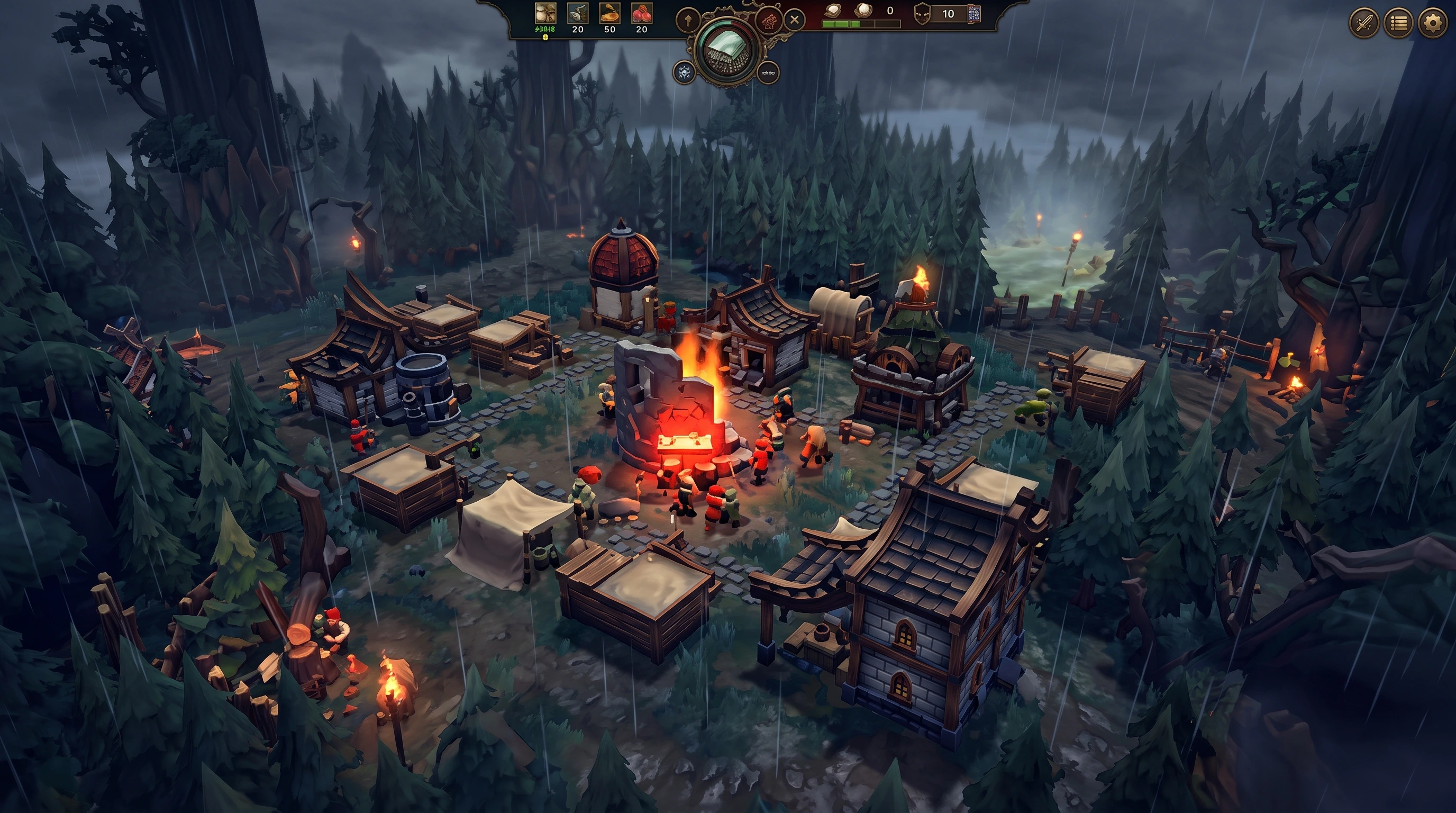
Against the Storm's roguelite structure stops any single layout or production sequence from becoming the answer to every settlement. Biome variety changes the conditions around your economy, while species management changes what the population needs from it. The challenge is not producing more; it is deciding which available production plan is good enough for the current settlement.
In many city builders, the player's own layout mistakes create most of the friction: congested roads, sprawling districts, badly placed production. Against the Storm adds external pressure. Even a well-organized player has to respond to the biome and species combination in front of them.
This is why the smaller settlements matter. The game can ask you to abandon a familiar approach without forcing you to dismantle a city you have nurtured for dozens of hours. A bad decision still costs momentum, but the whole structure is built around solving the next settlement under new constraints.
The satisfaction is specific. You are not watching one monumental creation run smoothly forever. You are recognizing patterns faster, adapting sooner, and depending less on one idealized plan.
The tradeoff is attachment. Players who want every district to become part of a long-term civic project may find the run-based structure emotionally thin. Against the Storm treats settlements as difficult assignments, not permanent homes.
How Frostpunk turns heat, labor laws, and moral pressure into a survival test
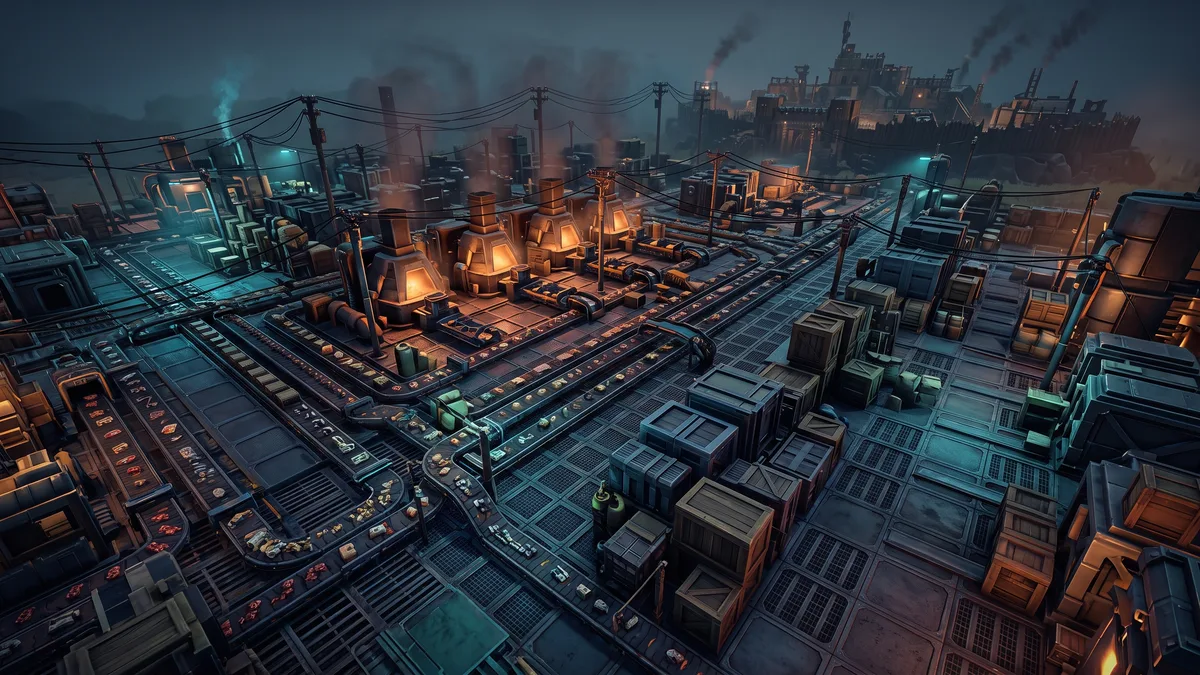
Frostpunk makes heat the foundation beneath every other decision. The frozen setting is not just atmosphere; heat management decides whether the city's growth is sustainable at all.
Scarcity complicates that foundation. Resources spent on one priority cannot solve another, and more development is not safer if the city cannot support what it has built.
Labor laws add the moral layer. They are not detached policy bonuses picked from a clean optimization menu. They ask what treatment of people becomes acceptable when survival is uncertain. A law can fix an immediate labor problem while changing the character of the city's response.
That is where Frostpunk separates itself from a conventional optimization puzzle. The mechanically efficient decision can still feel wrong, and refusing it can preserve a principle while leaving the city exposed to a shortage. Pressure accumulates in several directions at once:
- Heat problems threaten basic stability.
- Scarcity restricts which responses are affordable.
- Labor decisions determine how hard the population is pushed.
- Moral choices force you to define what survival is allowed to cost.
Against the Storm asks, "What production plan fits these conditions?" Frostpunk asks, "What will I sacrifice to stop these conditions from destroying the city?"
If you want hard decisions wrapped in a bleak setting, Frostpunk delivers. Its systems serve a concentrated survival arc rather than an open-ended sandbox, so players who mainly want freeform city design may feel constantly interrupted by crisis management.
Which game gives beginners clearer early momentum?
Against the Storm is the more beginner-friendly choice, not because it removes complexity but because it packages complexity into repeatable settlement problems and makes adaptation the expected behavior.
The first systems a new player has to understand are the run-based settlement structure, species management, and biome variation. Together they establish one rule: a solution from one settlement will not transfer unchanged to the next. That feels unfamiliar to players trained on long-form city builders, but it gives mistakes a readable context. If a production plan clashes with the biome or fails the current species, the lesson is to revise the plan, not perfect a universal build order.
Frostpunk presents a more obvious central threat but a harder learning environment. Heat is easy to identify as important; the difficult part is understanding how resource and labor decisions affect the city's ability to maintain it. The bottleneck is conceptually clear, but a poor allocation decision does not stay isolated when heat, labor, and resources depend on one another.
Against the Storm's medium difficulty gives players room to treat an unstable settlement as a useful attempt, which builds momentum without overwhelming complexity. Frostpunk's hard difficulty and unrelenting survival pressure make the first serious mistake feel far more consequential.
Start with Against the Storm if you want to learn by running the loop again with better judgment. Start with Frostpunk only if the pressure itself is why you are interested.
Where mistakes hurt: recoverable production problems versus cascading instability
Against the Storm's mistakes that waste the most time are failures of adaptation: building around a production assumption that does not suit the biome, or organizing the settlement around priorities that do not fit its species.
Those mistakes cost time and resources, but the run-based structure encourages correction. A strained settlement doubles as a diagnostic tool, showing which assumptions were too rigid. The key skill is knowing when to stop defending the original plan. Against the Storm punishes attachment to an answer more than attachment to a city.
Frostpunk's mistakes collide. A resource shortage limits the response to heat pressure. A labor decision solves one immediate need while intensifying another cost. Expansion increases demands instead of improving stability.
Neither game is uniformly forgiving or unforgiving; they teach recovery differently. Against the Storm says: identify the mismatch, adapt, and keep the lesson. Frostpunk says: decide which worsening problem gets help first, then accept what that choice leaves exposed.
Which game handles replayability and settlement attachment better?
Against the Storm has higher replayability because biome variety, species management, and its roguelite structure keep rearranging the planning problem. Repetition is not padding; it is how the player becomes more adaptable, and new conditions keep each start from turning into a rote opening.
That only works if you enjoy beginning again. If every reset feels like losing a city you wanted to keep developing, high replayability will not compensate.
Frostpunk has medium replayability and a different priority: a concentrated survival experience with an actual ending rather than a forever-city structure. Repeat play can reveal different responses to laws, scarcity, and moral pressure, but its strongest appeal is the feeling that one city's compromises form a complete story.
Against the Storm handles iteration better. Frostpunk handles attachment better. If a failed settlement makes you think, "I know what to change next time," choose Against the Storm. If it makes you think, "I did not want to lose those people," Frostpunk's continuity is what you are after.
Who should choose Against the Storm—and who should skip it?
Choose Against the Storm if you want:
- A roguelite city builder built around many smaller settlements.
- High replayability driven by biome and species variation.
- Production plans that must change with external conditions.
- Failure that functions as information for the next attempt.
- A beginner-friendly route into pressured city building.
It suits city-builder veterans who get bored once a long run's economy stabilizes. The timer and changing resource context keep planning decisions relevant.
Skip it if you mainly want a cozy, long-haul city. Players who resent repeated starts or need strong attachment to one population will experience the roguelite structure as interruption rather than momentum.
Who should choose Frostpunk—and who should skip it?
Choose Frostpunk if you want:
- Survival pressure concentrated within one city.
- Heat management that shapes expansion and resource decisions.
- Labor laws that tie efficiency to moral cost.
- A defined survival arc rather than endless sandbox development.
- Story-driven management games where optimization cannot be separated from consequences.
Frostpunk is for players who want the city to mean more than its production efficiency. Its strongest decisions ask not only whether a plan works, but whether survival justifies the methods.
Skip it if sustained crisis keeps you from enjoying construction, or if you want run-to-run variety and a forgiving way to learn through repeated settlements. Its cascading systems can turn one unstable area into a citywide struggle.
Final verdict: systems iteration or tough choices and atmosphere?
In Against the Storm vs Frostpunk, choose Against the Storm for repeatable adaptation: shifting biomes, species management, and short settlement arcs make failure part of learning. Choose Frostpunk for concentrated survival drama: heat, scarcity, labor laws, and moral pressure give one city's decisions more weight, and make instability harder to contain.
Before buying, compare the current price of Against the Storm with the current price of Frostpunk. Then decide: play Against the Storm if failure makes you eager to revise the system, and play Frostpunk if failure needs to hurt for the city to matter.