Automation Games Explained (2026): From Factorio to Modern Factory Sims
Discover what makes automation games so satisfying. From their origins in mods and sandbox games to modern titles like Factorio and Satisfactory, learn why these games captivate players who love systems, optimization, and watching their creations run smoothly.
Automation games are games where you build systems that run by themselves.
You start small. One machine. One task. One loop.
Then you connect things:
- Conveyors
- Pipes
- Drones
- Trains
- Power networks
- Logic systems
The goal is not speed or combat. The goal is efficiency.
You design a system once, and then you improve it until it works without you touching it.
That feeling — when a messy setup finally runs smoothly — is the core of automation games.
Where did automation games come from?
Automation games didn't start with flashy graphics.
They came from:
- Mods
- Sandbox games
- Engineering-style thinking
Early inspiration came from games like:
- Minecraft (with redstone and mods)
- Industrial simulation games
- Programming logic puzzles
But the genre really became popular when games started focusing on factories as the main character.
Not the player. Not the story. The factory.
Why Factorio changed everything
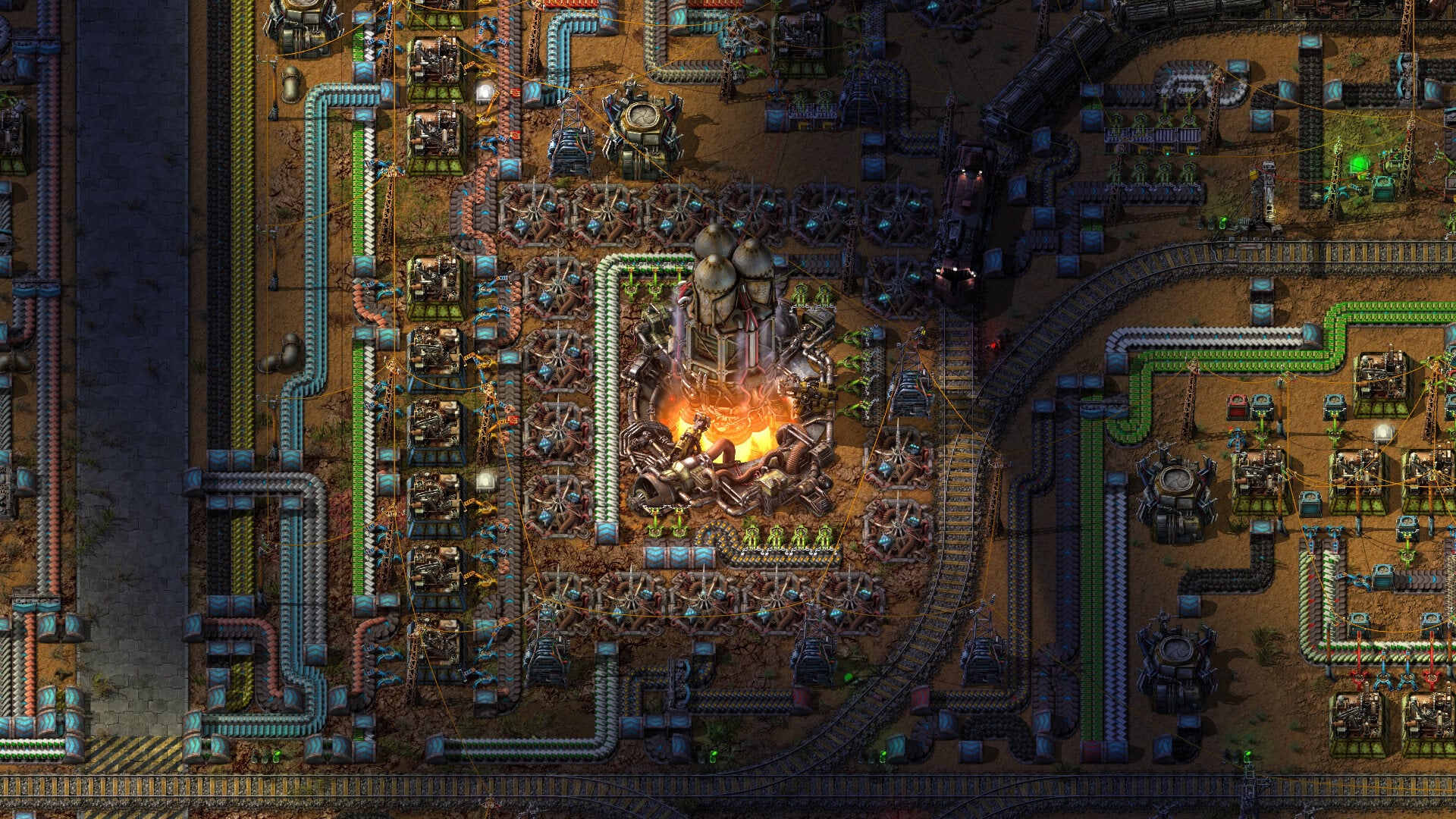
Factorio is often mentioned because it did something very specific extremely well.
It focused on:
- Clear rules
- Simple visuals
- Deep systems
- Endless scaling
Nothing is random. Nothing is decorative.
Every problem has a logical solution.
And when something breaks, it's your fault — not the game's.
That honesty is why Factorio works so well, and why many modern automation games follow the same philosophy. For more games in this style, check out my Games Like Factorio guide.
Modern automation games (what changed?)
Newer automation games expanded the genre in different directions.
Some focused on:
- 3D worlds (like large factories you walk through)
- Visual satisfaction (big machines, animations, scale)
- Accessibility (less punishment, more guidance)
Others added story layers, exploration, survival elements, and logistics across planets or regions. Two standout examples:
Satisfactory
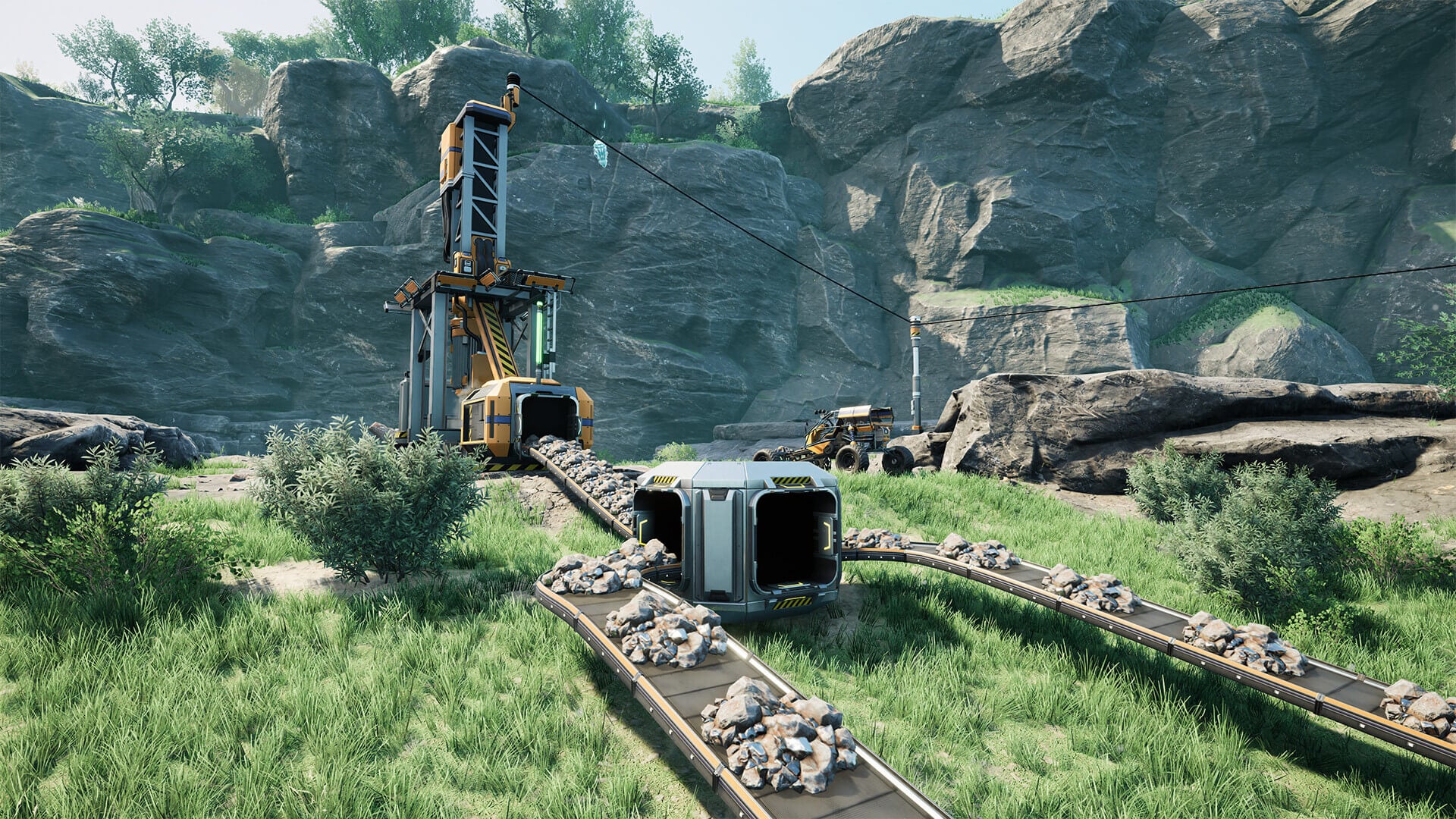
It is a prime example: 3D factory building with conveyors and vertical layouts you can walk through, and exemplifies the shift to first-person scale and visual satisfaction.
Dyson Sphere Program
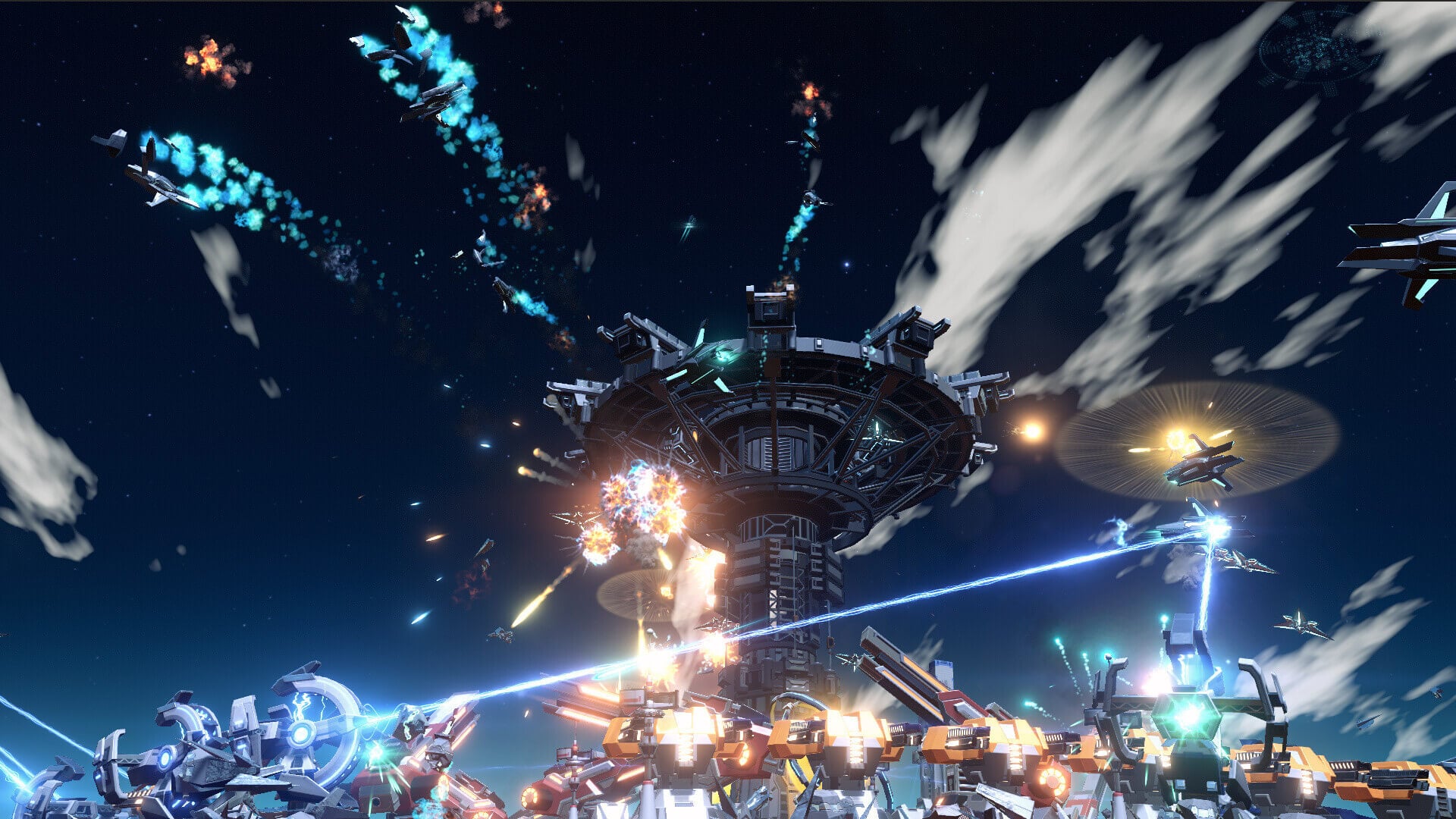
It takes automation interplanetary—factories across planets and a Dyson Sphere endgame. The core idea stayed the same: build systems that think for you. The presentation just became more welcoming.
Automation games vs factory games
These terms are often used together, but they're not exactly the same.
Automation games
- Focus on logic and flow
- Systems solving systems
- Often infinite scaling
- You optimize forever
Factory games
- Focus on production
- Clear goals and milestones
- Often more visual
- Sometimes more guided
Most modern games sit somewhere between the two.
That overlap is normal — and healthy for the genre. For a comprehensive look at the best factory games, see my Top 10 Factory Games of 2025 guide.
Why automation games feel so satisfying
Automation games trigger a few powerful things in the brain:
1. Problem → Solution → Improvement loop
You see a problem. You fix it. Then you fix your fix.
That loop never ends.
2. Visible progress
You can see your thinking working:
- Faster belts
- Cleaner layouts
- Better ratios
3. Control without chaos
The world is complex, but predictable. If something fails, there is a reason.
That's rare — and comforting.
Who automation games are for (and who they aren't)
Great for:
- People who enjoy systems
- Players who like thinking long-term
- Anyone who enjoys optimization
- Builders and planners
Not great for:
- Players who want fast action
- Story-first experiences
- Short sessions with quick rewards
Automation games reward patience.
Where this genre is going
Automation games are not slowing down.
I'm seeing:
- Bigger worlds
- Smarter logistics
- Better onboarding for new players
- More hybrid genres (automation + survival, automation + strategy, automation + cozy design)
That hybrid direction is already visible in newer titles. StarRupture mixes first-person automation with open-world survival, combat, and co-op. Oddsparks softens the genre with creature helpers, exploration, light combat, and a cozy presentation that still teaches logistics. The factory stays central — the wrapper around it is getting wider.
But the heart of the genre won't change.
As long as players enjoy making things work better, automation games will exist.
Final thoughts
Automation games aren't about winning.
They're about understanding.
You don't beat the game — you learn the system.
And once you do, the system works for you.
That's the magic.
A small desk upgrade for automation sessions
Automation games reward steady mouse movement — dragging belts, placing machines, and nudging camera angles until the layout finally clicks. A desk-size mouse pad gives you more room for those long planning stretches without running out of space mid-session.
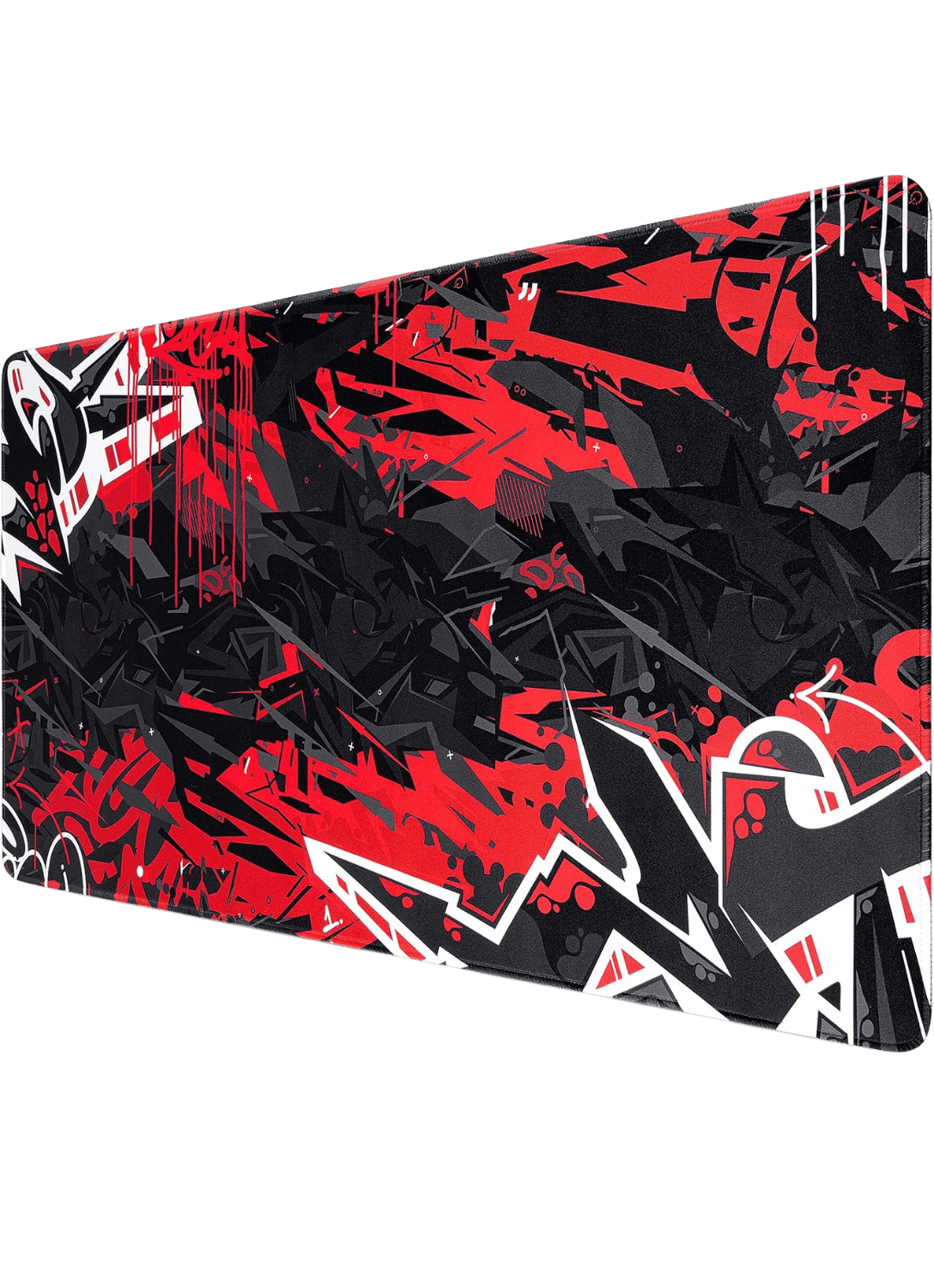
Canjoy Gaming Mouse Pad
Desk-size pad for more room and smoother mouse travel in long strategy sessions.
Frequently Asked Questions
What makes a game an automation game?
Automation games focus on building systems that run independently. The core gameplay involves designing production chains, logistics networks, and automated processes that work without constant player intervention. The satisfaction comes from optimization and watching your systems run smoothly.
Are automation games and factory games the same thing?
While related, they're not identical. Automation games emphasize logic, flow, and infinite optimization. Factory games focus more on production goals and milestones. Most modern games blend elements of both, creating a spectrum rather than distinct categories.
Why is Factorio considered the gold standard?
Factorio excels because of its clear rules, logical systems, and endless scaling potential. Every problem has a solution, and failures are always the player's fault—never random. This honesty and depth make it the benchmark that other automation games are measured against.
Can beginners enjoy automation games?
Yes, but it depends on the game. Titles like Shapez and Factory Town offer more accessible entry points, while Factorio and Dyson Sphere Program provide deeper complexity for experienced players.
What's the difference between automation games and city builders?
Automation games focus on production chains, logistics, and system optimization. City builders emphasize urban planning, citizen management, and creating livable communities. Some games like Captain of Industry combine elements of both genres.
How long do automation games take to complete?
Most automation games are designed for hundreds of hours of gameplay. Campaigns might take 40-60 hours, but optimization and expansion can extend playtime indefinitely. The genre rewards long-term thinking and continuous improvement.