10 Games Like Dyson Sphere Program: Sci-Fi Automation at Interplanetary Scale
Love interplanetary logistics? If you've finished your Dyson Sphere, these are the best sci-fi automation games that capture that massive sense of scale.
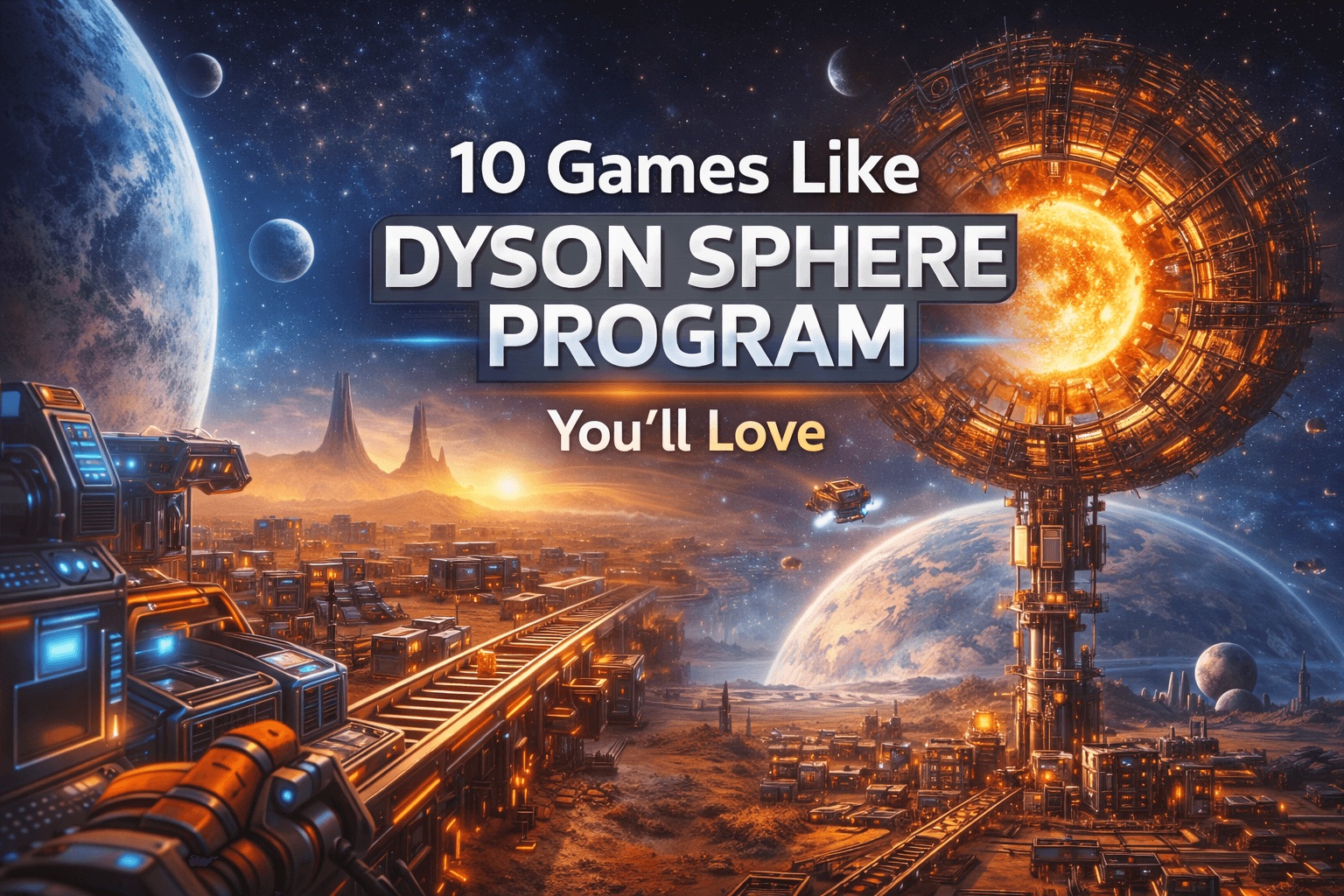
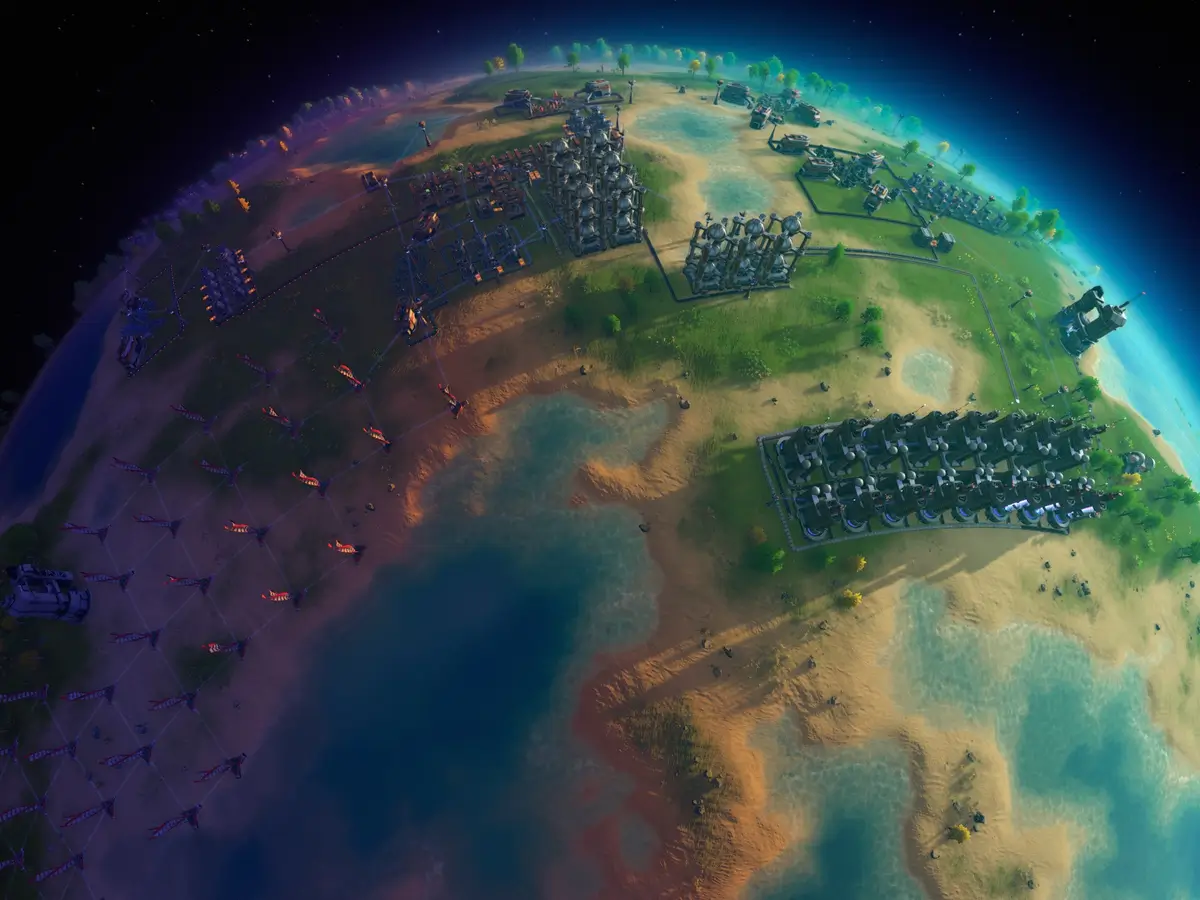
Dyson Sphere Program works because it gives factory automation a real sense of destination. You start small, spread across planets, and eventually build toward a sci-fi endgame that feels worth the effort.
If you want more of that, the closest overall fit is Satisfactory, the deepest logistics match is Factorio, and the best industry-meets-management pick is Captain of Industry. A few of the later entries are looser recommendations, but they still overlap with DSP in a useful way.
If you want more automation recommendations, you can also check my games like Factorio guide and Top 10 Factory Games of 2025.
10 Games Like Dyson Sphere Program
1. Satisfactory
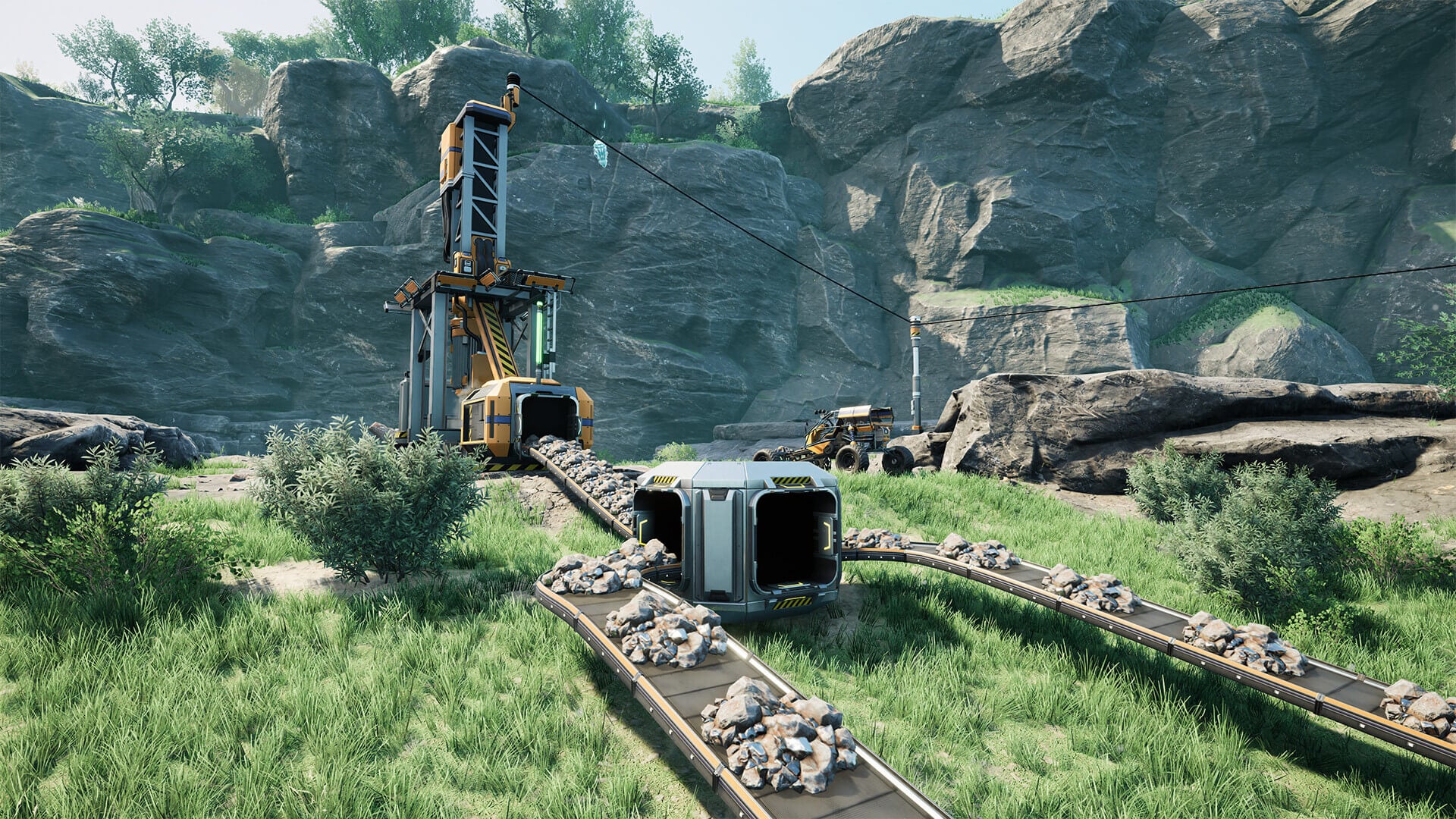
If your favorite part of DSP was turning a modest setup into a massive industrial sprawl, start here.
Best for: people who love hands-on factory building and huge builds. Skip if: you only want interplanetary logistics.
Satisfactory trades planets for a handcrafted alien world and moves the whole thing into first-person, but the core appeal is very close. You expand production, reroute bottlenecks, and keep rebuilding toward higher output, only now you are walking through the machine instead of looking down on it.
Why it works for DSP fans:
- Expansion feels tangible and dramatic
- Production chains keep opening up
- Big builds are part of the fantasy
What changes:
- First-person building
- More exploration and traversal
- No planet-to-planet layer
Bottom line: This is the closest match for DSP's "build bigger" momentum, and co-op makes it even easier to recommend.
2. Factorio
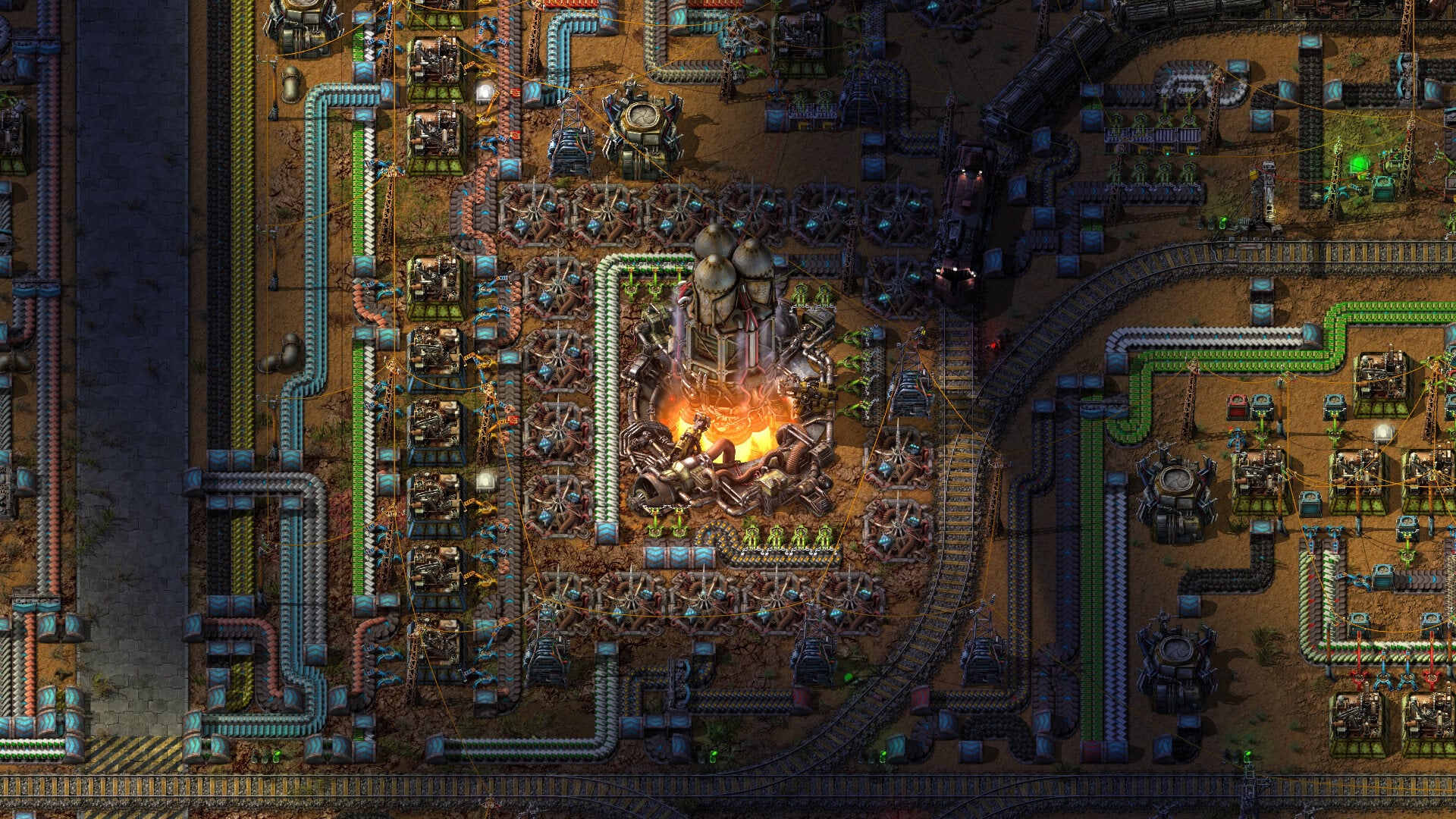
Factorio is the cleanest match for DSP's obsession with throughput, routing, and fixing the next bottleneck.
Best for: players who want the deepest automation and logistics puzzles. Skip if: you prefer 3D worlds or exploration.
It is not planetary, and it is not interested in spectacle. What it does offer is an almost unmatched ability to turn "I should improve this line" into dozens of hours of meaningful decisions. If DSP clicked for you as a logistics game first and a space game second, Factorio is an easy recommendation.
Where it overlaps with DSP:
- Deep production chains
- Logistics as the main challenge
- Constant room to refine and rebuild
What to know going in:
- 2D top-down view
- Combat and defense matter more
- No interplanetary shipping
Bottom line: If you want the deepest pure automation follow-up, pick Factorio.
3. Captain of Industry
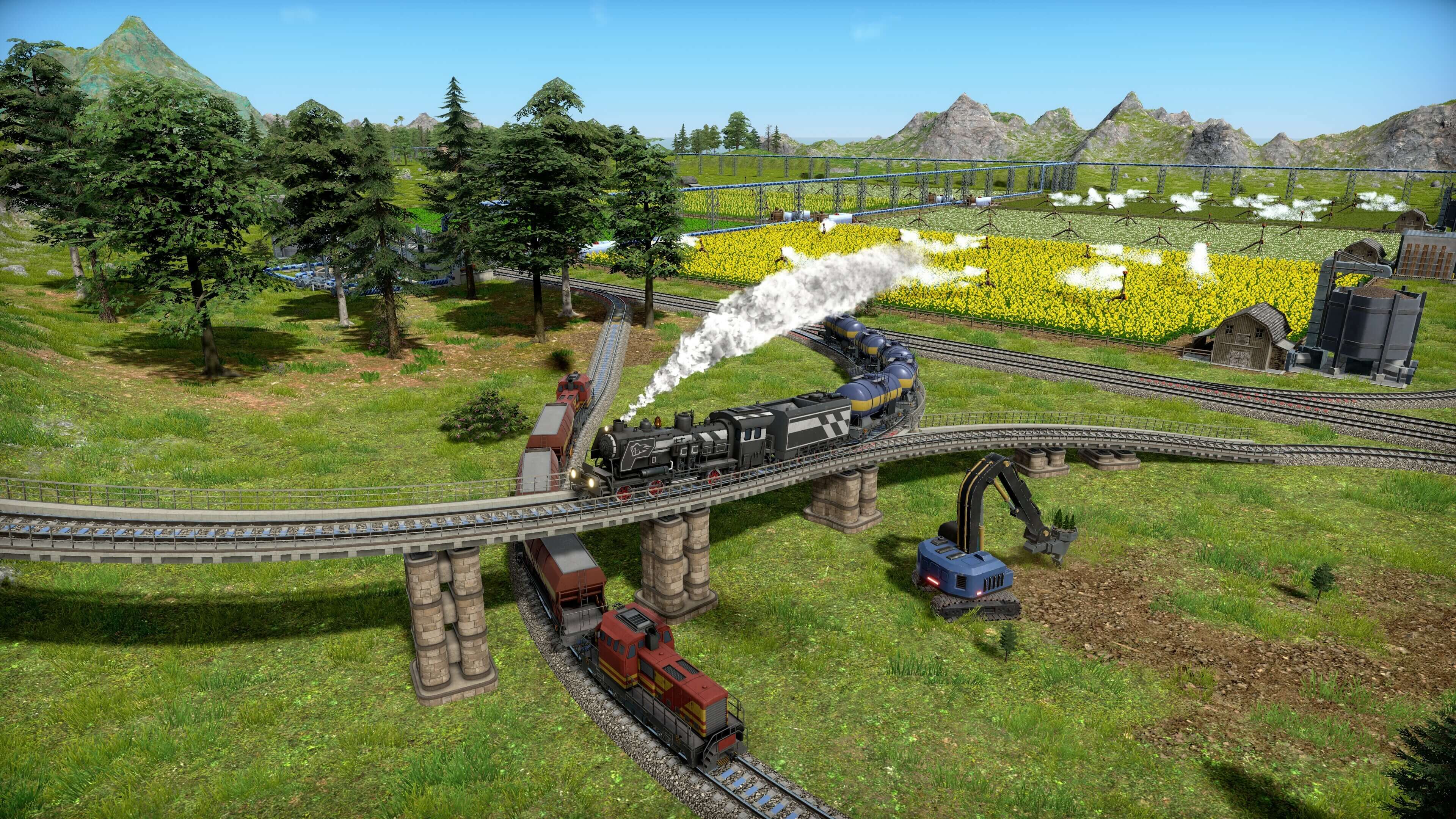
Captain of Industry is the pick for players who want factory building with more weight behind every decision.
Best for: players who enjoy industry scale plus management layers. Skip if: you want pure automation without population needs.
This is part factory game, part colony management game. You are still building chains, moving resources, and expanding infrastructure, but now the health of the settlement matters too. That added pressure gives it a more grounded, industrial feel than DSP.
Why it lands:
- Large, multi-stage production chains
- Resource planning actually matters
- Growth feels like managing a real industrial machine
Where it diverges:
- Population and colony management
- Real-world industrial theme instead of sci-fi
- Terrain and island layout matter a lot
Bottom line: A great fit if you want automation plus management rather than automation alone.
4. Oxygen Not Included
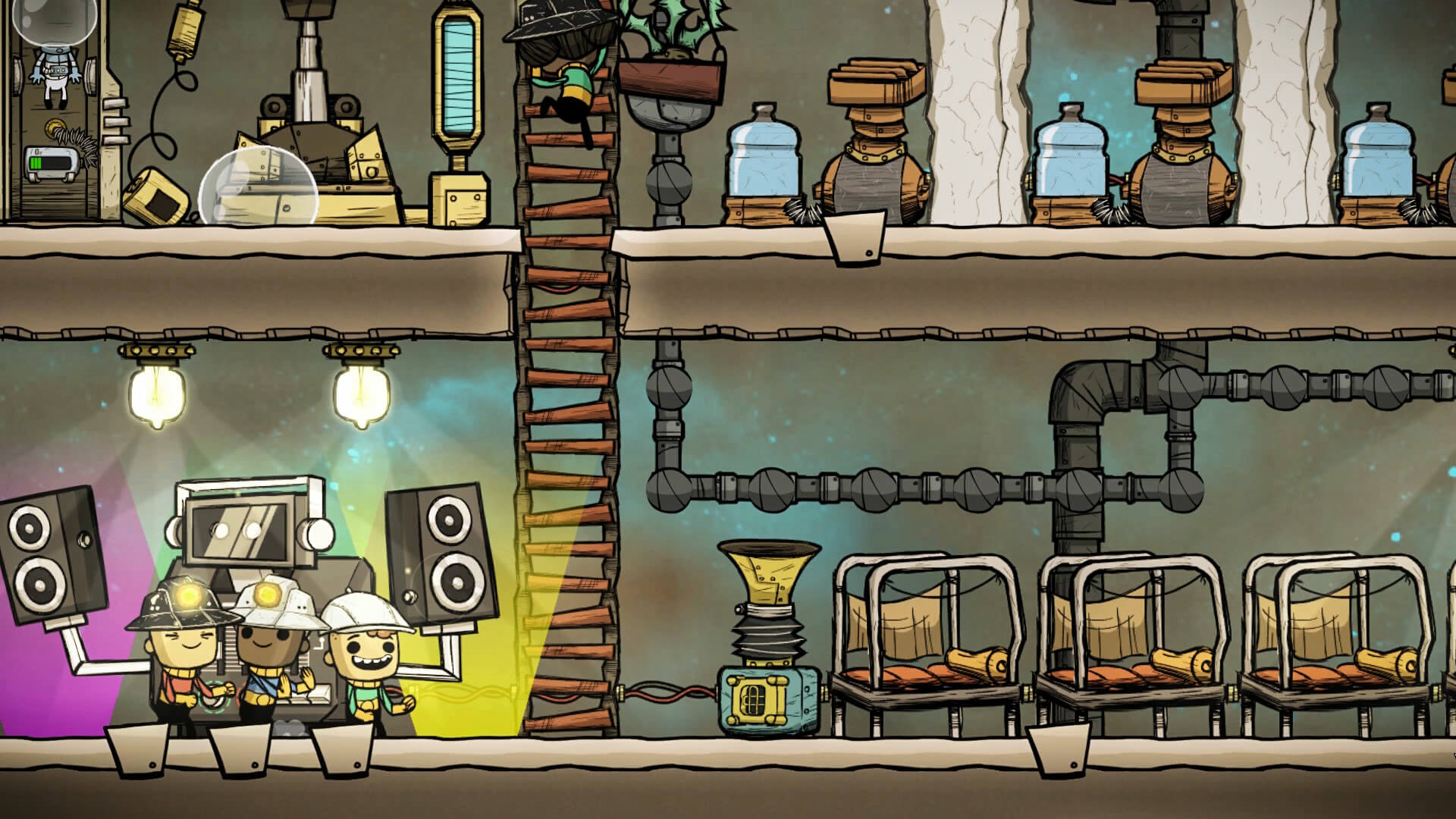
Oxygen Not Included is not a conveyor game in the usual sense, but it is one of the best system-design recommendations on this list.
Best for: people who love complex system interactions and resource loops. Skip if: you want conveyor-belt factory gameplay.
What makes it such a good DSP follow-up is the way separate systems keep colliding: gases, liquids, heat, power, food, labor. When it works, your colony starts to feel like a self-sustaining machine. When it fails, you immediately know which bad decision caused it.
Why DSP players click with it:
- Interlocking systems with real consequences
- Self-sustaining loops are the goal
- Long-term planning pays off
The main difference:
- Survival sim tone
- Duplicant management matters
- Less belt logic, more physics and simulation
Bottom line: Pick this if your favorite part of DSP was making complicated systems behave.
5. RimWorld (industry focus)
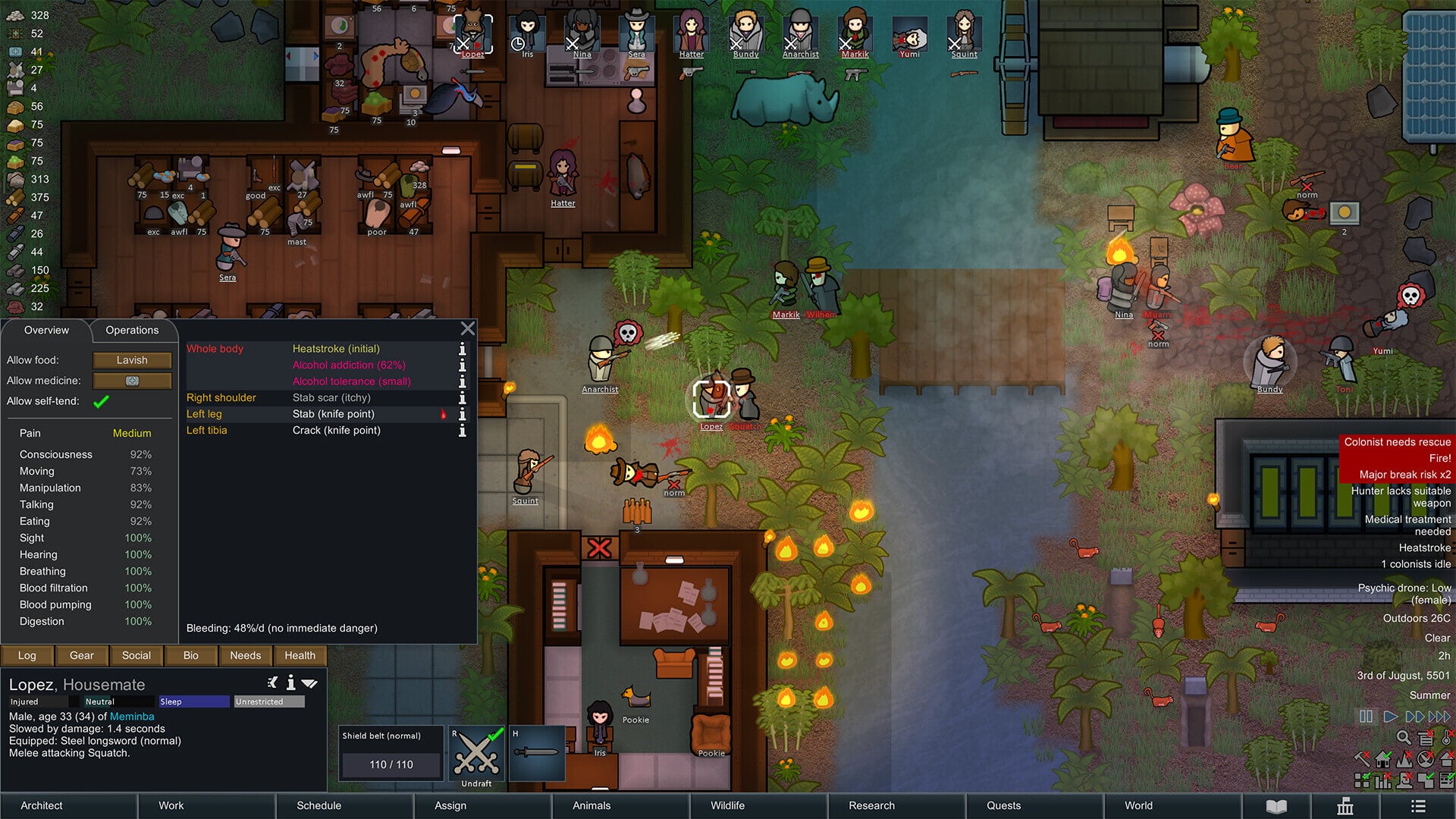
RimWorld is a looser fit, but a real one if you enjoy turning a colony into an efficient production machine.
Best for: players who enjoy production plus colony storytelling. Skip if: you want a pure factory experience.
RimWorld is obviously more chaotic and character-driven than DSP, but there is still a satisfying industrial layer underneath it. Lean into power, storage, crafting, farming, hauling, and long-term infrastructure, and the colony starts to feel less like a story generator and more like a messy human-run factory.
Why it can work:
- Long-term infrastructure building
- Storage, routing, and work priorities matter
- Tech progression supports bigger operations
Why it is a looser match:
- Storytelling is a major focus
- Chaos often overrides clean efficiency
- Automation is indirect through jobs and priorities
Bottom line: Come here for the colony simulation, stay if you enjoy building order out of constant disorder.
6. Anno 1800
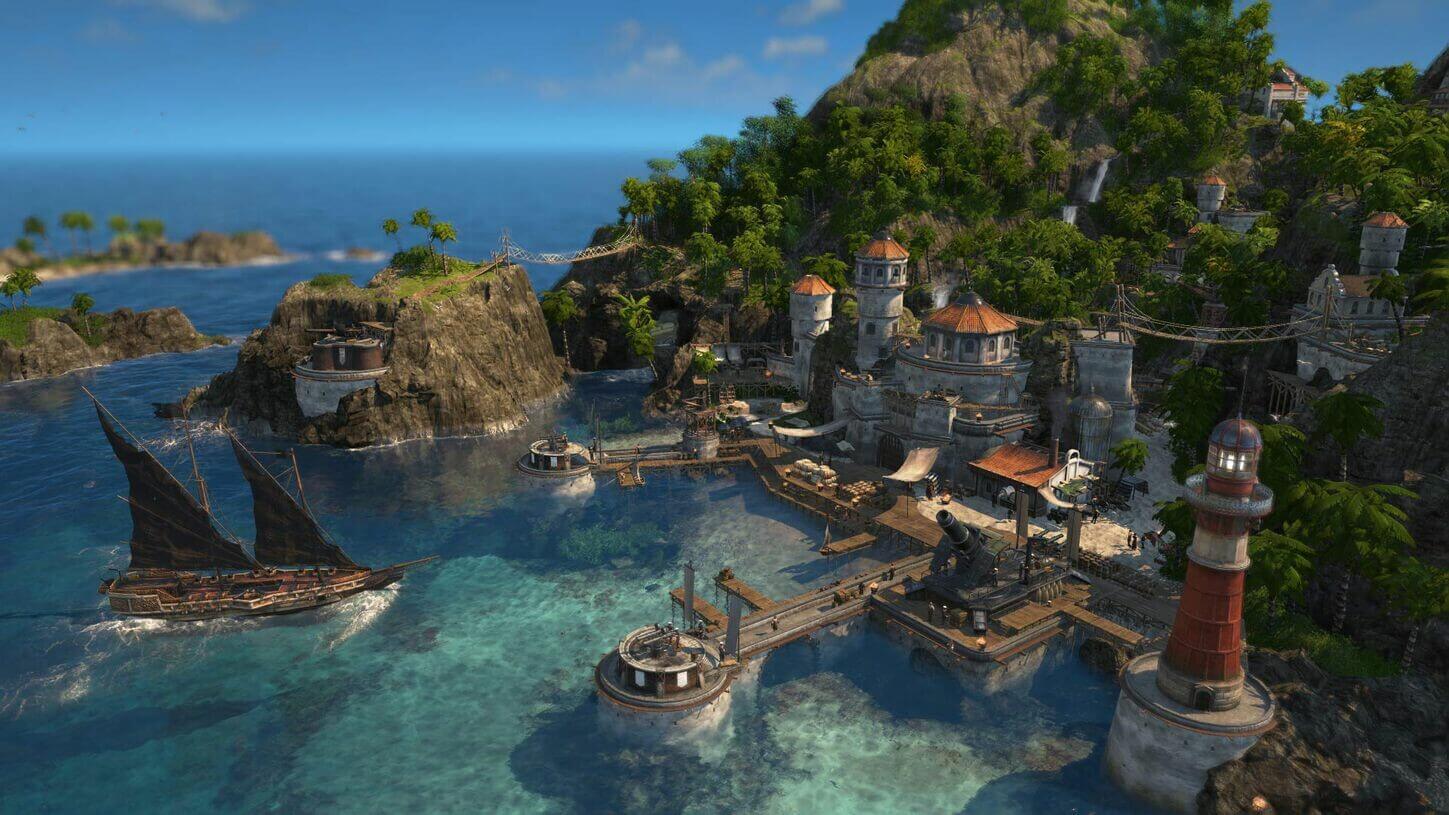
Anno 1800 is another indirect match, but a strong one if your favorite DSP moments were about orchestrating supply chains at a very large scale.
Best for: people who want civilization-scale supply chains. Skip if: you only want automation belts and no city management.
It is not a factory game in the strict sense, yet the appeal overlaps more than you might expect. You are balancing production, trade routes, demand, and expansion across a sprawling economy, and the satisfaction comes from getting all of those moving parts to cooperate.
What carries over from DSP:
- Multi-step production chains
- Large infrastructure planning
- Supply flow and efficiency still matter
What changes most:
- City-builder structure
- Trade routes and population demand
- Less automation sandbox, more economic management
Bottom line: If you like the idea of building a civilization-scale machine, Anno does it from the city-builder side.
The next few are broader recommendations. They are less direct automation matches, but each overlaps with DSP in a specific, intentional way.
7. Space Engineers
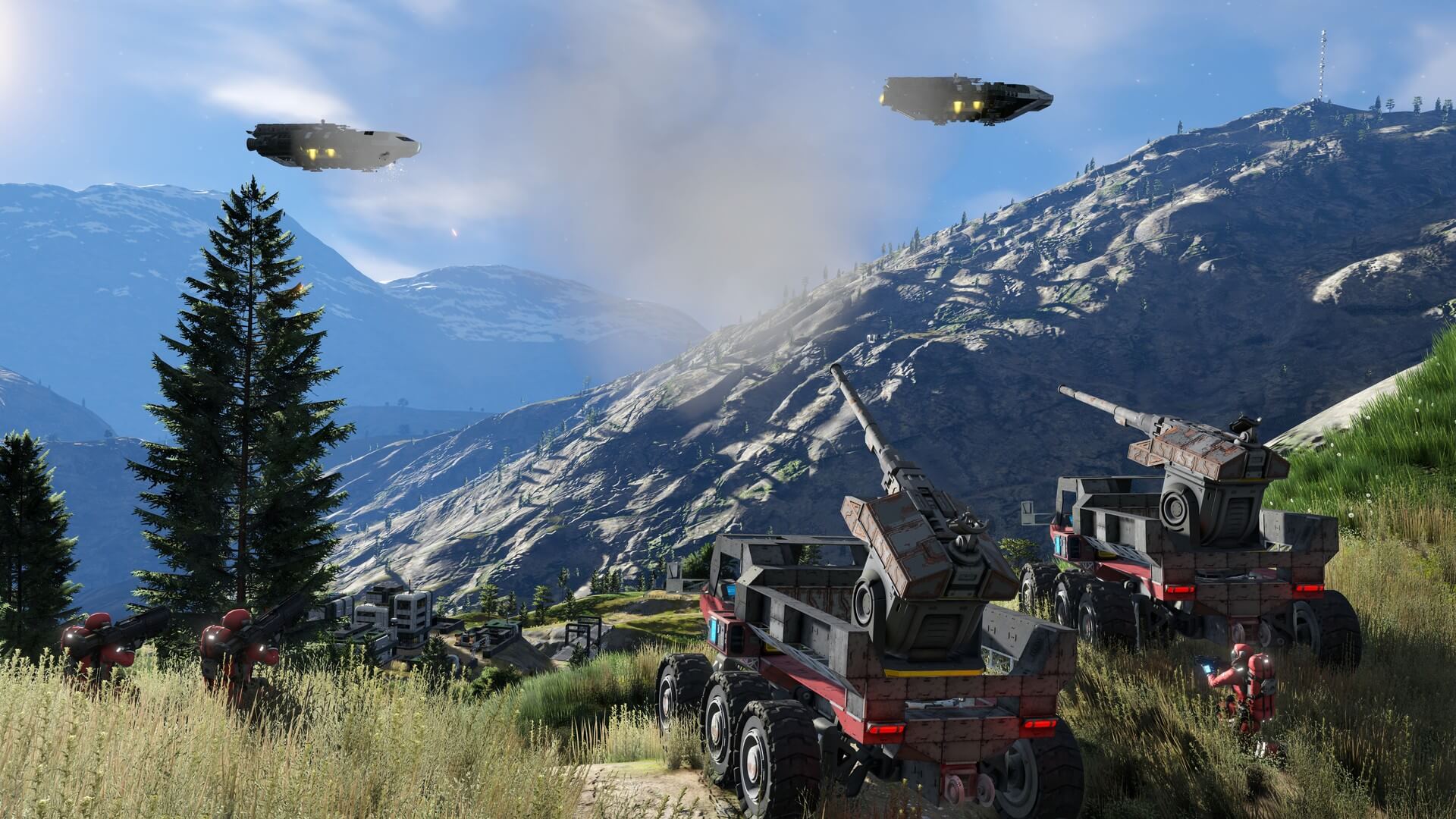
Space Engineers is more sandbox engineering than factory game, but it absolutely speaks to the same part of your brain that wants giant space infrastructure.
Best for: builders who want to create their own space infrastructure. Skip if: you want a guided automation progression.
The overlap here is not the exact production loop. It is the fantasy of designing ships, stations, and industrial structures in space, then solving practical problems until they actually work. If DSP's setting mattered as much as its mechanics, this is worth a look.
Why it still fits:
- Space setting with large builds
- Systems thinking matters
- Engineering your own solutions is the point
Be aware:
- Much more sandbox-driven
- You create your own goals
- Factory play depends on how you approach it
Bottom line: A good pick if you want more space construction than structured automation.
8. Kerbal Space Program
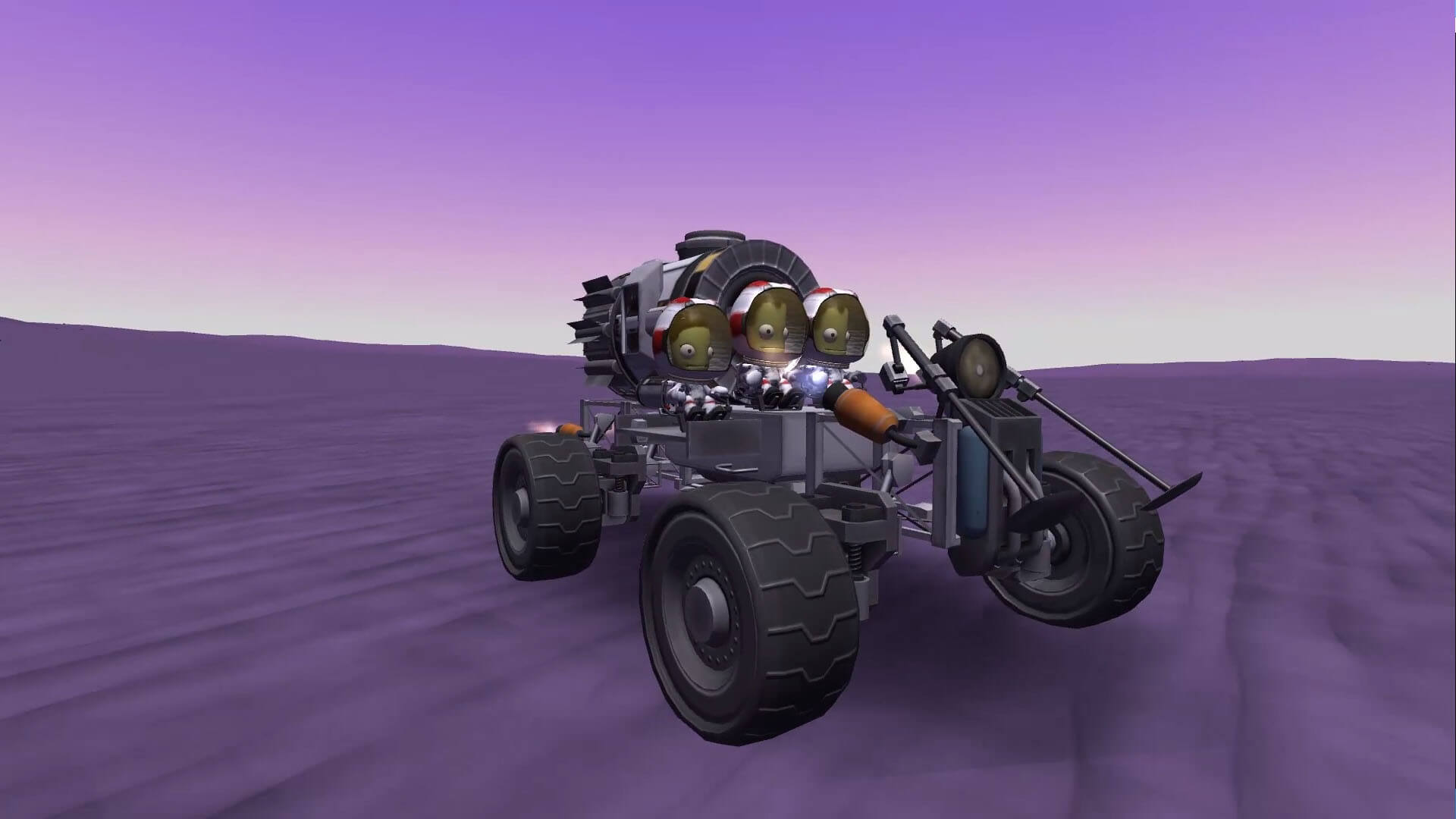
Kerbal Space Program is an even looser match mechanically, but it makes sense if DSP hooked you with rockets, progression, and big long-term projects.
Best for: players who love rockets, physics, and space missions. Skip if: you only want automation and production chains.
There is no factory loop here. What carries over is the satisfaction of building toward increasingly ambitious space goals, learning from failure, and eventually pulling off something that looked impossible at the start.
What DSP fans may still like:
- Space progression and tech milestones
- Large projects with real payoff
- A strong "I can improve this design" mentality
What it is not:
- Not an automation game
- Focused on physics and rocket design
- Much more trial and error
Bottom line: Choose this for the space-program fantasy, not for factory depth.
9. Terra Invicta
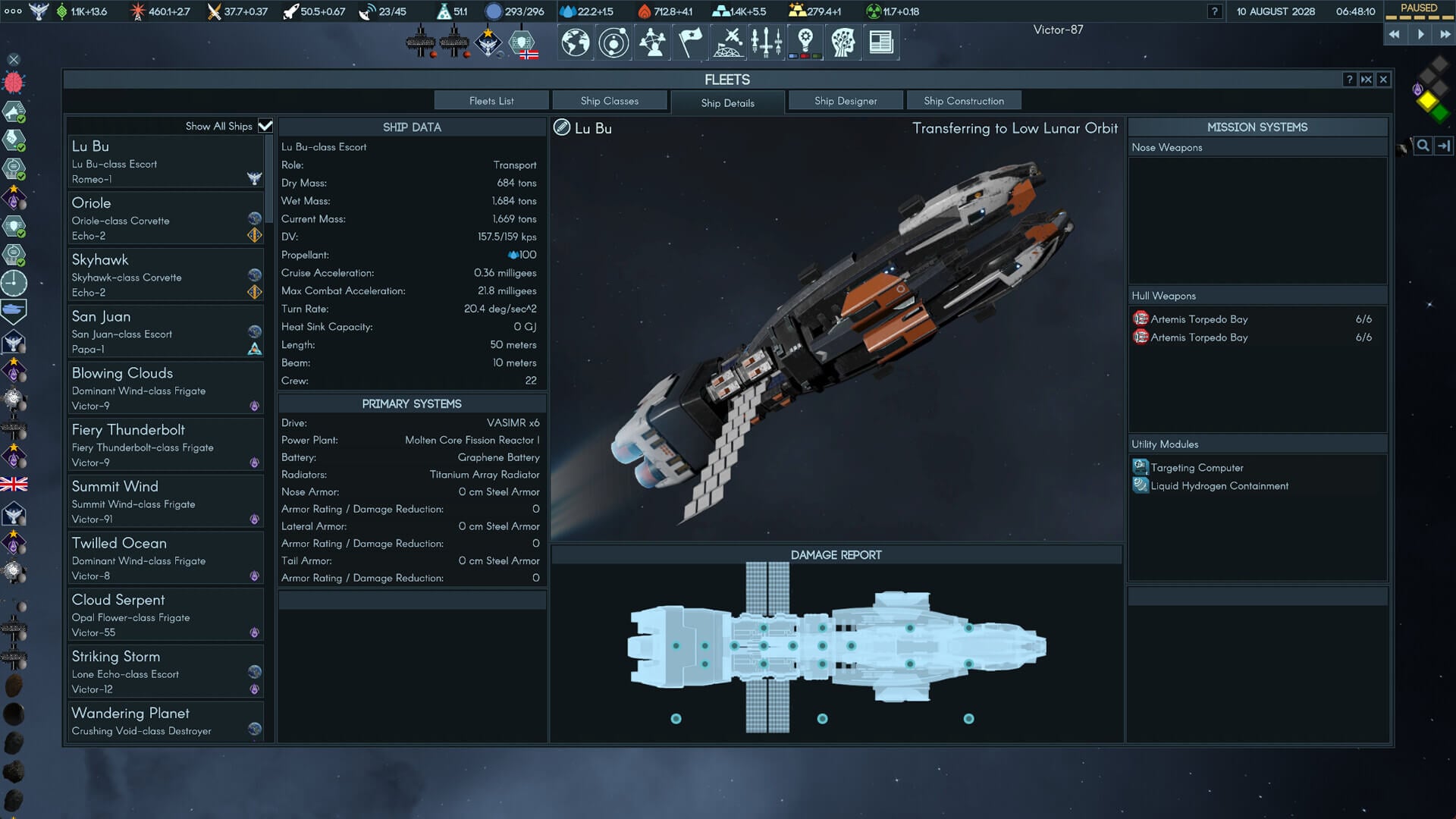
Terra Invicta is a strategy detour, not a factory recommendation, but it does tap into the same taste for macro-scale planning.
Best for: strategy fans who want a long campaign with space expansion. Skip if: you want factory automation gameplay.
It is about Earth politics, orbital expansion, and long-horizon decision-making. The reason it belongs here at all is simple: some DSP players are really chasing scope. If that is you, Terra Invicta delivers plenty of it.
Why the overlap exists:
- Earth-to-space progression
- Big-picture planning
- Very long-term campaigns
Why it is a stretch:
- Strategy and management heavy
- Steep learning curve
- No factory-chain gameplay
Bottom line: Worth considering if the real draw was ambition and scale rather than automation itself.
10. Shapez (and Shapez 2 if you want more depth)
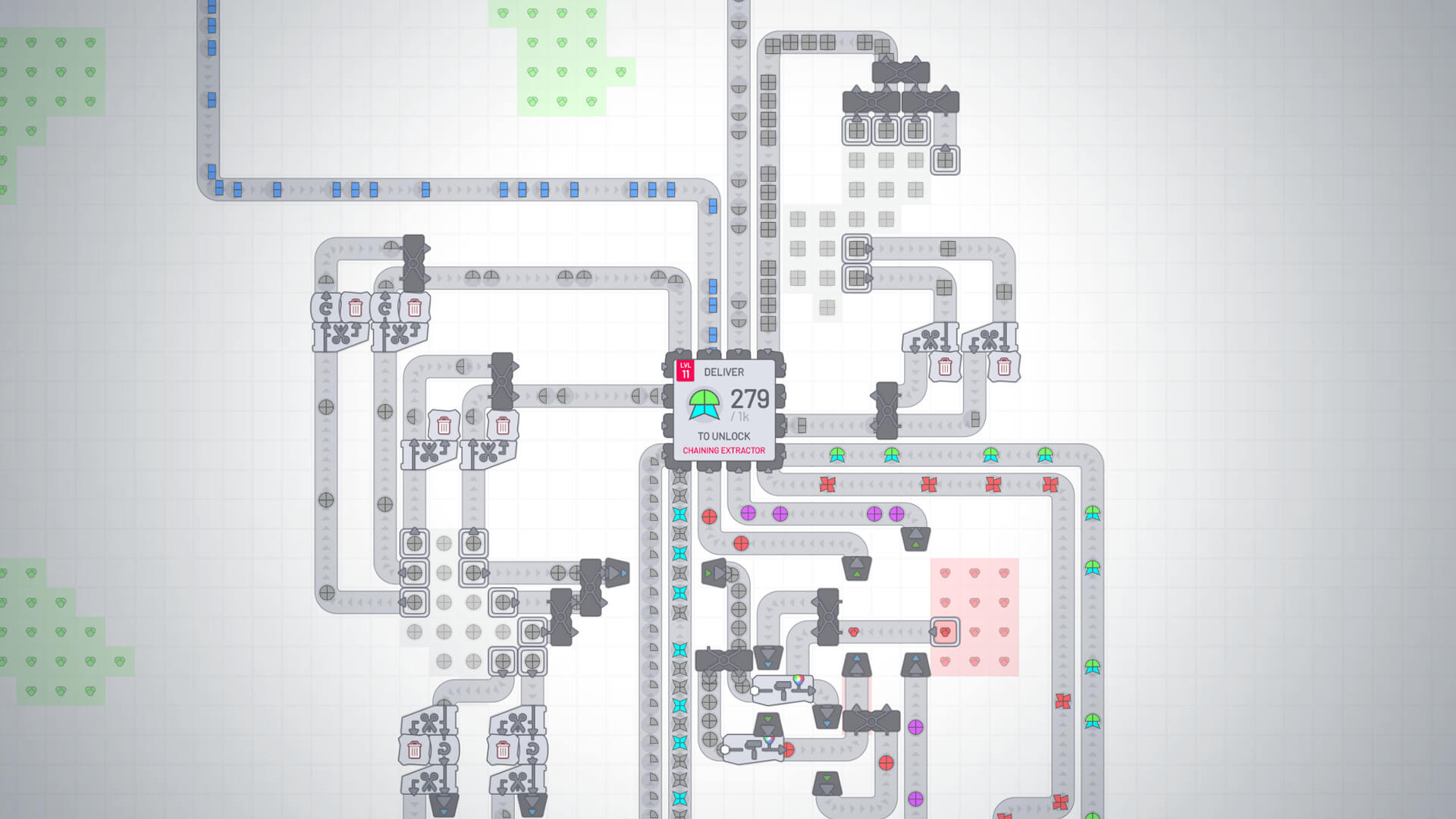
Shapez drops the sci-fi setting entirely, but it keeps one of the purest parts of DSP: designing lines and chasing better throughput.
Best for: players who want pure automation puzzles. Skip if: you want exploration or a space setting.
This is automation stripped down to the essentials. No survival pressure, no story, no space spectacle. Just inputs, outputs, layouts, and the quiet satisfaction of making a line run better than it did ten minutes ago.
Why it still belongs here:
- Pure automation loop
- Throughput and layout are everything
- Extremely satisfying to refine
What you give up:
- Abstract shapes instead of machines and materials
- No exploration or sci-fi theme
- Almost entirely puzzle-first
Bottom line: If you want the factory-brain part of DSP with zero extra baggage, Shapez is excellent.
Which Game Should You Play Next?
- Closest overall match: Satisfactory
- Best for logistics depth: Factorio
- Best for industry plus management: Captain of Industry
- Best for self-sustaining systems: Oxygen Not Included
- Best for space-sandbox building: Space Engineers
- Best for pure automation puzzles: Shapez
Conclusion
Dyson Sphere Program is still unusual because it combines factory design, planetary expansion, and a clear sci-fi endgame in one package. But if you know which part you want more of, this list gives you a strong next pick instead of ten vague "kind of similar" answers.
Want more factory picks? Also see:
A small gear note for long factory sessions
Games like Dyson Sphere Program routinely turn into multi-hour optimization sessions. Clear audio helps more than people expect — especially when alerts, machinery hum, and interface feedback are all part of how you read what the factory is doing.
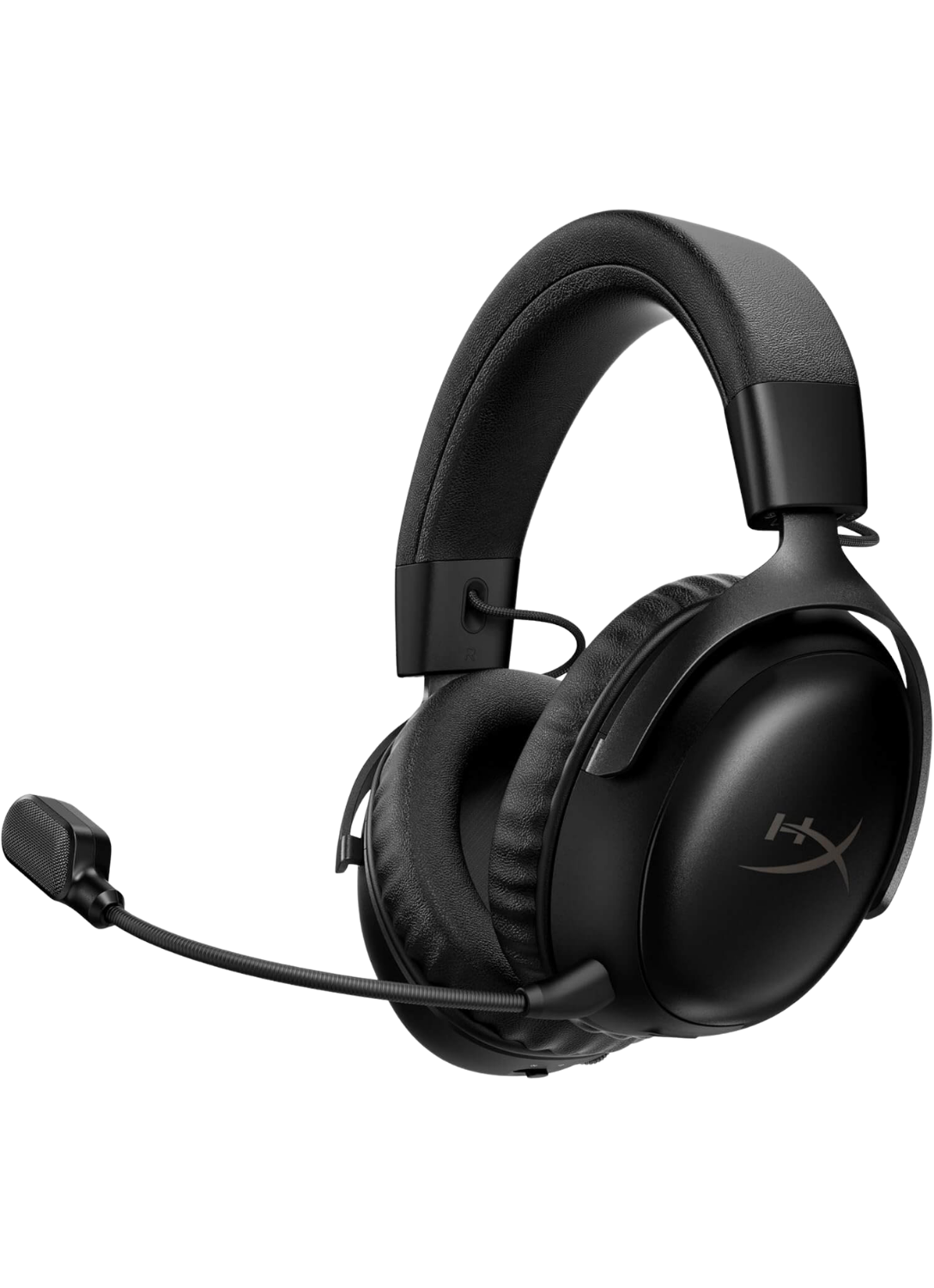
HyperX Cloud III S Wireless
Comfortable wireless headset for long sessions—clear audio, detachable mic.
Frequently Asked Questions
Is Dyson Sphere Program like Factorio?
Yes. Both are automation games built around production chains and bottlenecks. The difference is that DSP leans into 3D planetary building and interplanetary shipping, while Factorio is denser and more focused on pure logistics.
Is there a game like Dyson Sphere Program but multiplayer?
For co-op, Satisfactory is the easiest recommendation. Factorio is also excellent if you want something more systems-heavy.
What's the closest game to Dyson Sphere Program?
Satisfactory is the closest overall. If what you really want is the deepest optimization challenge, go with Factorio.
Is there another game exactly like Dyson Sphere Program?
Not exactly. The specific mix of planet building, interplanetary freight, and Dyson Sphere endgame is still pretty singular.
Is Satisfactory or Factorio closer to DSP?
Satisfactory feels closer in expansion and spectacle. Factorio is closer in day-to-day throughput tuning and logistics depth.
Do DSP fans usually like city builders too?
Often, yes. Players who enjoy DSP's planning and supply-chain side often click with management-heavy games like Captain of Industry and Anno 1800, even if they are not direct factory matches.