Best Factory Games for Beginners (2026)
A beginner-friendly guide to the most approachable factory and automation games, with clear recommendations by play style.
Factory games are at their best when they teach you one good habit at a time: build, route, scale, repeat. If you’re new, the right pick depends on how much pressure you want and how complex you want your logistics to get. Here are the most approachable options in 2026, with clear reasons to start with each.
Quick take
- Want the coziest introduction to automation with helper creatures and co-op? Start with Oddsparks.
- Want first-person building with clear goals and low stress? Start with Satisfactory.
- Want clean top-down automation with strong tutorials and a big sense of progression? Pick Factorio (peaceful mode works great).
- Want a relaxed, beautiful logistics sandbox with a “wow” endgame? Go Dyson Sphere Program.
- Want trains, trucks, and routes without heavy combat pressure? Choose Captain of Industry.
- Want bite-sized automation puzzles instead of a sprawling base? Try Shapez 2.
Pick by vibe: what kind of beginner are you?
Oddsparks
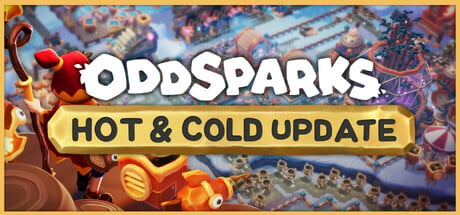
Best for: Beginners who want cozy automation without drowning in belt math.
Why it works: Oddsparks softens the genre by handing grunt work to Sparks — helper creatures that carry, craft, and defend while you focus on layout and logistics. The fantasy-adventure framing, light combat, and seamless co-op (up to four players) make it one of the easiest factory games to hand to a friend.
What you’ll do early: Clear terrain, set up simple production, and learn to direct Sparks instead of micromanaging every haul.
Beginner settings tip: Treat the first hours as teaching the Sparks a few reliable loops. Do not chase perfect ratios before you understand what each building needs.
If you bounce off: If directing creatures feels less satisfying than placing every belt yourself, move to Shapez 2 for pure layout logic or Satisfactory for first-person construction.
Satisfactory
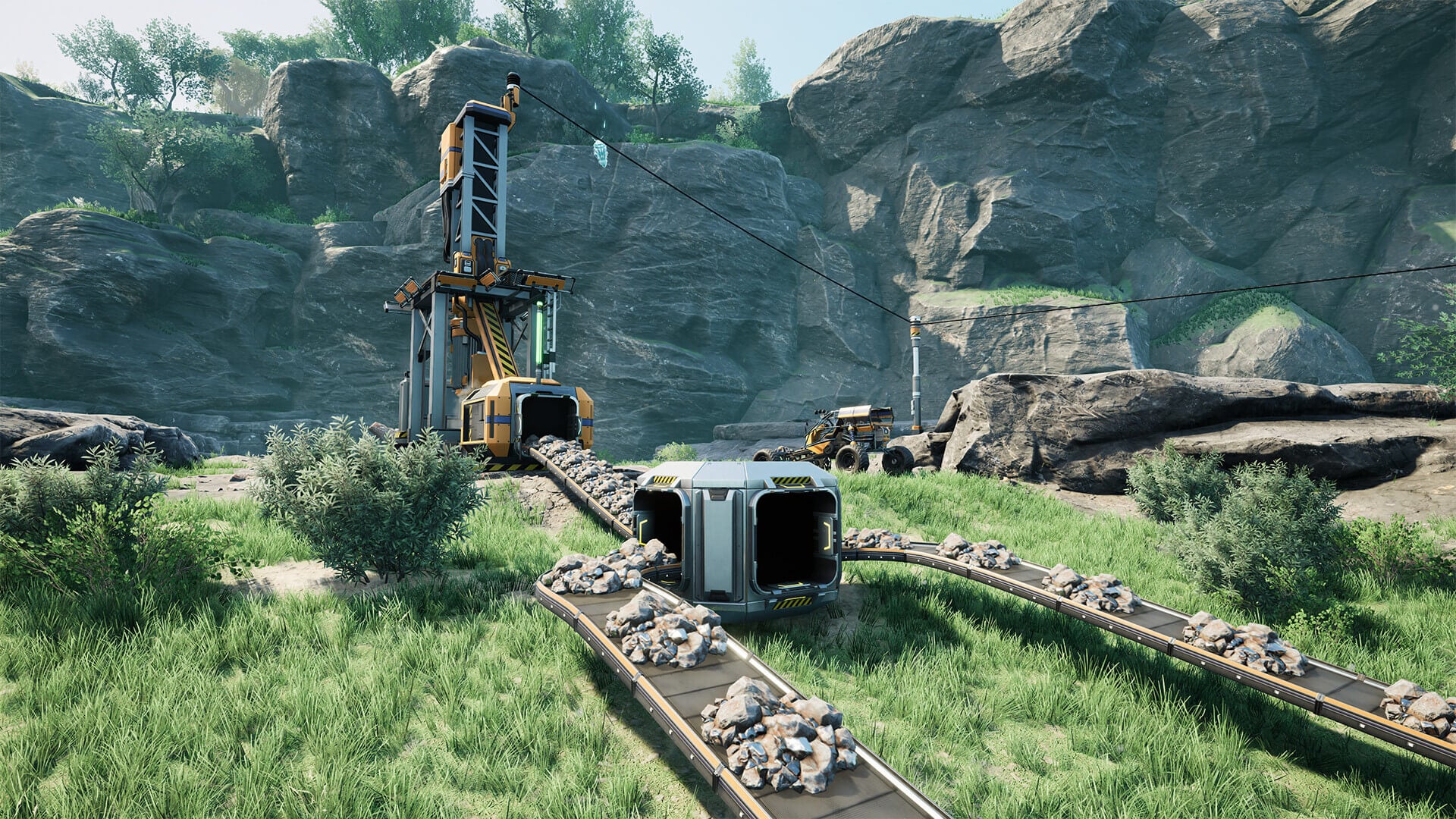
Best for: Beginners who learn by walking around and physically building.
Why it works: First-person perspective makes layout problems feel intuitive. Milestones give you direction without forcing perfection. You can rebuild easily once you understand a system.
What you’ll do early: Mine basics, run belts to simple assemblers, then replace spaghetti with modular lines.
Beginner settings tip: Keep hostile fauna as-is (it’s manageable), but don’t rush exploration. Automate iron and copper first.
If you bounce off: If you hate 3D building or vertical layouts, switch to a top-down game like Factorio.
Want a full walkthrough of the early hours? See the Satisfactory beginner guide for the exact decisions that set up a smooth start.
Factorio
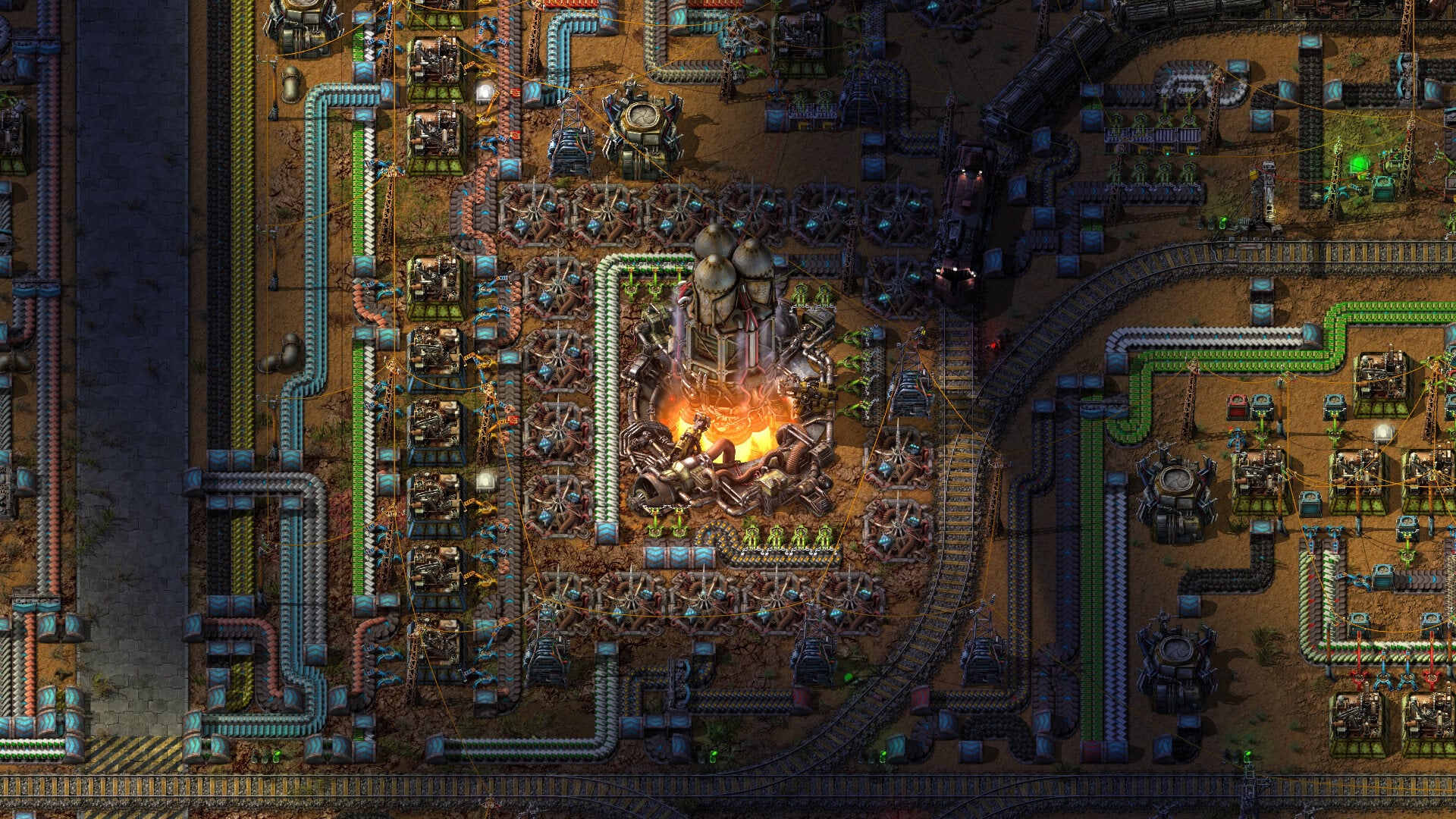
Best for: Players who want the clearest automation language: belts, inserters, assemblers, trains.
Why it works: It’s the most readable “cause and effect” factory game. The tutorial and UI are excellent, and the game scales from simple lines to megabases.
What you’ll do early: Automate science packs, unlock better belts/inserters, then learn trains when your base spreads.
Beginner settings tip: Start on Peaceful or reduce enemy expansion. You’ll learn faster without constant defense pressure.
If you bounce off: If the graphics feel too utilitarian, Dyson Sphere Program gives similar progression with a calmer tone.
Dyson Sphere Program
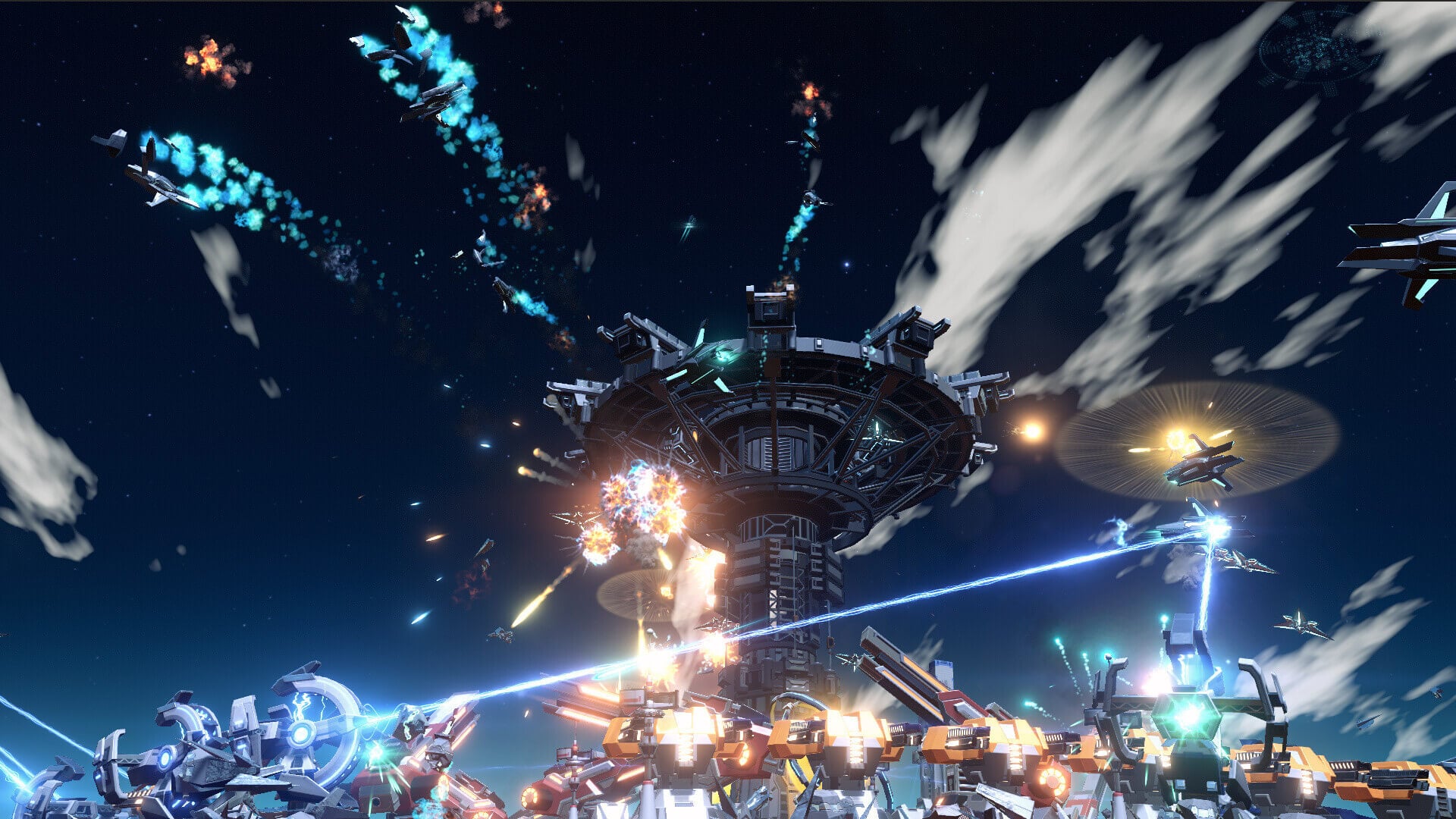
Best for: Beginners who want automation without constant friction, plus a strong sense of spectacle.
Why it works: The early game is forgiving. You can build functional setups quickly, then iterate toward interplanetary logistics when you’re ready.
What you’ll do early: Set up smelting and basic components, then lean on logistics stations to simplify routing.
Beginner settings tip: Don’t over-optimize your first planet. Aim for “works” first, then scale once logistics stations unlock.
If you bounce off: If you want more grounded, production-chain realism, Captain of Industry is the next step.
Captain of Industry
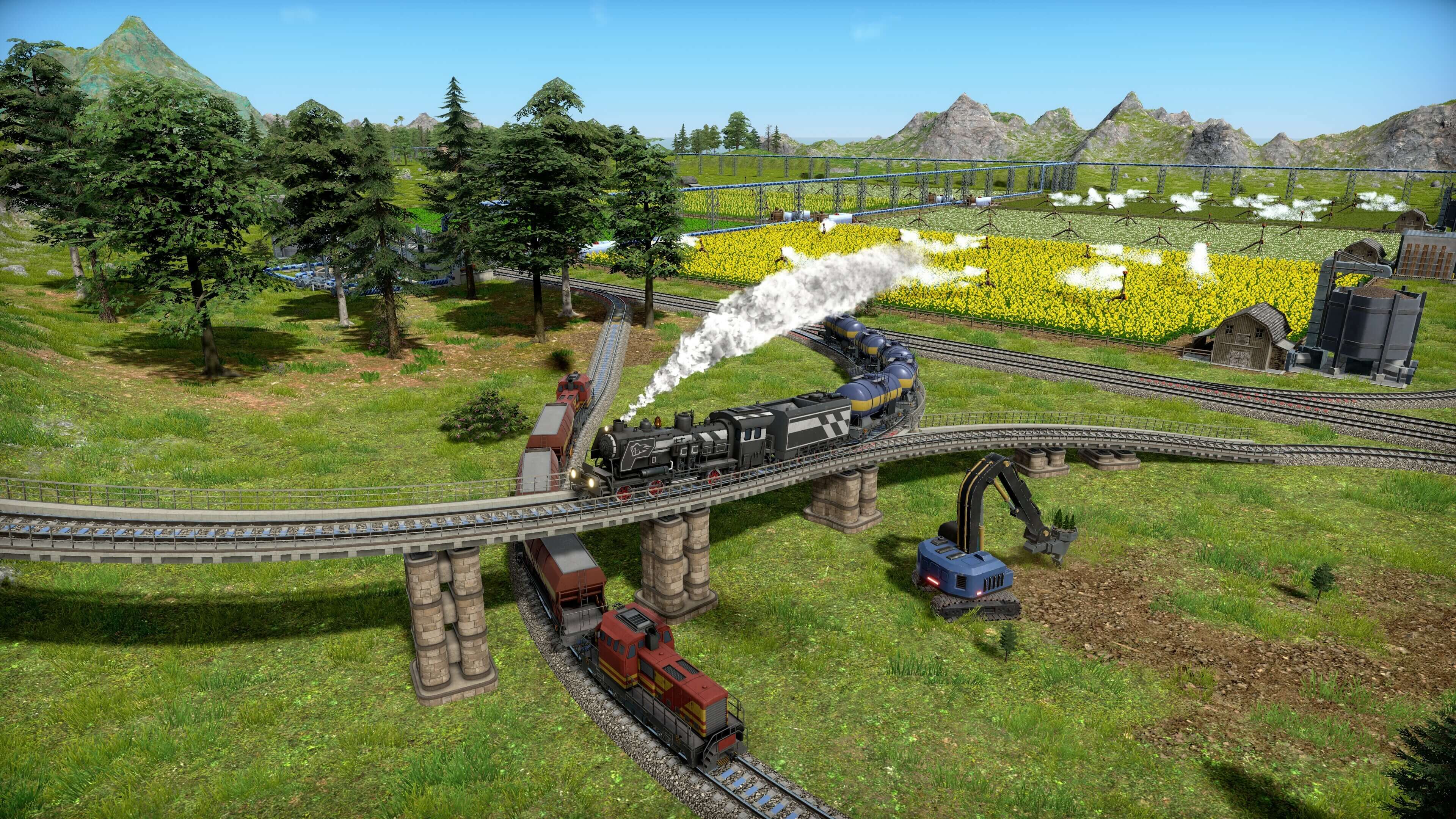
Best for: Players who like logistics networks, vehicle routes, and a more “industrial sim” feel.
Why it works: It teaches planning through constraints: terrain, throughput, fuel, and supply chains. The pacing is steady, and vehicles make logistics visible and understandable.
What you’ll do early: Set up mining with trucks, process raw materials, and stabilize power and fuel.
Beginner settings tip: Keep your first layouts compact. Long truck routes hide problems and slow your learning.
If you bounce off: If you want less management and more pure automation flow, go back to Satisfactory or Factorio.
Shapez 2
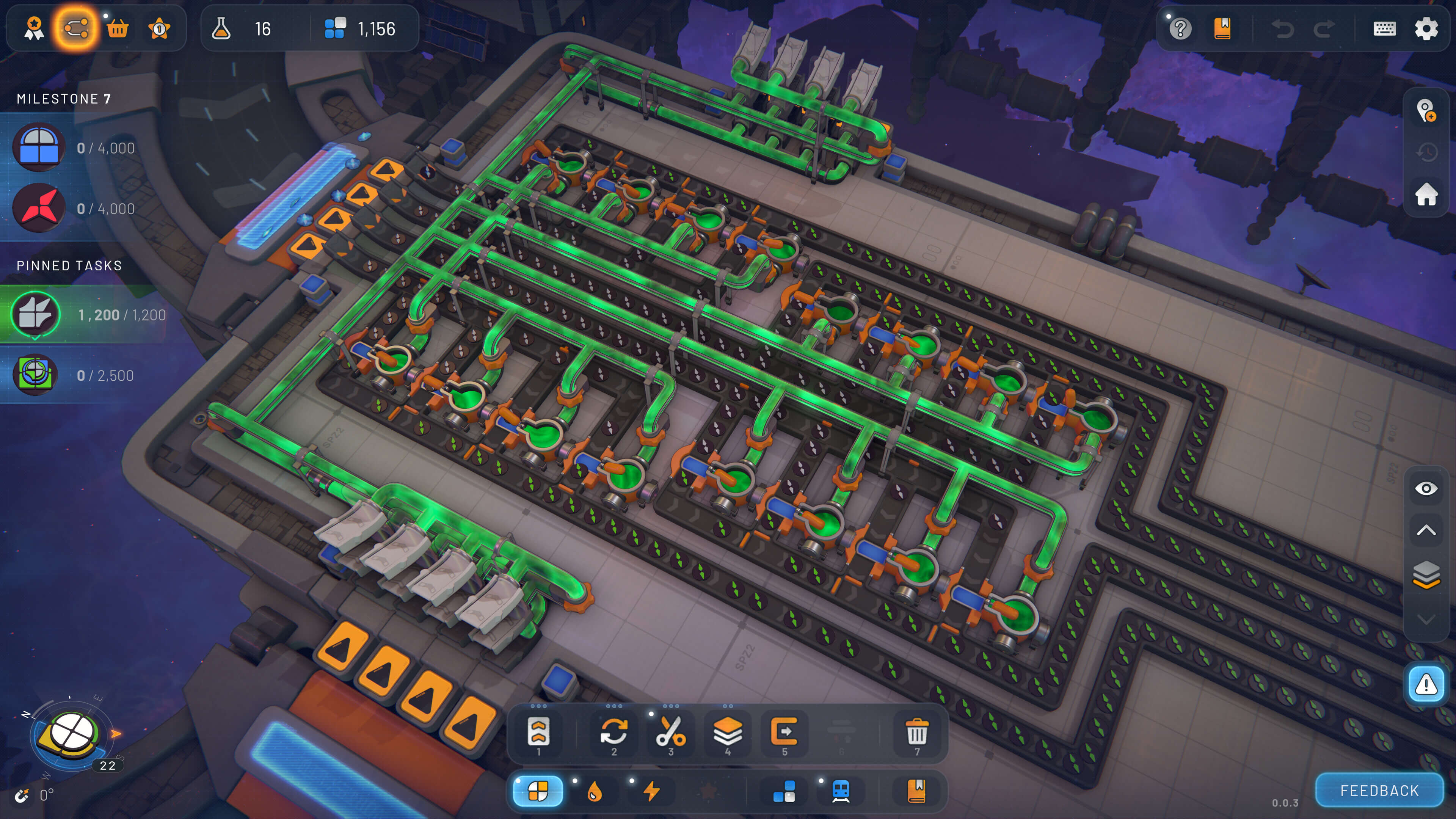
Best for: Beginners who want pure automation puzzles with minimal distractions.
Why it works: It strips the genre down to inputs, transforms, and throughput. You’ll learn core habits—balancing lines, avoiding bottlenecks, using blueprints—without combat or complex crafting trees.
What you’ll do early: Build compact shape-processing lines, then scale using modular, repeatable designs.
Beginner settings tip: Use blueprints early. The game is designed around copying working modules.
If you bounce off: If you want exploration and a world to inhabit, Satisfactory will feel more alive.
How to choose based on what you struggle with
If you get overwhelmed by “what should I do next?”
Pick games with strong milestone structure.
- Satisfactory for guided tiers and unlock pacing.
- Factorio for science-driven progression and clear next steps.
If you struggle with messy belts and routing
Pick games that reduce routing complexity or give powerful logistics tools.
- Dyson Sphere Program once logistics stations unlock.
- Shapez 2 for learning clean line design fast.
If you want logistics to be the main event
Pick games where transport is the gameplay, not just support.
- Captain of Industry for trucks, routes, and industrial planning.
- Factorio later, when trains become your backbone.
Beginner build habits that transfer to every factory game
Build in modules
Make a “smelting block,” a “gears block,” a “circuits block.” Leave space to copy-paste (or rebuild) later.
Overproduce basics on purpose
Early shortages waste time. A steady surplus of plates/ingots/basic parts keeps you moving while you learn.
Learn one bottleneck at a time
Don’t redesign the whole base. Trace the shortage, fix the tightest constraint, then watch the next limiting step reveal itself.
Write down your next 3 goals
Factory games feel endless. A short list keeps you in control: power, iron throughput, research, then expansion.
Who should play this
- Players who like optimizing systems and seeing numbers go up.
- Anyone who enjoys solving practical problems with simple tools.
- Builders who want creativity with real constraints (space, flow, time).
- Strategy fans who prefer planning over twitch reactions.
Common mistakes
- Building too tight → Leave clear lanes and empty space for expansion; assume every line will double.
- Trying to be “perfect” on the first build → Ship a working version, then refactor once you unlock better tools.
- Ignoring power/fuel until it breaks → Add generation before you need it; keep a buffer.
- Spaghetti everywhere → Commit to a main bus (Factorio) or modular platforms/levels (Satisfactory/DSP).
- Scaling output without scaling inputs → When you double assemblers, also double upstream smelting and mining.
A small comfort pick for long factory sessions
If you spend hours in automation games, your keyboard hand tends to stay planted more than you realize. A good wrist rest is a small setup upgrade, but it can make longer planning and build sessions feel a lot more comfortable.
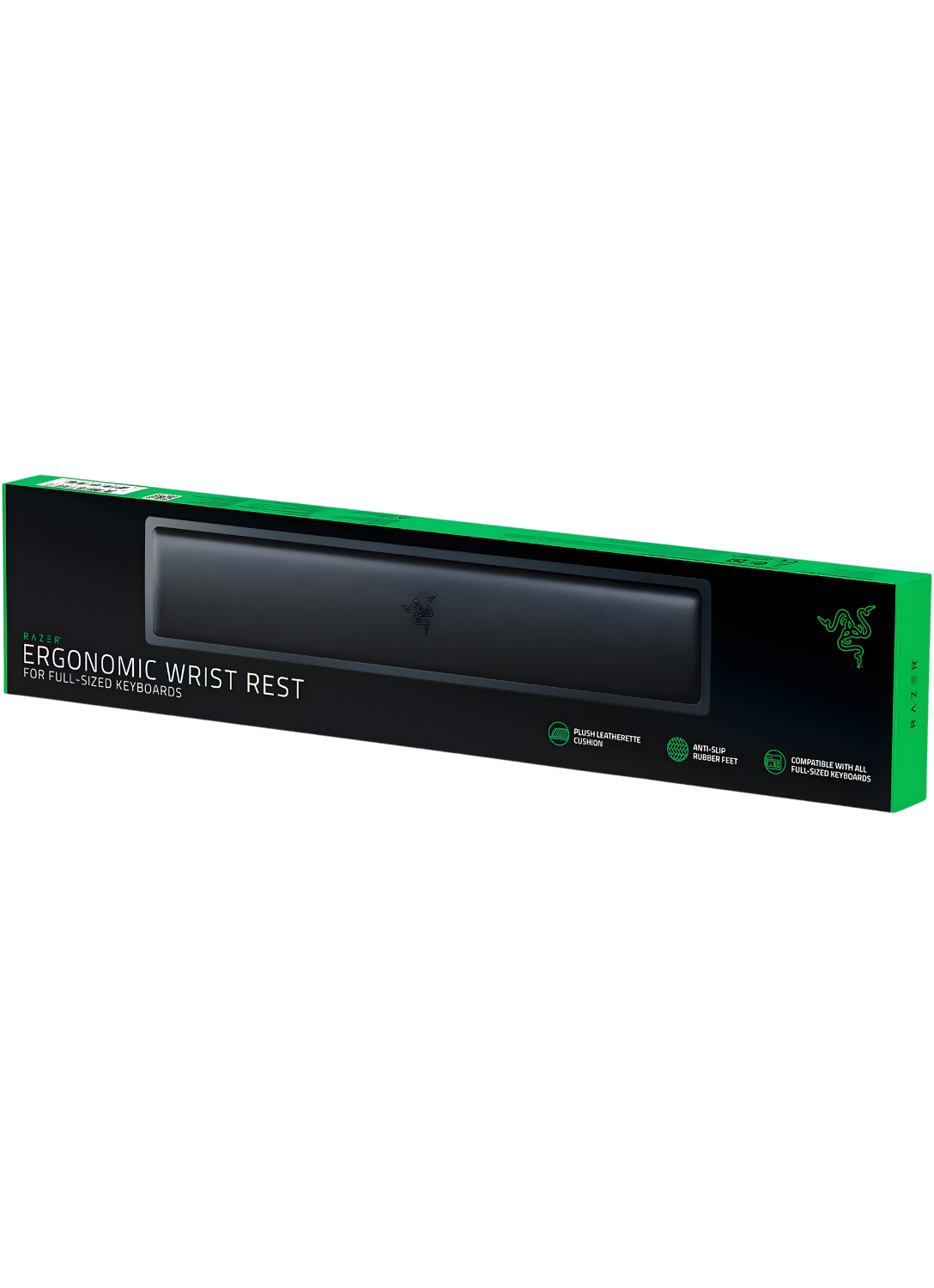
Razer Ergonomic Wrist Rest
An easy comfort upgrade for long keyboard-heavy factory sessions.
FAQ
What's the easiest factory game for a total beginner?
Oddsparks is the coziest on-ramp if you want automation with helper creatures and light adventure framing. Satisfactory is the smoothest first-person on-ramp because the goals are clear and the view makes layout feel natural. Shapez 2 is still the cleanest pure puzzle entry.
Is Factorio too hard if I'm new?
Not if you start with the tutorial and use Peaceful mode. The systems are logical and the feedback is immediate.
Which game is best if I hate combat?
Dyson Sphere Program is a strong pick for low-stress automation. Factorio on Peaceful also works well. Oddsparks keeps combat light and optional-feeling compared with siege-heavy factory games.
Which one teaches logistics best?
Factorio (belts to trains) is the most complete logistics teacher. Captain of Industry is excellent if you want vehicles and routing front and center.
What should I focus on in my first 2 hours?
Automate your first "basic" resource loop (plates/ingots), stabilize power, then build a small, repeatable module you can copy.
Takeaway
Start with the game that matches your tolerance for complexity: Oddsparks for a cozy creature-powered introduction, Satisfactory for guided 3D building, Factorio for the clearest automation fundamentals, Dyson Sphere Program for relaxed scaling, Captain of Industry for logistics-heavy planning, or Shapez 2 for pure throughput puzzles. Pick one, commit for 10 hours, and you’ll have the core skills to enjoy the whole genre.