10 Games Like Satisfactory You'll Love
If you enjoyed Satisfactory's first-person factory building and exploration, check out these similar games that offer the same satisfying automation and scale.
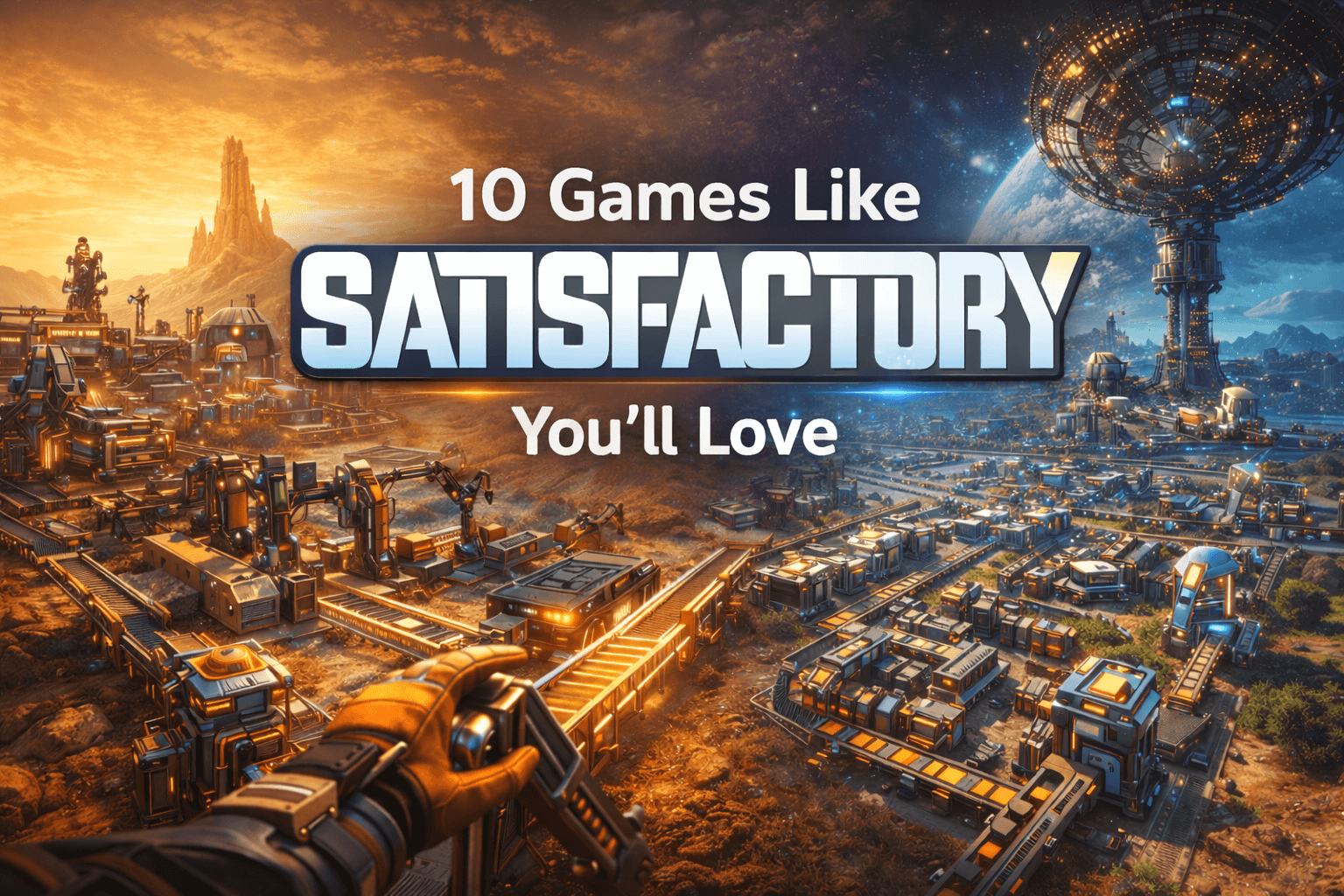
Satisfactory works because factory building feels physical in a way most automation games never quite manage. You are not just plotting efficient lines on a grid; you are walking the floor, building upward, and constantly reworking a space that starts to feel like a real industrial project.
If you want more of that, the best alternatives usually lean hard into one side of the formula: denser logistics, bigger expansion arcs, a stronger building sandbox, or a similarly tactile first-person loop. These are games like Satisfactory worth playing — led by another first-person automation world with combat and co-op, then the deeper logistics and scale options. For more on why this genre is so easy to get lost in, check out Automation Games Explained.
StarRupture
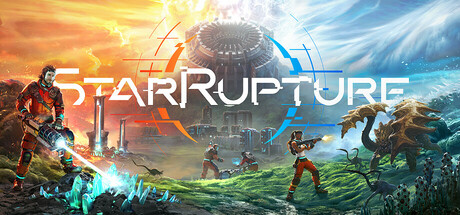
StarRupture is the closest “Satisfactory, but co-op survival pushes back harder” recommendation on this list. You still gather, automate industrial machines, and expand a first-person base — then alien fauna and open-world pressure keep the factory from feeling like a peaceful sandbox alone.
Best for: Satisfactory players who want automation mixed with exploration, combat, and up-to-four-player co-op from the ground up.
Why it works: The physical factory fantasy is intact, but the session rhythm is more survival-craft than pure layout tourism. Splitting scouting, defense, and production across friends feels deliberate rather than bolted on.
The tradeoff: It is early access and still finding the balance between factory depth and shooter-survival. If you want polished megabase logistics with optional fauna only, stay with Satisfactory or move to Factorio.
Factorio
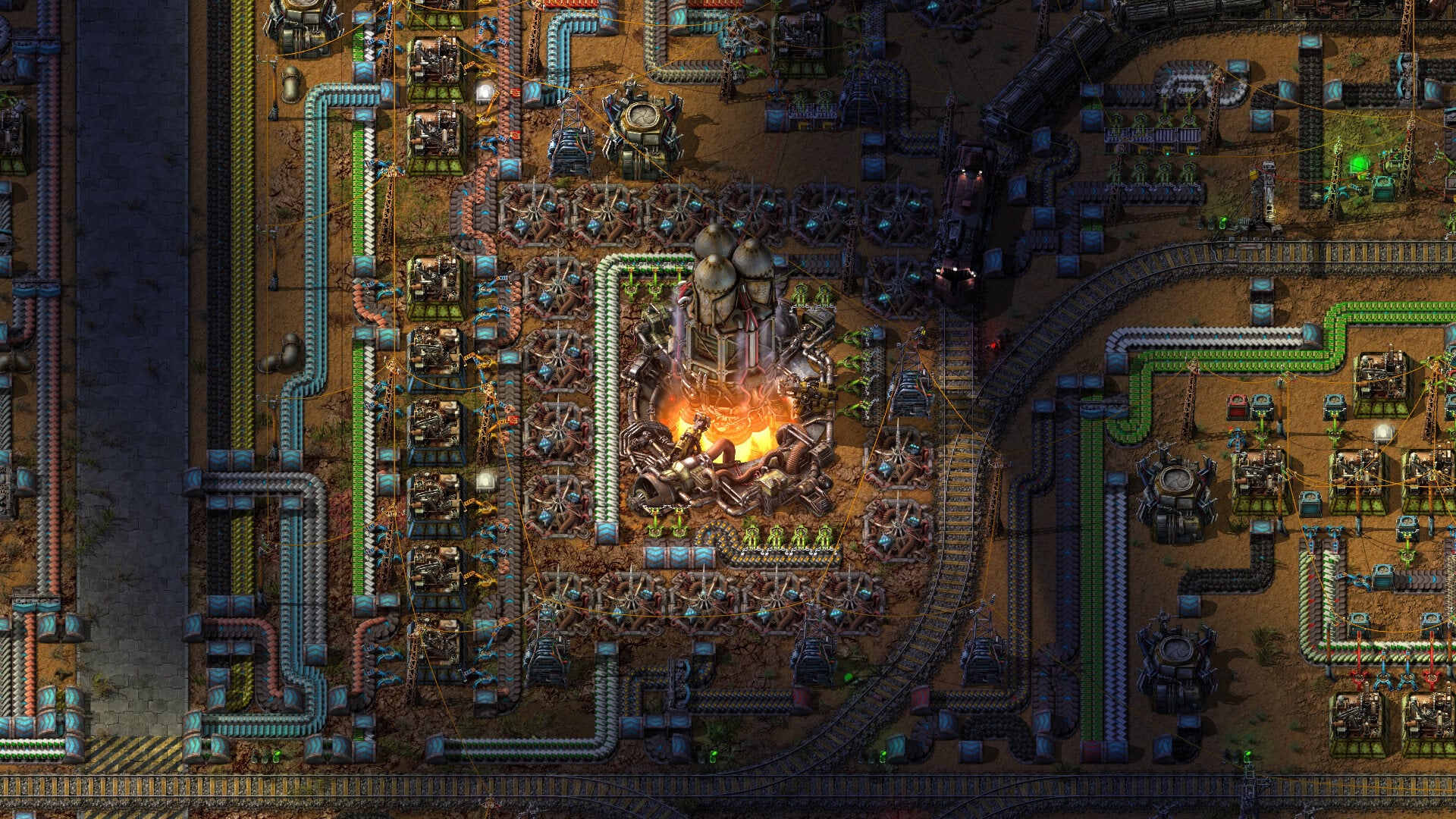
If your favorite part of Satisfactory is solving bottlenecks rather than admiring the scenery, Factorio should be first on your list. It is still the standard for players who want tighter logistics, cleaner ratios, and a game that never stops asking for a smarter layout.
Best for: Satisfactory players who eventually care more about throughput than presentation.
Why it works: Compared with Satisfactory, Factorio feels less like building a place and more like engineering a machine that is never truly finished. Every gain in efficiency opens up another problem worth fixing.
The tradeoff: You lose the first-person immersion and the pleasure of physically walking your lines. In return, you get sharper factory design pressure and deeper optimization.
Dyson Sphere Program
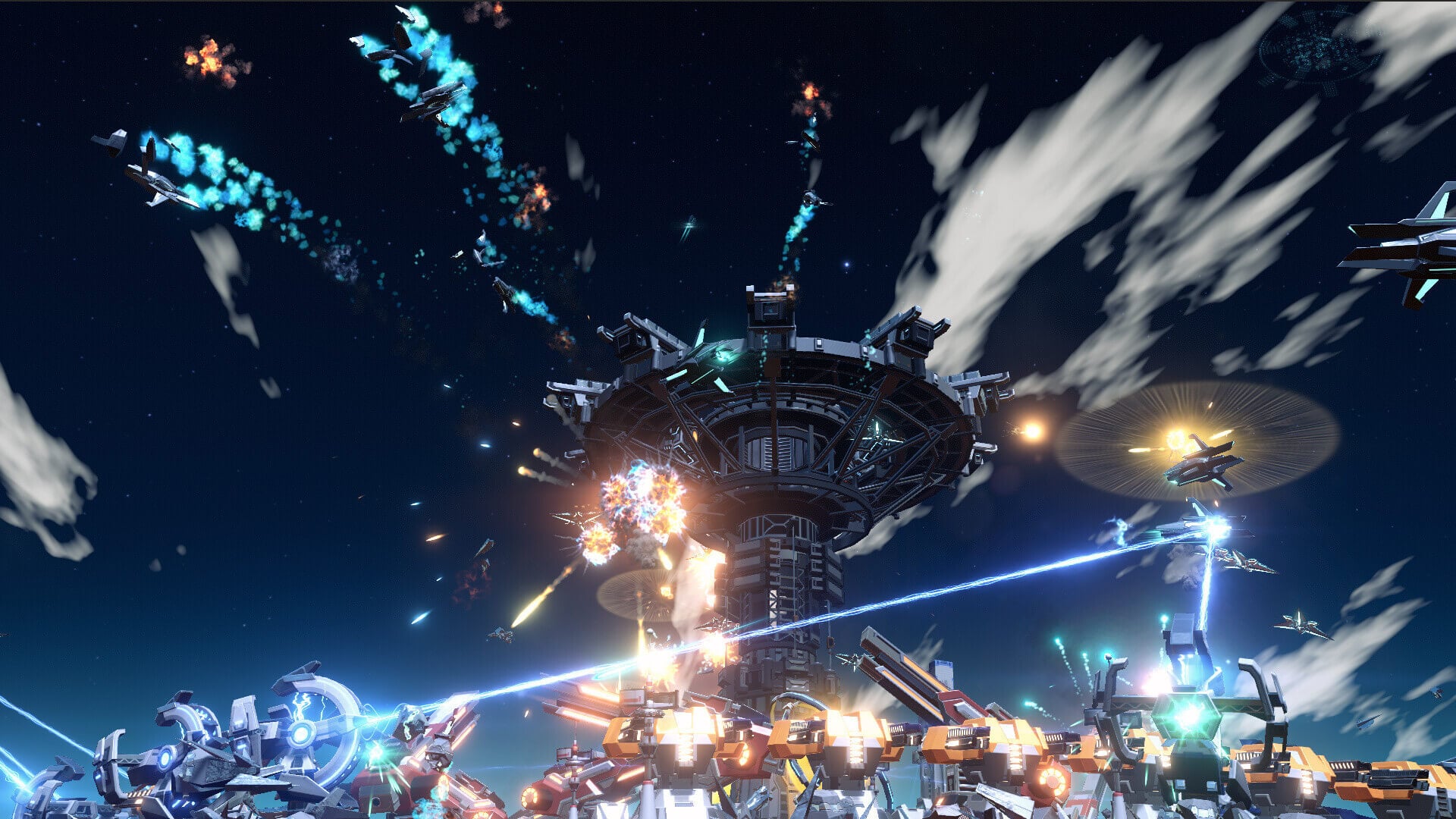
Dyson Sphere Program is the recommendation for players who loved how Satisfactory keeps widening its horizon. The escalation here is the real draw: what begins as local manufacturing eventually turns into planetary and interplanetary logistics.
Why it clicks: Few games sell industrial expansion this well. Each milestone leads naturally to a larger ambition, and the long arc toward building a Dyson Sphere gives the whole game a strong sense of momentum.
Where it differs: The isometric view makes it less tactile than Satisfactory, but it replaces that grounded, on-foot feel with a much broader strategic perspective. If scale is what grabbed you, this is one of the best follow-ups available.
Techtonica
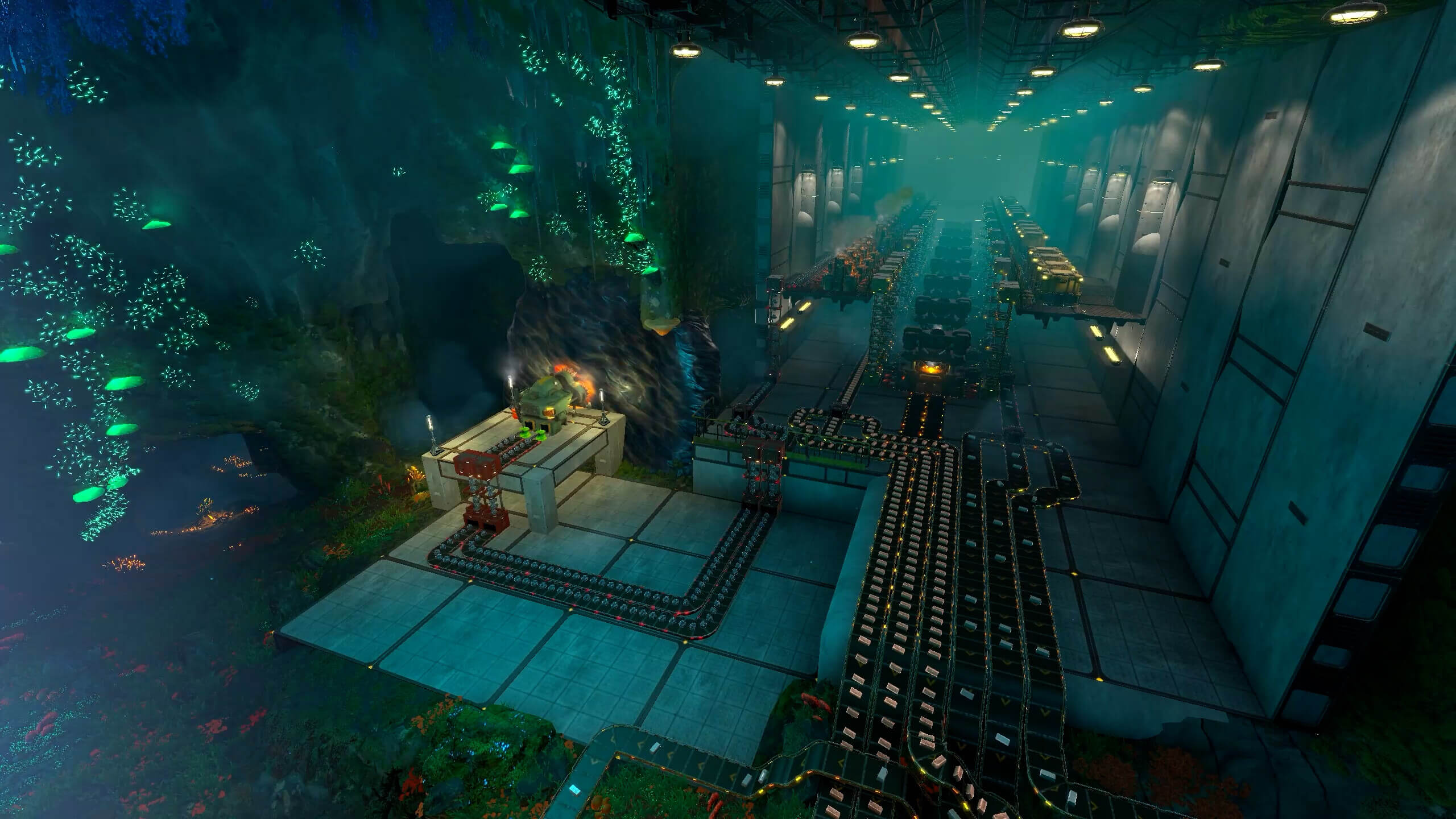
Techtonica is one of the easiest calls on this list because it speaks such a similar language. You are still building in first person, still reading conveyor layouts at eye level, and still getting that immediate payoff when a messy setup finally starts behaving.
Best for: Players who want the closest mechanical cousin to Satisfactory, not the biggest departure.
The underground setting gives it a different personality. Instead of open vistas, you get cave systems, denser spaces, and a more directed sense of discovery. It feels a bit tighter and more guided, which may be exactly what some Satisfactory fans want next.
Captain of Industry
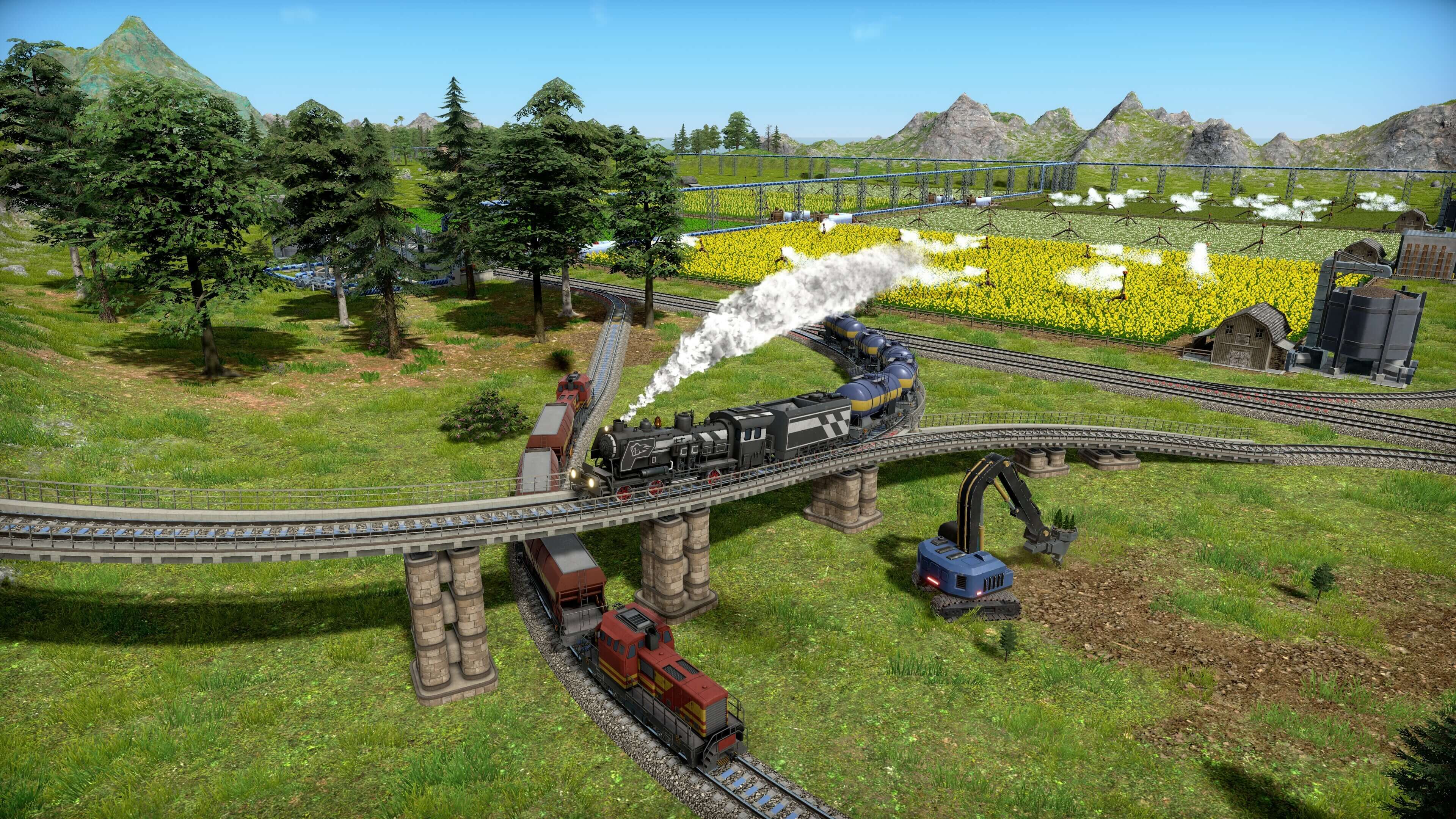
Captain of Industry pushes the genre toward industry sim territory. The factory side is important, but the larger appeal is that your production network exists to support a wider settlement rather than just a prettier or more efficient build.
Who it suits: Satisfactory players who want more pressure, more consequences, and more reasons to think beyond the next belt split.
Terrain work, resource depletion, and colony needs make every expansion feel heavier. If Satisfactory sometimes feels almost meditative, this is the version with more managerial weight.
Foundry
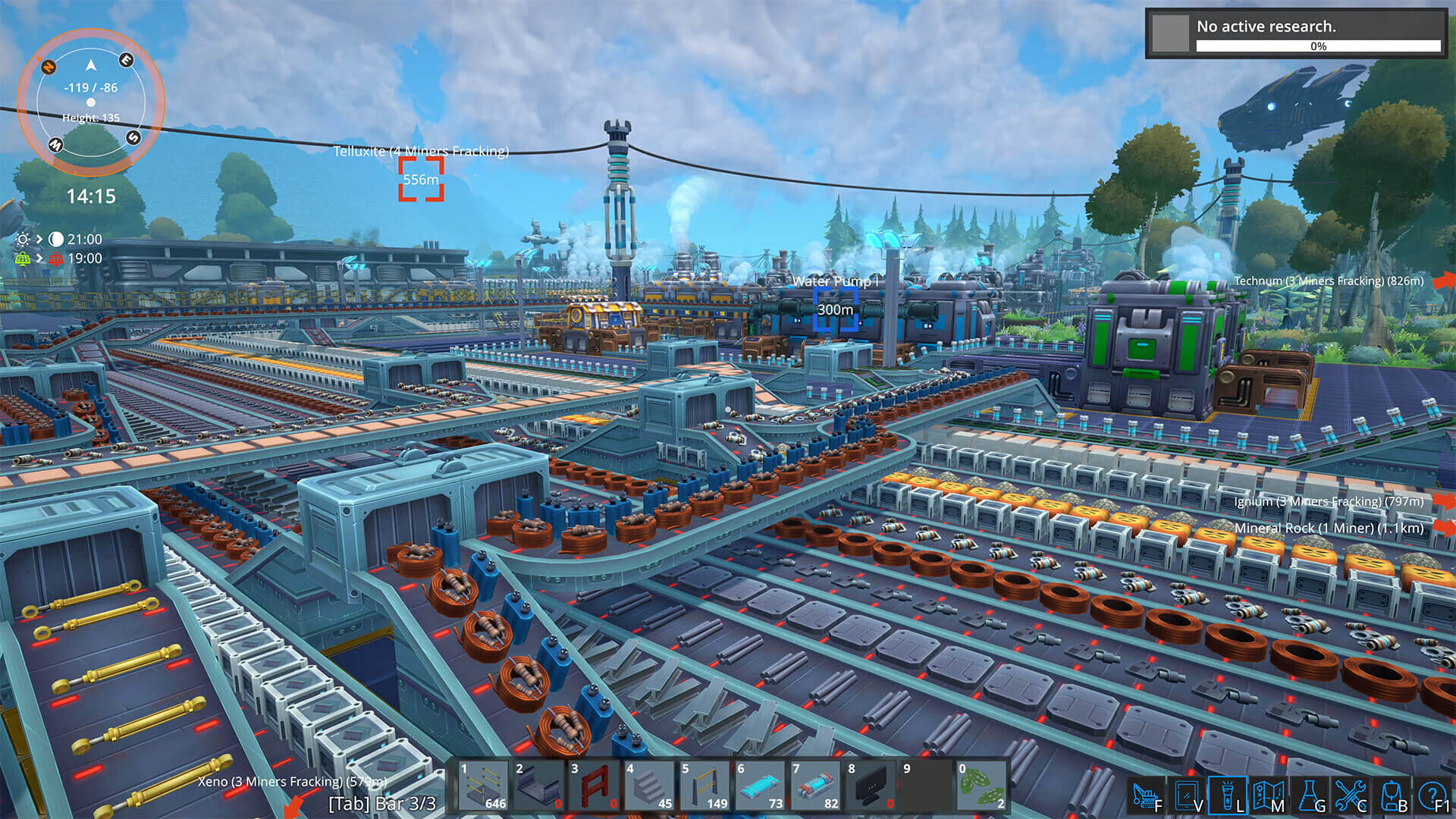
Foundry makes its case fast: it keeps the first-person factory-building appeal, then gives you much more control over the terrain itself. That extra freedom changes the feel of the whole game.
Why it stands out
- It preserves the hands-on readability that makes Satisfactory so enjoyable to build in.
- The voxel world encourages a more playful construction style, whether you want to dig into the landscape, build upward, or reshape the space around your lines.
Best for: Players who like Satisfactory as much for construction as for optimization, and wish the world were more editable.
Shapez
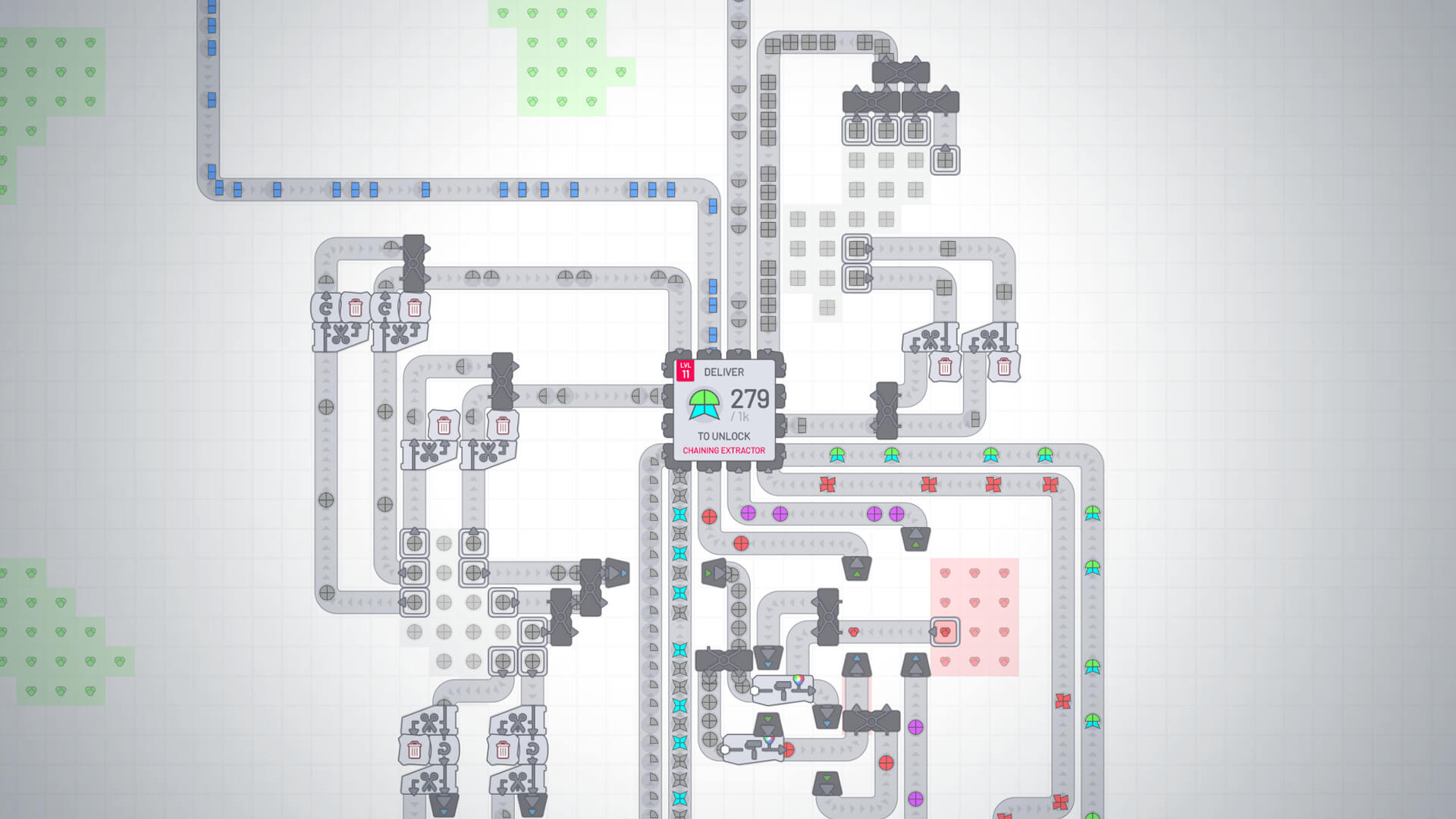
Shapez is the cleanest answer to "I like the logic part of Satisfactory more than the world-building part." It strips away exploration, atmosphere, and most of the genre's friction until all that is left is flow, layout, and elegant problem-solving.
Why Satisfactory players should care: It is excellent for the player who loves untangling lines and refining a setup, but does not need a giant 3D world wrapped around that puzzle.
What to expect: Less spectacle, less thematic flavor, and a much purer design exercise. For some players that makes it feel lighter; for others, that is exactly the appeal.
Mindustry
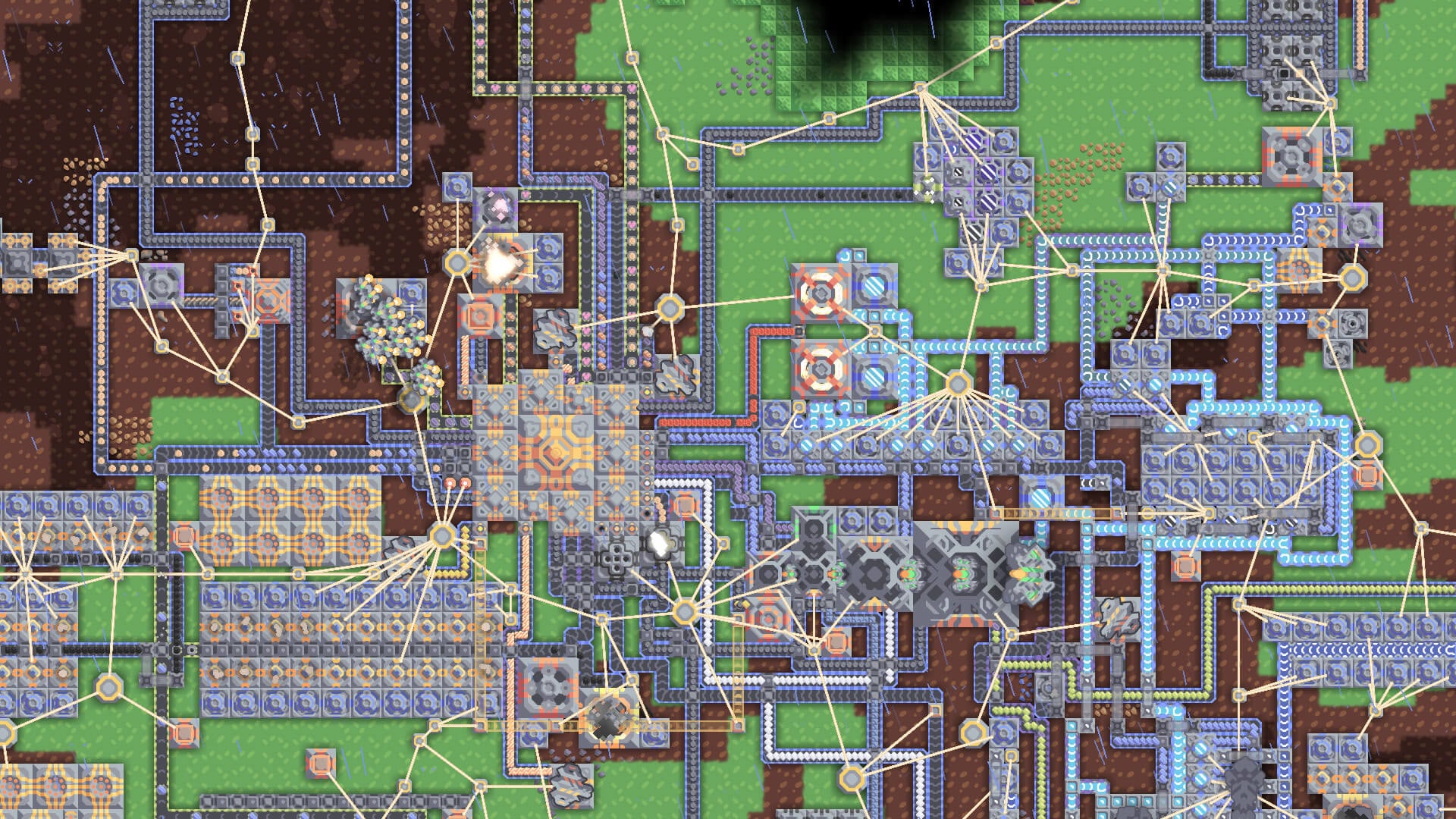
Mindustry is for the Satisfactory player who thinks the genre could use more pressure. You are still building supply networks and keeping resources moving, but here the factory exists inside a much more hostile, tactical loop.
Best for: Players who want automation with urgency instead of automation as a long, meditative build.
It does not offer the same "live inside your factory" appeal as Satisfactory. What it does offer is pace, momentum, and a good reason to care whether your setup holds under stress.
Factory Town
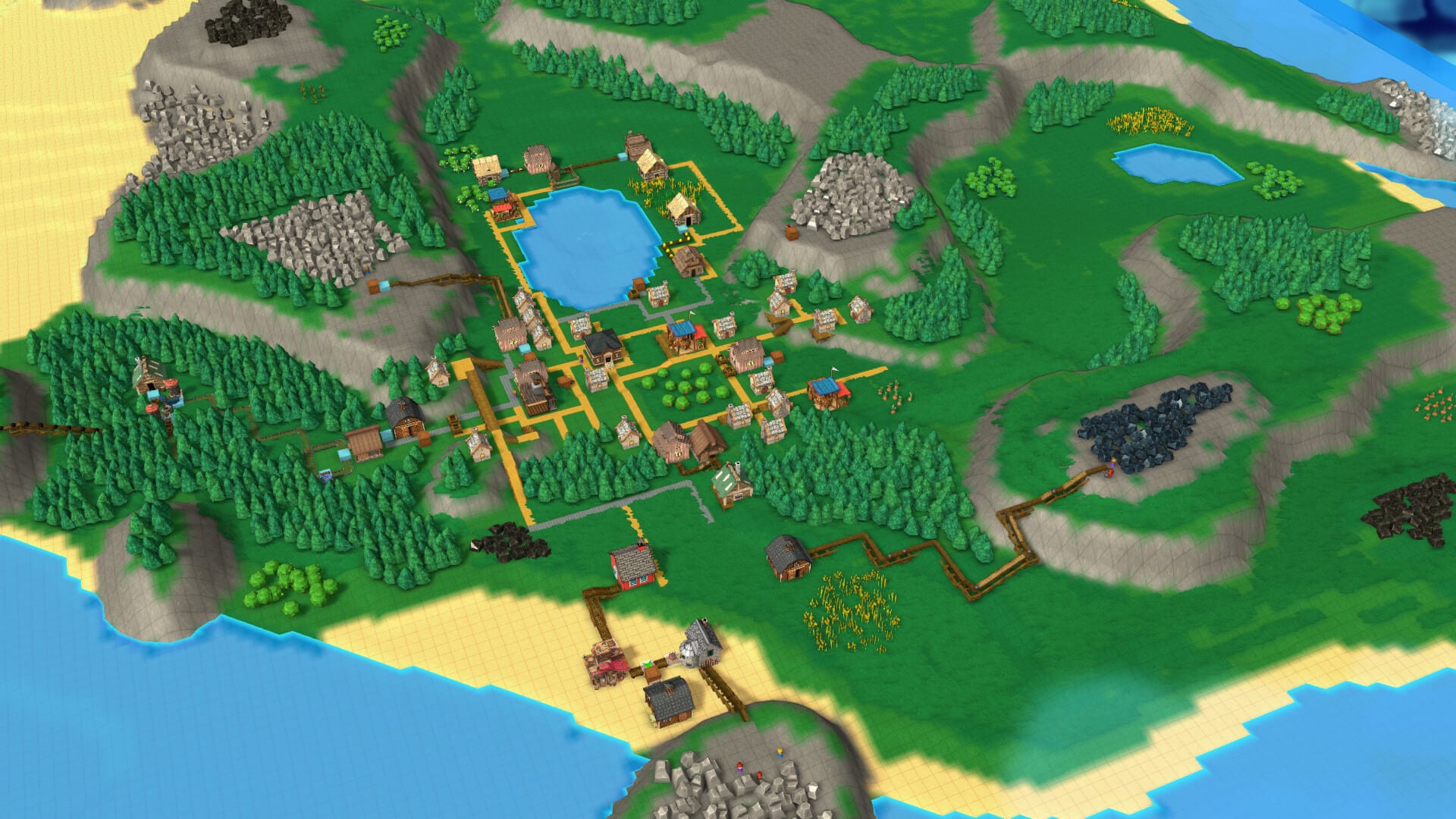
Factory Town takes the hard edges off the formula. It is still about logistics and smart layouts, but the mood is lighter and the stakes are lower.
Why pick it? Because sometimes you want the pleasure of building an efficient little economy without committing to a giant industrial headache.
If Satisfactory appeals to you but you do not always want something massive or demanding, Factory Town is a comfortable change of pace.
Oddsparks
Oddsparks belongs here for players who liked Satisfactory’s automation mindset but want a cozier, more approachable co-op entry. Instead of hand-placing every belt yourself, you direct Sparks that carry, craft, and defend while you focus on layout and logistics.
Why pick it? Because sometimes you want the pleasure of building an efficient little economy without committing to a giant industrial headache — and you want a friend to join without a steep tutorial wall.
If Satisfactory appeals to you but you do not always want something massive or demanding, Oddsparks is a comfortable change of pace with light combat and fantasy adventure texture.
Autonauts
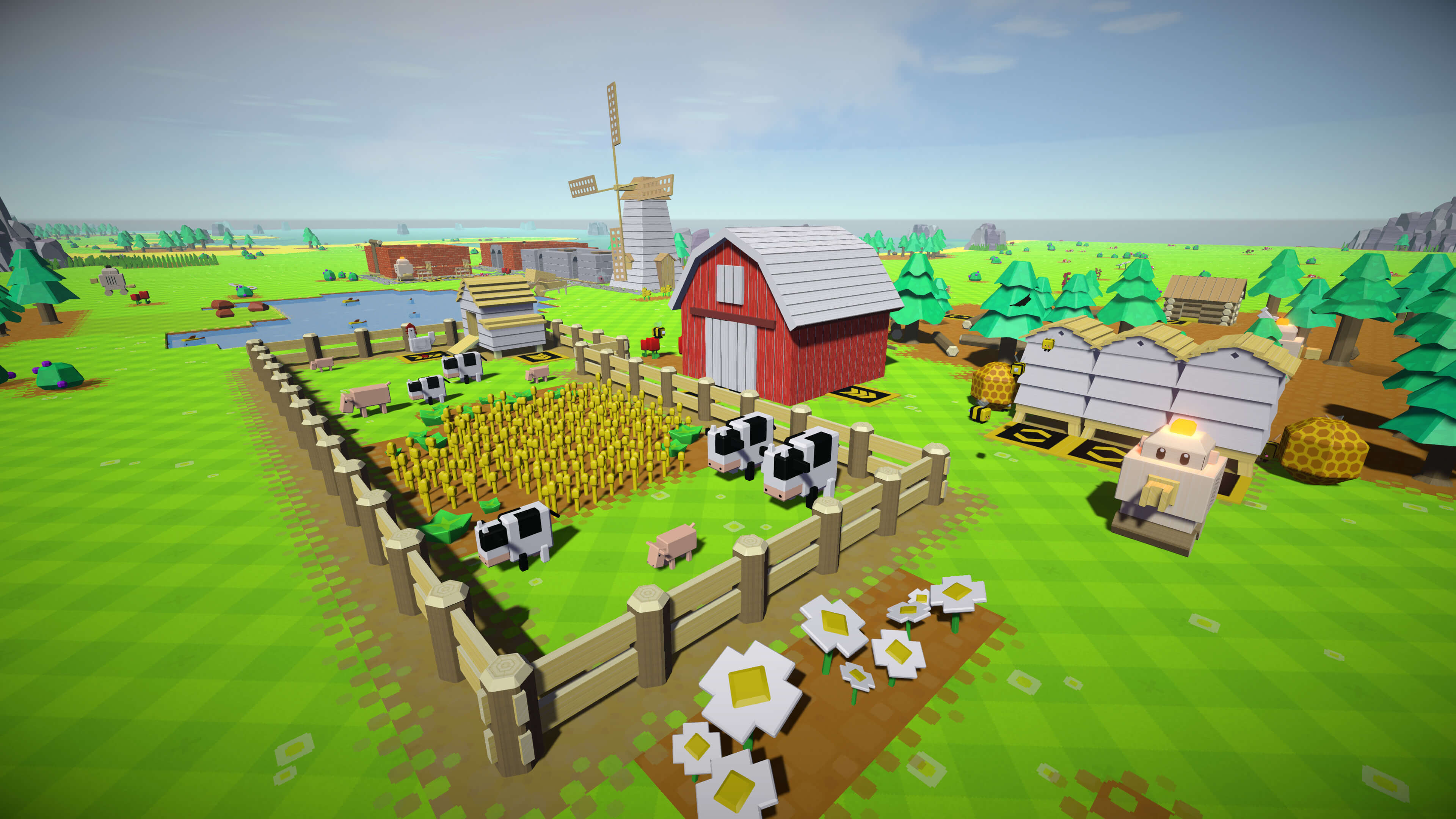
Autonauts belongs here for players who enjoy the mindset behind automation more than the conveyor-belt fantasy itself. Instead of arranging a classic factory floor, you are teaching robots how to handle work for you.
Why it clicks: The pleasure comes from turning a fiddly manual process into a reliable one, then stepping back and watching the routine run on its own.
Why it may not: If your favorite part of Satisfactory is giant industrial architecture, this is a very different flavor. If your favorite part is telling a system what to do and then getting out of its way, it makes much more sense.
Which Game Should You Try?
With so many excellent Satisfactory-like games, here's how to pick the perfect one for you:
- You want first-person automation with co-op combat → StarRupture
- You care most about factory design itself → Factorio
- You want the biggest escalation curve → Dyson Sphere Program
- You want the closest polished first-person alternative → Techtonica
- You want more freedom to shape the world → Foundry
- You want the cleanest puzzle-box version of automation → Shapez
- You want combat mixed into the logistics → Mindustry
- You want something gentler to settle into → Factory Town or Oddsparks
- You like automation as programming → Autonauts
Conclusion
The best games like Satisfactory do not all chase the exact same fantasy. Some are better at pure logistics, some are better at giant long-term expansion, and some work because they preserve that hands-on pleasure of building something you can read at a glance.
Once you know which part of Satisfactory keeps pulling you back, your next game gets much easier to choose. For more recommendations in the genre, check out Top 10 Factory Games of 2025 and Games Like Factorio.
A small desk upgrade for factory-building sessions
Factory games like these reward steady mouse movement — placing belts, routing logistics, and nudging camera angles until the layout finally clicks. A desk-size mouse pad gives you more room for those long planning stretches without running out of space mid-session.
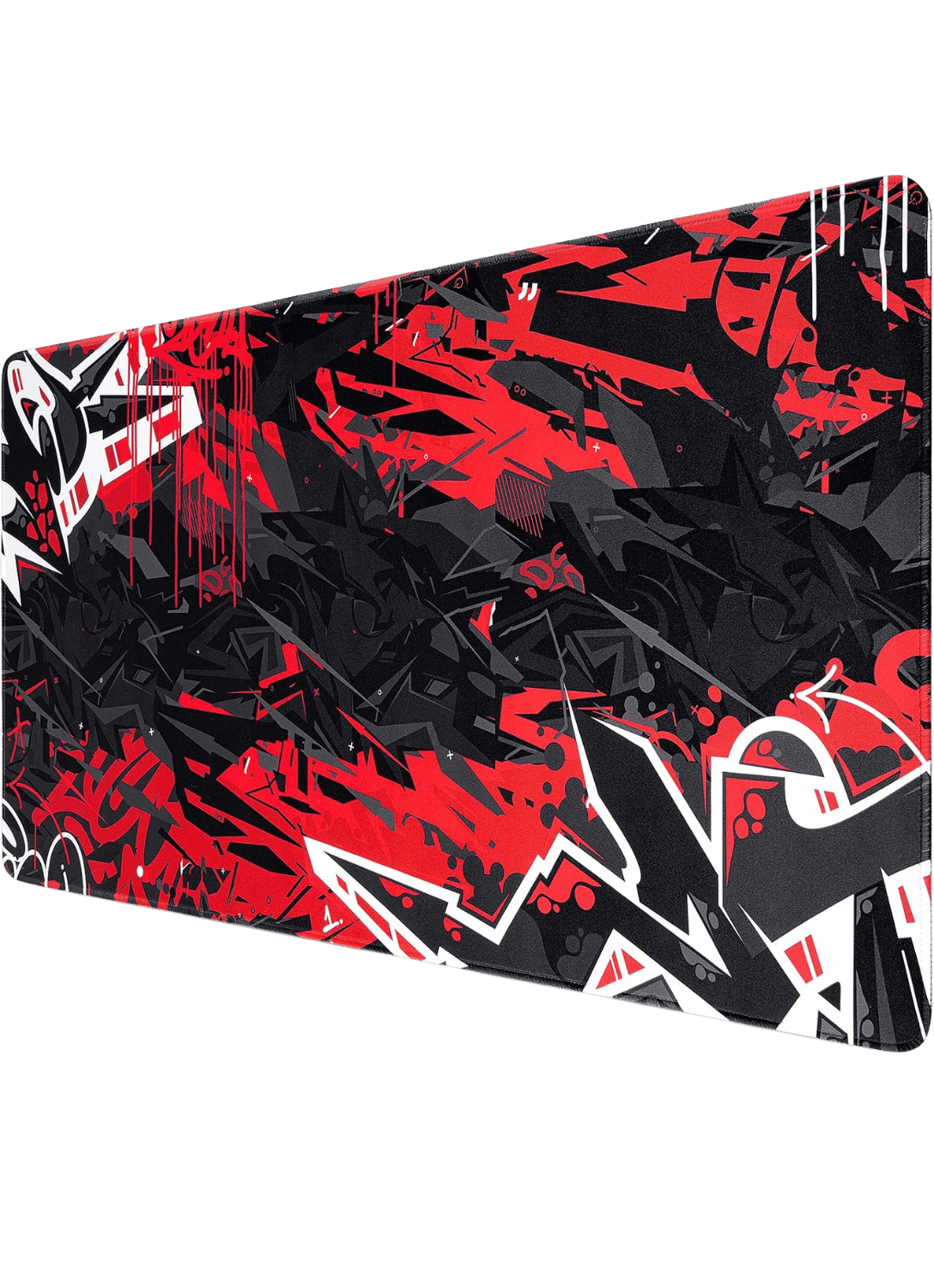
Canjoy Gaming Mouse Pad
Desk-size pad for more room and smoother mouse travel in long strategy sessions.
Frequently Asked Questions
What makes a game similar to Satisfactory?
Usually some mix of automation, logistics, expansion, and readable cause-and-effect. A game does not need Satisfactory's exact first-person structure to feel related, but it should offer the same pull of building, refining, and scaling a system.
Is Factorio better than Satisfactory?
Not outright. Factorio is stronger if you want denser factory design and tougher logistics problems; Satisfactory is stronger if you care about first-person building, exploration, and the physical feel of a 3D factory.
Are there any free games like Satisfactory?
Mindustry is the easiest one to point to if you want a lower-cost or free entry point, depending on where you play. Most of the rest are premium games, but many go on sale regularly.
Can I play these games on Mac or Linux?
It varies a lot by game. Factorio is a safer bet for Mac and Linux support than Satisfactory, which is primarily a Windows game. Always check the current store page before buying.
How do I get started with factory automation games?
Start with something that matches your tolerance for complexity. Shapez is great if you want a clean introduction to layout logic, while Factory Town is easier to settle into than the heavier sims. If you want a broader primer, Automation Games Explained is a good place to start.