Best Factory Games for Beginners
Automation and factory games that actually teach you the ropes without throwing you in the deep end.
Best Factory Games for Beginners
The best picks for factory games best tutorials are the ones that teach cleanly, pace new systems well, and let you recover from early mistakes. That matters more than raw depth, because new players often restart too often when tutorials are bad or when the first few hours feel like homework.
This list is for players who want factory games for beginners, not sink-or-swim sandboxes. I only include games where the onboarding actually works, complexity ramps up in readable steps, and messy early layouts are not always a run-killer. A few are deeper than others, but all of them make a real effort to teach.
Quick take
- Oddsparks is the coziest modern on-ramp if you want helper creatures, light adventure framing, and co-op while you learn.
- Shapez 2 is the easiest recommendation if you want clean lessons and almost no punishment for experimentation.
- Factorio belongs here because its onboarding is still one of the clearest ways to learn core factory logic.
- Factory Town fits players who want gentler pacing and less pressure while learning production chains.
- Satisfactory works well for players who learn better in 3D space and want room to build ugly first and refine later.
- Autonauts is a strong pick if scripted worker automation sounds less intimidating than belts and throughput math.
The picks
Oddsparks
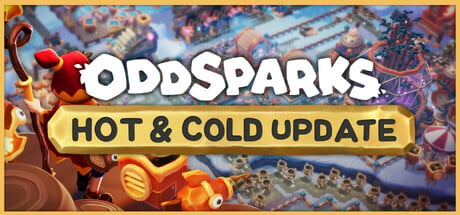
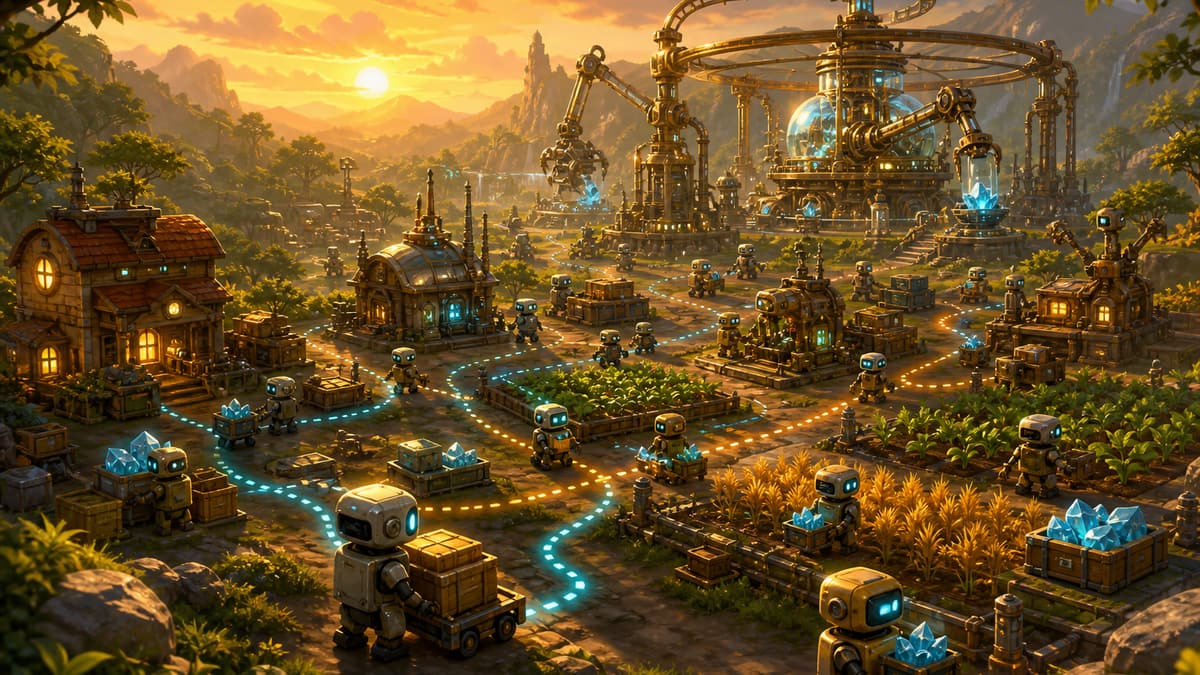
Oddsparks teaches automation by handing grunt work to Sparks — helpers that carry, craft, and defend while you focus on layout and logistics. That split makes the first hours feel less like spreadsheet homework and more like directing a small workshop.
It fits beginners who want a friendly fantasy setting, adjustable challenge, and seamless co-op so a friend can learn alongside you. Objectives stay readable, and imperfect early networks are easy to tidy without restarting the whole save.
The tradeoff is depth at the high end. Oddsparks is an excellent on-ramp and a cozy main game, but players chasing Factorio-scale throughput math will eventually want a denser factory toy.
Shapez 2
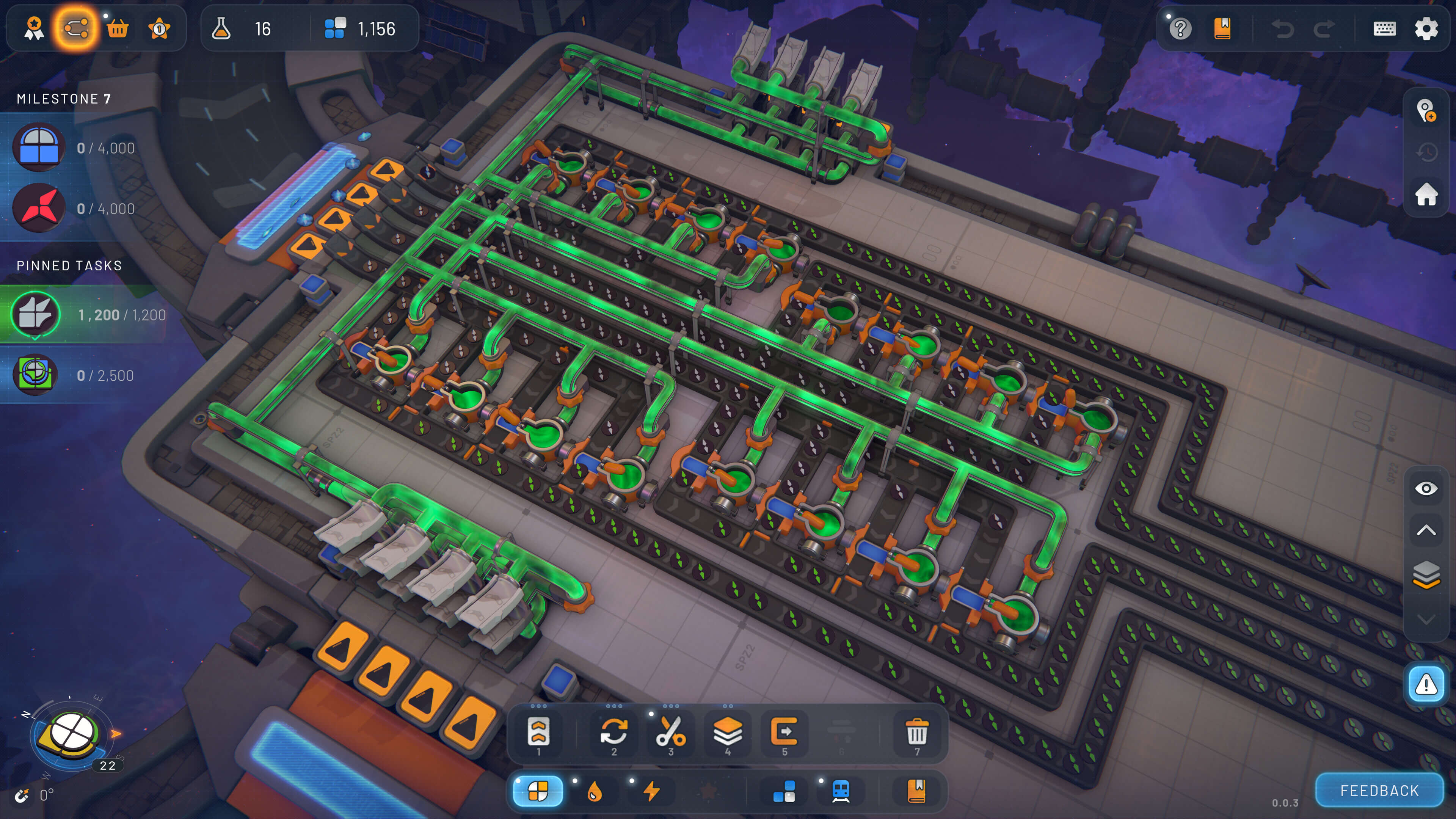
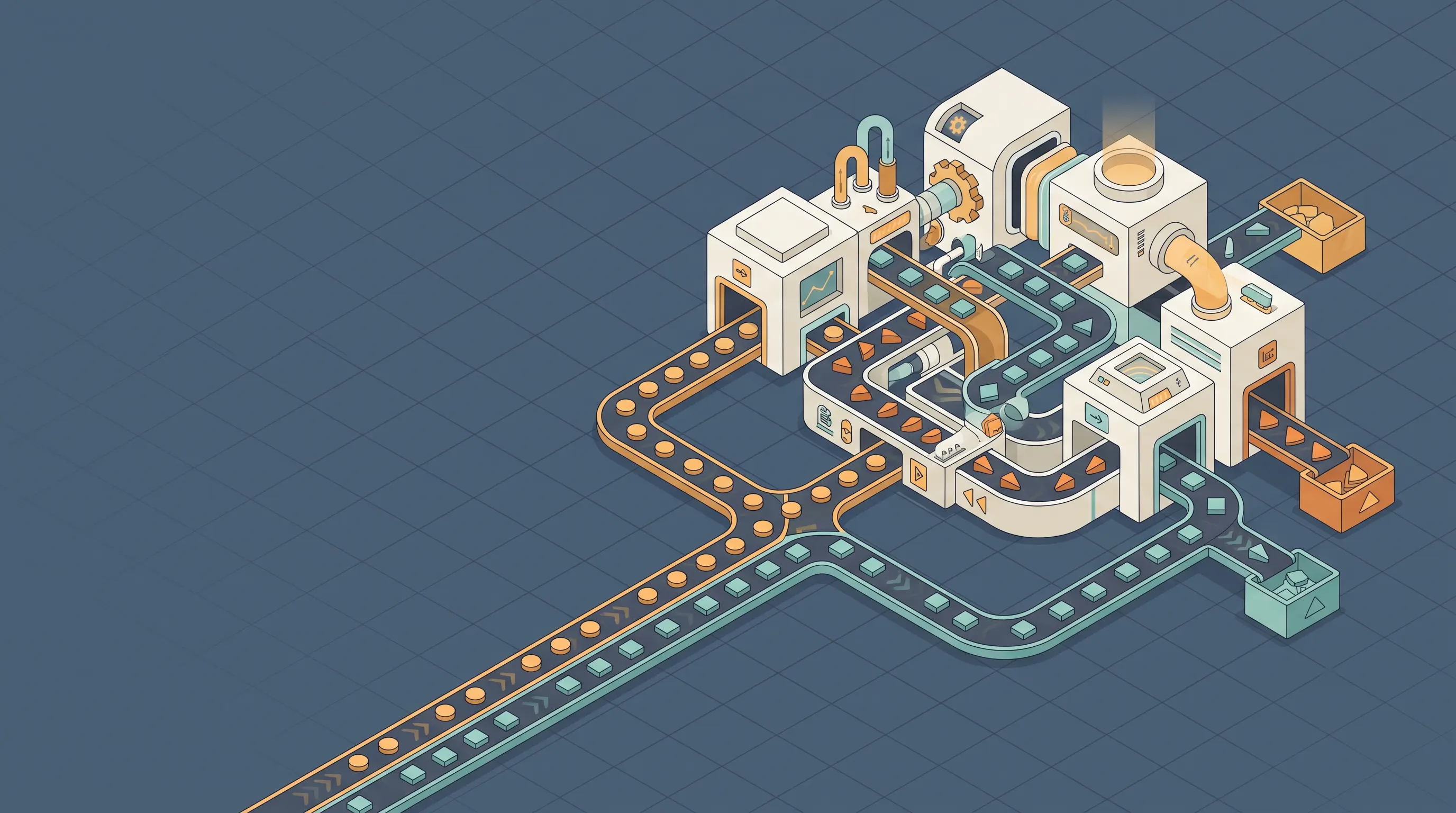
This is the most friction-free starting point on the list. Shapez 2 teaches factory logic in a stripped-down format, so you learn routing, scaling, and modular thinking without survival pressure, combat, or resource scarcity getting in the way.
It fits players who want automation games with good tutorials and who would rather understand systems first, then deal with complexity later. The onboarding is clean, objectives are readable, and the game tends to reveal complexity gradually instead of dumping every tool on you at once. That makes it especially good for players who bounce off busier factory games.
The tradeoff is obvious: it is abstract by design. If you need the satisfaction of mining nodes, managing terrain, or building a physical industrial world, Shapez 2 can feel too clinical. It teaches core habits extremely well, but it is a partial fit if you want atmosphere as much as automation.
Factorio
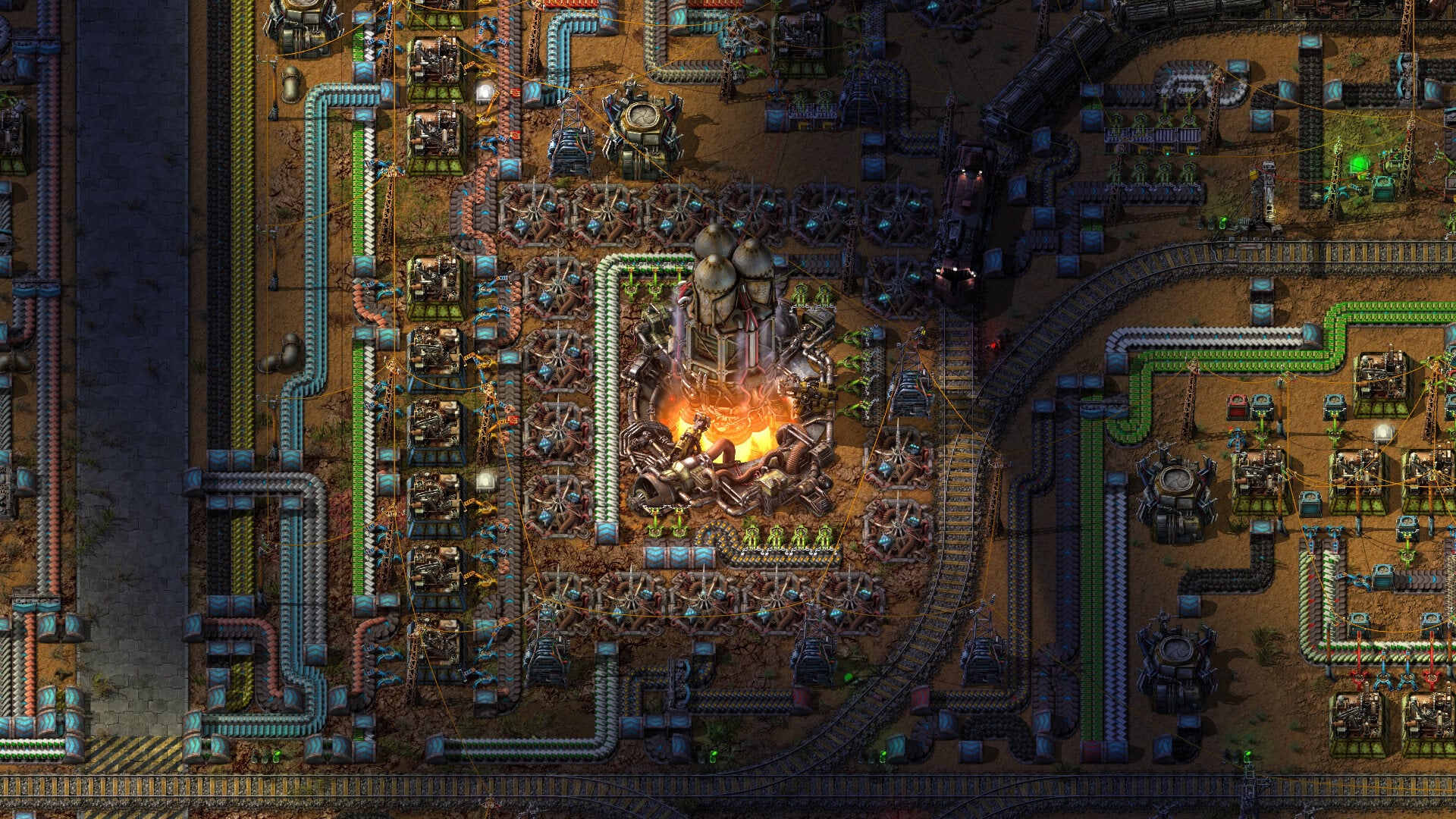
Factorio is still one of the best examples of tutorial design in the genre because it connects every lesson to a real production problem. You are not clicking through disconnected prompts. You are learning belts, inserters, power, and expansion because the factory actually needs them.
This clicks most for players who want the full language of factory games from the start, just taught properly. The early game gives you enough structure to stay oriented, and many players find that its progression makes sense even when their first layouts are messy. Good factory games are forgiving of ugly early choices, and Factorio usually is, at least until scale starts exposing your bottlenecks.
The reason it may not work for everyone is pressure. Enemies and defense can distract from the learning process, especially if you mainly want a relaxed sandbox. Even with peaceful options available, the game’s mindset is still about efficiency and expansion, and that can feel intense compared to gentler beginner-friendly factory games.
Factory Town
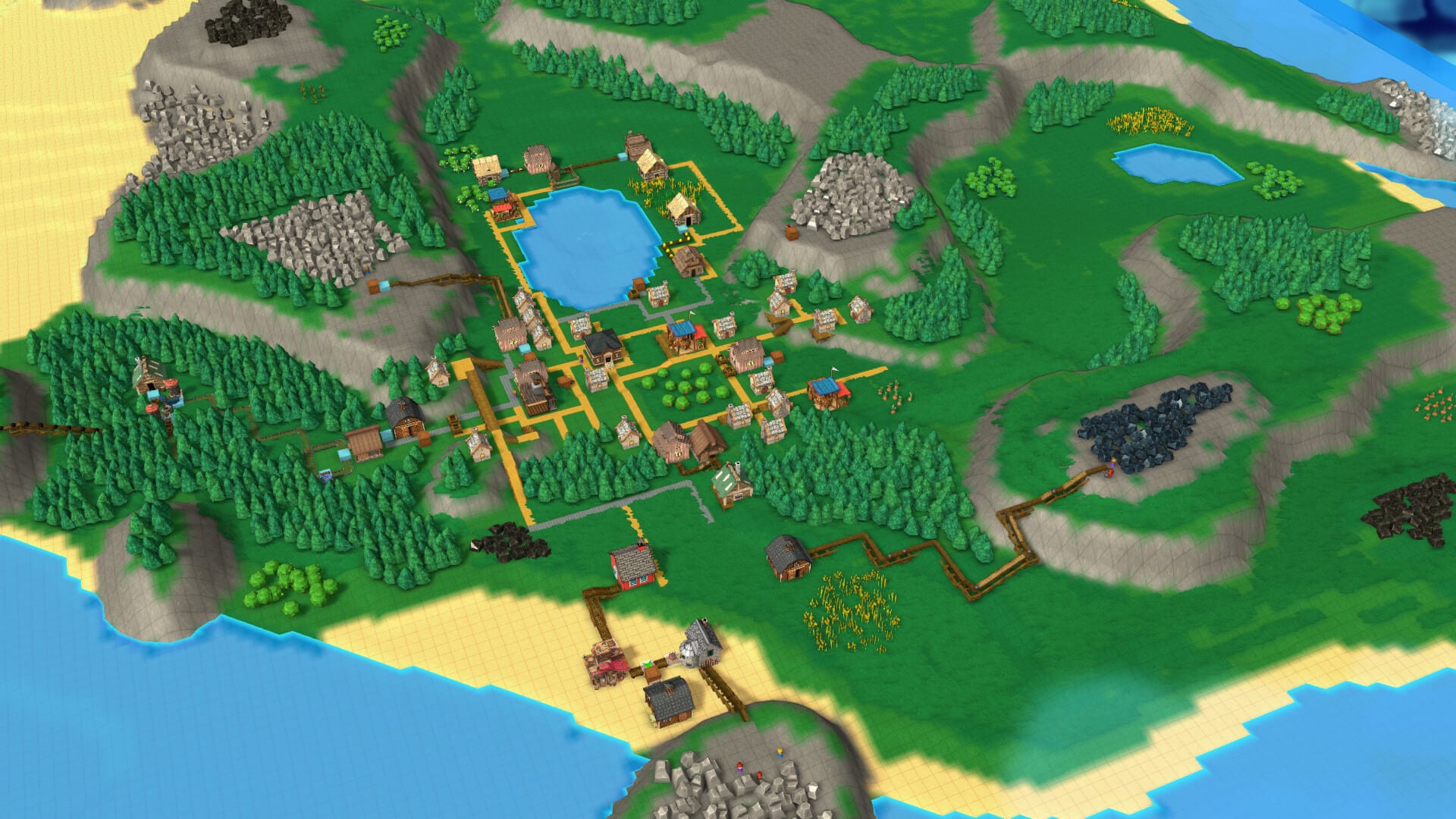
Factory Town takes a softer approach than most of the genre. Instead of pushing hard optimization early, it teaches logistics through a friendly town-production loop with workers, transport routes, and gradually expanding chains.
It fits players who want the ideas behind factory games without the usual stress spike. The interface is readable, the pacing is kinder, and the whole experience tends to make experimentation feel safe. That matters for beginners, because players often learn faster when they do not feel punished for every imperfect placement.
Its limitation is depth at the high end. Factory Town is excellent at introducing production thinking, but players chasing dense throughput puzzles or highly technical logistics may outgrow it. It is best used as either a long relaxed main game or a very good stepping stone into heavier factory games.
Satisfactory
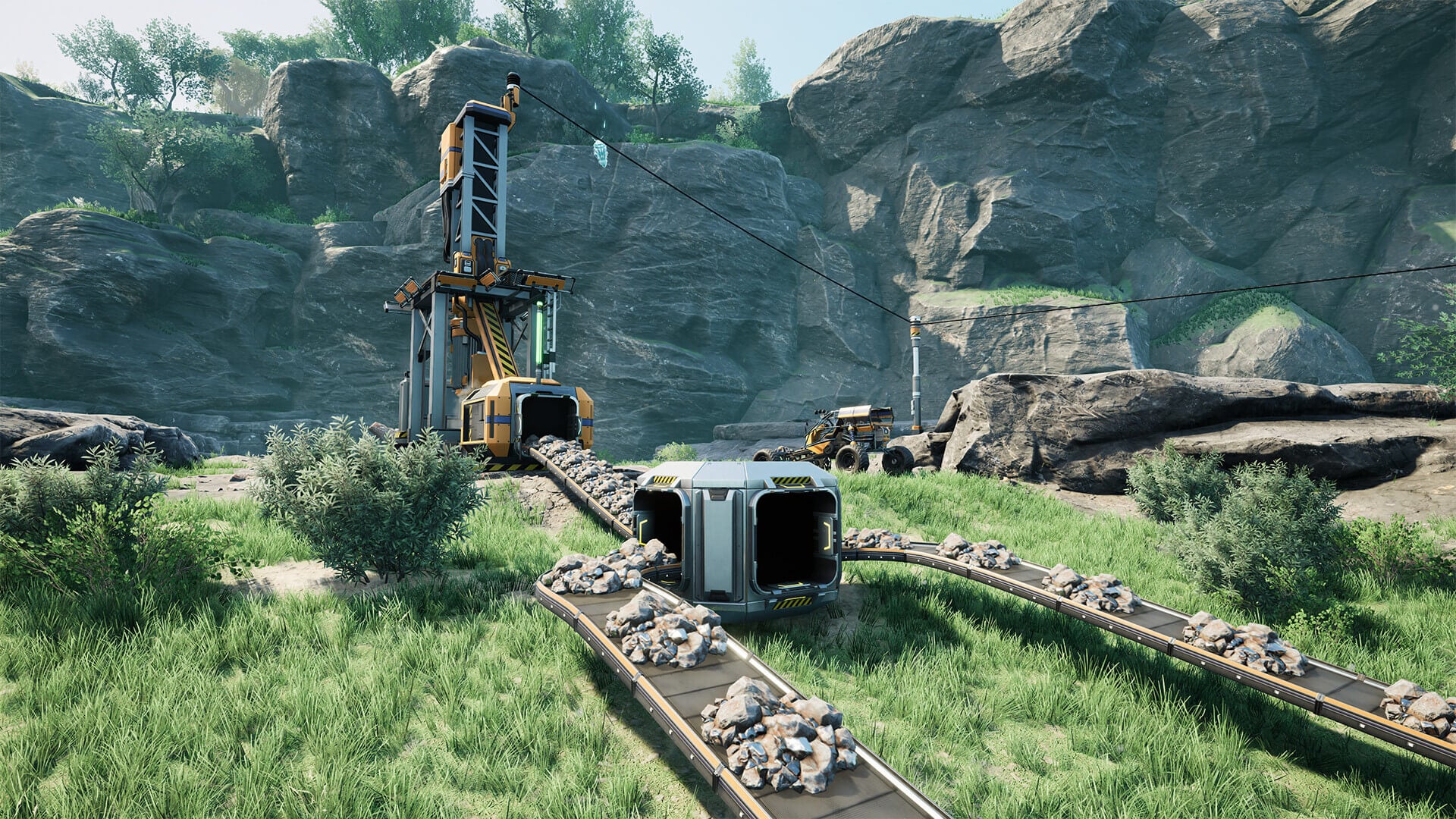
For players who think better in spaces than spreadsheets, Satisfactory is often the right starting point. Building in first person makes production lines feel tangible, and the milestone structure gives new players clear short-term goals instead of expecting them to self-direct from minute one.
This is a strong fit for anyone who wants factory games for beginners with a more immersive presentation. You can walk your lines, see bottlenecks physically, and improve layouts over time. The game is also fairly forgiving of messy early builds because vertical space, rebuilds, and gradual expansion give you room to fix things later.
The main friction is 3D complexity. Some players find it easier to understand factory logic from a top-down view, and Satisfactory can make simple production problems harder to read because everything occupies physical space. It teaches well, but it is not always the clearest game for pure logistics learning.
Shapez
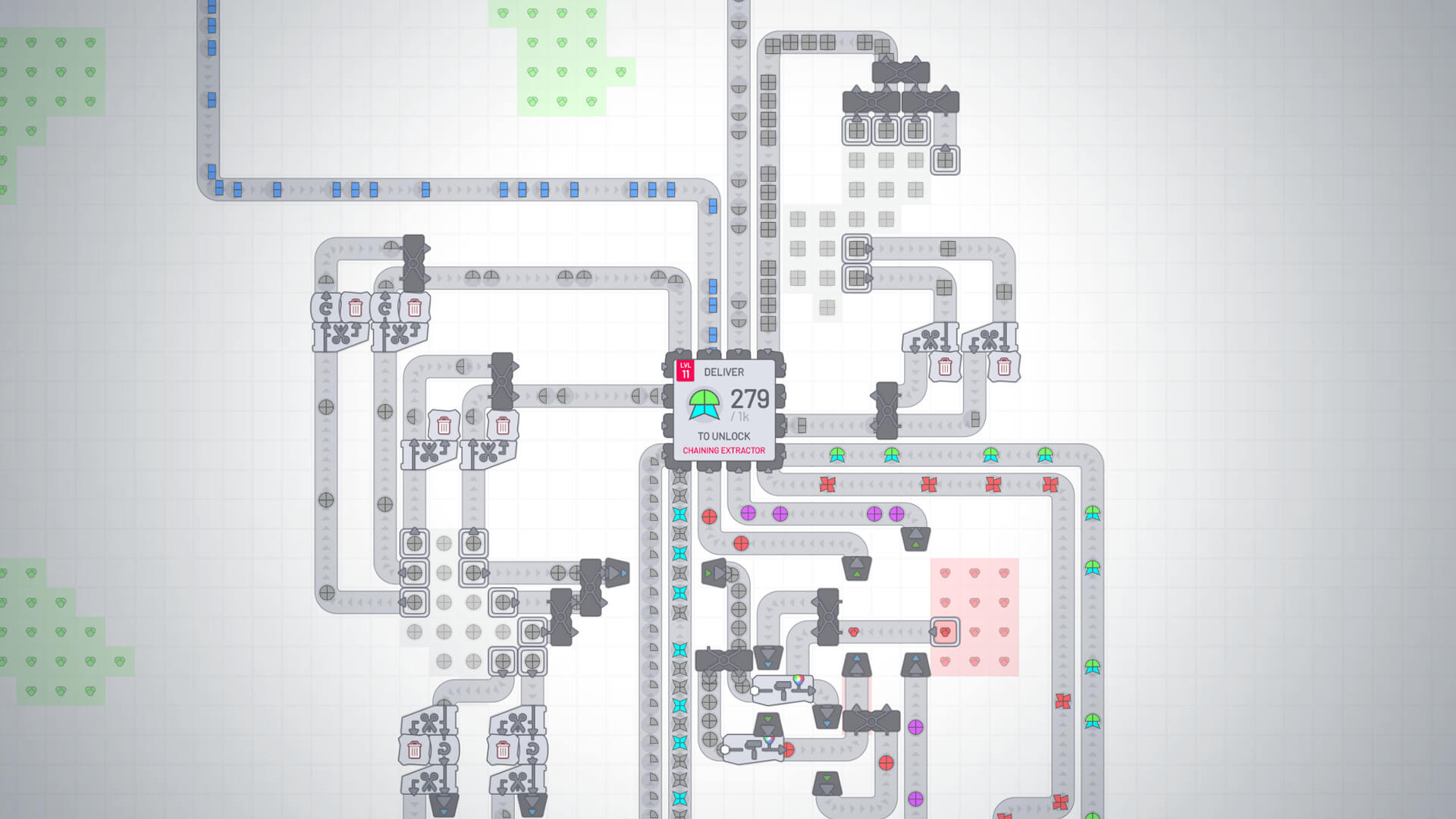
Shapez remains one of the cleanest teaching tools in the genre. Its strength is not spectacle. It is how directly it explains the core loop of splitting, rotating, combining, and scaling production without burying those ideas under five other systems.
It fits players who want the shortest path from “I do not get factory games” to “I understand the basics now.” New players often restart too often when tutorials are bad; Shapez avoids that by keeping failure cost low and by making iteration quick. That learning loop is exactly why it belongs in this article.
The downside is that it feels lighter and older next to Shapez 2. Once you understand the formula, you may want a broader toolset or a more modern structure. It is still a smart beginner pick, just not the one with the most staying power for everyone.
Autonauts
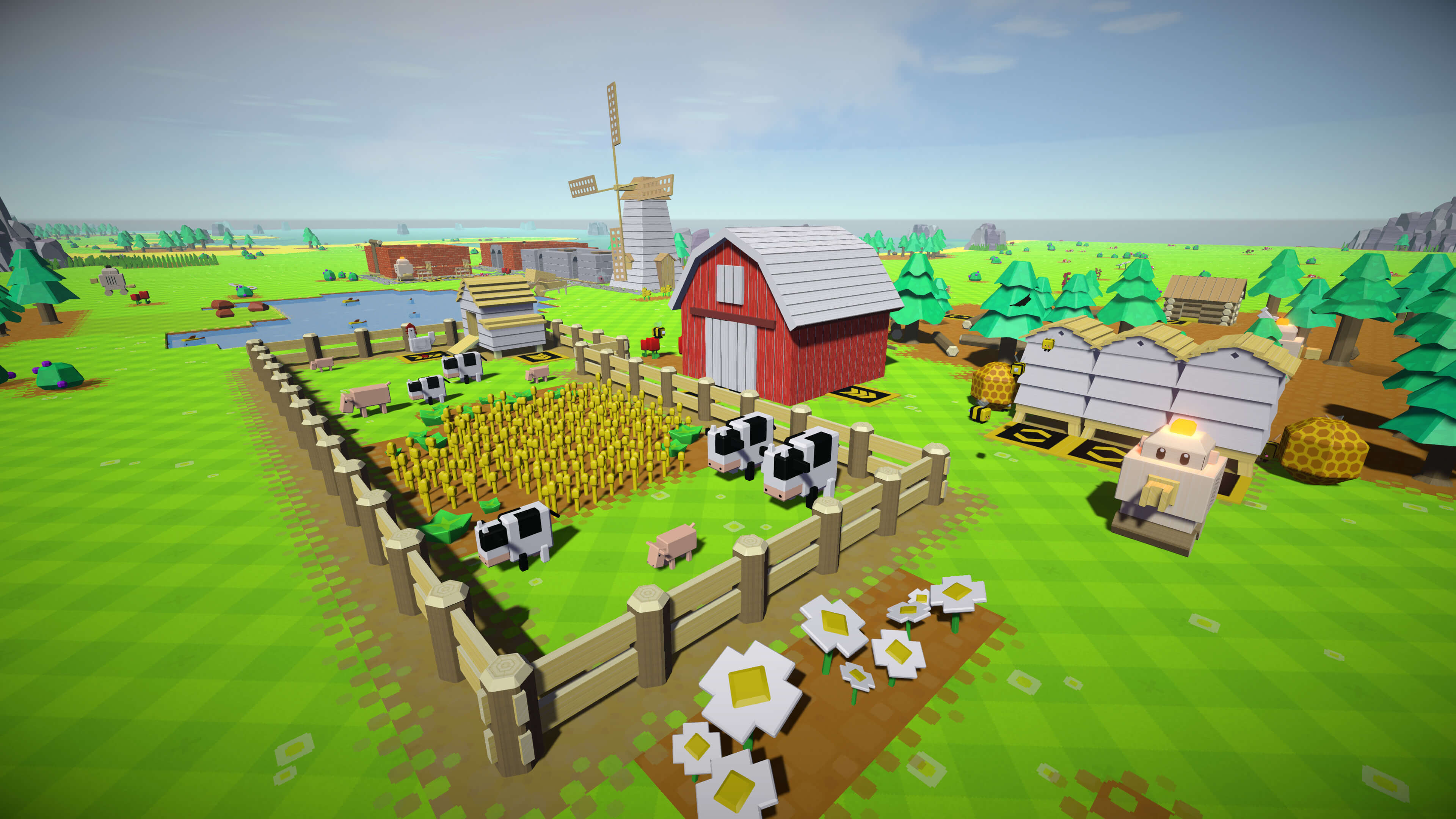
Autonauts teaches automation through bots and simple programming tasks, which makes it feel very different from belt-first factory games. That difference is also why it works for beginners: it breaks automation into understandable little jobs instead of asking you to absorb a full logistics stack immediately.
This fits players who like step-by-step problem solving and do not mind giving workers instructions. The onboarding is approachable, the tone is light, and the game makes cause and effect easy to read. For many players, that clarity is more helpful than jumping straight into throughput-heavy systems.
The tradeoff is that the style will not click for every factory fan. If you specifically want conveyor networks, production ratios, and industrial scale, Autonauts can feel adjacent rather than central. It absolutely teaches automation thinking, but it is a softer and more playful route into the genre.
Dyson Sphere Program
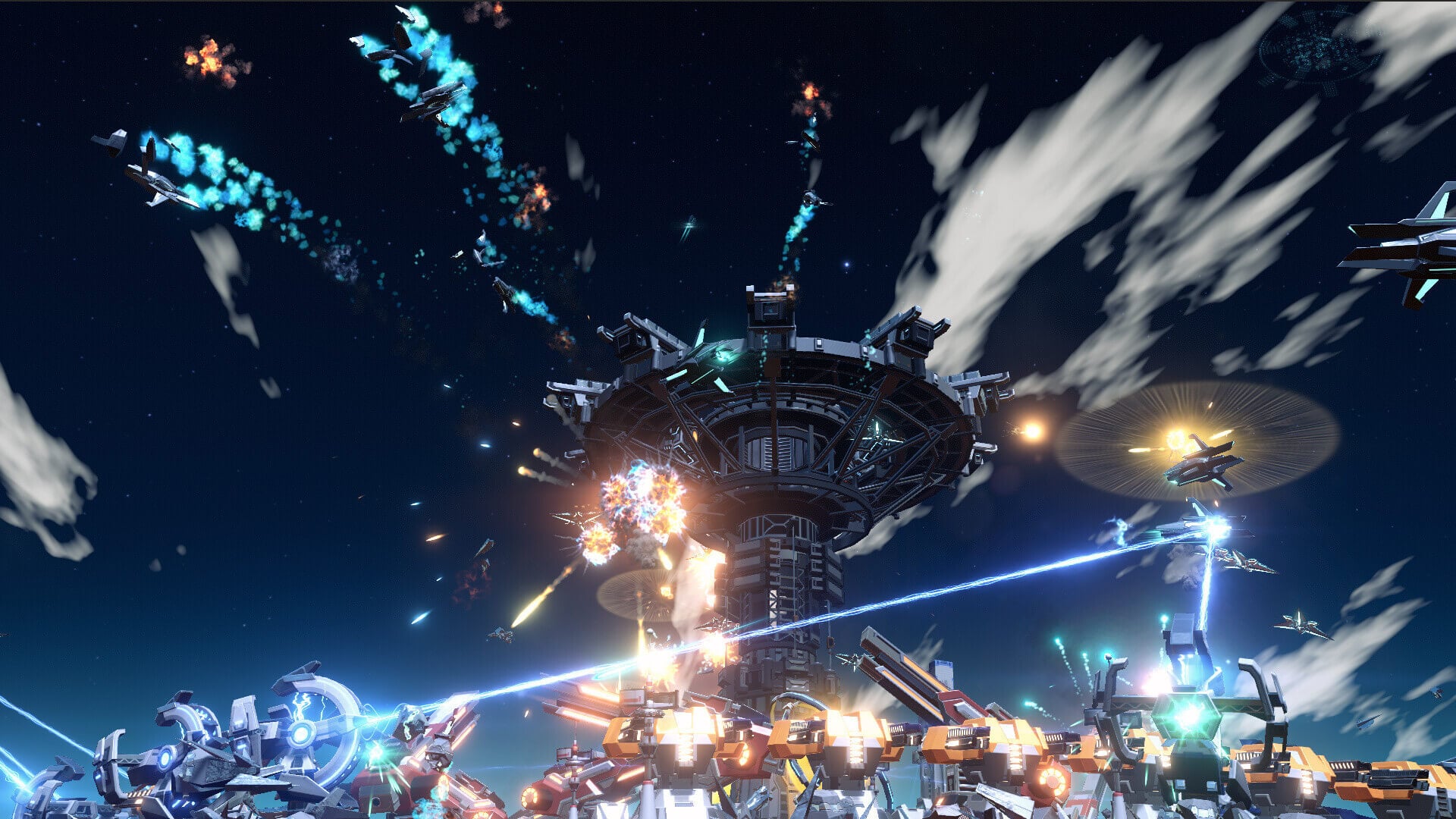
The big hook here is scale, but the reason it makes this list is pacing. Dyson Sphere Program introduces production in manageable steps before it asks you to think interplanetary. That curve is important. A beginner can learn local manufacturing first, then slowly absorb bigger logistics ideas.
It is best for players who want something visually ambitious but still readable. The production chains become more involved over time, yet the game generally does a good job giving each new layer a purpose. This tends to work best when you enjoy expanding from one solved problem to the next instead of obsessing over perfection from the first hour.
The limitation is late-game mental load. Once multiple planets and wider logistics enter the picture, the game becomes much more demanding. So while the onboarding is good, it is not the easiest long-term recommendation here if you want a permanently low-pressure learning space.
Foundry
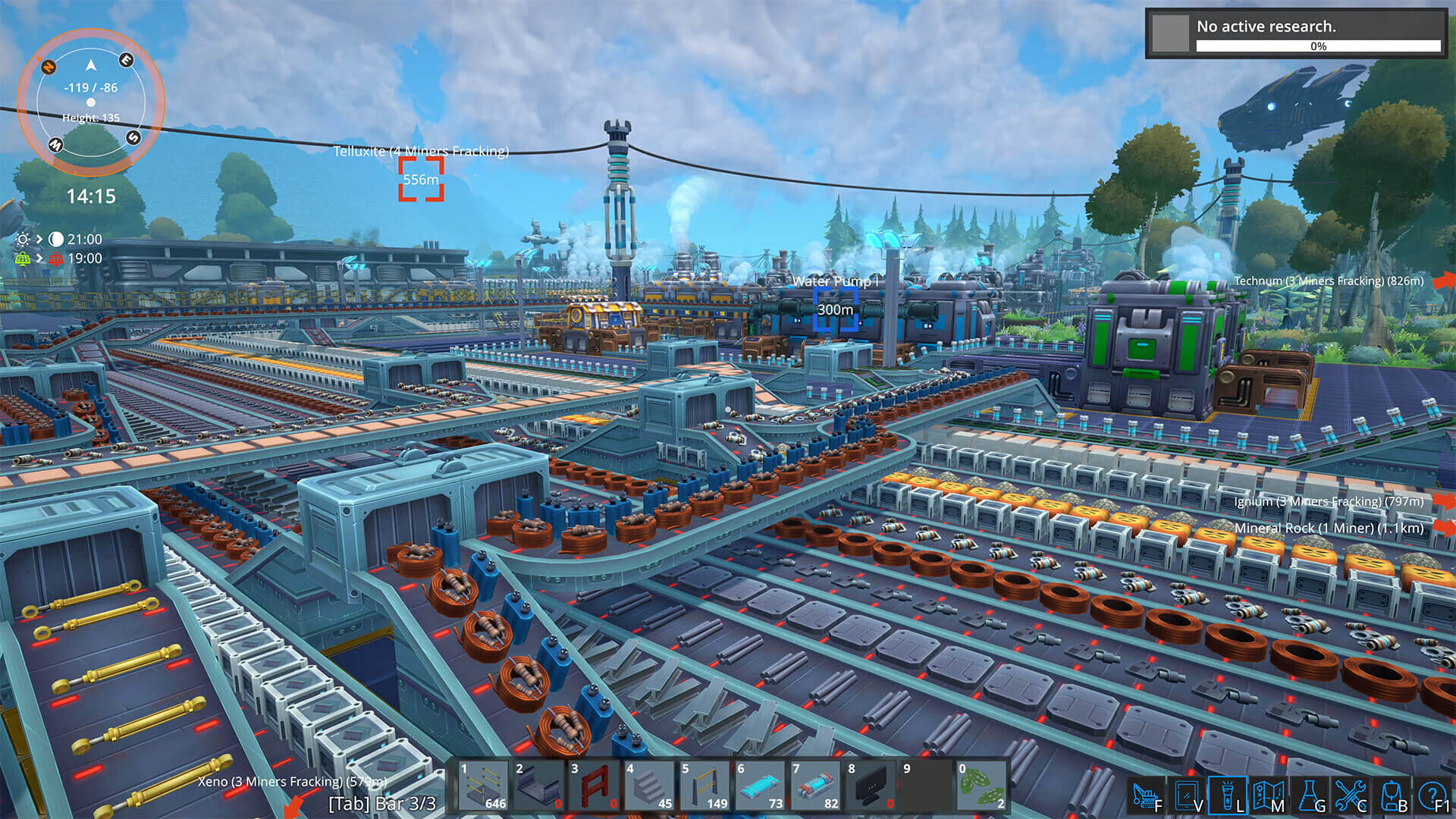
Foundry is a voxel-based factory game that gives beginners a bit more freedom without immediately turning that freedom into confusion. Its tutorialization is direct, and the presentation keeps machines and logistics readable enough for players still learning standard production logic.
This makes sense for players who want a sandbox feel but still need structure. There is enough guidance to keep momentum going, and the terrain interaction adds just enough physicality to make layouts memorable. Some players learn better when the world itself matters, not just the machines on a grid.
The tradeoff is that it can feel less polished in its learning flow than the top-tier picks above. The fundamentals are there, but it may not be as instantly smooth as Shapez 2 or as firmly established as Factorio. Good option, just not the safest first-ever choice unless its specific style appeals to you.
Techtonica
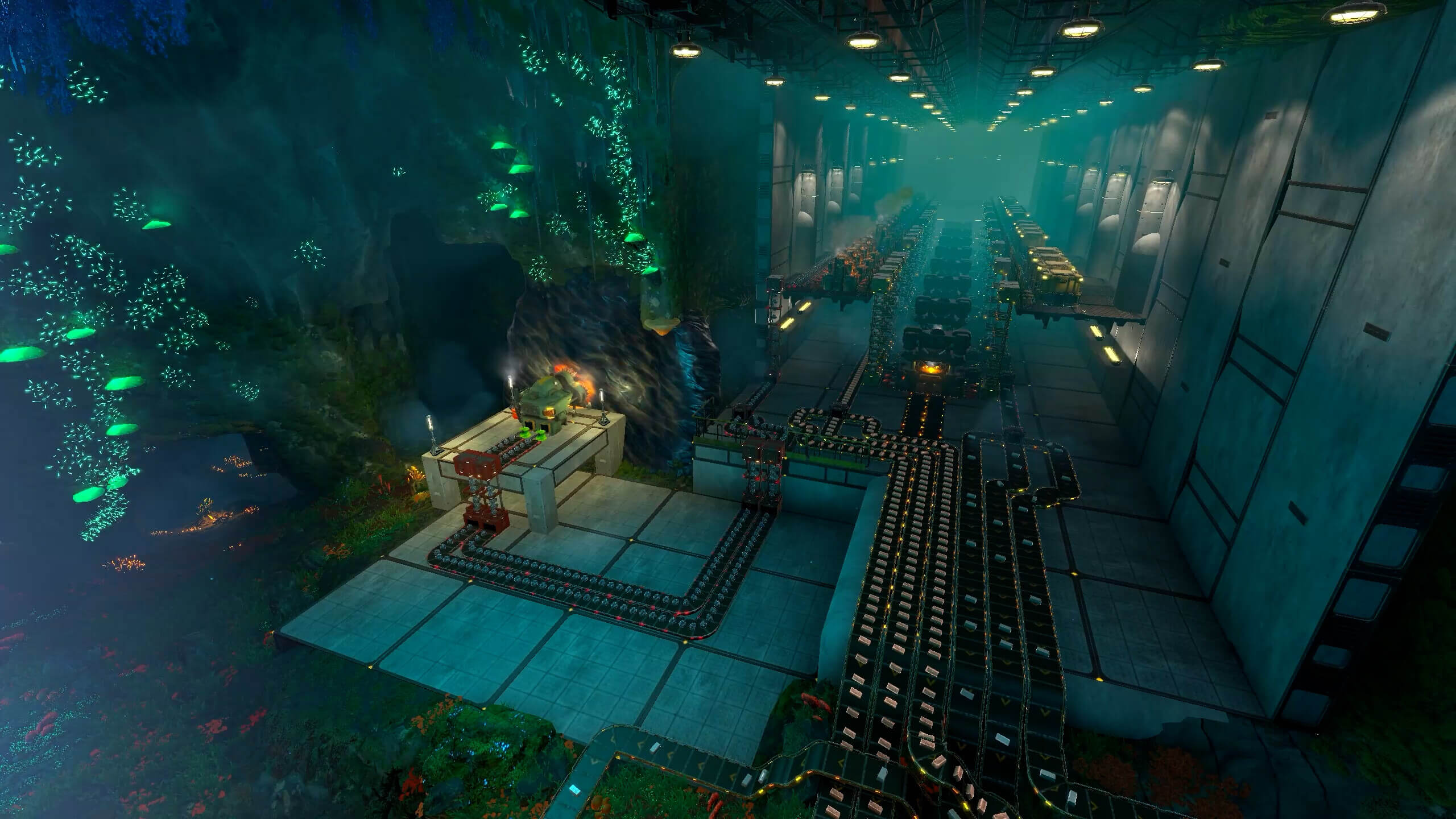
Techtonica earns its place because it tries to make learning tactile and directed. Its underground setting, mission structure, and guided progression help keep new players focused on the next useful step instead of dumping them into open-ended decision paralysis.
It fits players who want a more atmospheric route into automation games with good tutorials. The objectives help anchor the experience, and the structure can be a real benefit for players who struggle when a factory game becomes too self-driven too quickly.
The catch is readability. In darker enclosed spaces, production lines can be less instantly legible than in brighter top-down games. If you are learning the genre from scratch, visual clarity matters a lot. Techtonica teaches better than many complex factory games, but some players will still find cleaner interfaces easier to learn from.
Mindustry
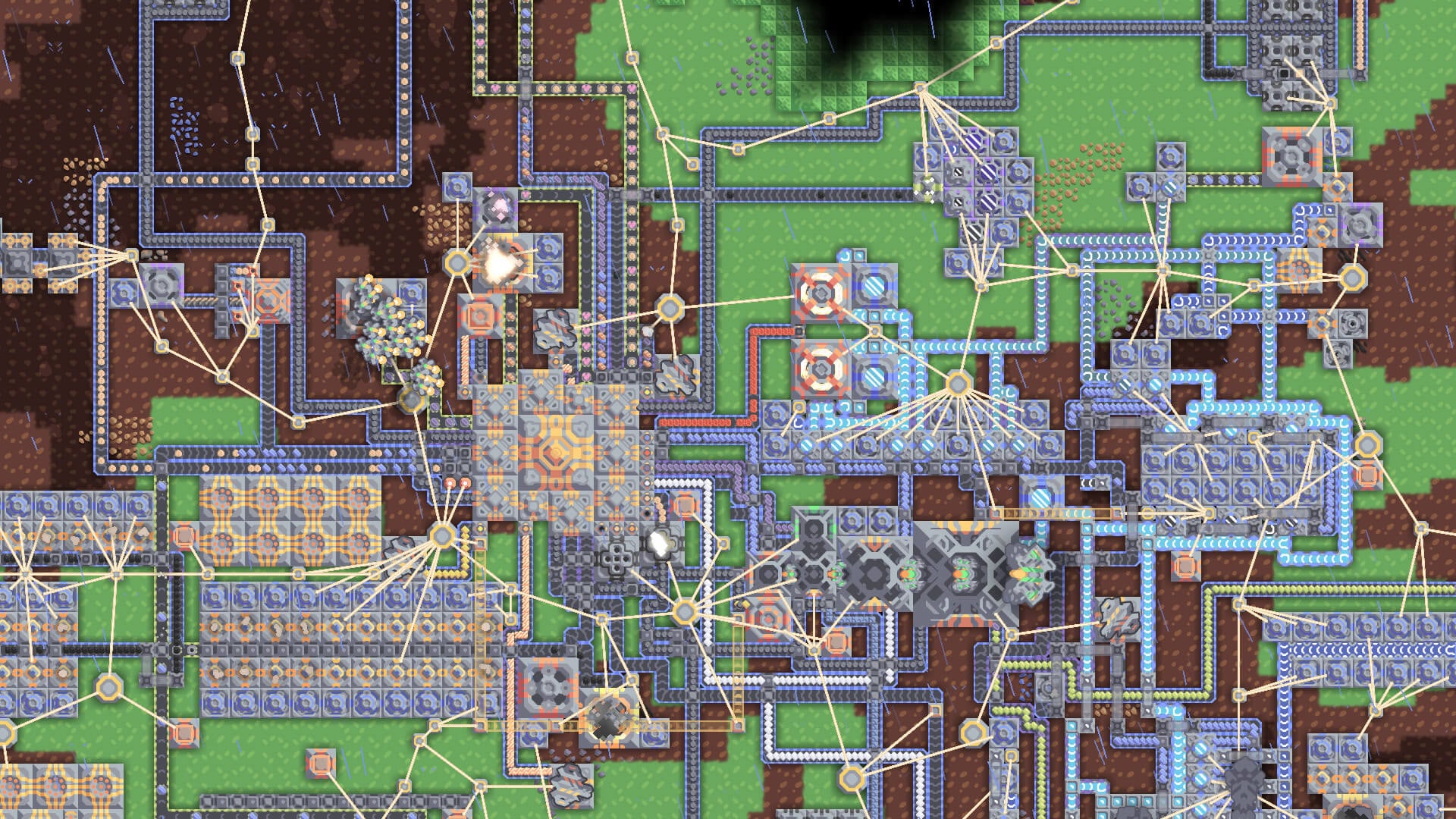
Mindustry is the most demanding pick on this list, but it still qualifies because its campaign does a better job teaching than many games in its complexity range. It introduces systems through scenarios and practical needs, which is much better than expecting new players to just absorb everything from a blank map.
This is the right beginner pick for a specific audience: players who want pressure, defense, and production tied together from the start. If pure sandbox automation feels too passive, Mindustry can make the learning process more immediate because your logistics have visible consequences in combat situations.
The reason it may not click is that combat pressure changes the whole texture of learning. Some beginners do better when they can pause, think, and rebuild without threats. Mindustry is a good teacher for an action-oriented factory player, but it is not the gentlest on-ramp in this article.
Which type of player will enjoy these most
These games work best for players who want to learn factory logic in layers. If you like clear objectives, readable interfaces, and systems that unlock with purpose, you will get more from this list than from heavier sandbox-first picks.
The easiest split is by learning style. Pick Shapez 2 or Shapez if you want pure automation lessons. Go with Factory Town if you want a calmer and friendlier pace. Choose Satisfactory or Foundry if spatial building helps ideas stick better. Factorio is the best fit if you want the genre’s core language taught clearly and do not mind more pressure later.
What matters most when picking your next game
For this topic, tutorial quality is not just about a dedicated intro mission. The real question is whether the game keeps teaching after the first hour. Good factory games reveal complexity gradually, introduce one meaningful problem at a time, and let you recover from rough early layouts without making you scrap the whole run.
The other big factor is pressure. Combat, survival friction, physical navigation, and large 3D construction all add learning load. That is not automatically bad, but beginners should be honest about what they want to learn first. If your main goal is production logic, start with the cleanest teaching tool. If you need immersion or mission structure to stay engaged, accept that the factory lesson may be a bit less pure.
One comfort upgrade for long factory sessions
Factory games are heavy on hotkeys, repeated placement, and long planning stretches. A wrist rest is a simple quality-of-life upgrade when you are spending hours on belts, menus, and rebuilds.
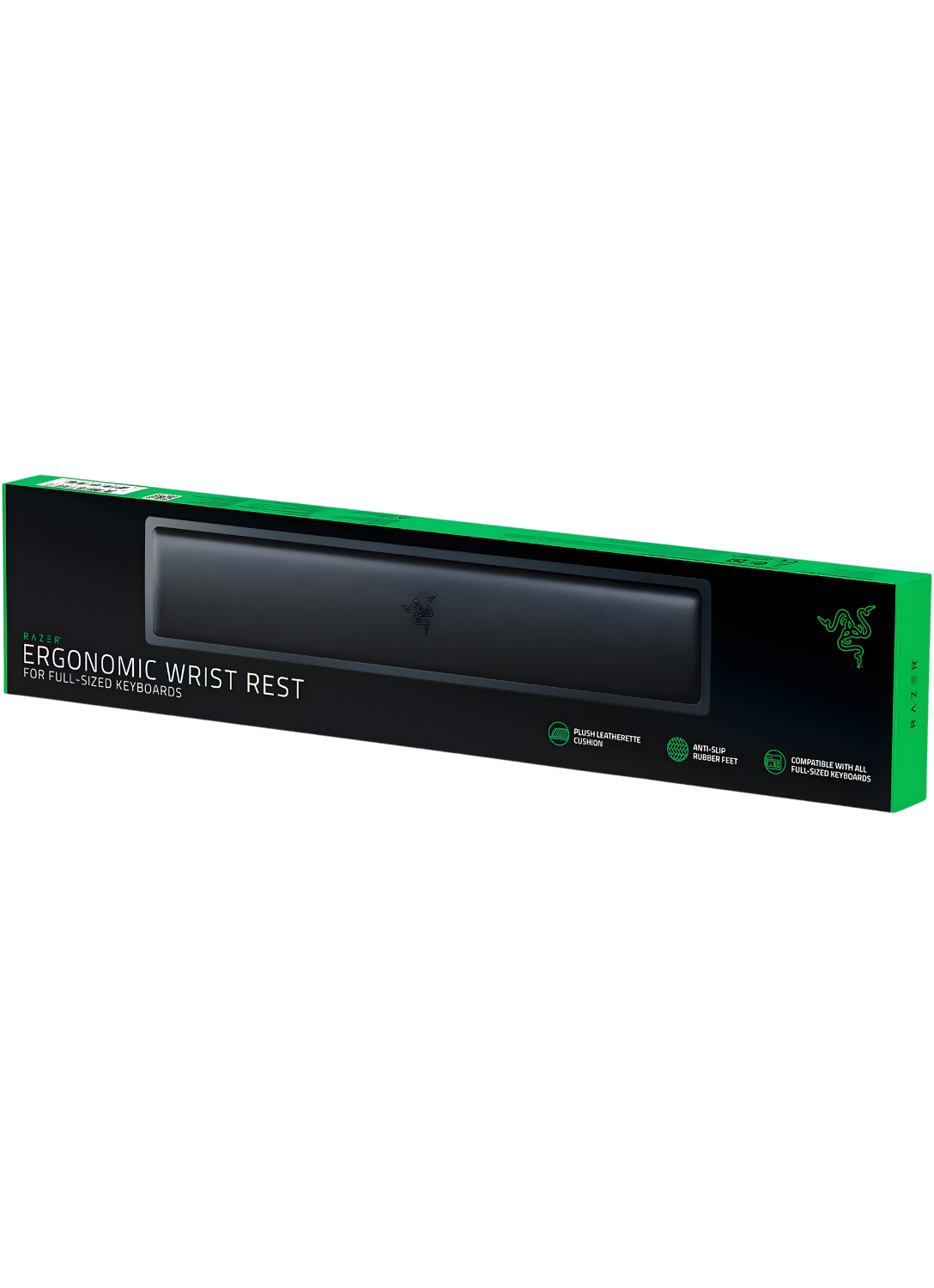
Razer Ergonomic Wrist Rest
An easy comfort upgrade for long keyboard-heavy factory sessions.
FAQ
What is the best beginner factory game with the best tutorials?
For most new players, Shapez 2 is the easiest starting point because it teaches automation logic clearly and removes a lot of genre clutter. Factorio is the better pick if you want to learn the classic factory formula right away.
Are there factory games for beginners without combat?
Yes. Shapez 2, Shapez, Factory Town, Autonauts, and Satisfactory are all better fits if you want to focus on learning production without enemy pressure dominating the experience.
Which factory game is best if I usually hate bad tutorials?
Start with Shapez 2, Factorio, or Factory Town. Those are the safest picks here for players specifically searching for factory games best tutorials because the learning flow is clear and the early game rarely feels like guesswork.
Is Satisfactory good for complete beginners?
Yes, especially for players who learn better by walking through their builds in 3D. The main caveat is that spatial construction can make logistics harder to parse than in top-down factory games.
What should I avoid as a new factory player?
Avoid choosing based only on visuals or scale. The better question is how the game teaches. If onboarding is weak, new players often restart too often, miss key systems, and assume the genre is the problem when it is really the tutorial design.
Takeaway
The best answer to factory games best tutorials is not just “the easiest game.” It is the game that teaches well, adds complexity at the right pace, and lets beginners learn without constant resets. For most players, start with Oddsparks, Shapez 2, Factorio, or Factory Town, then move toward Satisfactory, Dyson Sphere Program, or Mindustry once the basics click.