When to Choose a City Builder Over a Factory Game
A decision guide: when you're in the mood for zoning and citizens versus belts and ratios.
When to Choose a City Builder Over a Factory Game
Stuck on the city builder or factory game question? The right pick usually comes down to what you want to think about for the next few hours: people, zoning, and traffic, or production chains, throughput, and ratios.
This guide is for players choosing between city builders and factory games, not trying to rank one above the other. I help you pick based on whether you want to manage people and zoning or lose yourself in belts and ratios, with practical examples from well-known factory games to show where the split really happens.
Quick take
- Pick a city builder when you want your decisions to revolve around citizens, services, districts, and traffic flow.
- Pick a factory game when the fun is in logistics, production efficiency, bottlenecks, and layout optimization.
- City builders usually feel better when you want guided progression or scenario structure; factory games tend to be stronger when you want a sandbox-first session.
- If you want your mistakes to show up as unhappy residents or broken transit, go city builder. If you want them to show up as stalled lines and missing inputs, go factory game.
- Neither genre is automatically cozy or stressful. That depends on survival pressure, combat, disasters, and how much optimization you expect from yourself.
City builder or factory game: start with what you want to manage
The fastest way to decide on a city builder or factory game is to ask one blunt question: do you want to manage people or systems?
In a city builder, the simulation keeps pulling you back to human needs. Housing demand, taxes, public services, commute times, land value, and district planning shape almost every choice. Even when the tools look simple, the appeal is usually in balancing competing civic needs rather than perfecting one production chain.
A factory game narrows the focus. You are mostly solving flow problems. Inputs become outputs, then those outputs feed larger systems. The pleasure is cleaner and more mechanical. You can spend an hour fixing one chokepoint and feel like that was the whole point.
That difference matters more than theme. A futuristic setting does not make a city builder feel like a factory game, and an automation game with a cute art style is still about logistics first. Some days you want citizens and traffic. Other days, pure logistics is the better fit.
Choose a city builder when you want messy tradeoffs, not perfect ratios
City builders are better when you want to juggle priorities that never line up cleanly.
You are not just asking, "How do I produce more?" You are asking questions like:
- Where should this district expand?
- How much road capacity is enough before the problem becomes zoning?
- Is this budget issue really a service issue?
- Should growth slow down until infrastructure catches up?
That makes city builders feel broader and less exact. For many players, that is the appeal. You can improve a city without ever fully solving it. There is usually more room for "good enough" planning, and that can be a relief if heavy optimization sounds exhausting.
This is also where campaigns and scenarios matter. City builders often give you a clearer set of civic problems to solve over time. Factory games are more likely to hand you tools and let you chase self-directed efficiency goals. If you want external structure, a city builder often lands better.
The tradeoff is obvious: if you are craving clean logic puzzles, citizens can feel noisy. Population demand, traffic behavior, and public services introduce friction that is less elegant than a production graph. Some players love that mess. Others just want the belts to line up.
Choose a factory game when logistics is the whole point
Factory games click when you want every improvement to be measurable.
The loop is direct. Extract, process, move, assemble, expand. A factory game usually rewards focus and iteration more than broad civic balancing. You spot a bottleneck, redesign a line, increase throughput, and immediately see the result. That feedback loop is the reason many players bounce off city builders but sink deep into automation.
This also tends to make factory games stronger for longer sessions where you want to disappear into one problem at a time. New players often notice that city builders ask for wider attention, while factory games let you tunnel hard into a specific chain or layout.
That said, factory games are not automatically more complex. Some are streamlined and readable. Others become dense very quickly. The real difference is that complexity usually comes from scale and interdependence, not from simulating a population.
A practical rule: choose city builder or automation based on the failure state you enjoy dealing with. If fixing traffic, coverage gaps, and neighborhood planning sounds satisfying, go city builder. If fixing underfed smelters, poor routing, and broken supply lines sounds better, pick a factory game.
Use these factory games as a reality check for your mood
These games are useful reference points because each one highlights a different side of the factory genre. If any of these sounds more appealing than zoning streets and supporting residents, you probably want a factory game tonight.
Factorio
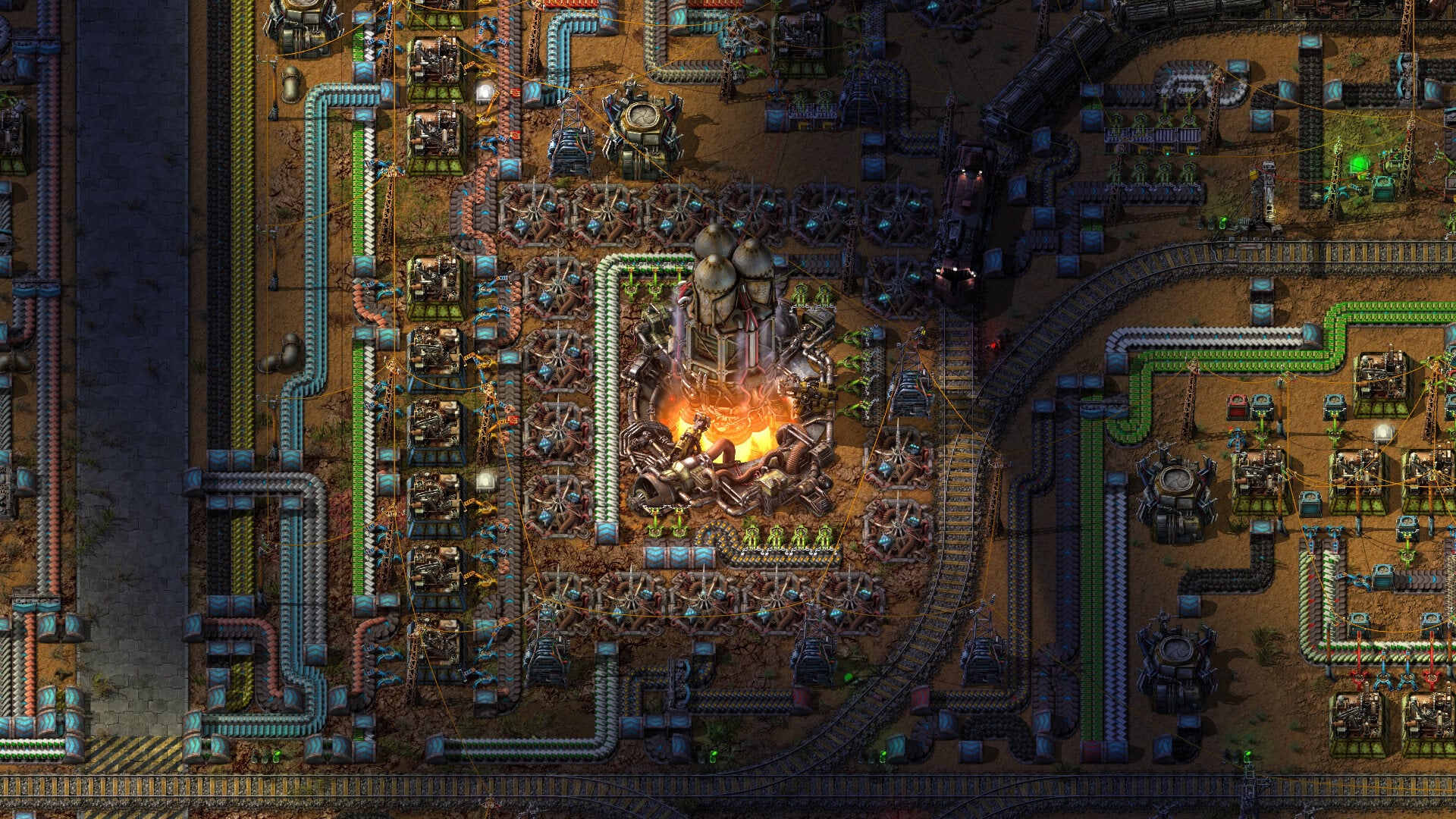
This is the cleanest argument for choosing a factory game. Factorio is about throughput, expansion, and production clarity with very little distraction from the core loop.
It fits players who want precise optimization and systems that scale into serious logistical planning. If your ideal session is spotting inefficiency and fixing it line by line, this is the benchmark.
The reason it may not click is the same reason it belongs here: it does not care much about civic texture. There are no districts to shape or citizens to satisfy. If you want a place with personality more than a machine with momentum, a city builder is the better call.
Satisfactory
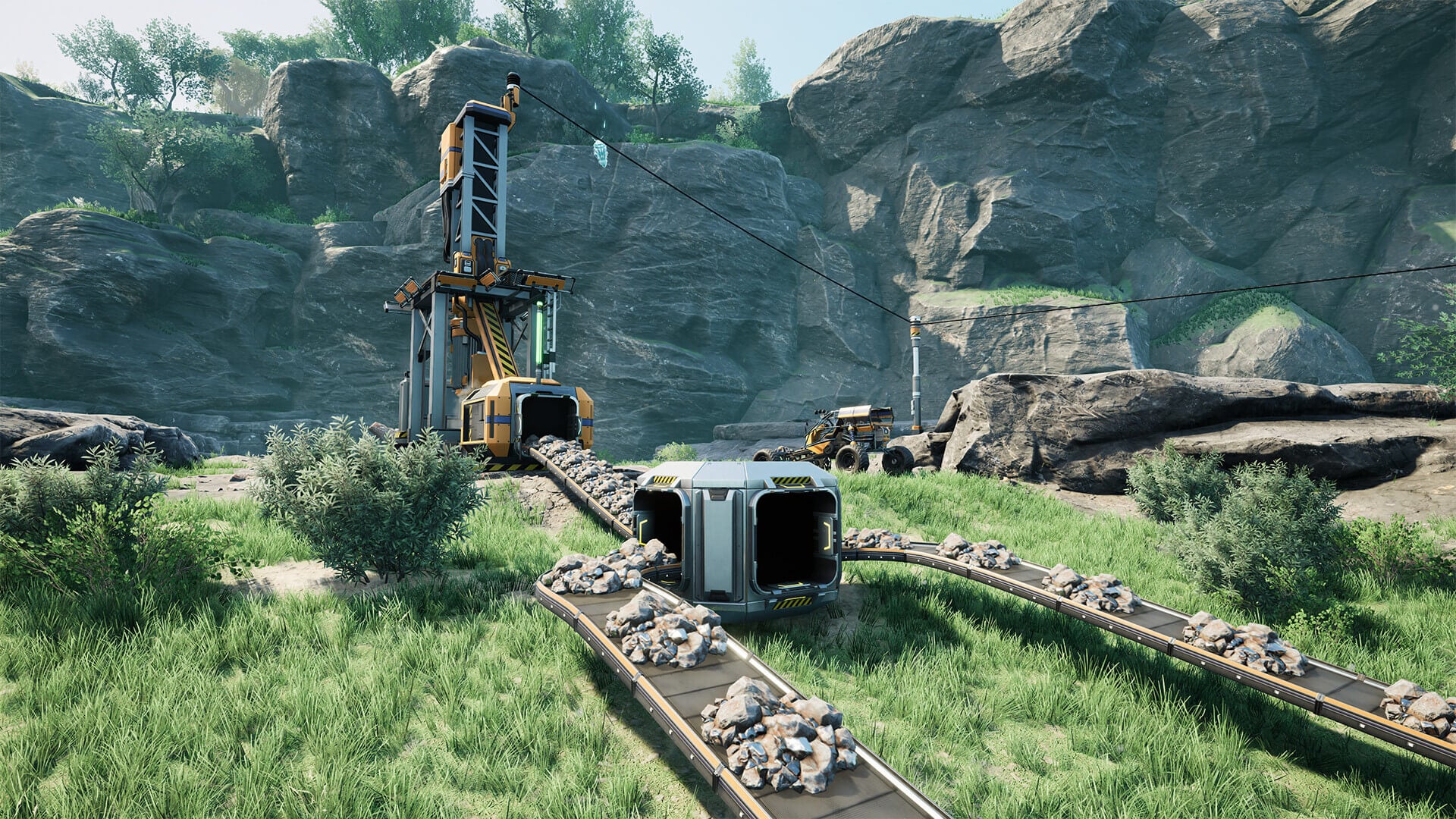
Pick Satisfactory when layout and physical space matter as much as the math. It keeps the automation focus, but the first-person perspective changes the feel completely.
This clicks most if you like hands-on construction and want room for impressive industrial architecture, not just efficient diagrams. Players who enjoy wandering through what they built often prefer this over stricter top-down automation games.
The tradeoff is pacing. Building in 3D can be satisfying, but it is also slower and more involved. If you want quick iteration or a more zoomed-out planning style, a city builder may actually feel less cumbersome.
Dyson Sphere Program
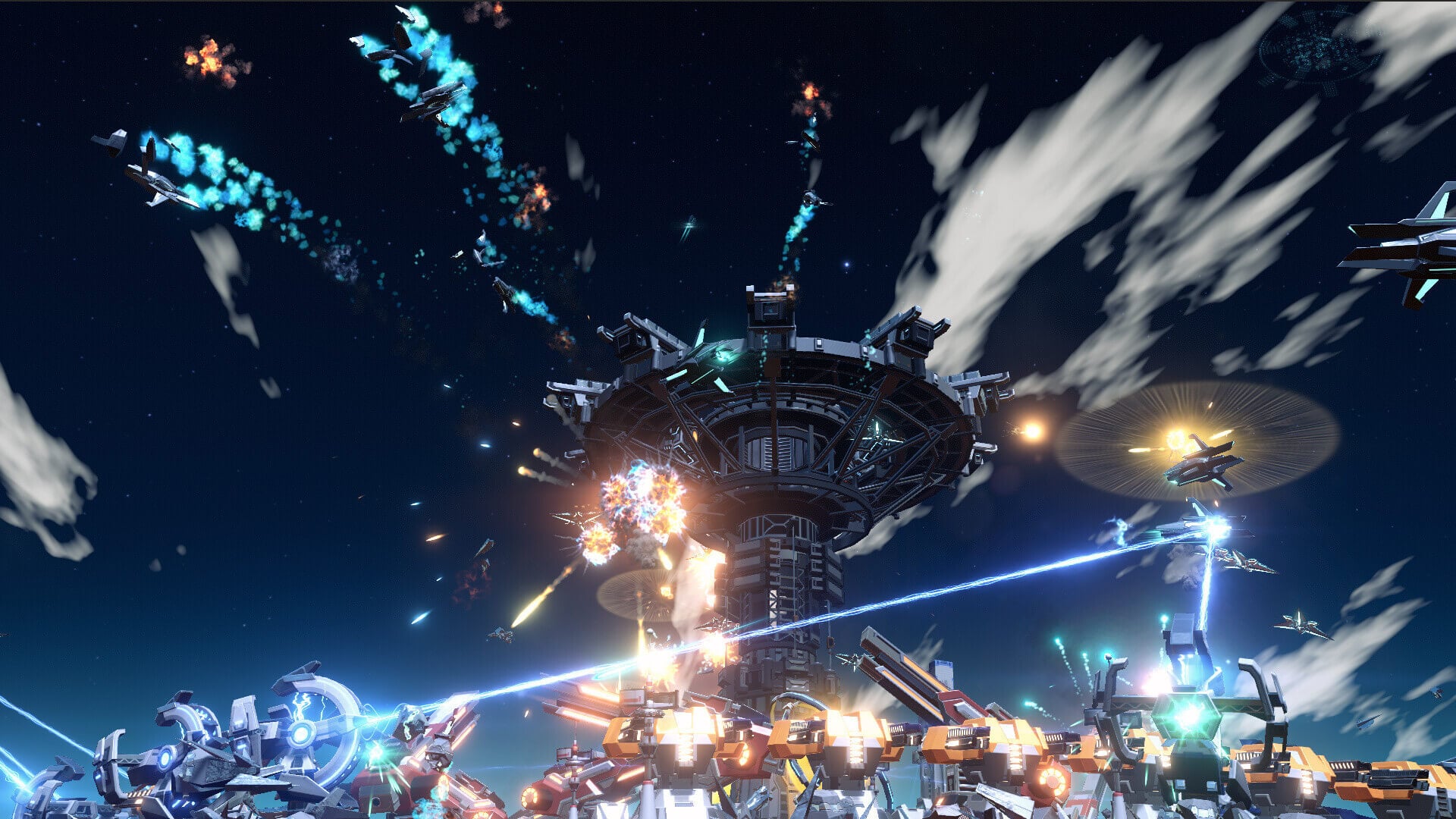
Scale is the main draw here. Dyson Sphere Program turns factory design into interplanetary logistics, which pushes the genre away from local civic planning and fully into system expansion.
It fits players who want a grand sense of progression and who enjoy connecting production across multiple worlds. If your mood is "I want bigger and more interconnected," this is the kind of factory game that answers that urge.
The limitation is that its appeal is heavily tied to production growth. If what you really want is to shape neighborhoods, react to citizen needs, or make a city feel livable, this is the wrong lane entirely.
Captain of Industry
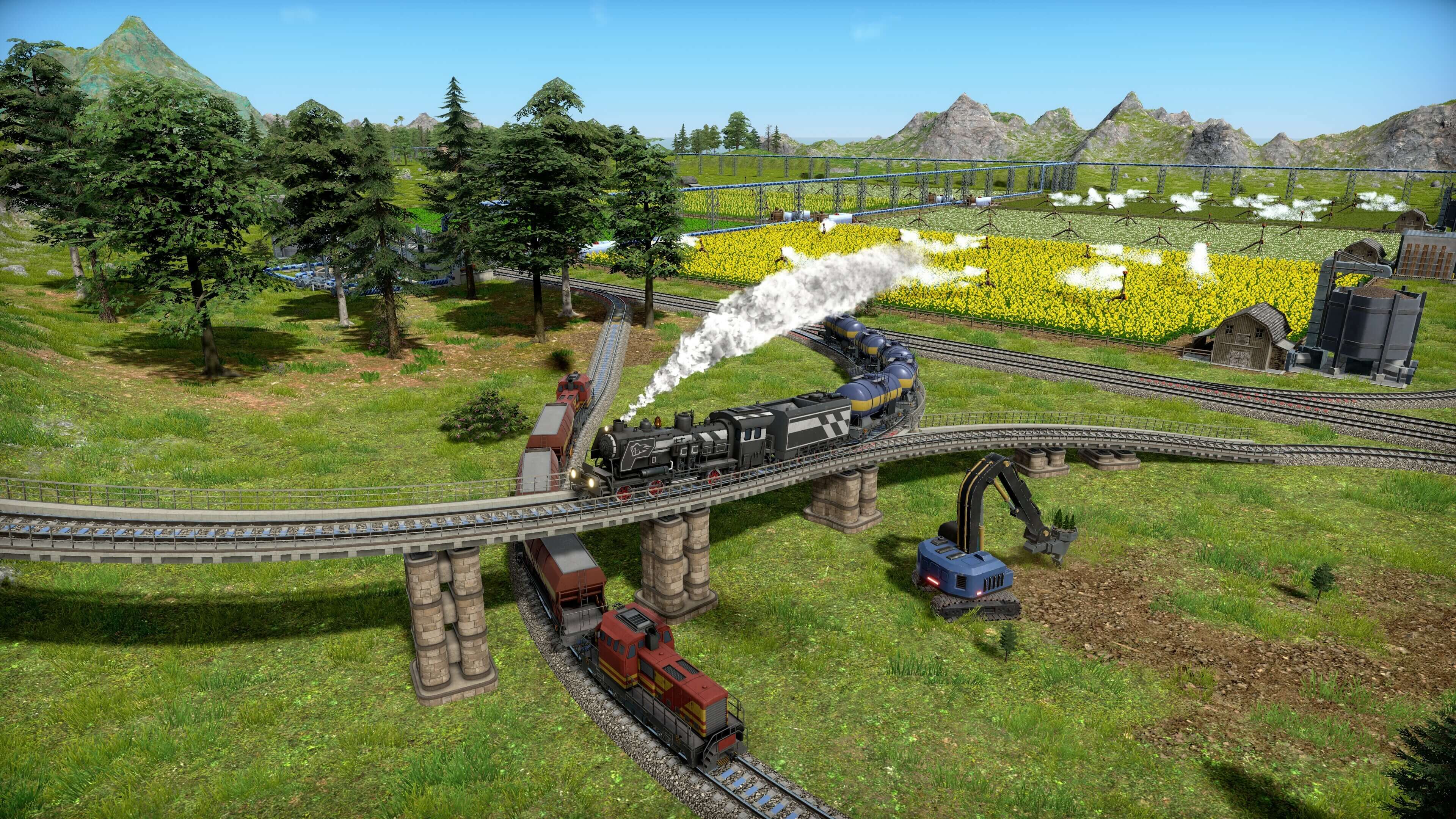
This is where factory games start to absorb some of the pressure people sometimes expect from colony sims or heavier city builders. Captain of Industry asks you to think about supply chains, land use, and survival pressure at the same time.
It fits best for players who want logistics with consequences. The resource chains are demanding, and the sense of strain is part of the appeal. This tends to work best when you want a harsher, less relaxed session.
The downside is that it can feel punishing if you were hoping for the softer pacing many city builders provide. Even compared with other factory games, the main friction is how quickly mistakes can cascade.
Factory Town
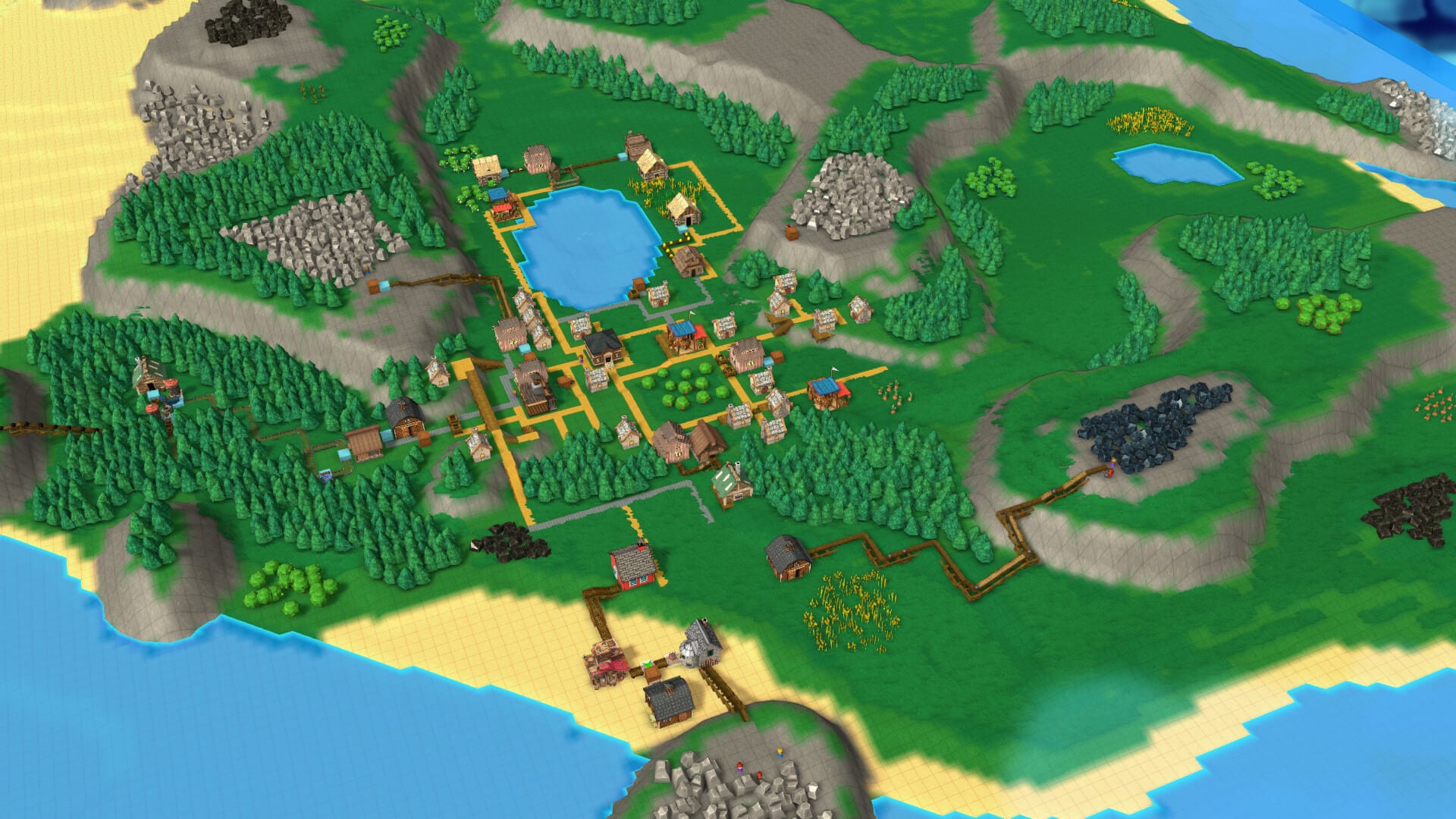
Factory Town is a useful partial fit because it sits closer to the line. It has citizens, but they exist mostly to support an automation-heavy loop rather than to drive a full city simulation.
This works for players who want something lighter and gentler than the genre heavyweights, especially if they like the idea of production chains without the harsher pressure or dense optimization. It can be a smart bridge if you are not sure which side of the city builder vs factory game split you actually prefer.
The catch is that it will not fully satisfy either extreme. It is not as deep in logistics as Factorio, and it is not as civic-focused as a dedicated city builder. That middle ground is either the selling point or the reason to skip it.
Shapez 2
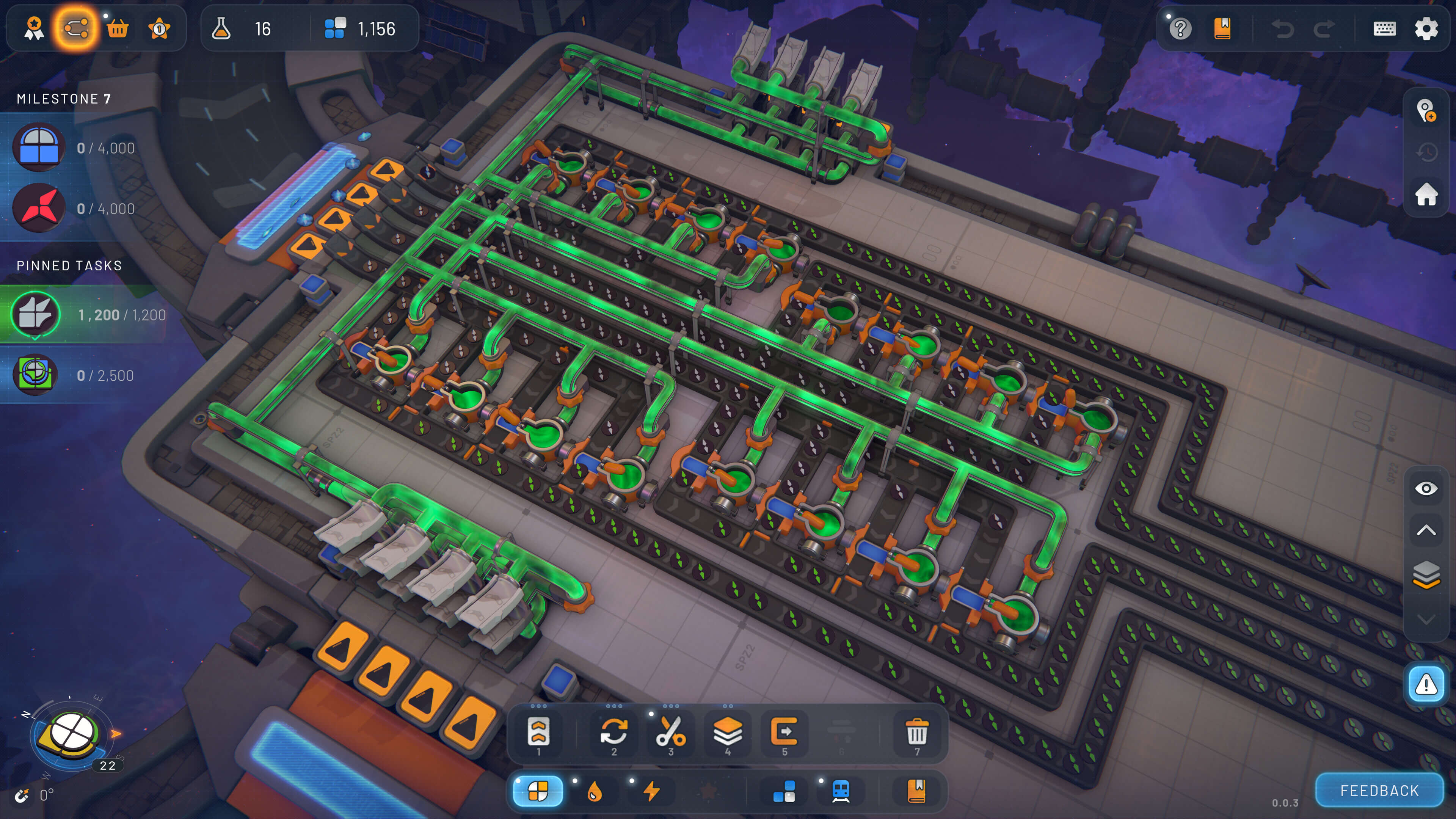
For pure systems thinking, Shapez 2 strips away almost everything except production logic. There is no citizen layer to distract from the core problem-solving.
It fits players who want the cleanest possible automation puzzle and do not need theme, world simulation, or survival pressure to stay engaged. If your brain wants patterns, routing, and scalable abstract logic, this is a very direct answer.
That same abstraction is the limitation. Some players need a stronger sense of place or progression to stay invested. If you are leaning toward a city builder because you want atmosphere and urban identity, Shapez 2 will feel too clinical.
When these games click best
Choose a city builder when:
- You want to react to changing civic needs rather than perfect a production layout.
- You enjoy making a place feel coherent, not just efficient.
- You want campaigns, scenarios, or a clearer external structure.
- You are in the mood for traffic, zoning, services, and district planning.
Choose a factory game when:
- You want logistics to be the main event.
- You enjoy measurable improvement and repeat optimization.
- You are happy spending a long session on one bottleneck.
- You care more about flow and scale than about citizens and urban life.
If you are torn, your tolerance for ambiguity is the real tiebreaker. City builders usually ask you to live with imperfect tradeoffs. Factory games more often reward exact fixes. Neither is better; they scratch different parts of the same strategy itch.
What matters most when picking your next game
The biggest mistake is choosing by theme instead of by decision type.
A modern skyline, sci-fi setting, or cozy art style can blur the line, but the real question is still what the game asks you to monitor minute to minute. If most of your attention goes to residents, demand, transit, and service coverage, you are in city builder territory. If it goes to line balance, routing, and production scale, you are in factory game territory.
Second, do not assume one genre is always more relaxing. Both can be cozy or stressful depending on the game. A gentle city builder can be a comfort game. A disaster-heavy one can be exhausting. The same goes for factory games: some are smooth sandbox experiences, while others turn logistics into survival.
Third, be honest about session feel. If you only have an hour and want visible progress, a focused factory game can feel better because its improvements are easy to isolate. If you want a broader planning session with more organic outcomes, a city builder often makes more sense.
A small desk upgrade for long planning sessions
Games in both genres involve a lot of panning, dragging, and repeated mouse movement across big maps or production layouts. A desk-size surface is a practical quality-of-life upgrade when you are settling in for long strategy sessions.
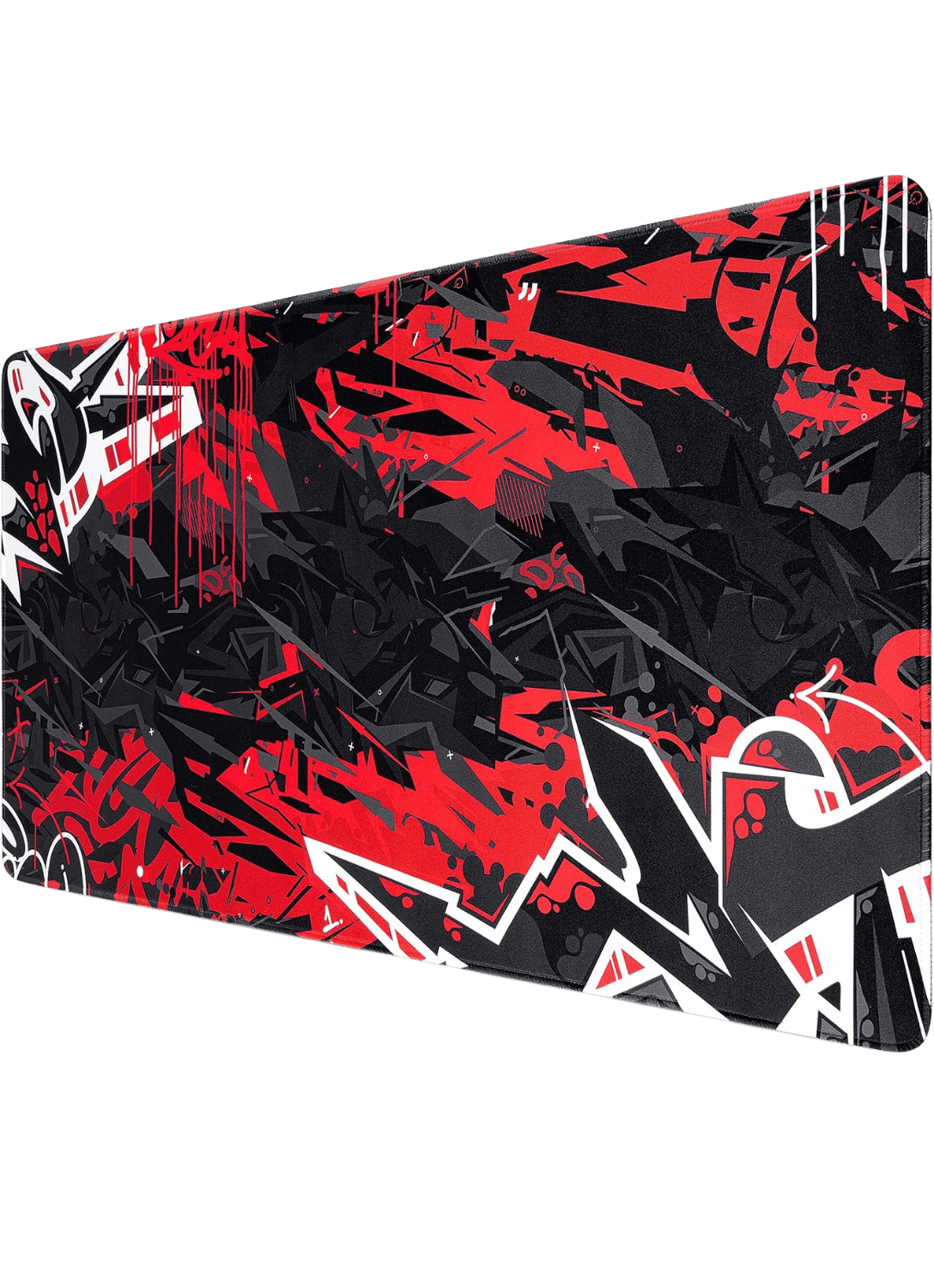
Canjoy Gaming Mouse Pad
Desk-size pad for more room and smoother mouse travel in long strategy sessions.
FAQ
Is a city builder or factory game better for beginners?
That depends on what feels intuitive to you. A city builder is often easier if you naturally think in neighborhoods, roads, and public services. A factory game is often easier if you like step-by-step logic and solving one chain at a time.
When should I play a city builder instead of an automation game?
Play a city builder when you want citizens and zoning to drive your decisions. If you are more interested in making a place function as a city than in maximizing production flow, that is the better choice.
Are factory games always more complex than city builders?
No. They are usually more focused, not always more complex. A factory game can become extremely deep, but a city builder can be just as demanding once traffic, budgets, land use, and population needs start colliding.
What if I want a middle ground between the two?
Start with something like Factory Town. It leans toward factory gameplay but keeps a softer tone and some town-like structure. It is a good test case if you are not sure whether you want citizens or pure logistics.
Takeaway
If you are deciding on a city builder or factory game, start with the kind of problems you want to solve tonight. Choose a city builder for citizens, zoning, and messy urban tradeoffs. Choose a factory game for belts, ratios, and the satisfaction of making systems run cleanly.