Satisfactory Beginner Guide: What to Do in Your First 12 Hours
A practical Satisfactory beginner guide for your first 12 hours: where to build, what to automate first, milestone priorities, coal power, foundations, and the mistakes that waste the most time.
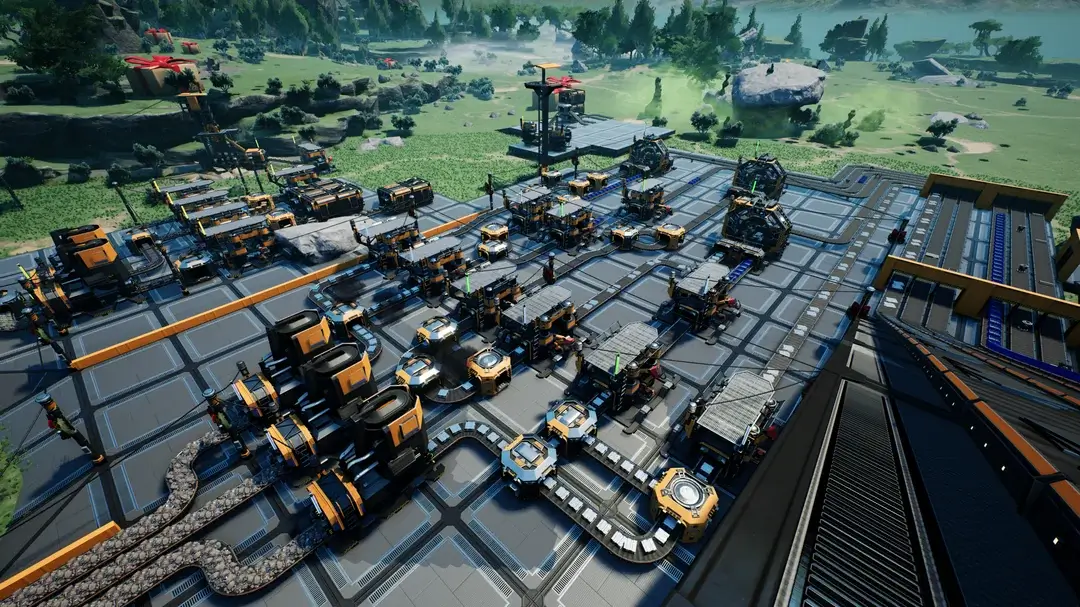
If you're new to Satisfactory, the first 12 hours can feel amazing and messy at the same time. You land on a huge alien world, throw down a few machines, and before long you're surrounded by belts, storage boxes, and half-finished ideas. That's normal. The early game is really about one thing: building a simple factory that keeps working while you unlock better tools. Progress in Satisfactory mainly comes from Milestones at the HUB, and the big early turning point is reaching Coal Power, which unlocks in Tier 3. Details on tiers and unlocks live on the official Satisfactory Wiki (Milestones).
This guide is for beginners who want a clean start without overthinking everything. Do not overthink your first base. You do not need a perfect factory. You do not need fancy layouts right away. What you need is a base that gives you plates, rods, wire, concrete, and power without constantly dragging you back into manual crafting. That is the real early-game win. Most beginner advice comes down to the same few wins: build near core nodes, automate basic parts early, use foundations, and push toward Coal Power as soon as you can.
Don't waste your first 12 hours rebuilding the same starter lines three times. Good enough is enough.
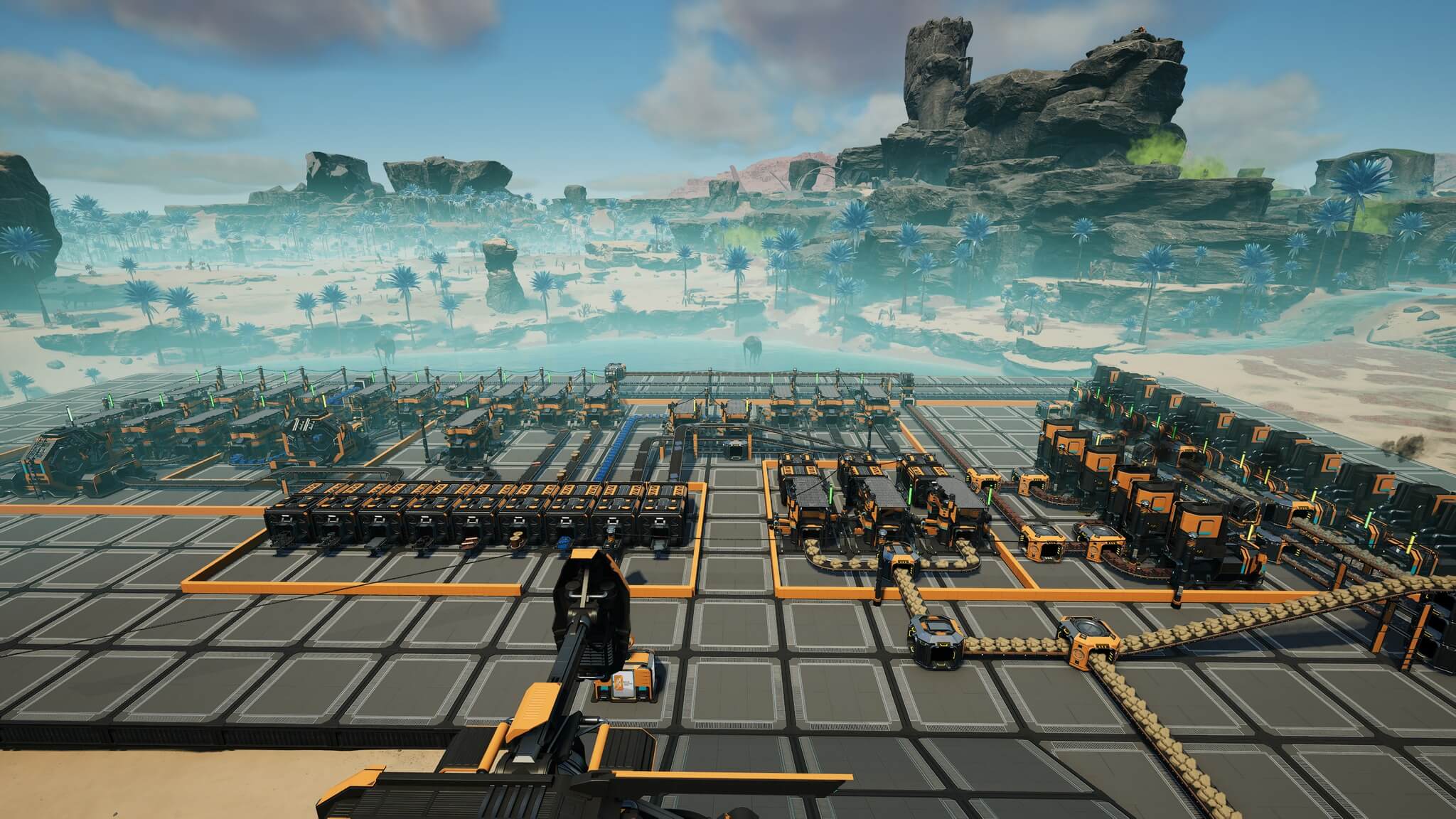
Quick take
Your first 12 hours should aim for this:
- build near iron, copper, and limestone
- finish Tier 0
- automate basic iron and copper parts
- unlock Part Assembly
- stop hand-crafting everything
- build on foundations
- reach Coal Power
- treat your first base as a working starter base, not your forever factory
If you do that, you're in a strong spot. Milestones are the main progression path, and Coal Power is the first big early-game turning point.
Starter checklist before hour 12
Before you build anything
A lot of beginners make life harder by dropping the HUB in the first open patch of land they see. Don't do that.
Your opening area should be close to:
- at least one iron node
- one copper node
- one limestone node
- enough flat ground to place a few machines without fighting the terrain
That matters more than almost anything else in the first few hours, because these are the resources you keep coming back to over and over. The official game setup starts you in onboarding with basic iron access, and community guides consistently recommend beginner-friendly starts that prioritize nearby starter resources over "pretty" locations.
Don't chase the perfect base location on minute one. Just make sure you can reach iron, copper, and limestone without turning every supply run into a road trip.
What your first base actually needs
In the early game, your base does not need to look impressive. Pretty builds can wait. Reliable output cannot. It needs to do three simple jobs well:
- turn ore into useful parts
- store enough materials for the next unlock
- give you room to expand without rebuilding everything every 15 minutes
That means your starter base should focus on:
- iron plates
- iron rods
- wire
- cable
- concrete
- later, screws, reinforced plates, rotors, and modular frames
Those parts feed directly into milestone costs and early machine building. For example, Tier 2 Part Assembly unlocks the Assembler and recipes like Rotor, Modular Frame, and Smart Plating, while Tier 3 Coal Power needs Reinforced Iron Plates, Rotors, and Cable.
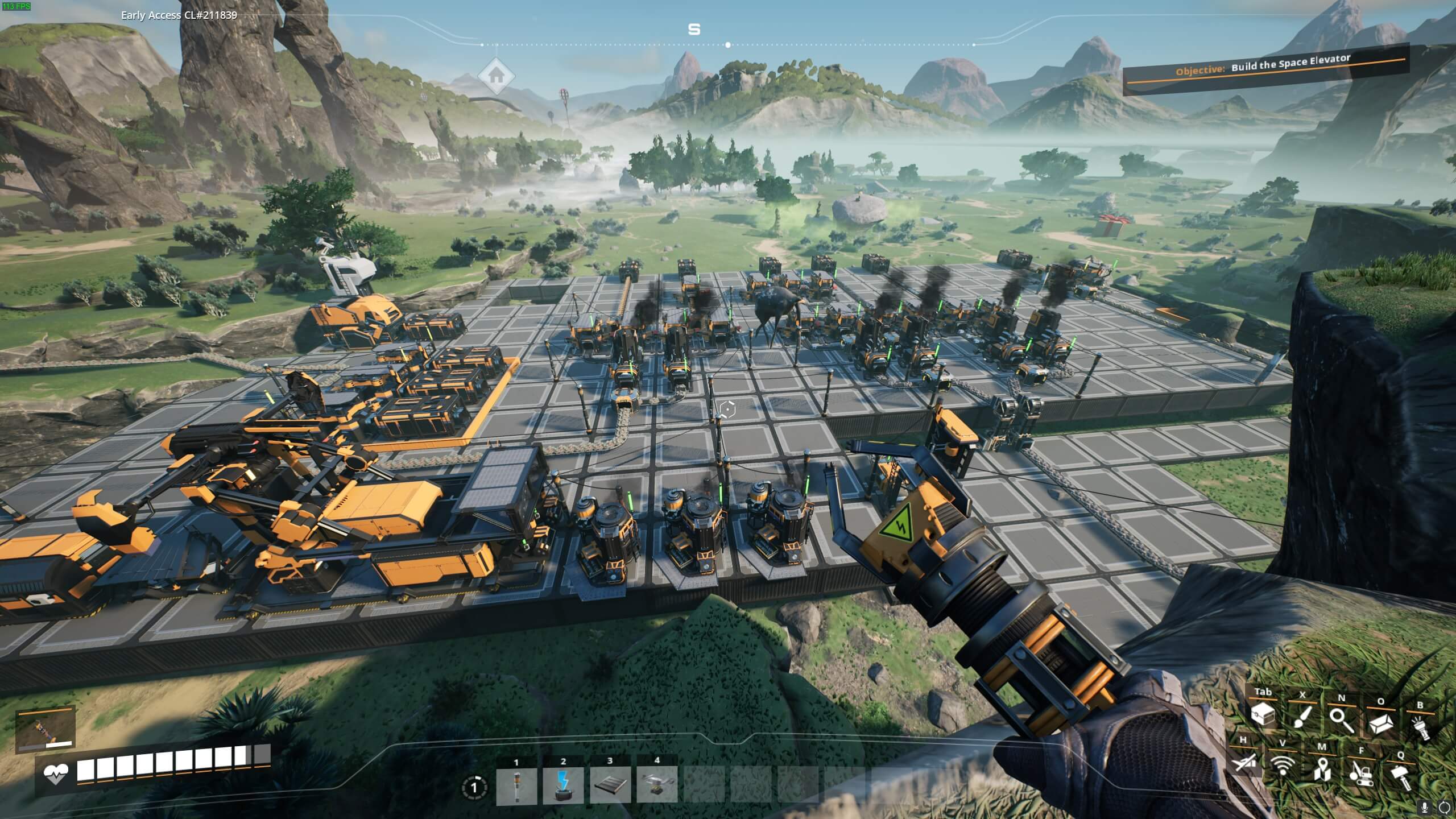
The first hour: get functional, not fancy
Your first hour is basically survival by organization.
Here's the clean path:
1. Place the HUB near your starter resources
Finish the onboarding steps instead of skipping around blindly. Tier 0 is designed to walk you into the early tools and buildings, and completing it unlocks the next tiers.
2. Gather more than you think you need
At the start, grab extra leaves, wood, ore, and limestone while moving around. Early power depends on Biomass Burners, and they need constant manual fuel until you reach coal—so pick up fuel as you travel and you spend less time running back just to feed burners.
3. Build the Equipment Workshop and Portable Miner
This is one of the first little moments where the game starts feeling better. You stop being just a guy with a zapper and start actually preparing production. Portable miners are part of the early flow, and the official wiki on miners notes that multiple Portable Miners can be placed on the same node as long as there is space.
4. Start with simple part production
You do not need a huge chain right away. Just make sure you're steadily producing the boring basics.
Think:
- one line for plates
- one line for rods
- one line for wire/cable
- one concrete setup
That is enough to stop the early panic.
The first big mistake: hand-crafting too much
This is probably the biggest beginner trap.
A very normal early-game spiral looks like this: you run out of plates, craft a few by hand, realize you need rods too, then go top up biomass, then come back and notice your layout is already cramped. That is the exact moment automation should start doing more of the work for you.
Most beginners do the same thing: they automate a little, then keep filling the gaps by hand because it feels faster in the moment. Ten minutes later, they're still at the bench making rods and screws instead of expanding the factory.
At first, hand-crafting feels fast. You stand at the bench, make plates, make rods, make screws, and it feels productive. But after a while, it becomes a tax on your time. Every minute you spend manually making basic parts is a minute your factory should have been handling for you.
The trap is thinking one more hand-crafting session will fix the problem. It won't.
If the bench is doing more work than your machines, something is wrong.
The game is about automation. Your early factory should take over the boring stuff as soon as possible. That's why early milestone rewards like Miner Mk.1, storage, splitters, mergers, lifts, and the Assembler matter so much.
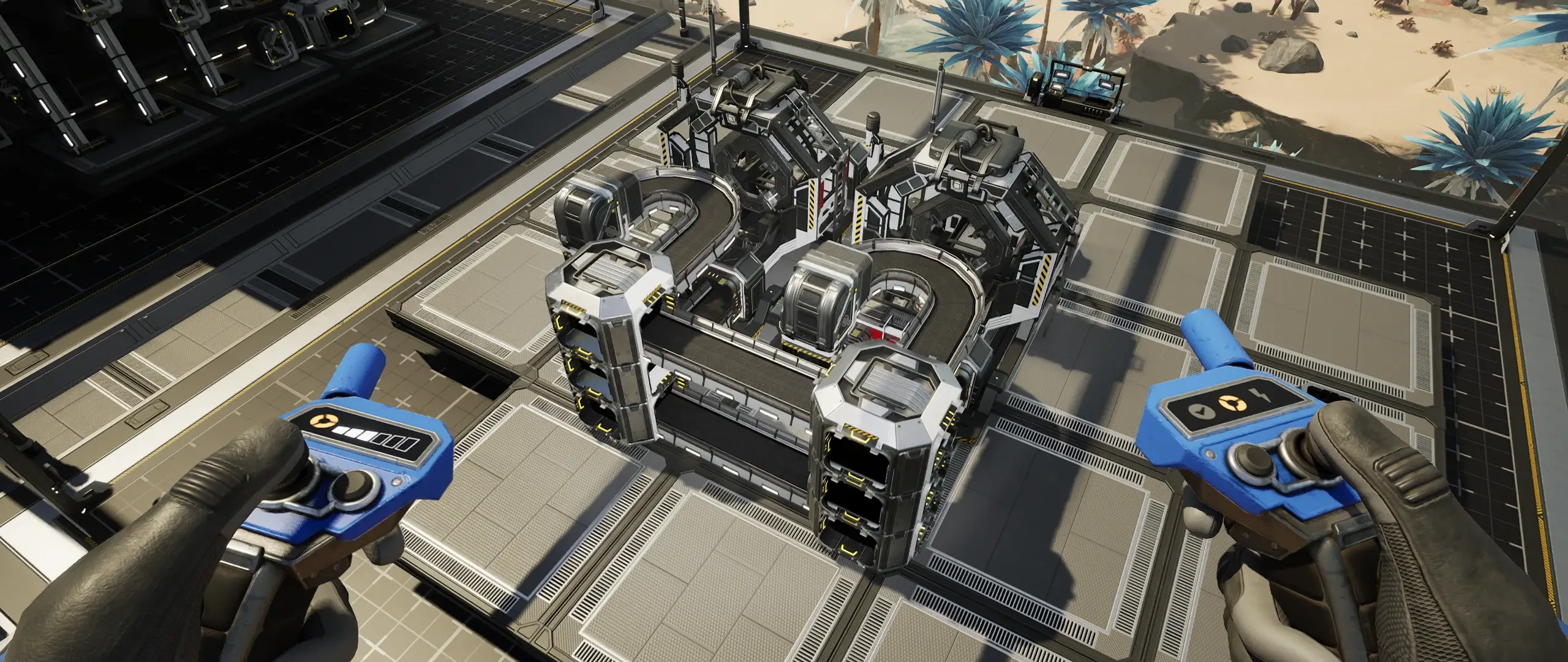
If you catch yourself standing at the craft bench for five straight minutes making rods and screws, your factory is behind.
Bad beginner path: keep hand-crafting the gaps, build randomly, ignore foundations, and delay Coal Power while you "clean things up."
Good beginner path: automate the boring basics, leave room on purpose, build on foundations, follow milestones, and push until coal is online.
Build on foundations early
This is one of those tips that sounds boring until you ignore it.
Use foundations. Even a basic platform helps a lot. It makes belts easier to read, machine spacing easier to manage, and future expansion way less painful. The official wiki on foundations also notes that holding Ctrl while placing a foundation aligned to a cardinal direction snaps it to the world grid, which helps keep large builds consistent.
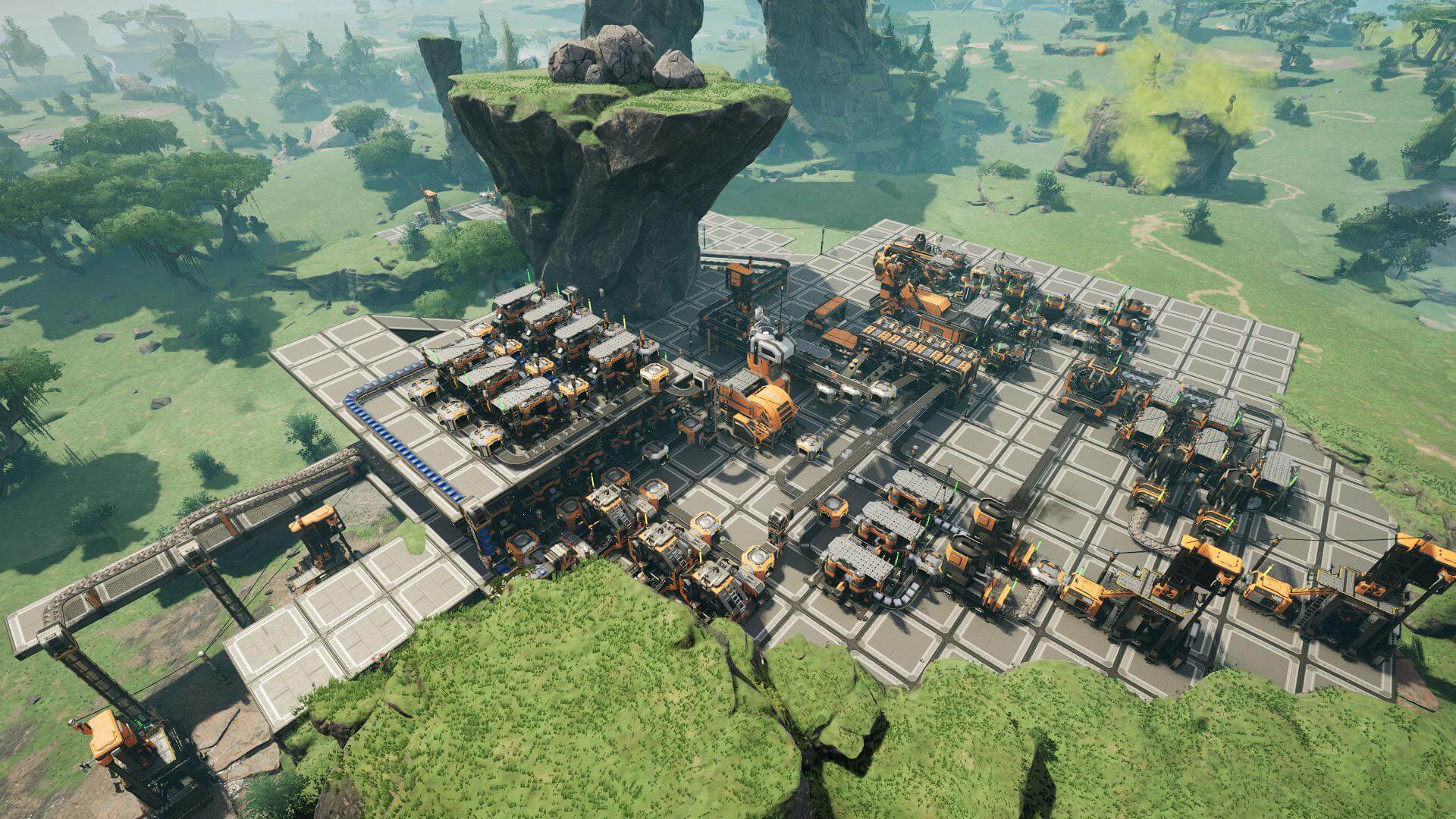
You do not need a beautiful megabase. Just do this:
- put down a starter platform
- keep machines facing roughly the same way
- leave some walking space
- don't pack machines edge to edge
This matters because your first base is almost always uglier than you expected. Foundations are the difference between "starter mess I can still improve" and "total spaghetti that I want to tear down."
At some point your starter floor will look fine from far away and completely cursed up close. That's normal. Ugly and productive beats pretty and stalled.
A good early production order
Once the absolute basics are down, this is the order I'd push:
Iron first
Iron does the heavy lifting in the early game. Plates, rods, screws, reinforced plates, rotors, modular frames — it all starts here. That's why beginners are usually told to build around iron first and make smelting one of the earliest things they automate.
Copper second
Copper is simpler, but still important for wire and cable, and you need a lot of both for unlocks and power-related expansion.
Concrete always in the background
Concrete is the thing you keep underestimating until you suddenly need a mountain of it for foundations, milestones, and base cleanup. Keep it running.
The game tricks you into thinking iron is everything, and then one day you decide to build properly and realize concrete is secretly your real boss.
What to unlock early
You don't need every milestone immediately. If you want a ranked, opinionated order for the first stretch, mine looks like this:
Tier 0 completion — opens the real game
Finish onboarding and unlock the baseline kit: Miner Mk.1, Storage Container, Space Elevator, Biomass Burner, Biomass at the HUB, and the rest of the Tier 0 flow. Nothing else matters until this is done.
Part Assembly — unlocks better part production
This is where Assemblers and recipes like Rotor, Modular Frame, and Smart Plating come online. It's the bridge from "I make parts" to "my factory makes the parts milestones ask for."
Obstacle Clearing — eases the burner grind
Solid Biofuel and the Chainsaw don't fix power by themselves, but they make the early burner phase far less fiddly. Worth grabbing before you're completely sick of leaves and wood.
Coal Power — your first major quality-of-life jump
Coal Power is not optional comfort—it is your first real quality-of-life milestone. Coal-Powered Generators, Water Extractors, and Pipeline Mk.1 are the unlock that ends the constant burner-feeding loop. Treat this as a headline goal for the early game, not a side quest.
Resource Sink Bonus Program — useful, but secondary
AWESOME Sink and AWESOME Shop are great for overflow and extras. I wouldn't stall core production to rush them, but don't sleep on them once your lines are stable.
Vehicular Transport — nice later, not urgent
Tractor and Truck Station help when distances hurt. Vehicles are cool, but they are not your early-game problem. Get your plates, power, and milestone path in shape first; vehicles are a comfort layer, not the early win condition.
The power problem every beginner hits
Early power is simple on paper and distracting in practice: you're always feeding burners instead of building. That's why Coal Power is the milestone to aim for—generators plus water extraction break the manual fueling loop, and the unlock gives you exactly the buildings you need for that step.
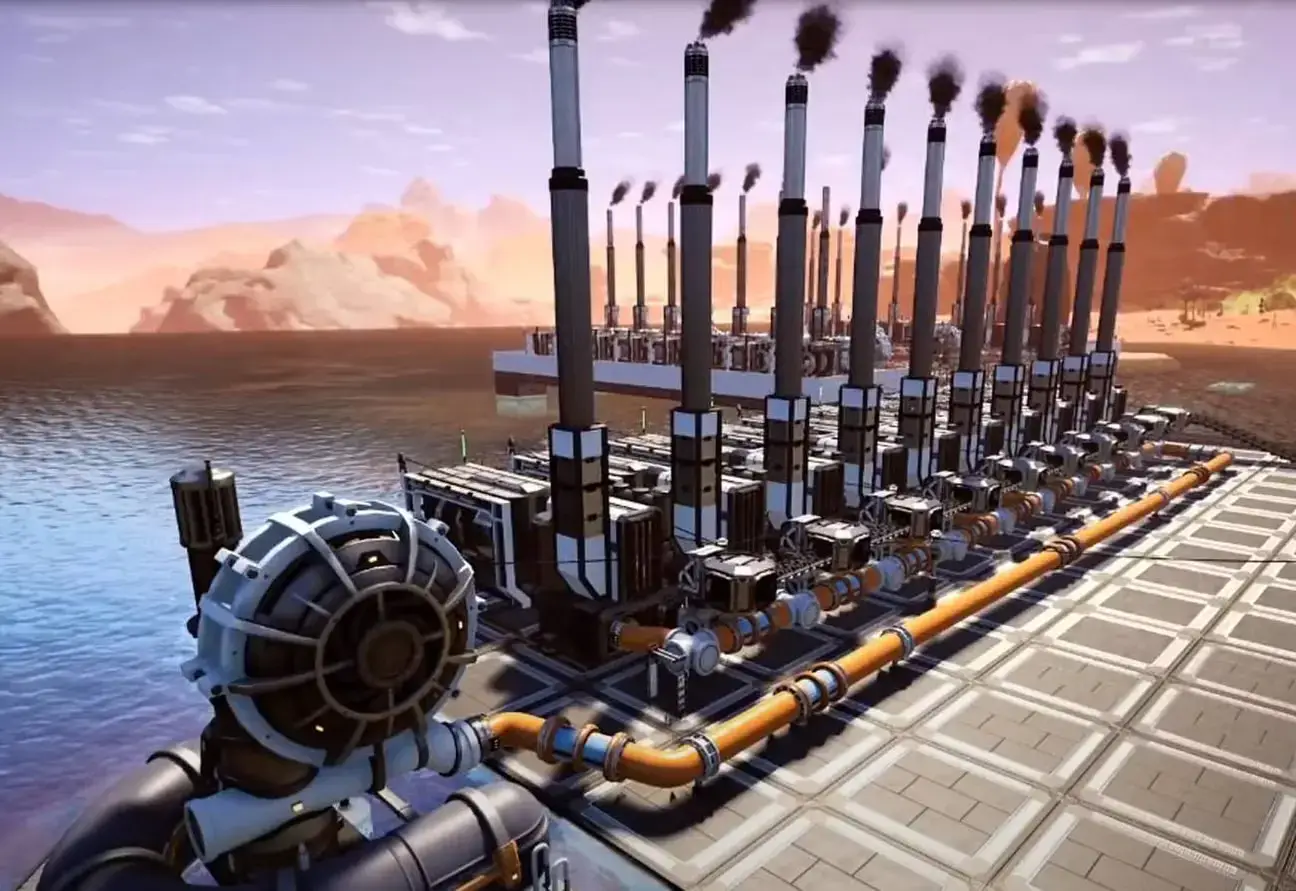
Biomass isn't hard. It just wastes your attention. Coal is where the early game stops feeling like chores.
The starter base mindset that saves you hours
A lot of new players make one of two bad choices:
- they build a total mess and regret it
- they obsess over a perfect base and never move forward
The better mindset is this:
Build a starter base that works now, and make it easy to improve later.
That means:
- use foundations
- keep lines readable
- separate basic production where possible
- leave extra room
- don't try to design your forever base in hour two
Your first base is a launchpad, not a masterpiece. It's allowed to look rough—as long as it's producing.
A realistic first 12-hour focus
Here's a simple flow that makes sense for a beginner:
Hours 0–2
- complete onboarding
- place HUB in a good spot
- get basic iron, copper, and concrete going
- keep collecting leaves, wood, and other burner fuel as you move around
Hours 2–5
- automate plates, rods, wire, cable, concrete
- stop hand-crafting basics whenever possible
- expand storage
- put machines on foundations
Hours 5–8
- push the milestone path toward Part Assembly
- start producing the parts needed for smarter unlocks
- make your base less cramped before it becomes a problem
Hours 8–12
- prepare for Coal Power
- gather what you need for reinforced plates, rotors, and cable
- finish what is needed for the first Space Elevator phase and Tier 3 path
- treat vehicles as optional, useful, but not your main priority yet
This matches the actual milestone structure: early progression through HUB onboarding and Tiers 1–2, then major utility unlocks like Coal Power and Vehicular Transport in Tier 3.
Common beginner mistakes
1. Building too tightly
Everybody does this once. You think you're saving space, but you're really making future changes miserable.
2. Waiting too long to automate
If you're still making your main parts by hand deep into the early game, you're slowing yourself down.
3. Ignoring foundations
You can brute-force a messy setup for a while, but eventually the layout fights back.
4. Treating biomass as "good enough"
It works, but it keeps eating your time and attention. Coal should be a major early goal.
5. Hoarding overflow instead of using the AWESOME Sink
Once you unlock it, the AWESOME Sink is a great way to turn excess production into something useful instead of just clogging your setup.
6. Chasing perfect efficiency too early
In your first 12 hours, "working reliably" is better than "mathematically perfect."
What to focus on instead of perfection
If you want real value, this is the core beginner advice:
Focus on:
- reliable basic production
- clear progression through milestones
- cleaner machine spacing
- reaching Coal Power
- keeping enough materials on hand for the next unlock
You have permission to ignore a lot. Don't focus on:
- perfect ratios everywhere
- pretty architecture and cosmetic layout
- rebuilding every ugly section before you move forward
- long-distance logistics and huge bus runs too early
- vehicles before your main production works
- a "final" base in the early game
That is the real beginner mindset shift.
When your early game is "good enough"
A lot of players restart too early because their base looks rough.
Don't.
Your early game is good enough when:
- plates, rods, wire, cable, and concrete are being made without you babysitting them
- you can afford new machines without long manual crafting sessions
- your milestone progress feels steady
- your layout is readable enough that you can improve it
- you are moving toward or already building Coal Power
If all that is true, you're doing fine.
Final takeaway
The first 12 hours of Satisfactory are not about building a perfect factory. They're about getting out of survival mode and into momentum. Build near your starter resources. Finish onboarding cleanly. Automate the boring basics fast. Use foundations earlier than feels necessary. Then push toward Coal Power, because that is the moment the game stops feeling like constant maintenance and starts feeling like a real factory game. The milestone system, Tier 0 onboarding, Part Assembly, Resource Sink, Coal Power, and Vehicular Transport all support that exact progression.
The truth is, your first base will probably be a little ugly. That's fine. Good enough is enough. If it keeps producing while you unlock better tools, it's doing its job.
One comfort upgrade for early factory sessions
The first 12 hours of Satisfactory are keyboard-heavy: placing miners, splitters, foundations, and power lines while you chase the next milestone. A wrist rest is a simple quality-of-life upgrade when you are repeating those build patterns for hours at a time.
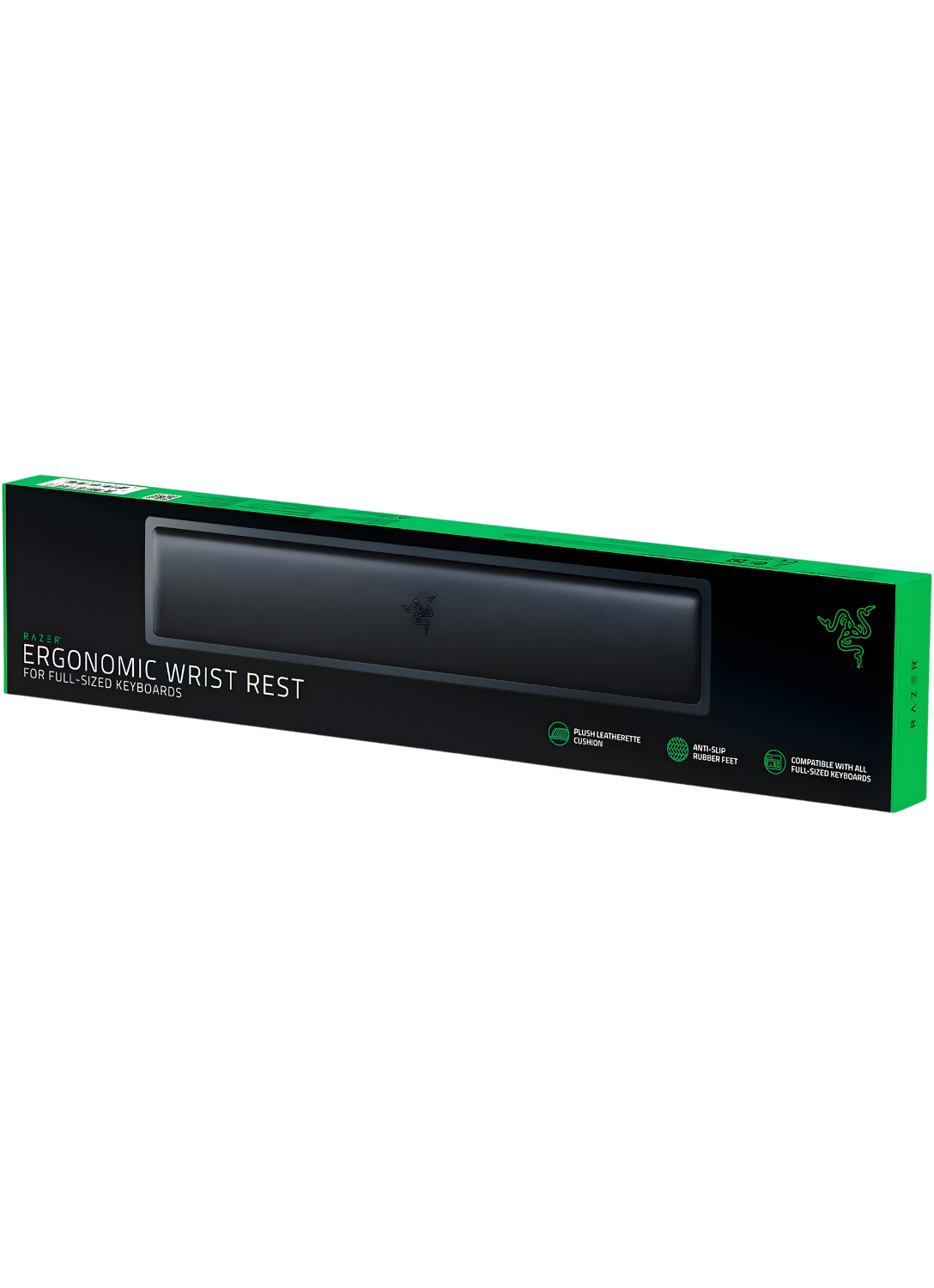
Razer Ergonomic Wrist Rest
An easy comfort upgrade for long keyboard-heavy factory sessions.
Further reading (wiki)
- Milestones
- Miner (includes Portable Miner notes)
- Foundations
New to the genre? See best factory games for beginners and automation games explained. Want more titles in this vein? Browse games like Satisfactory and games like Factorio. For a structured early-game angle in 2D, my Factorio early game guide mirrors a similar "first hours" playbook.
If coal power and milestones fell into place sooner after this read, you can support Game Foundry through Buy Me a Coffee.
It helps fund more practical guides like this.
Chip in for more guides